



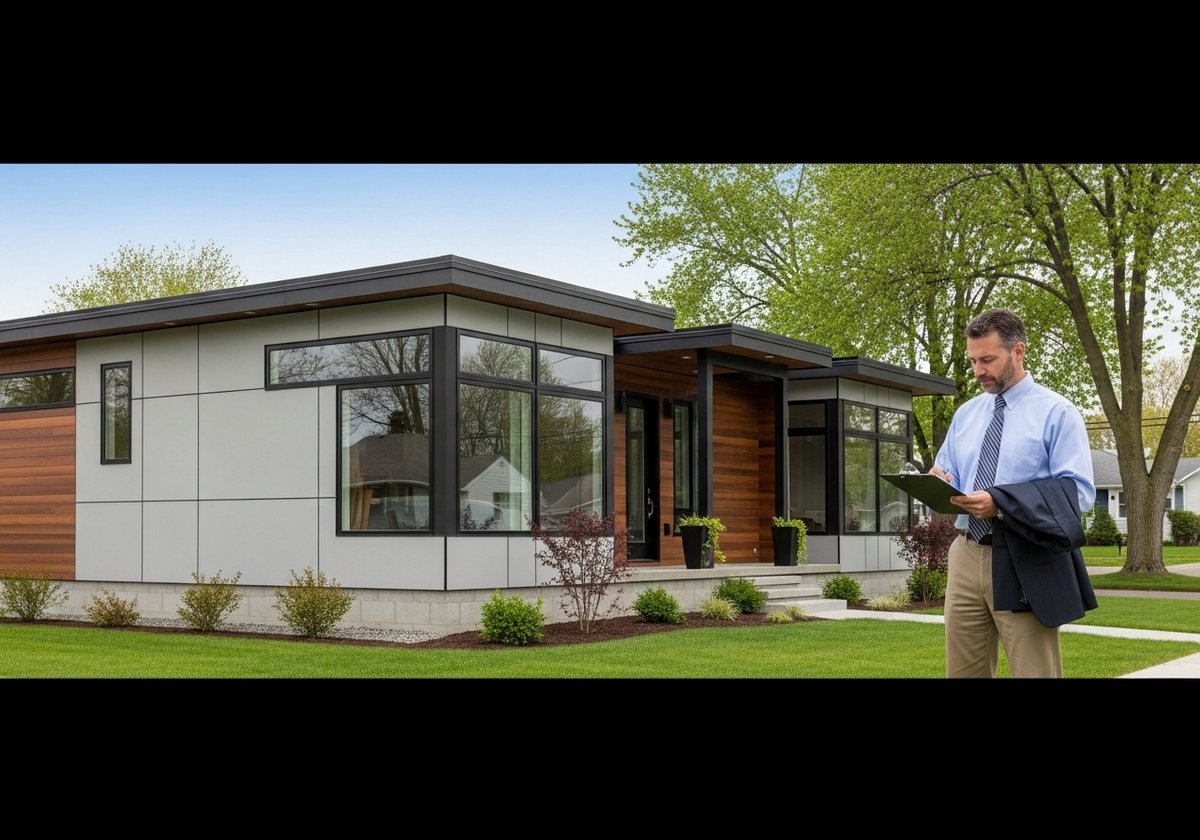
Imagine spending months researching prefab home builders, carefully selecting a modular design, working through the financing paperwork, and then hitting an unexpected wall: the appraisal. The number comes back lower than expected, or the lender flags the property as non-standard, and suddenly your dream home feels like it’s slipping away. This scenario plays out more often than it should, and in almost every case, the homebuyer simply wasn’t prepared for how the prefab home appraisal process actually works.
The good news is that appraisers are getting better at valuing factory-built homes, and the industry is evolving fast. But understanding how appraisers think about prefab properties – and what you can do to support a fair valuation – is still essential knowledge for anyone entering this market.
Why Prefab Home Appraisals Are Different

At its core, an appraisal is an opinion of market value, grounded in evidence from comparable sales. The appraiser looks at what similar homes in your area have sold for, adjusts for differences, and arrives at a value for your property.
Here is where prefab homes run into friction. In many markets, there simply aren’t enough comparable sales of modular or manufactured homes to give an appraiser a clean data set. When comps are scarce, appraisers may use conventionally built homes as comparables with significant negative adjustments for the construction type, pulling your appraisal down in ways that don’t reflect actual quality.
The second layer of complexity is classification. Not all factory-built homes are treated the same. Manufactured homes, built to HUD code and often titled as personal property, are evaluated very differently from modular homes, which are built to local state building codes and legally classified as real property once placed on a permanent foundation. Getting the classification right matters enormously because it determines which appraisal guidelines apply, which loan products are available, and ultimately how the home is valued.
Modular vs. Manufactured: The Appraisal Gap
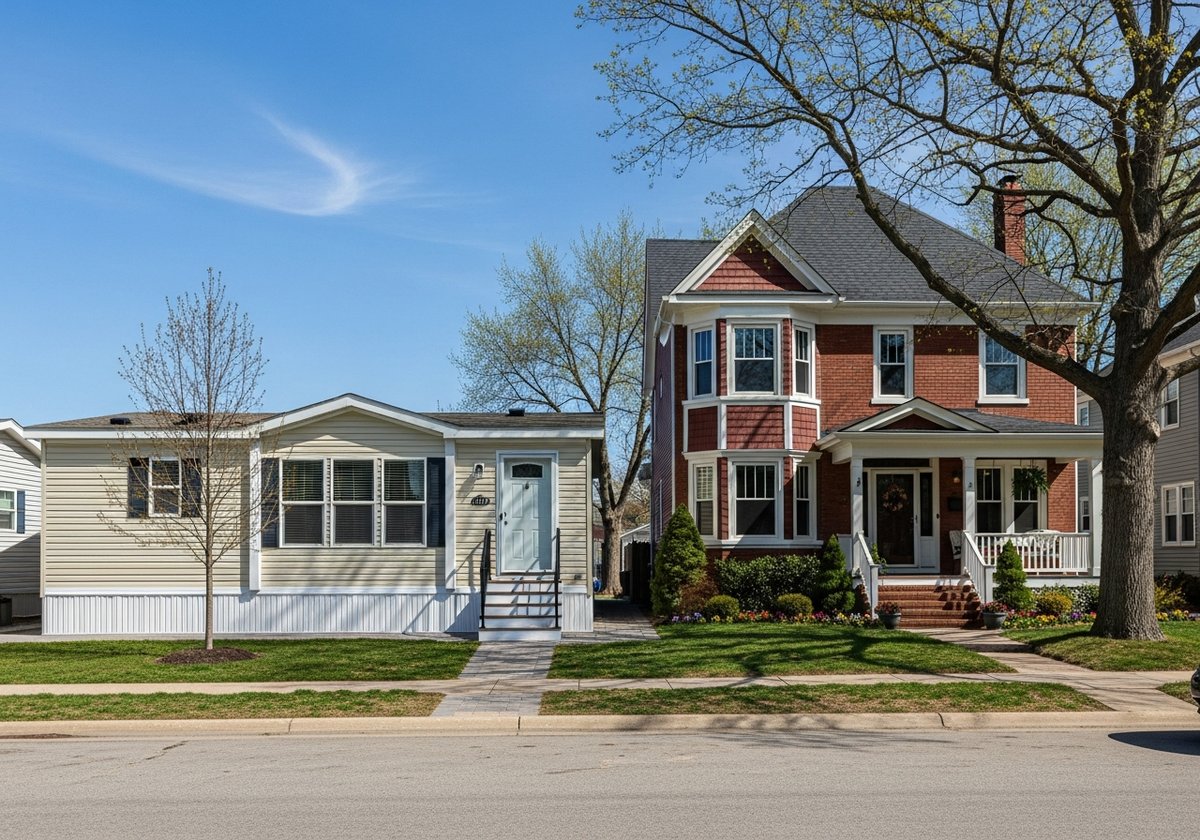
The distinction between manufactured and modular homes is one of the most consequential factors in the prefab home appraisal process. Appraisers who work regularly with manufactured homes often use Fannie Mae Form 1004C, which includes specific fields for HUD tags, chassis, and foundation certification. Modular homes are generally appraised on the same form as site-built homes, Form 1004, because they are legally equivalent once installed.
This matters for financing, too. Fannie Mae and Freddie Mac have both expanded their guidelines for manufactured housing in recent years, but standards for comparable selection and minimum loan amounts still differ from conventional lending. If you’re navigating this terrain, the detailed guidance in Financing Options for Prefab Homes: Mortgages, Loans, and Grants is a useful resource for understanding how appraisal outcomes connect to loan eligibility.
Modular homes tend to fare better in appraisals, particularly when sited on owned land with permanent foundations and when high-quality finishes and energy efficiency upgrades are documented. Builders like those reviewed in our Dvele Homes Review are intentional about building to standards that support stronger valuations, including precision construction tolerances, superior insulation, and energy certifications.
How Appraisers Evaluate Prefab Homes: The Key Factors
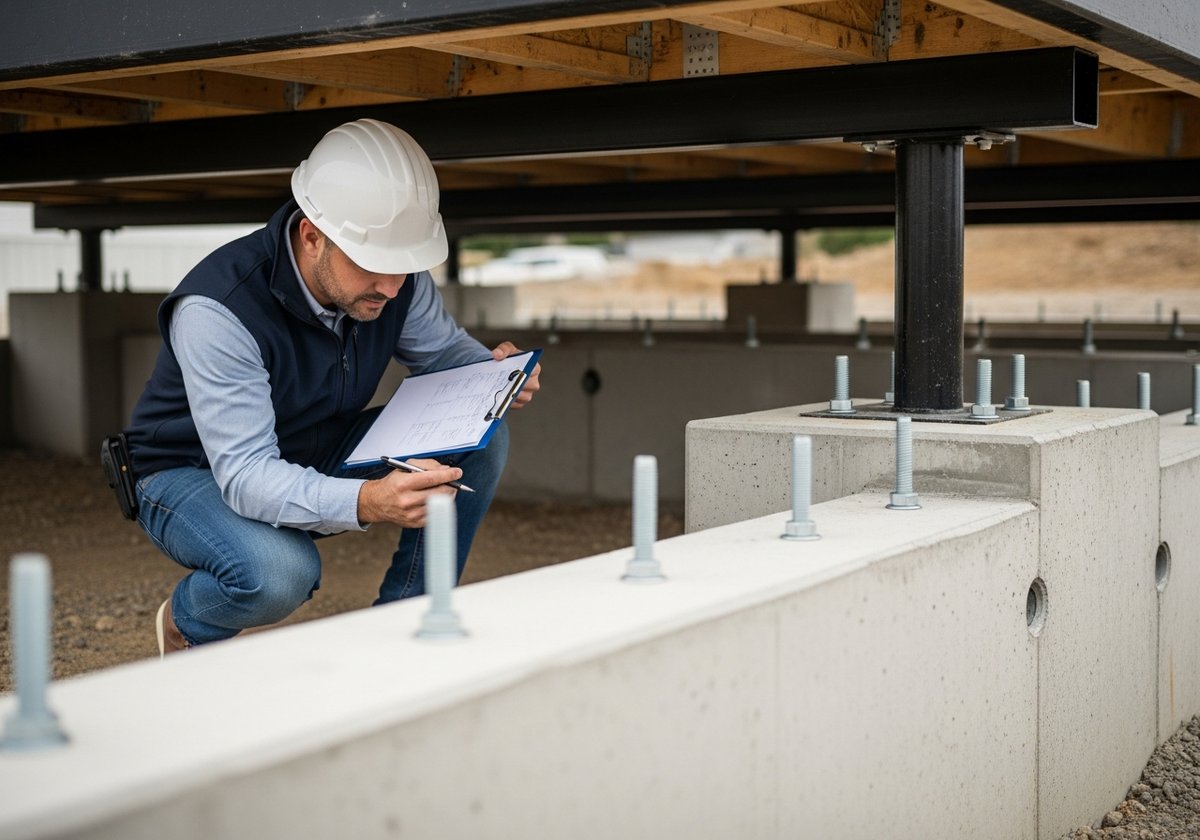
Whether your home is modular, manufactured, or panelized, appraisers generally evaluate prefab properties using a consistent set of criteria.
Foundation and Permanence
A permanent foundation is one of the single most important factors in a prefab home value assessment. Homes on pier-and-beam or blocking without proper tie-downs often receive lower valuations and may not qualify for conventional financing. A home permanently affixed to a poured concrete or block foundation with proper engineering certification is treated much more like a site-built home.
Comparable Sales Selection
Appraisers are required to use the most similar available comparables, ideally other modular or manufactured homes in the local market. When those don’t exist, the appraiser may use site-built homes with adjustments. As prefab construction grows, comp availability is improving, particularly in markets with strong adoption rates – a trend tracked in Prefab Housing Market Trends 2025: Growth in the US and California.
Quality of Construction and Finishes
Factory construction is often more precise and consistent than site-built work. Controlled environments reduce moisture intrusion, framing tolerances are tighter, and quality control checkpoints are more systematic. However, appraisers can only credit what they can observe and document. High-quality finishes, premium appliances, upgraded windows, and energy efficiency features should all be disclosed with documentation. Don’t assume they will notice – make it easy for them to credit your investment.
Energy Efficiency and Green Certifications
This is an area where prefab homes genuinely have an edge, and increasingly appraisers are learning to recognize it. ENERGY STAR certification, HERS ratings, solar installations, and high-performance insulation can all contribute to value. If your home has certifications, supply documentation proactively. In California, these features may also interact with tax benefits; details are available in our guide to Tax Credits and Rebates for Prefab and Green Homes in California.
Land Ownership and Location
Homes on leased land face a structurally more difficult appraisal situation. Lenders typically require fee-simple ownership of both the home and land for conventional financing. Location also matters significantly; a modular home in a high-demand suburban market with strong comparable sales will appraise differently from an identical home in a rural area with limited data.
Practical Tips for Getting a Fair Appraisal
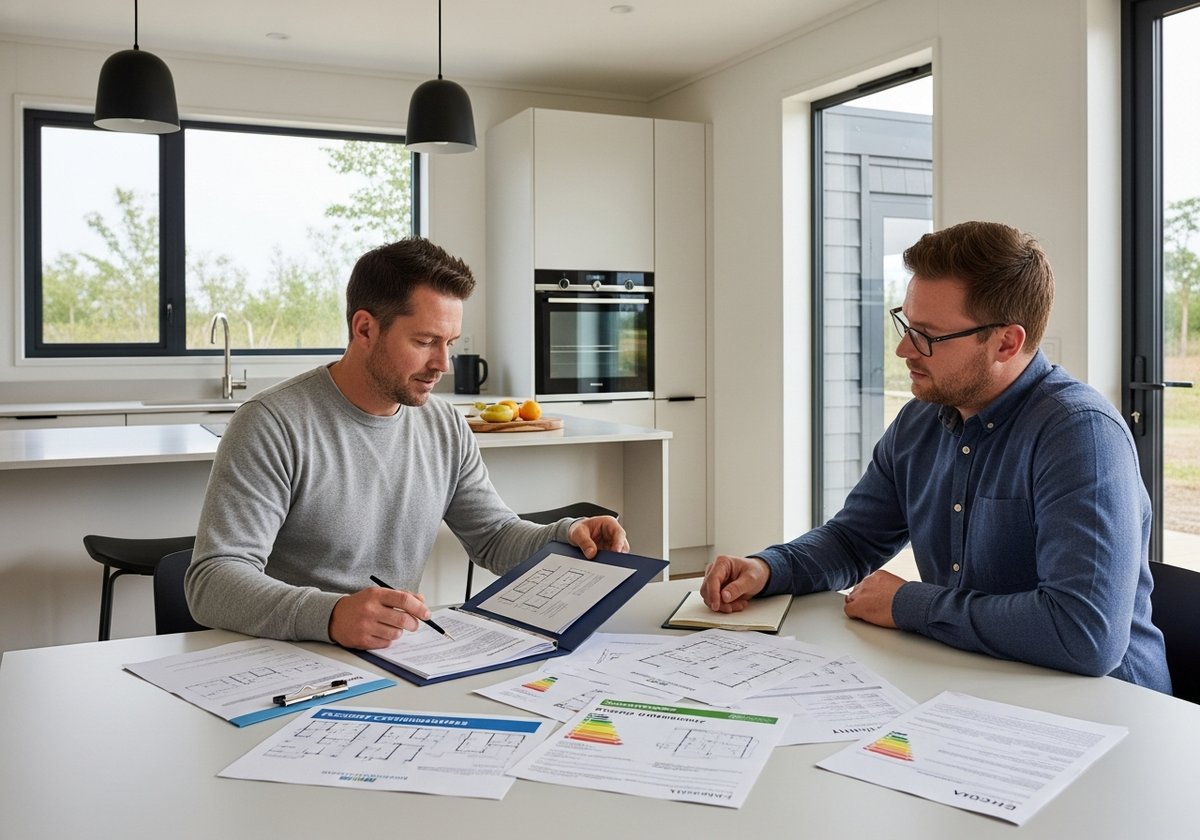
A prefab home loan appraisal doesn’t have to be a guessing game. There are concrete steps you can take before and during the appraisal to support a fair outcome.
- Choose your appraiser carefully. Not all appraisers have experience with factory-built homes. Ask your lender whether the assigned appraiser has relevant experience, and request one who does if needed.
- Prepare a comprehensive information packet. Include manufacturer specifications, energy certifications, foundation engineering documents, the HUD data plate (for manufactured homes), and a list of all upgrades with their costs.
- Identify your own comparables in advance. Research recent sales of similar homes and provide that list to the appraiser. They are not required to use your comps, but they must consider them.
- Document the construction process. Photos and records from the factory and installation process demonstrate quality and help an appraiser understand what is behind the walls.
- Work with a lender experienced in prefab financing. Lenders familiar with modular and manufactured home products are more likely to select knowledgeable appraisers. A good starting point is the Free Guide: How to Finance Your Prefab Home or ADU, which covers lender selection alongside appraisal considerations.
The Bigger Picture: Appraisals Are Catching Up
The prefab home industry has changed dramatically in the past decade. Higher-end modular builders are producing homes with architectural distinction, sustainability credentials, and construction quality that competes with or exceeds site-built alternatives. Appraisers, lenders, and secondary market investors are slowly updating their frameworks to reflect that reality. Fannie Mae’s expanded manufactured housing guidelines, the growth of prefab-specific lending products, and increasing comp availability are all moving in the right direction.
Frequently Asked Questions About Prefab Home Appraisals
What is the prefab home appraisal process?
The appraisal process for a prefab home follows the same general structure as any residential appraisal: an appraiser inspects the property, researches comparable sales, and produces an opinion of market value. Key differences involve comparable selection, classification (manufactured vs. modular), and the documentation needed to support quality and green features.
Do modular homes appraise the same as site-built homes?
Modular homes are legally equivalent to site-built homes once permanently installed and are appraised on the same standard forms. In practice, outcomes depend heavily on comparable availability, quality of finishes, and foundation type. In markets with strong prefab adoption, modular homes routinely appraise on par with or above comparable site-built properties.
Why do manufactured homes sometimes appraise lower?
- Limited comparable sales data in many markets.
- Land lease situations that restrict financing options.
- Older HUD-code homes with lower construction standards than modern builds.
- Appraiser unfamiliarity with newer manufactured home quality standards.
How does foundation type affect prefab home value?
A permanent, engineered foundation significantly improves both appraised value and financing eligibility. Homes on non-permanent foundations often cannot qualify for conventional loans. For manufactured homes, FHA Title II and Fannie Mae loans both require permanent foundations with engineering certification.
What documentation helps support a higher appraisal?
- Manufacturer specifications and quality certifications.
- Energy ratings such as HERS index score or ENERGY STAR certification.
- Foundation engineering reports.
- HUD data plate (manufactured homes) or modular compliance certificate.
- A list of upgrades with documented costs.
- Your own list of comparable sales for the appraiser to consider.
Can green features increase my prefab home’s appraised value?
Yes, increasingly so. Solar systems, high-efficiency HVAC, advanced insulation, and certified green building ratings can all contribute to a higher appraisal when documented clearly. Some appraisers use green addenda specifically for this purpose.
How important is it to use an appraiser experienced with prefab homes?
Very important. An appraiser unfamiliar with factory-built construction may apply unnecessary negative adjustments or select poor comparables. Always ask your lender whether the appraiser has experience with modular or manufactured homes, and consider requesting a different appraiser if they don’t.
Does prefab construction type affect which loan products I can use?
Yes. Manufactured homes titled as personal property are limited to chattel loans, which carry higher rates. Manufactured homes on permanent foundations with fee-simple land ownership can qualify for FHA, VA, and conventional loans. Modular homes qualify for the full range of conventional mortgage products. Understanding this distinction before you choose a home type can significantly affect your financing costs.
Sources
- Fannie Mae Selling Guide: Manufactured Housing (updated 2024)
- FHA Single Family Housing Policy Handbook 4000.1
- Appraisal Institute, “Residential Green and Energy Efficient Addendum” guidance
- U.S. Department of Housing and Urban Development, Manufactured Housing Program
- Freddie Mac Single-Family Seller/Servicer Guide, Chapter 5703
