



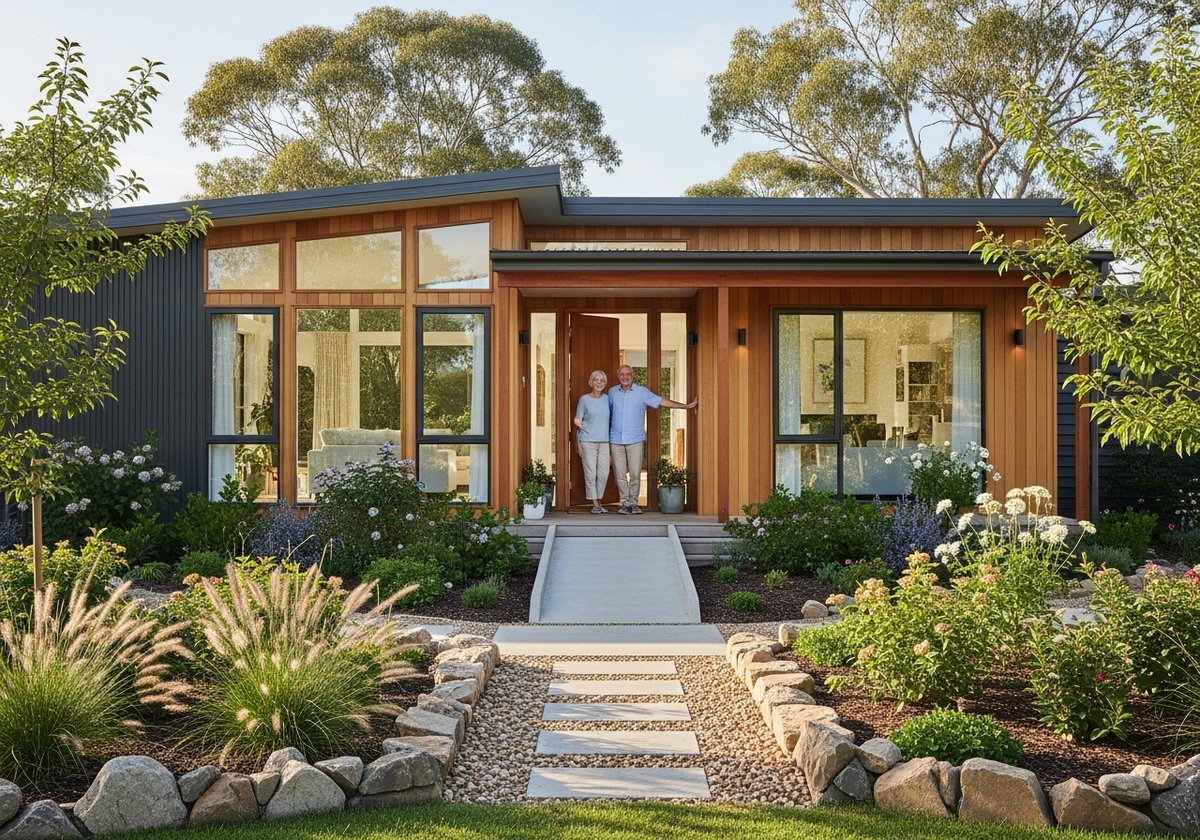
There’s a quiet revolution happening in housing design, and it starts with a simple question: what if your home could grow old with you? Not just tolerate your changing needs, but genuinely support them – from the first gray hair to the last decade of independence you’ve earned. Prefab construction, once associated almost exclusively with speed and cost savings, is increasingly becoming the smartest answer to that question. Modern prefab homes can be engineered from the ground up with accessibility baked in, not bolted on as an afterthought.
More than 10,000 Americans turn 65 every single day. Most of them want to stay in their own homes. But most American homes – including most newly built ones – are designed as if stairs, narrow doorways, and bathtub step-overs will never be a problem. Prefab construction disrupts that assumption in a genuinely useful way. Because prefab homes are designed in controlled factory environments before a single piece of land is touched, accessibility features can be woven into the structural DNA of the home rather than retrofitted expensively later.
What “Aging in Place” Actually Means for a Home
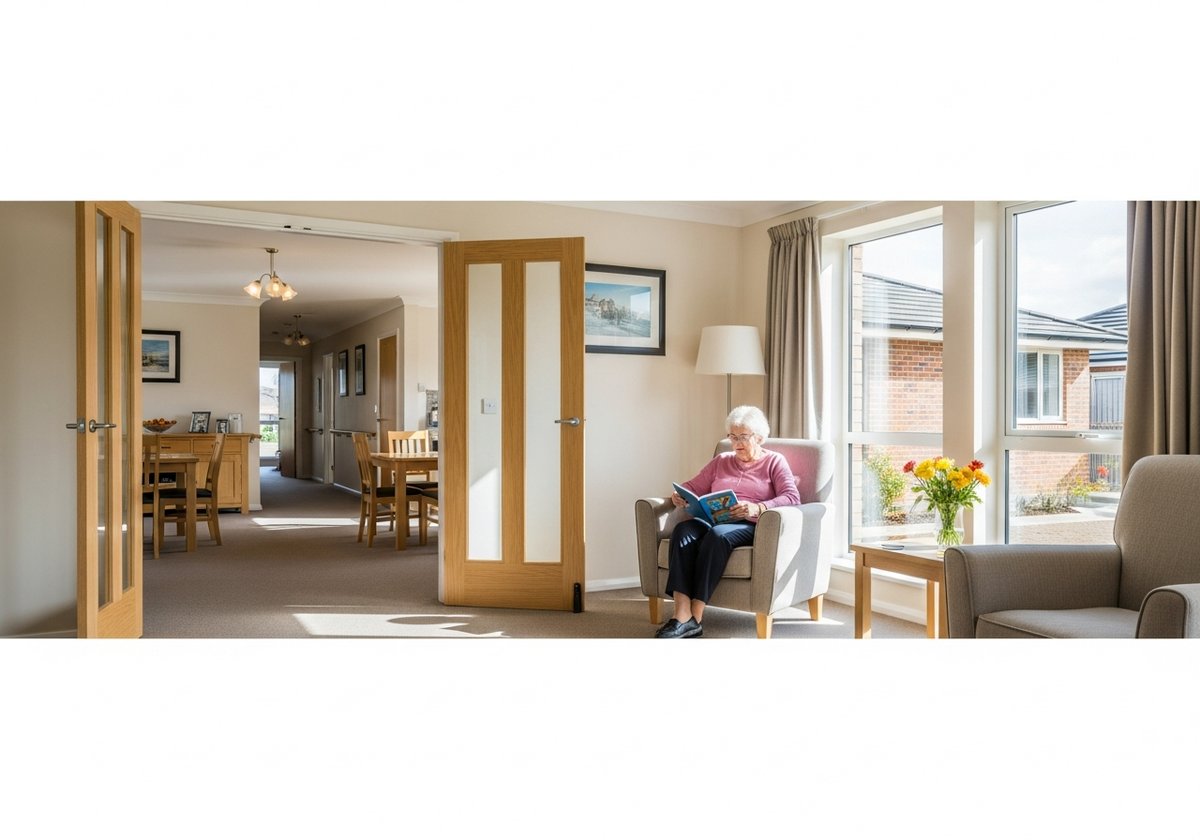
Aging in place is not about designing a hospital room. It’s about designing a home that doesn’t fight you. The goal is to live independently and comfortably in your own residence for as long as possible, without needing to move to assisted living or a care facility. Translating that into architecture requires attention to dozens of small decisions that compound into either friction or freedom.
Think about a standard doorway: 32 inches wide. A standard wheelchair needs at least 36 inches to pass comfortably, and 42 inches to pass without scraping knuckles on the frame. That four-to-ten-inch difference costs almost nothing to build correctly from scratch and costs thousands of dollars to fix later. This is exactly the kind of problem prefab construction is positioned to solve, because every dimension is specified in the design phase before manufacturing begins.
Universal design – the principle that spaces should work for people of all ages and abilities – is increasingly a baseline expectation among buyers thinking ahead. Prefab companies are responding. The 10 prefab home design trends for 2025 include a growing emphasis on flexible, multigenerational layouts that accommodate both young families and aging residents.
The Structural Advantages of Prefab for Accessibility
Here’s what makes prefab uniquely suited to accessible design: precision. Factory-built homes are constructed using computer-aided manufacturing processes that hold tolerances far tighter than traditional site-built construction. When you specify a zero-threshold shower entrance, it actually comes out zero-threshold. When you specify a 36-inch doorway, you get 36 inches – not 34 because a framer was tired on a Tuesday afternoon.
This precision matters enormously for accessibility features, where small errors create real barriers. A floor transition rising even half an inch can catch a walker or wheelchair wheel. A grab bar installed into drywall rather than blocking fails when you actually need it. Prefab factories address these problems by building to specification consistently, and accessibility features can be included as standard options rather than custom add-ons.
Single-story floor plans are particularly practical here. Most aging-in-place design principles start with eliminating stairs entirely, or at least ensuring all essential living functions – bedroom, bathroom, kitchen – exist on one level. Prefab construction makes single-story design highly efficient, and many prefab builders now offer dedicated aging-in-place floor plans as part of their standard catalog.
Key Design Features That Make a Real Difference
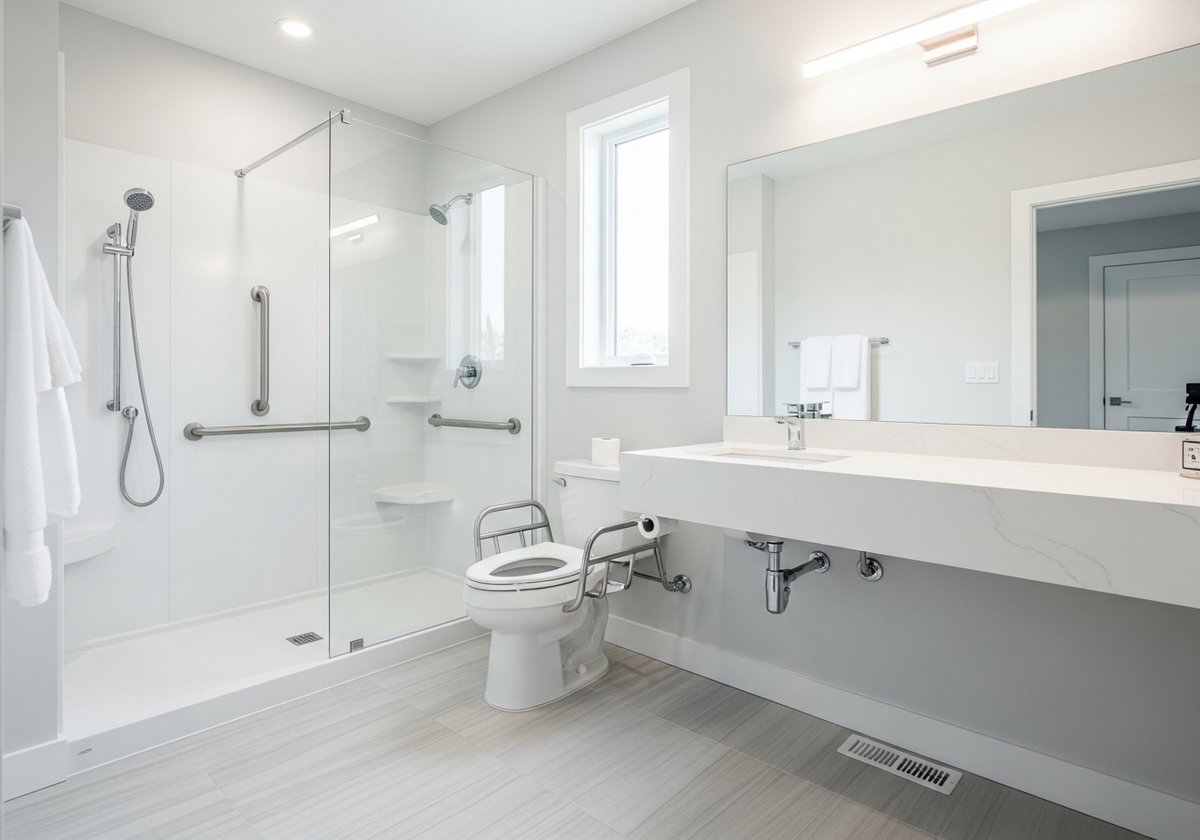
What does a well-designed prefab home for aging in place actually include? Several features consistently appear across the best universal design frameworks.
Barrier-Free Bathrooms
The bathroom is statistically the most dangerous room in a home for older adults. Roll-in showers with no curb, wide turning radius inside the shower, reinforced walls for grab bar installation, and comfort-height toilets are not luxury upgrades – they are basic safety infrastructure. A good prefab builder will include blocking in bathroom walls as a standard specification, so grab bars can be added at any time without tearing into tile.
Wider Doorways and Hallways
Thirty-six-inch doorways throughout the home and hallways at least 42 inches wide allow wheelchair and walker passage without stress. Open floor plans reduce the number of doorways needed altogether, serving both accessibility and the airy aesthetic most buyers prefer anyway. Good design and accessible design are often the same thing.
Lever Hardware and Rocker Switches
Round doorknobs are essentially useless if you have arthritis or limited grip strength. Lever-style door handles, rocker light switches, and single-handle faucets require dramatically less dexterity. These are inexpensive specifications that prefab manufacturers can build in universally, often at little or no additional cost when ordered at the factory.
Smart Home Integration
Voice-controlled lighting, thermostats, and security systems aren’t just trendy – they’re meaningful accessibility tools. A person who has difficulty walking to the thermostat gains real autonomy from smart home infrastructure. Prefab homes can be wired and configured for these systems during manufacturing, which is cleaner and less expensive than retrofitting.
Accessible Outdoor Transitions
The entry to the home deserves as much thought as the interior. Zero-step entrances, wide covered porches, and gradual-slope pathways from parking to the front door extend independence to the outdoors. Many prefab builders offer covered entry modules specifically designed to create accessible transitions.
Prefab ADUs as Aging-in-Place Solutions
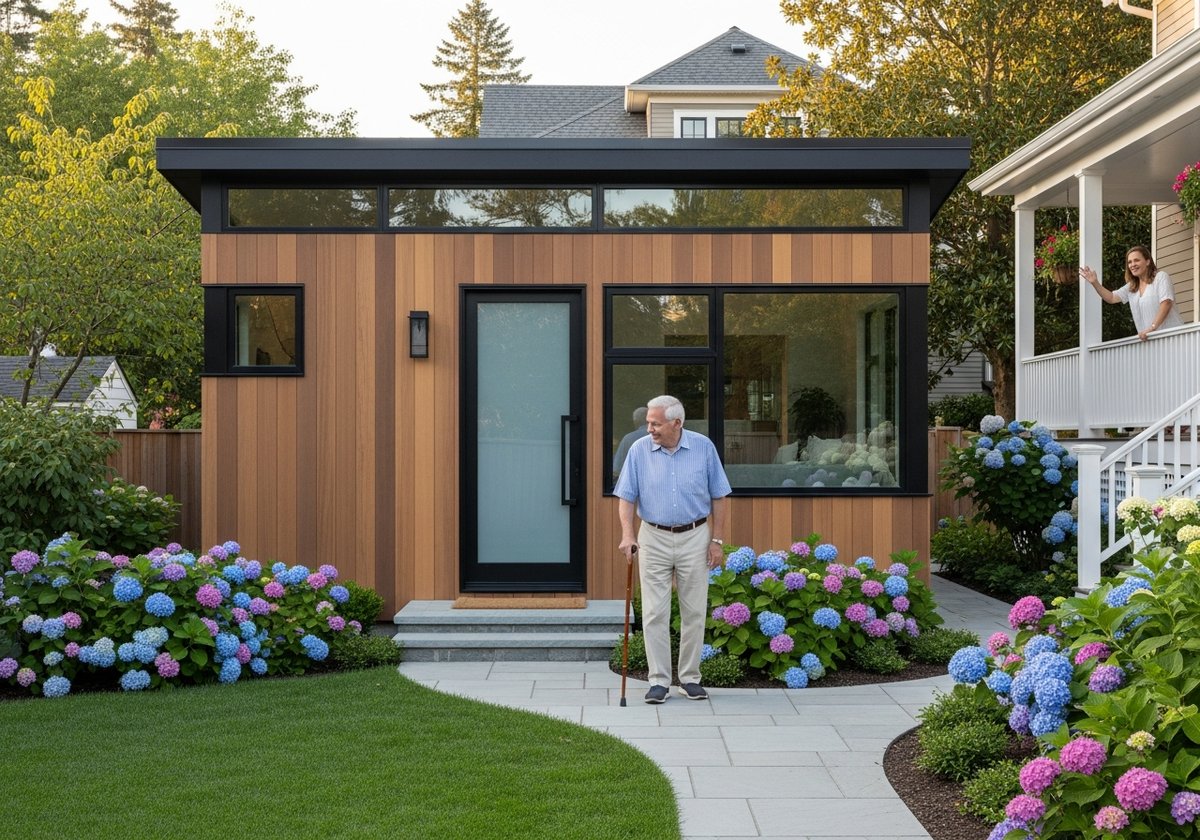
One of the most practical applications of accessible prefab design is the accessory dwelling unit, or ADU. An increasing number of families are building a small prefab home on the same property as their main residence – a backyard cottage or side-yard module – so an aging parent can live nearby without living in the same house.
The older family member gets privacy and independence. Younger family members get proximity for caregiving without the friction of full cohabitation. And because prefab ADUs are built new, they can be designed with every accessibility feature from the start. The guide to best prefab tiny homes for backyard living covers several models well-suited to single-occupant accessible design, including units specifiable with roll-in showers, wide doorways, and open layouts.
Choosing the Right Prefab Builder for Accessible Design
Not every prefab builder is equally equipped to deliver accessible homes. Some specialize in design-forward aesthetics without much floorplan flexibility. Others offer deep customization but limited experience with universal design principles. Ask prospective builders directly: do you offer aging-in-place packages? Can doorways be specified at 36 inches as standard? Do your bathrooms include grab bar blocking? How do you handle threshold transitions between modules?
Installation quality also affects accessibility outcomes significantly. Even a well-designed accessible home can develop barriers if installation is poorly executed – an uneven floor transition or a module seam that creates a ridge. The piece on what goes wrong during prefab installation is essential reading before signing a contract. For California residents, the best prefab home builders in California provides a useful starting point for identifying companies with strong accessible design capabilities.
The Financial Case for Designing Right from the Start
Here’s a number worth sitting with: retrofitting a home for accessibility after construction costs, on average, between $10,000 and $60,000 depending on scope. Widening doorways means reframing. Adding a roll-in shower means gutting a bathroom. Installing a ramp means re-engineering an entry.
Building those features into a new prefab home from the beginning adds a fraction of that cost – often between $2,000 and $8,000 for a comprehensive accessibility package. Designing right from the start is not just kinder to the people who will live in the home; it is significantly more economical. There is also a resale advantage: homes designed with universal accessibility appeal to older buyers, buyers with disabilities, multigenerational families, and buyers who appreciate thoughtful design. A well-executed accessible prefab home is, in most markets, a premium product.
Frequently Asked Questions
What makes a prefab home suitable for aging in place?
A prefab home designed for aging in place typically includes:
- Single-story layouts that eliminate the need for stairs
- Doorways at least 36 inches wide for wheelchair and walker access
- Zero-threshold entries and roll-in showers
- Reinforced bathroom walls for grab bar installation
- Lever-style hardware and rocker switches throughout
- Open floor plans with wide turning radii
Can I customize a prefab home for specific accessibility needs?
Yes. Most prefab builders offer customization options, and accessibility features are typically specified during the design phase before manufacturing begins. This is one of the key advantages of prefab construction – accessibility is built in at the factory level rather than retrofitted later, which is both more precise and more cost-effective.
Are prefab ADUs a good option for aging parents?
Prefab ADUs are an excellent solution for housing aging parents nearby. They can be specified with full accessibility features from the start, provide privacy and independence for the older resident, and allow family caregivers to be close without sharing a living space.
How much does it cost to add accessibility features to a prefab home?
Adding a comprehensive accessibility package to a new prefab home typically costs between $2,000 and $8,000, depending on the builder and scope. Retrofitting those same features into an existing home can cost $10,000 to $60,000 or more. Building in accessibility from the start is dramatically more economical.
What is universal design and how does it apply to prefab homes?
Universal design is a framework for creating spaces that work for people of all ages, body types, and ability levels without requiring specialized adaptations. Applied to prefab homes, it means designing layouts, doorways, kitchens, and bathrooms that are functional for someone using a wheelchair as well as someone who is not. Good universal design doesn’t look institutional; it looks like thoughtful, spacious architecture that happens to work for everyone.
Which prefab home features help the most with mobility limitations?
- Zero-step entries and smooth outdoor pathways
- Roll-in showers with fold-down seating
- Wide hallways (42 inches or more)
- Open kitchen layouts with knee clearance under counters
- Smart home controls for lights, locks, and climate
- Covered parking close to the main entrance
Can an accessible prefab home also be stylish and modern?
Absolutely. The best universal design is invisible – it creates spacious, open, comfortable spaces that happen to work for everyone. Wide doorways read as generous architecture. Zero-threshold showers look sleek and contemporary. Open floor plans are exactly what most modern buyers want anyway. Accessible design and beautiful design are not in competition; in most cases, they are the same thing.
Sources
- AARP Public Policy Institute, “Home and Community Preferences Survey”
- National Aging in Place Council, Design Standards Reference
- U.S. Census Bureau, Population Projections for Adults 65 and Older
- Americans with Disabilities Act Accessibility Guidelines (ADAAG)
- NAHB Research Center, “Aging-in-Place Remodeling Checklist”
