



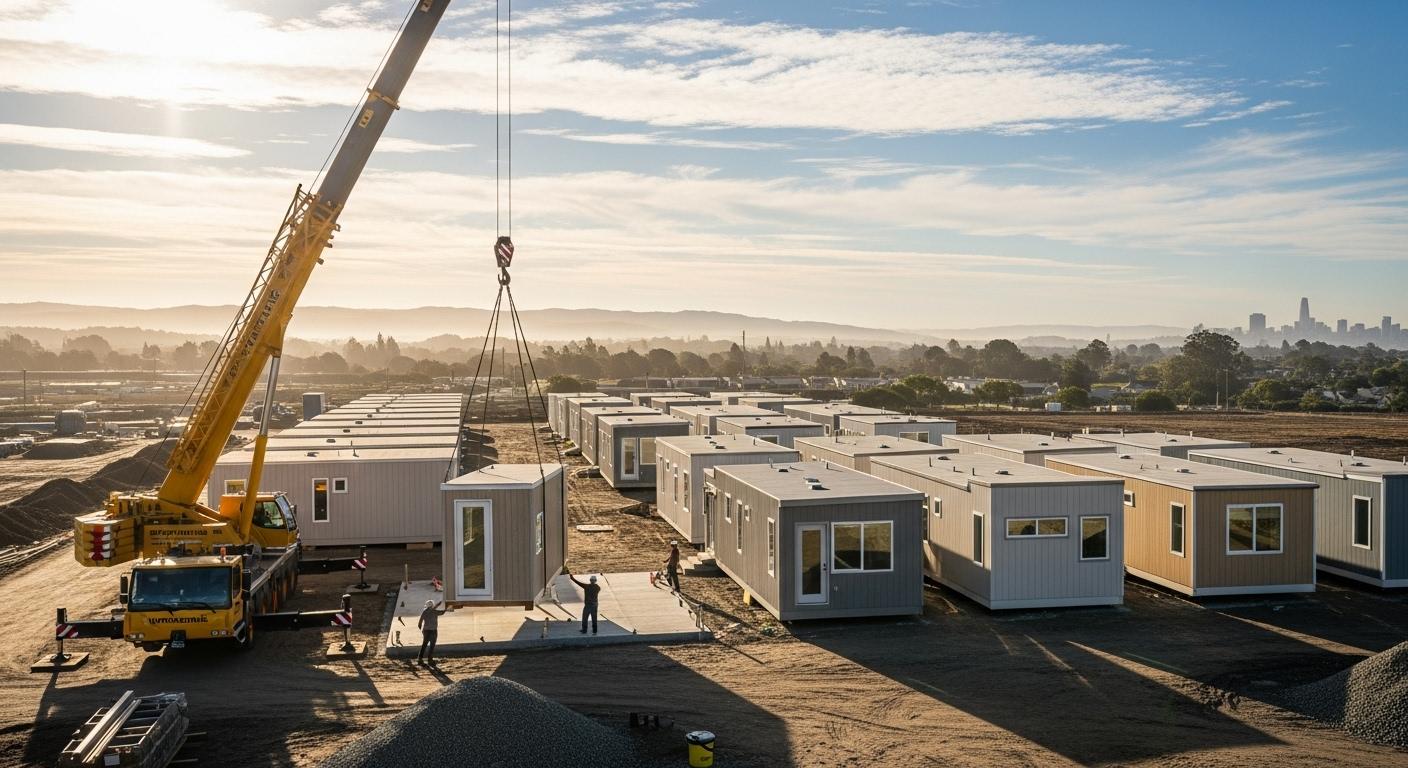
Understanding the Prefab Housing Market
In the realm of modern construction, prefab housing stands out with its unique charm and efficiency. Prefab, short for prefabricated, refers to homes whose components are manufactured in a factory and then assembled on-site. This concept isn’t new; it has been part of the architectural landscape for centuries. Prefab housing gained traction during wartime due to the need for rapid construction. Today, these homes not only promise swift assembly but also encompass an array of designs that cater to contemporary tastes. They’re more than just a trend; they’re a pivotal innovation in tackling the housing crisis and promoting sustainable construction practices.
Current State of the Prefab Housing Market in the US
The prefab housing market in the United States is, without doubt, on an upward trajectory. Recent estimates peg the market size in billions, with many projecting significant growth in the next few years. Leading the charge are companies like Clayton Homes and Champion Home Builders Inc., which are setting the pace with innovative solutions. Also noteworthy is the surge in technological advancements think 3D printing and modular designs that streamline the construction process and ensure a seamless blend between affordability and aesthetics.
Growth Drivers in the US Prefab Housing Market
Several factors fuel the burgeoning prefab housing market. For starters, the demand for affordable housing is at an all-time high, pushing developers to think outside the traditional construction box. Prefab homes are inherently eco-friendly, aligning perfectly with the modern emphasis on sustainable living. Additionally, favorable government policies encourage prefab adoption by offering incentives and reducing bureaucratic red tape. Consumers, too, increasingly prefer the quick turnarounds associated with prefab construction, which translates to less waiting and fewer headaches during the home-buying process.
California’s Role in the Prefab Housing Market
California, with its bustling cities and beautiful landscapes, faces a dire housing shortage. Enter prefab housing, which offers a viable solution. In many ways, California is an innovation hub for prefab construction, with numerous groundbreaking projects showcasing the potential of this approach. The state’s regulations, while stringent, are slowly evolving to support prefab constructions, paving the way for notable projects like those in San Francisco and Los Angeles. Industry partnerships are flourishing, making California a beacon for prefab innovation.
Challenges Facing the Prefab Housing Market
Yet, the prefab housing market isn’t without its hurdles. One of the most significant challenges is navigating regulatory landscapes and ensuring building code compliance. Transporting prefab components from factories to sites also presents logistical challenges. Moreover, overcoming public perception that prefab homes lack individuality or quality requires continued education and innovation in design. There’s also the matter of high initial costs, which can deter potential buyers even though prefab homes often prove more cost-efficient over time.
Projections and Trends for the Prefab Housing Market by 2025
By 2025, industry analysts forecast robust growth in the prefab housing sector. Technological integration, such as the use of automation and smart home features, is expected to redefine the prefab experience. Design standards are also evolving, with an emphasis on aesthetic appeal and customization options. Geographically, the market is poised to expand beyond North America, influencing global construction practices and reshaping how we think about homebuilding worldwide.
Competitive Landscape and Market Opportunities
The competitive landscape of the prefab housing market is dynamic, with established firms and innovative startups both vying for a piece of the pie. Companies leading the charge present numerous investment opportunities, especially as the market benefits from advancements in materials and construction techniques. Potential collaborations across industries promise to drive further innovation and reduce costs, making prefab housing an attractive option for future homeowners and investors alike.
Prefab Housing as the Future of Construction
Summarizing the key points, it’s evident that prefab housing is on the brink of a transformative period. With increasing demand, substantial innovations, and growing public awareness, it’s set to become a cornerstone of modern construction. In many ways, prefab homes offer long-term benefits not just for homebuyers, but for society at large promoting sustainability, affordability, and efficiency. For stakeholders, this is a compelling time to get involved, embracing the full potential of prefab housing to address current and future housing needs with creativity and innovation.
