



Why Prefab Homes Are the Future of Housing in the US
In the cozy town of New Paltz, New York, a family unlocks the door to their brand-new home. But this isn’t any ordinary home it arrived mostly assembled and took a fraction of the time to build compared to their neighbor’s traditional house down the street. Welcome to the world of prefab homes, an evolving architectural wonder that’s quietly transforming the housing landscape in the United States.
Understanding Prefab Homes
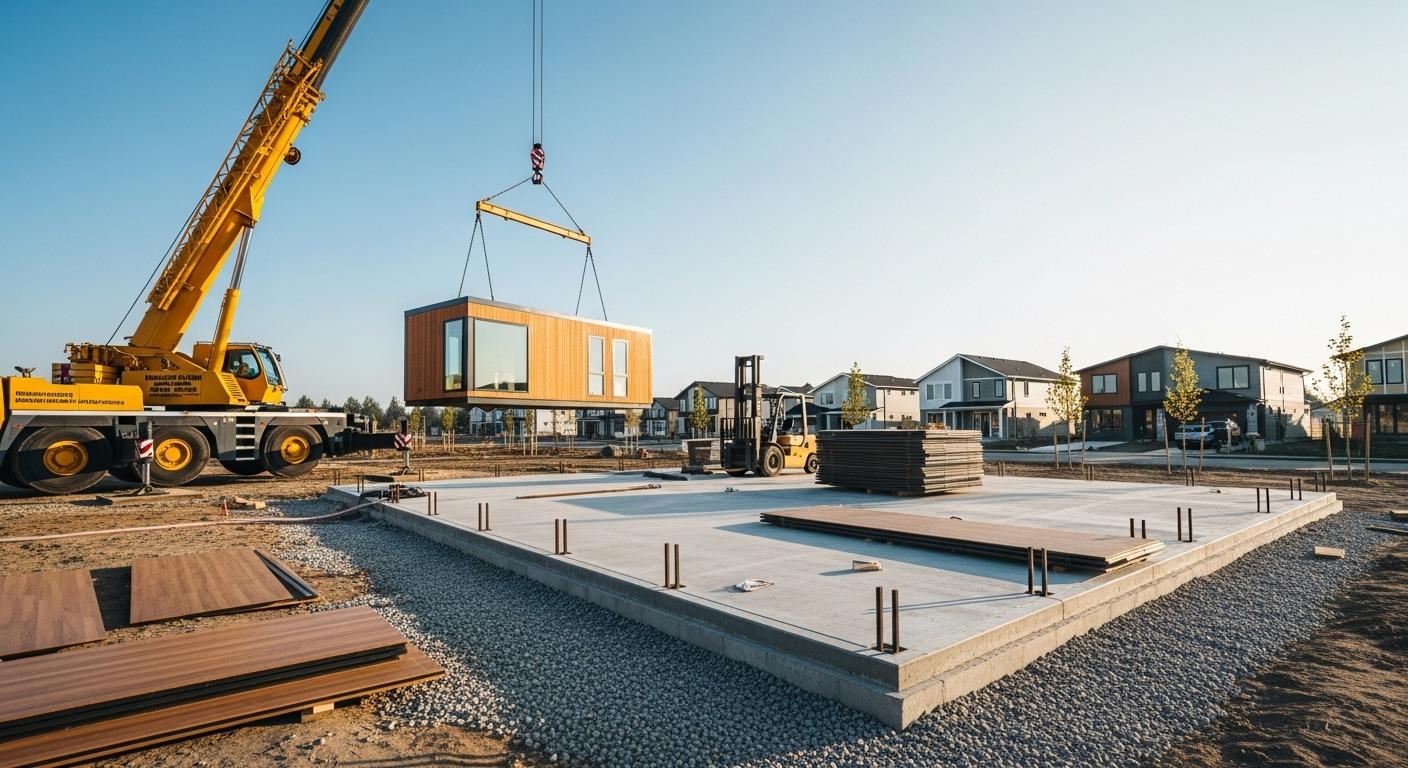
Let’s delve into what makes a prefab home so intriguing. Prefabricated homes, or “prefabs,” are residences built from sections manufactured in a factory setting. These sections are then transported to the construction site for assembly. It’s akin to putting together a giant puzzle, but one that comes with instructions.
The journey of prefab homes dates back to the early 1900s, gaining considerable attention post-World War II as a solution to housing shortages. Over the years, the designs and materials have seen significant innovation, making them a viable and attractive option today.
Prefab homes come in various flavors modular, panelized, pre-cut, and even homes crafted from shipping containers. Each type offers unique benefits and fits different needs. A modular home, for example, is constructed from segments that are assembled like LEGO blocks, while panelized homes involve walls and roof sections put together onsite. Despite their growing popularity, prefabs often face misunderstandings, such as being confused with manufactured or mobile homes, which differ in construction and design standards.
Advantages of Prefab Homes
Why choose prefab over traditional construction? For starters, time an often scarce commodity in construction is significantly saved. Prefab homes can be ready in half the time it takes to build a traditional house because the factory setting allows parallel construction of parts.
Cost is another compelling factor. Prefabs are typically more budget-friendly since they benefit from bulk material purchases and reduced labor costs. The controlled factory environment ensures a high level of quality control, minimizing the risk of weather-related construction delays and defects.
Moreover, the environmental upside of prefabs can’t be overstated. These homes are designed with sustainability in mind, often using eco-friendly materials, generating less waste, and offering greater energy efficiency. It’s a win-win for both homeowners and the planet.
Technological Innovations in Prefabrication
Technology is revolutionizing the prefab industry. Advanced tools and machinery, including automation and robotics, are being employed to increase precision and efficiency in factory-built homes. As robots take on repetitive tasks, the result is faster production with fewer errors.
Eco-friendly materials like recycled steel and sustainable timber are becoming staples in prefab construction. Innovations such as 3D printing are also on the horizon, promising to reshape how homes are designed and built, while reducing waste even further.
Looking ahead, you can expect to see increased use of smart technology in prefab homes, from energy-efficient HVAC systems to integrated renewable energy sources like solar panels. The future indeed looks green and very smart!
Prefab Homes and the Housing Market
The impact of prefabs on the housing market is becoming increasingly significant. As housing demand continues to outpace supply, especially in high-density areas like California and New York, prefab homes offer a speedy and economical solution.
Young professionals, retirees, and environmentally conscious buyers are among the demographics embracing this trend. In urban areas, prefabs are now seen as a way to tackle the affordable housing crisis by providing quality homes at a fraction of the cost.
However, financing prefab homes can pose challenges due to misconceptions and unfamiliarity. Yet, innovative lenders are stepping up to offer specialized loans tailored to these unique constructions. Case studies from regions like California have demonstrated the success of prefab projects, underscoring their growing appeal.
Regulatory and Zoning Challenges
While the benefits of prefab homes are clear, navigating through zoning laws and building codes can be a maze. Regulations differ from state to state and even city to city, posing hurdles for prefab adoption. However, in some regions, local governments are beginning to recognize the potential of factory-built homes and are developing more supportive policies.
For example, states like California have introduced regulations that facilitate the integration of accessory dwelling units (ADUs), often prefabricated, into urban planning. Learning from these examples can assist other regions in adopting or revising policies to accommodate prefab housing solutions.
Future of Prefab Homes in the US
As we peer into the next decade, prefab homes are poised for significant growth. Experts anticipate a shift in consumer preferences towards these flexible and efficient housing solutions, driven by increasing awareness and economic necessities.
Advancements in construction techniques, coupled with potential policy changes, may bolster this industry’s expansion. As prefab homes become more mainstream, they could redefine the concept of homeownership, offering a blend of affordability, design elegance, and environmental conscientiousness that’s hard to ignore.
Challenges and Considerations
Despite their many advantages, prefab homes face societal perceptions that sometimes lean on the skeptical side. Education and awareness are key in shifting public opinion and making prefabs a household term.
Overcoming these challenges will require collaboration among developers, governments, and communities. By addressing misconceptions and highlighting real-world successes, stakeholders can pave the way for prefab homes to gain their rightful place in the sun.
With all this in mind, it’s clear that prefabs are not just a fleeting trend. They’re a well-crafted solution to many of the housing challenges we face today. As the prefabrication sector continues to innovate and grow, it’s set to play a pivotal role in shaping the future of housing in the US.
