



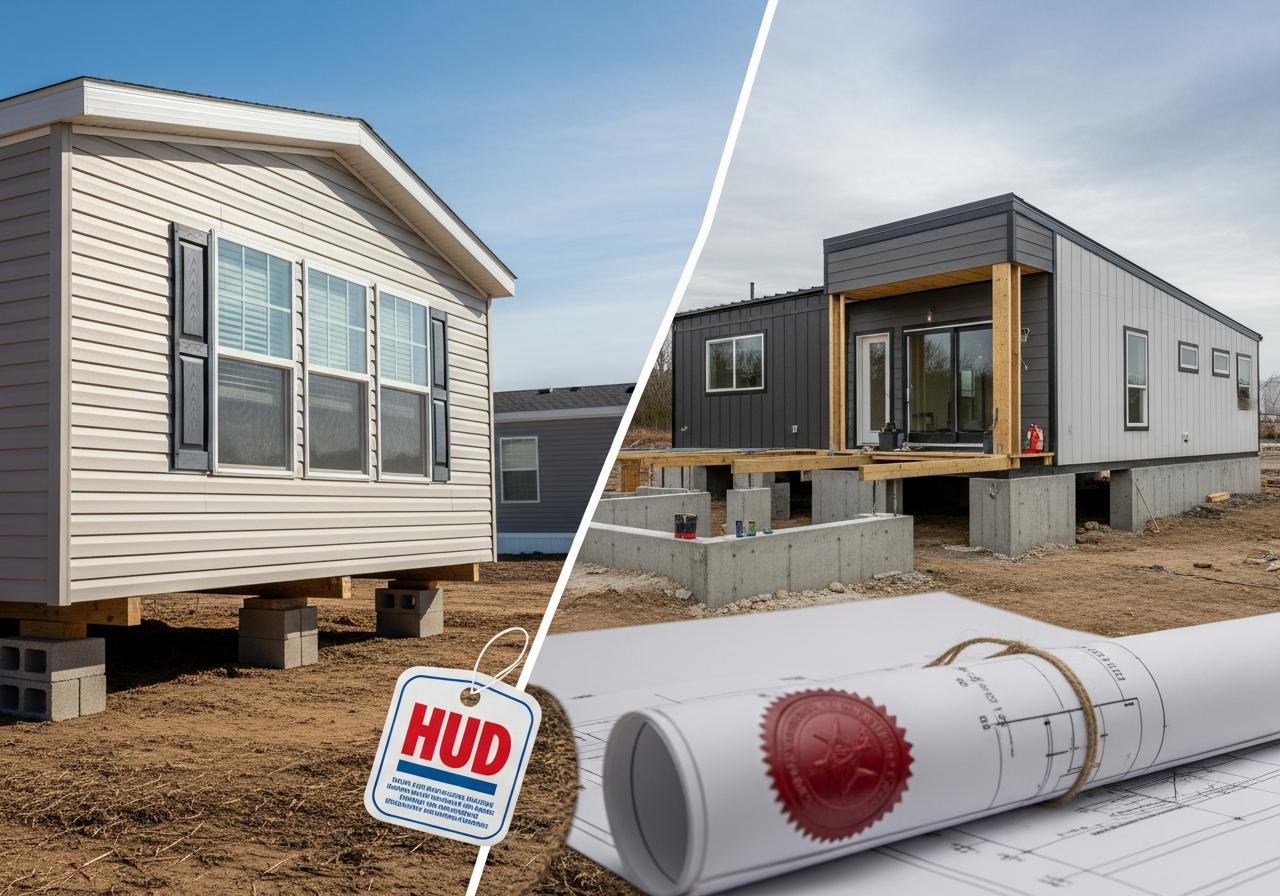
Prefab Homes Meet the HOA World
One homeowner in a quiet suburban corner of Arizona recently ordered what she thought was a dream home sleek, energy-efficient, and delivered in sections from a factory two states away. Everything went smoothly until her homeowners association (HOA) board saw the blueprints. The siding material, they said, didn’t match “community standards.” The roof pitch looked “too modern.” Suddenly her project teetered between innovation and violation.
Across the United States, stories like this are becoming more common. Prefab and modular homes are growing fast not as oddities parked on rural lots but as well-designed houses in established neighborhoods. Yet HOAs, those volunteer-run gatekeepers of curb appeal and order, often have rules that were written long before prefab construction gained today’s architectural credibility.
Homeowners associations exist to preserve property value and harmony within their communities. That’s the theory, at least. In practice, HOA conflicts can flare up when new building methods challenge old assumptions. Some board members still equate “factory-built” with “temporary,” ignoring the fact that modern modular homes are often stronger than site-built ones.
There’s an opportunity here for prefab builders and HOA boards alike to find alignment instead of friction. Prefabrication’s precision, low waste, and high design potential can coexist beautifully with community standards if everyone takes time to understand each other’s goals.
Understanding HOA Rules Before You Build
The first rule of avoiding HOA disputes? Read every word of your governing documents before ordering so much as a floor plan. Covenants, conditions, and restrictions (CC&Rs) spell out what’s allowed materials, colors, setbacks from property lines, even garage orientation. Many disagreements start simply because homeowners never reviewed these rules early enough.
HOA management teams care about predictability: exterior finishes that blend in; rooflines that echo nearby homes; foundations that look permanent rather than portable. If your home arrives on flatbed trucks and cranes lift it into place in hours instead of months, some board members may feel unprepared to evaluate it fairly.
The good news is many HOAs are catching up. Some have added clauses recognizing modern modular or off-site construction methods as fully code-compliant housing rather than manufactured HUD-code homes. When HOAs update their design codes thoughtfully sometimes after discussions with real estate agents or city planning staff they help prevent confusion later.
Transparency matters too. Sharing renderings early builds trust and reduces fear of surprise changes later on. A little communication can save a lot of lawyer fees down the road.
Design Integration: Making Prefab Fit the Neighborhood Aesthetic
Prefab doesn’t mean cookie-cutter anymore. In most cases it means customizable façades built under controlled conditions with less waste and fewer weather delays. Architects skilled in both modular design and neighborhood context often tweak details such as window trim profiles or roof overhangs to echo local traditions.
If your community favors Craftsman-style bungalows or Colonial symmetry, you can still achieve those cues with prefabricated panels or modules. Some manufacturers offer flexible exterior cladding options from fiber cement lap siding to reclaimed wood to meet HOA expectations without losing efficiency benefits.
I once spoke with a homeowner who worked with her designer to subtly mirror neighboring gables while keeping solar-ready south-facing roofs hidden from street view. Her project not only won over skeptical board members but became something of a local showcase for how prefab can respect heritage while embracing technology.
Showing digital 3D renderings or actual material samples during HOA meetings tends to calm nerves quickly. Board members appreciate tangible reassurance that “modern” won’t mean mismatched.
Permits, Foundations, and Technical Compliance
A big part of easing HOA conflicts lies in demystifying technical details especially the difference between modular homes (built to state or local building codes) and manufactured units (governed by federal HUD-code standards). Many disputes arise simply because residents or board members don’t know these distinctions exist.
Your foundation choice matters too: permanent concrete slabs or crawl-space systems signal stability under both state law and HOA bylaws alike. Including engineering certifications proves that what you’re installing meets structural safety requirements identical or superior to traditional builds.
Typical documentation requested by HOAs includes stamped engineering drawings, energy-efficiency data sheets (like HERS ratings), wind-load calculations for roof trusses, and proof of compliance with accessibility provisions such as those inspired by the Fair Housing Act when applicable.
The best prefab manufacturers now maintain internal compliance teams familiar with permitting processes across multiple jurisdictions. They regularly coordinate directly with property management companies or legal counsel representing HOAs another quiet way conflicts get prevented before they begin.
Communication as a Construction Tool
You might think hammers and cranes build houses but talk builds approvals. Involving your HOA board early shows respect for its governance structure while giving you space to educate them about prefab quality control processes: climate-controlled assembly lines reduce human error; tighter seams improve energy performance; shorter site assembly minimizes disruption of common areas shared by residents.
If tensions rise and they sometimes do a calm presentation focusing on durability usually wins sympathy faster than confrontation does. Board members respond well when homeowners show evidence-based pride rather than defensive frustration about perceived stigma around nontraditional materials.
A trick used by seasoned real estate agents working within strict developments: bring side-by-side photos comparing modular interiors to conventional ones so quality speaks visually instead of verbally cluttering meetings filled with paperwork fatigue.
Keep correspondence organized emails dated clearly and confirm verbal agreements in writing after every discussion just in case memory differs later during official minutes review at future HOA meetings.
