



Introduction
Prefab homes have been enjoying a surge in popularity, especially as people seek more efficient and cost-effective ways to own a home. These aren’t your grandparents’ mobile homes; they are sophisticated, well-designed modular homes built to exacting standards. But with this rise in interest comes a wave of misconceptions that we’re here to debunk.
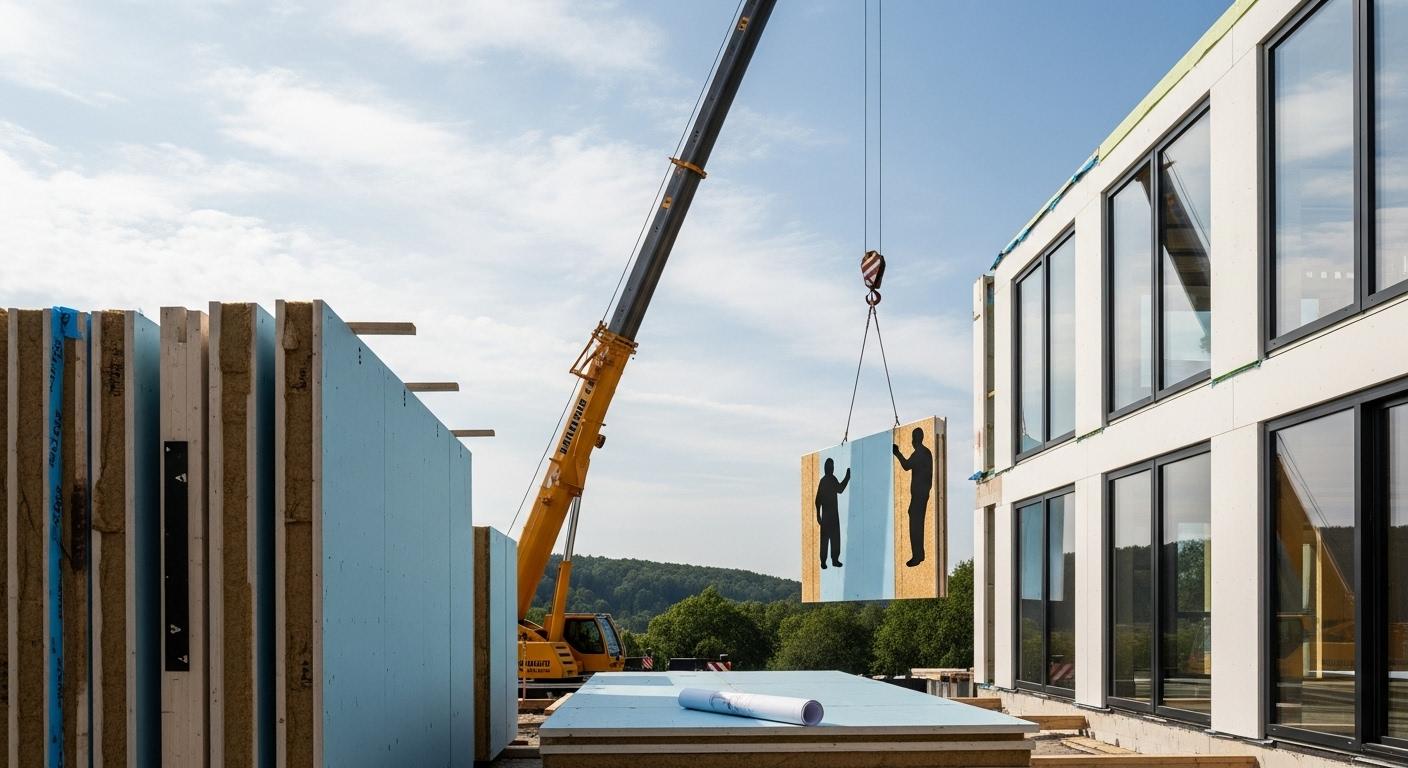
So, what exactly are prefab homes? Simply put, they’re homes that are manufactured off-site in advance, usually in standard sections that can be easily shipped and assembled. There’s a range of prefab homes to consider from modular homes, which are transported and assembled like giant Lego blocks, to panelized homes, which come in pieces that are delivered and put together on-site.
Despite their growing popularity, several myths still cloud the perception of prefab homes. Let’s dive into the ten most common misconceptions and tackle them head-on.
Misconception 1: Prefab Homes are Low-Quality
The notion that prefab homes are synonymous with low quality is a relic of the past. Thanks to advancements in construction materials and techniques, prefab homes today are built with the same, if not better, quality than traditional homes. Think of them as factory-crafted homes where precision is the norm, not the exception.
Quality control in prefab manufacturing is stringent and consistent. Every component, from the roof panels to the window sills, is mass-produced under careful scrutiny, unlike traditional homes where weather can delay construction and compromise quality. For example, a prefab home in Finland has withstood the harsh conditions of a Nordic winter for decades, showcasing durability and longevity.
Misconception 2: Prefab Homes are Only Temporary
Another common myth is that prefab homes are merely temporary shelters glorified tents, if you will. However, prefab homes are increasingly being used for permanent housing solutions worldwide. They’re not just pop-up shelters but well-thought-out homes designed for lasting comfort and sturdiness.
Consider the case of a prefab house in Los Angeles designed by a famous architect that has been standing for over 50 years, still serving as a permanent residence. The architectural designs available for prefab homes today offer a wide range of styles from minimalist modern to cozy cottage all meant for permanent, comfortable living.
Misconception 3: Limited Design Options
It’s easy to imagine that mass-produced equals one-size-fits-all, but that’s far from the truth for prefab homes. The industry has evolved to offer a wide array of designs and styles, allowing homeowners to express their personal tastes freely.
Customization is more accessible than ever, and many prefab companies allow you to tweak floor plans, finishes, and even sustainable features. Take Blu Homes, for example, which lets you modify your floor plan and choose from a palette of colors and materials, ensuring your home feels uniquely yours. Notable architects like Michelle Kaufmann have also ventured into prefab design, blending aesthetic flexibility with modern building techniques to create stunning modular homes.
Misconception 4: Prefab Homes are Not Energy Efficient
If energy efficiency is a concern, prefab homes have you covered. In many cases, they surpass traditional homes in energy performance. Prefab homes often come equipped with energy-efficient features, such as superior insulation, advanced HVAC systems, and even solar panel options.
These homes are crafted with sustainable building practices, significantly lowering your carbon footprint. Consider a prefab home from Sweden, which showcases a 30% reduction in energy use compared to a similar-sized traditional home. With rising energy costs, this efficiency can translate into substantial savings over time.
Misconception 5: Zoning Laws and Regulations are Always Complex
Though zoning laws and regulations may seem like a labyrinth, they’re not as daunting as they appear. Navigating local building codes for prefab homes is manageable with the right guidance. It’s about understanding your local zoning requirements, which often aren’t considerably different from those for traditional homes.
Some cities even encourage prefab solutions to address housing shortages, offering faster approvals than for traditional builds. For instance, Portland has championed the use of ADUs (Accessory Dwelling Units), many of which are prefab, to increase affordable housing options within city limits.
Misconception 6: Prefab Homes are More Expensive Than Traditional Homes
Cost is often a sticking point, but the belief that prefab homes are pricier doesn’t hold up under scrutiny. In many instances, they’re more affordable. The cost of a prefab home is often lower due to efficiencies in the manufacturing process, reduced labor costs, and shorter construction times.
Additionally, the long-term financial benefits, such as reduced utility bills from energy efficiency, make prefab homes a wise investment. Projects like the Emerald Village in Eugene, Oregon, show that prefab housing can be economically advantageous, providing affordable homes without sacrificing quality or comfort.
Misconception 7: Prefab Homes are Not Safe
Safety concerns are understandable, but prefab homes are built with robust safety measures. They undergo rigorous testing and must comply with the same building codes as any traditional home. Prefab homes can be designed to withstand harsh weather conditions, including storms and earthquakes.
In fact, many prefab homes come with certifications ensuring they meet or exceed safety standards. Data shows that prefab homes can endure natural disasters with equal, if not greater, resilience than traditionally built homes, thanks to their sturdy construction and quality materials.
Misconception 8: Prefab Homes Have Poor Resale Value
Worried about resale value? Prefab homes hold up well compared to traditional homes, and their resale value is often influenced by the same factors: location, condition, and market demand.
Historical data shows that well-maintained prefab homes can appreciate in value just like their traditional counterparts. To boost resale value, consider periodic upgrades and maintaining your home’s curb appeal. Keeping these in mind can ensure that your investment holds strong in the market.
In summary, prefab homes offer a compelling alternative to traditional housing, providing durability, customization, and energy efficiency all while debunking the myths that have long overshadowed them. As the market continues to evolve, these homes are proving to be not only a viable option but a smart choice for modern living.
