



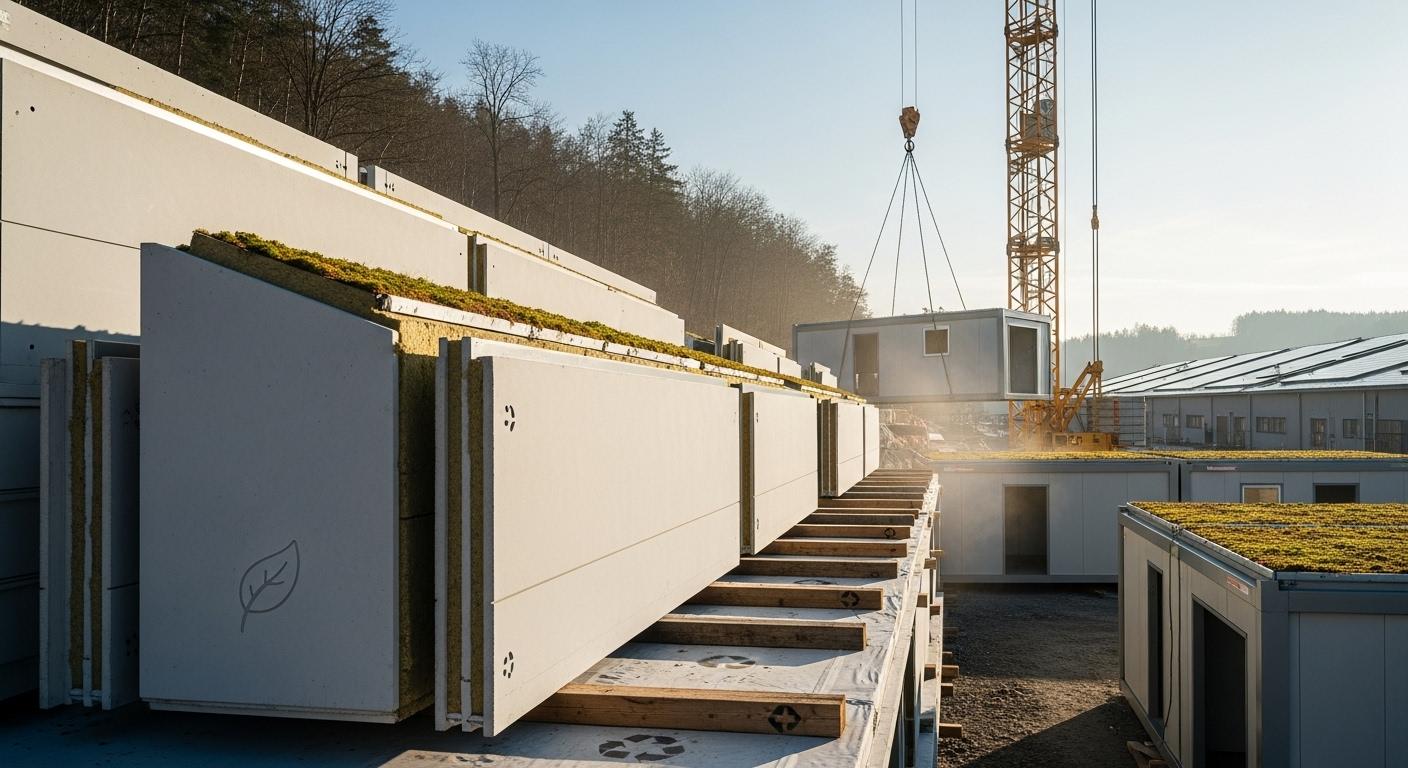
Introduction to Prefab Construction
Prefab construction is like the Lego of the building world each piece is carefully designed and manufactured offsite, then assembled swiftly on location. Prefabrication, as it’s formally known, traces its roots back to the 19th century, when settlers in California ordered homes in flat-packed kits from England. Today, it’s enjoying a renaissance. In a world that’s becoming more conscious of sustainability and efficiency, the charm of prefab homes and modular buildings is irresistible.
So, why the surge in popularity? Partly, it’s the pace of modern life, demanding quicker and less intrusive construction. But it’s also about quality and sustainability, as precision-engineered components often translate to fewer extra materials and reduced waste. The construction industry, traditionally slow to change, is starting to embrace this new old way of building.
Reduction in Construction Waste
Picture a traditional construction site: piles of unused materials, sawdust, and packaging waste sprawled across the area. It’s a significant challenge conventional construction methods often lead to a staggering amount of waste, affecting budgets and landfills. Prefab construction tackles this problem head-on by using precision engineering to minimize waste.
In a controlled factory environment, each piece is crafted with care, ensuring minimal excess. This approach leads to fewer materials ending up in landfills, alleviating some of the pressure on our waste management systems. The result? A construction process kinder to our planet and our wallets.
Energy Efficiency in Production
Imagine a bustling factory setting, not unlike Willy Wonka’s chocolate factory, but instead of sweets, it churns out prefabricated construction components. These controlled environments are optimized for energy savings, using significantly less energy than traditional construction processes.
By integrating energy-efficient materials from the get-go, prefab structures are set up for a lifetime of energy efficiency. Over time, the environmental benefits of such structures are considerable, contributing to lower energy consumption and a reduced carbon footprint. It’s a win-win for builders and homeowners alike, blending savings with sustainability.
Minimization of Transportation Emissions
Traditional construction sites are bustling hubs of activity, with frequent traffic of materials and workers leading to significant carbon emissions. Prefab construction sidesteps this by transporting large, complete sections rather than raw materials. This not only cuts down on construction site traffic but also reduces the number of trips needed, lowering emissions.
The result is fewer vehicles on the road, translating to a reduced carbon footprint and a step toward cleaner air. It’s a practical shift that aligns with a greater efficiency ethos within the industry.
Sustainable Material Use
One of prefab construction’s standout features is its commitment to sustainability. These structures often incorporate eco-friendly materials, like reclaimed wood and recycled steel, which are both durable and stylish. Plus, the focus on sustainable and renewable materials supports the circular economy, aiming to keep products and materials in use as long as possible.
Prefabricated construction also allows for easy recyclability of structures at the end of their lifecycle, further contributing to environmental benefits. It’s a practical approach marrying sustainability with design.
Improved Site Safety and Reduced Pollution
Prefab construction doesn’t just benefit the environment it’s also kinder to the workers. Assembling large parts in a factory setting minimizes the risks associated with traditional construction sites, where unforeseen variables can lead to accidents.
Moreover, because much of the noisy work is done offsite, urban areas experience less noise pollution. The controlled nature of the factory environment also means less dust and emissions, which positively impacts air quality. It’s about more than just buildings it’s about creating healthier urban settings.
Conclusion
Prefab construction offers a compelling range of environmental benefits, from reduced construction waste and energy-efficient production to sustainable material use and improved site safety. It challenges the traditional construction approach, offering a path that’s not only innovative but kinder to our planet.
As we look to the future of architecture and urban planning, the adoption of prefab homes and modular home solutions seems not just beneficial but necessary. By embracing these practices, we’re building more than homes; we’re constructing a legacy of sustainability.
