



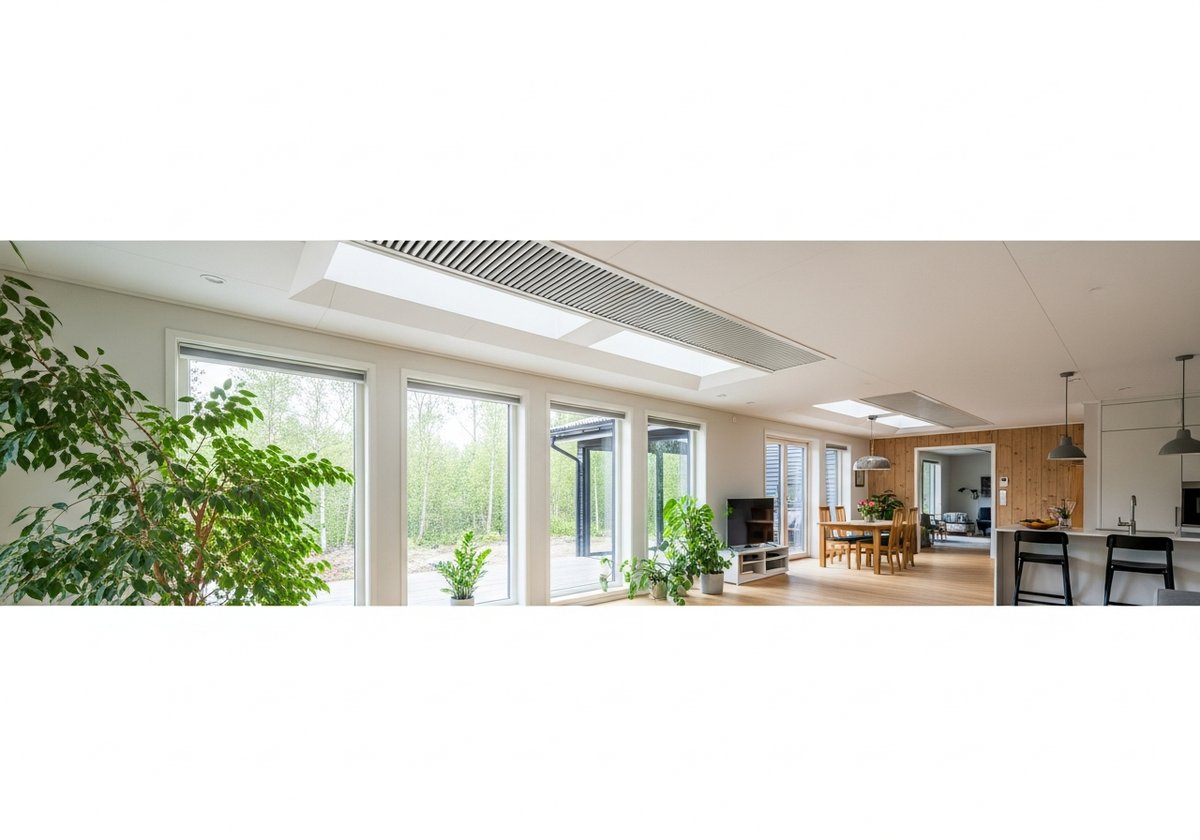
Imagine sealing every gap in your house with foam, wrapping it in layers of insulation, and making it almost completely airtight. Sounds like an energy efficiency dream, right? It is – until you realize you’ve also sealed in every breath, every cooking fume, every trace of off-gassing from furniture and flooring. That’s the paradox at the heart of modern prefab home construction, and it’s why ventilation isn’t just a technical footnote. It’s one of the most important decisions you’ll make as a prefab homeowner.
Prefab homes are, by design, built tighter than most site-built homes. Factory construction means precision-cut panels, controlled adhesives, and seals that don’t shift or settle the way a traditionally framed wall might. The result is a structure that holds heat beautifully in winter and stays cool in summer – but that same envelope can quietly trap pollutants, moisture, and stale air if ventilation isn’t thoughtfully planned from the start.
This guide walks through how ventilation works in prefab homes, why it matters more than most buyers realize, and what practical solutions are available to keep the air inside your home genuinely healthy.
Why Tight Homes Need Smarter Air Management
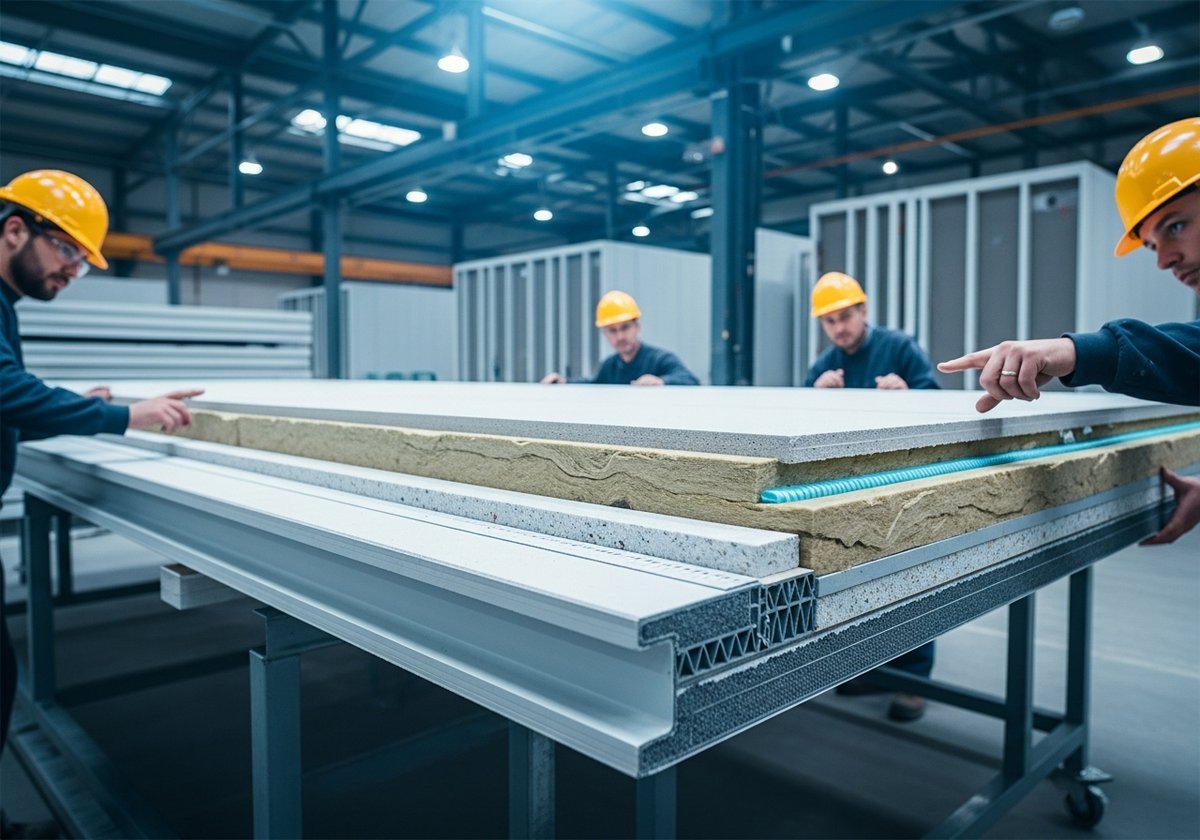
Traditional site-built homes were, frankly, leaky. Air seeped in through gaps around windows, electrical outlets, and poorly fitted framing. That uncontrolled infiltration was inefficient, but it also meant the house was constantly exchanging a small amount of fresh outdoor air for stale indoor air. Modern prefab construction eliminates most of that natural leakage – and that’s largely a good thing. But it shifts the responsibility for fresh air from passive chance to active design.
Indoor air quality in a sealed home can actually be worse than outdoor air in many urban environments. The EPA has estimated that indoor air can be two to five times more polluted than the air outside, thanks to compounds released from adhesives, paints, synthetic materials, cleaning products, and ordinary human activity like cooking and breathing. In a well-sealed prefab, those compounds have nowhere to go unless ventilation systems actively push them out.
This is especially relevant for prefab homes because many are built using engineered wood products, composite panels, and modern insulation materials that can release volatile organic compounds (VOCs) during their early lifespan. Understanding how your home was built – including what materials were used – is one reason it’s worth reading about the prefab home construction process from factory to foundation before moving in.
The Three Types of Ventilation Every Prefab Homeowner Should Know
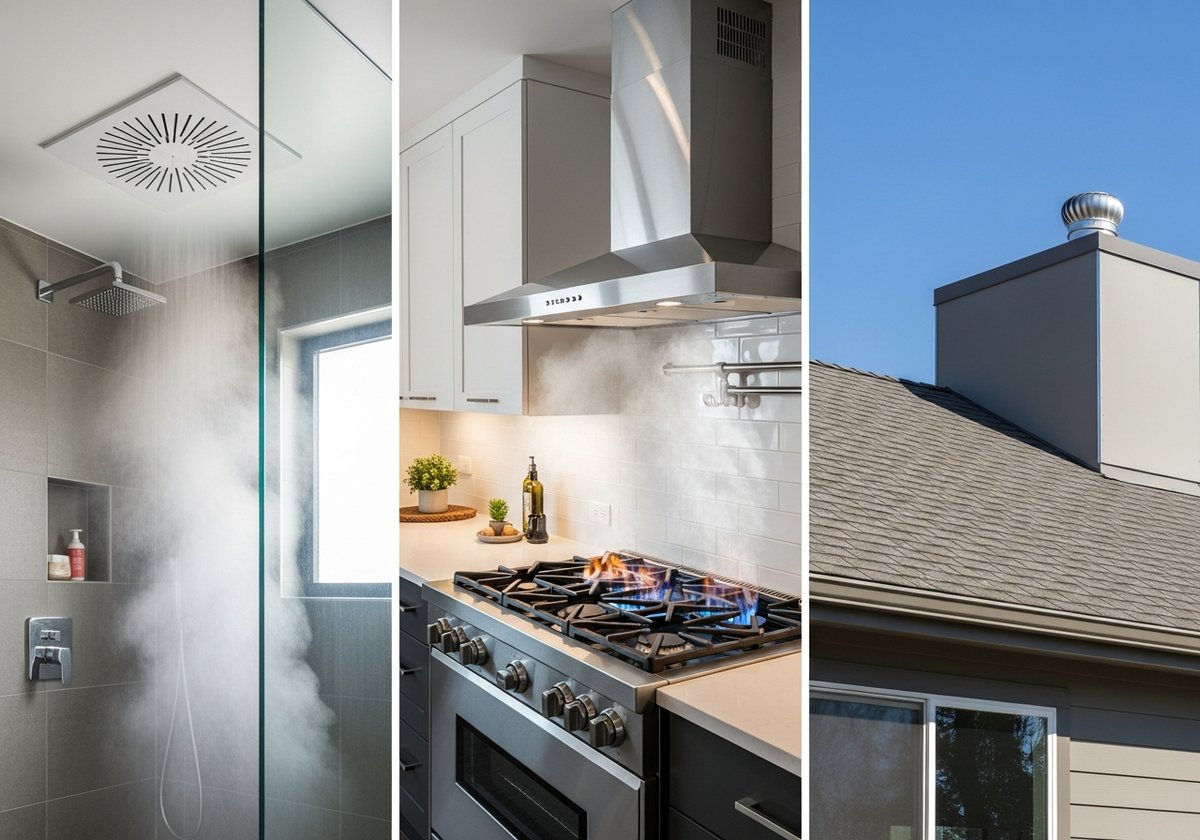
There are three distinct ventilation strategies used in residential buildings, and prefab homes typically benefit from a combination of all three.
Spot Ventilation
Spot ventilation targets specific high-moisture or high-pollutant areas, most commonly bathrooms and kitchens. Exhaust fans pull humid air out after a shower or cooking smoke out during meal prep. These are the minimum requirement in any home, and building codes generally mandate them. In a tight prefab, however, running an exhaust fan for ten minutes isn’t enough to maintain overall air quality. It’s a first line of defense, not a complete strategy.
Whole-House Ventilation
This is where prefab homes really diverge from older housing stock. Whole-house ventilation systems are designed to continuously or periodically exchange indoor and outdoor air across the entire building. The three main approaches are exhaust-only systems (which pull air out and allow outdoor air to seep in through controlled openings), supply-only systems (which push fresh air in), and balanced systems (which do both simultaneously). Balanced systems are considered the gold standard for tight, high-performance homes.
Natural Ventilation
Operable windows, skylights, and cross-ventilation paths allow homeowners to flush a home with fresh air when outdoor conditions permit. Prefab designs that incorporate smart window placement – particularly with prevailing wind patterns in mind – can reduce the load on mechanical systems significantly. If you’re exploring homes with clever spatial strategies, how prefab homes maximize every square foot covers how smart layout decisions support both livability and airflow.
Heat Recovery Ventilators and Energy Recovery Ventilators: The Prefab Standard
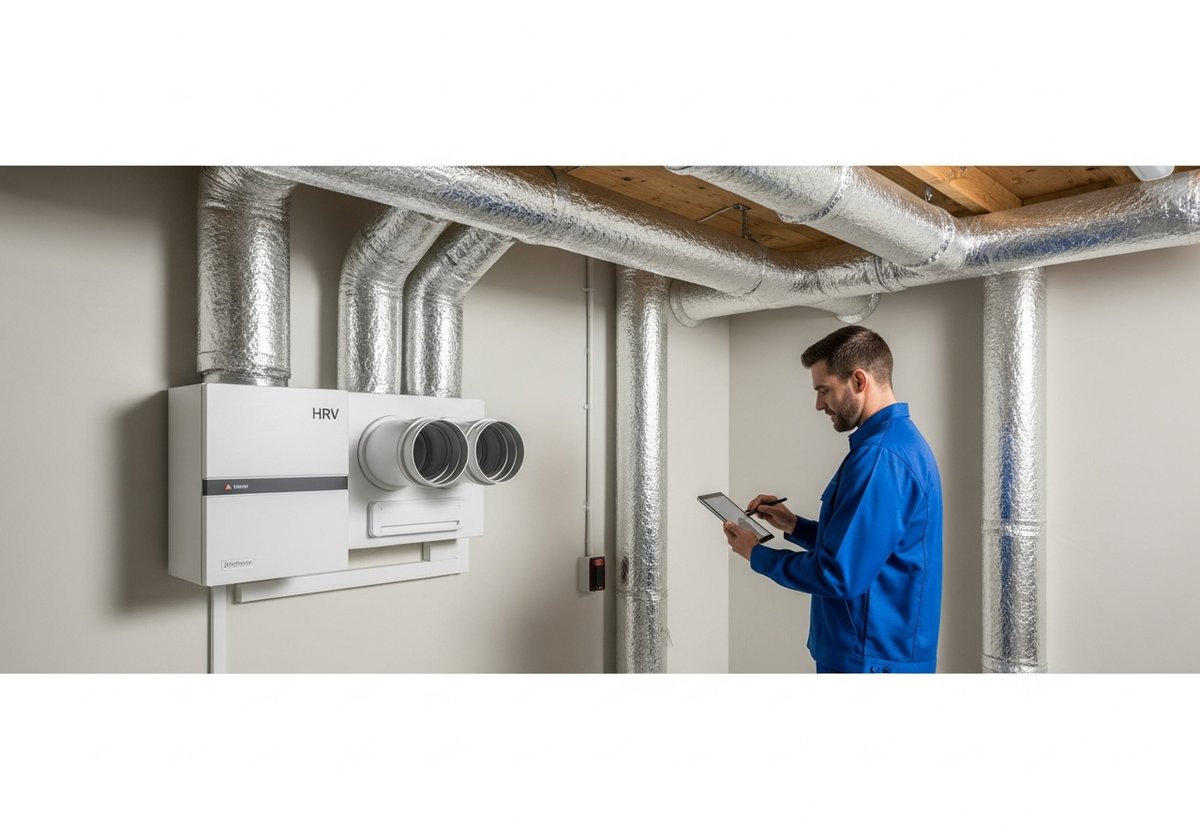
If there’s one ventilation technology that has become synonymous with high-performance prefab construction, it’s the heat recovery ventilator (HRV) or its close relative, the energy recovery ventilator (ERV). Both systems exchange stale indoor air with fresh outdoor air while transferring thermal energy between the two airstreams. In practical terms, you get fresh air without losing the heat or cool you’ve already paid for.
An HRV is typically preferred in cold climates where heating dominates. It recovers heat from outgoing stale air and uses it to pre-warm incoming fresh air, achieving efficiencies of 70 to 90 percent in many models. An ERV does the same but also transfers humidity, making it better suited for hot, humid climates where you want to limit moisture entering the building.
Several premium prefab builders now include HRV or ERV systems as standard equipment. Dvele, for example, has made whole-house mechanical ventilation a core part of its healthy home platform. If you’re evaluating builders on this front, the Dvele Homes review covering cost, process, and customer feedback offers useful insight into how one leading manufacturer approaches indoor air quality as a design priority.
HVAC Options for Prefab Homes: Choosing the Right System
Ventilation and HVAC are related but distinct. Heating and cooling systems condition the air already inside the home; ventilation systems manage the exchange of that air with the outside. In prefab homes, the two systems often need to work together, and the choice of HVAC architecture affects how ventilation integrates.
Mini-split systems have become popular in prefab homes because they’re efficient, require no ductwork, and can be zoned by room. However, ductless systems don’t inherently provide fresh air – they simply recirculate and condition what’s already inside. This makes a dedicated ventilation system like an HRV or ERV even more important when you choose a mini-split setup.
Ducted systems can often integrate ventilation directly into the air handling unit, pulling in a controlled percentage of fresh outdoor air with every cycle. This simplifies the system but introduces ductwork that requires regular cleaning to prevent accumulation of dust, mold spores, and allergens.
Smart home technology is increasingly used to monitor and control both HVAC and ventilation in real time. CO2 sensors can trigger ventilation boosts when indoor carbon dioxide levels rise, while humidity sensors can activate dehumidification before moisture becomes a mold risk. For a broader look at how connected systems are changing prefab living, the article on smart home tech for prefab homes breaks down which investments deliver real value in 2025.
Practical Tips for Improving Airflow in Your Prefab Home

Not every ventilation solution requires a major system installation. Many homeowners can meaningfully improve prefab home air quality with targeted, affordable steps:
- Run bathroom exhaust fans for at least 20 minutes after showering to fully clear moisture, not just odors.
- Use the range hood every time you cook, even for low-heat tasks. Cooking is one of the biggest sources of particulate matter in residential indoor air.
- Choose low-VOC or zero-VOC paints, sealants, and adhesives for any interior finishing or renovation work.
- Keep air filters in HVAC systems clean and replace them on schedule – typically every 60 to 90 days in occupied homes.
- Open windows strategically during mild weather to cross-ventilate, positioning openings on opposite sides of the home to encourage airflow through the space.
- Avoid storing chemicals, cleaning products, or solvents inside the living envelope; a sealed garage or outdoor shed is preferable.
- Monitor indoor humidity levels and keep them between 30 and 50 percent to discourage mold growth and dust mite populations.
Frequently Asked Questions About Ventilation in Prefab Homes
Do prefab homes have worse air quality than site-built homes?
Not inherently, but the risk is higher without proper planning. Because prefab homes are built tighter than most traditional homes, pollutants can concentrate more quickly if ventilation systems aren’t in place. The good news is that factory-built construction also makes it easier to install and seal ventilation systems correctly from the start.
What is the best ventilation system for a prefab home?
- A balanced system – either an HRV or ERV – combined with spot ventilation in kitchens and bathrooms is the most recommended setup for tight prefab construction.
- HRVs are better for cold climates; ERVs perform better in hot, humid regions.
- Mini-split HVAC users should always pair their system with a dedicated whole-house ventilation unit.
How do I know if my prefab home is under-ventilated?
- Persistent condensation on windows or walls, especially in winter.
- Musty odors that don’t clear after cleaning.
- Frequent headaches, fatigue, or respiratory irritation that improve when you spend time outdoors.
- CO2 monitor readings consistently above 1,000 parts per million during normal occupancy.
Can I add an HRV or ERV to an existing prefab home?
Yes. Retrofit installations are common and can be performed by HVAC contractors experienced with residential ventilation. The complexity depends on whether your home already has ductwork and how accessible the attic or crawlspace is for routing ventilation pipes.
How does humidity control relate to ventilation in prefab homes?
Moisture management is one of the primary jobs of a good ventilation system. Too much humidity encourages mold and dust mites; too little causes respiratory irritation and can damage wood components. An ERV helps balance humidity while exchanging air, making it especially valuable in climates with extreme seasonal humidity swings.
Are there building code requirements for ventilation in prefab homes?
Yes. Most jurisdictions follow ASHRAE Standard 62.2, which specifies minimum mechanical ventilation rates for residential buildings based on floor area and number of bedrooms. HUD-code manufactured homes have their own ventilation requirements. Always verify compliance with your local building department or builder.
Sources
- U.S. Environmental Protection Agency – Indoor Air Quality
- ASHRAE Standard 62.2: Ventilation and Acceptable Indoor Air Quality in Residential Buildings
- U.S. Department of Energy – Whole-House Ventilation Systems
- Building Science Corporation – Moisture and Ventilation Research
