



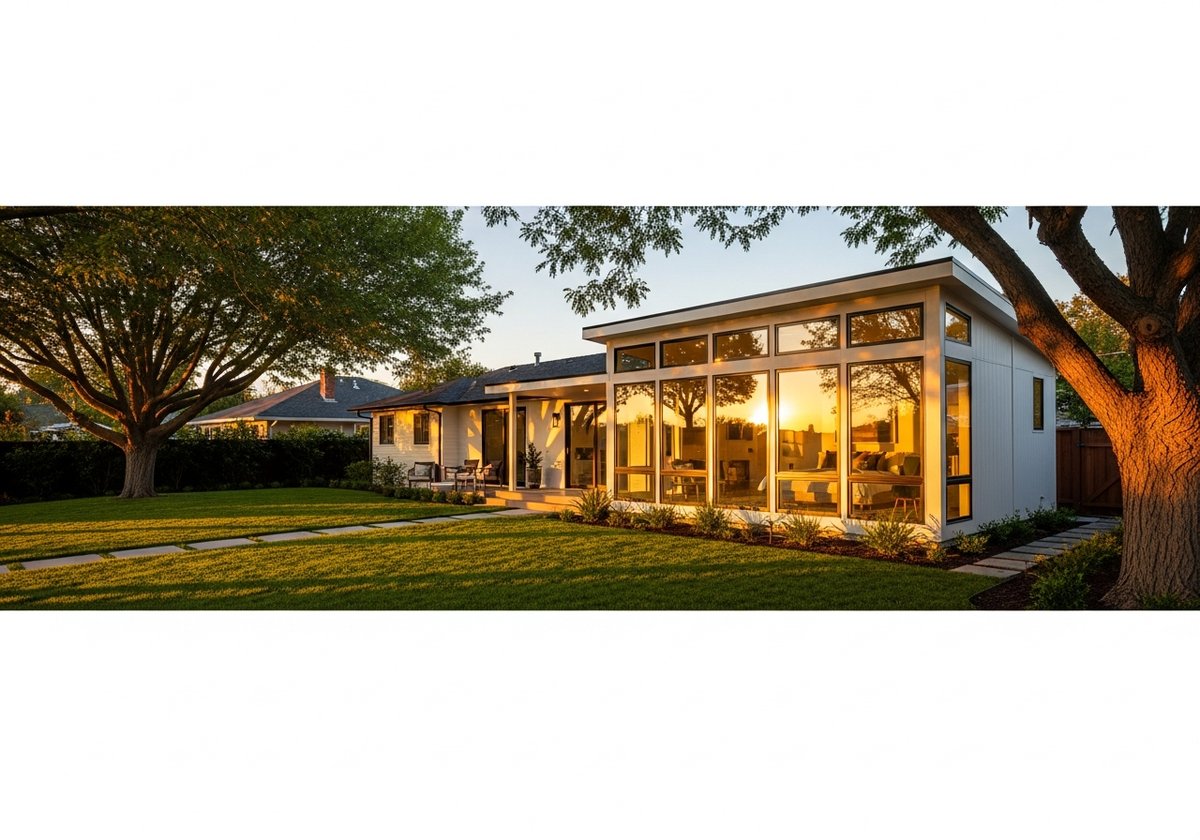
Here is a question more homeowners are asking as housing costs climb and lot space gets squeezed: if I add a small unit to my backyard, will my property actually be worth more when I sell? The short answer is yes – almost always. But the longer answer involves understanding how much more, under what conditions, and whether a prefabricated accessory dwelling unit delivers better returns than a traditionally built one. Spoiler: it often does.
Accessory dwelling units have gone from niche curiosity to mainstream strategy in just a few years, especially across high-cost states like California, Colorado, and Washington. Prefab versions – built in controlled factory settings and assembled on-site in weeks rather than months – are accelerating that trend. They cost less, waste less, and get finished faster. And when it comes to resale value, they carry a compelling case worth examining seriously.
What the Numbers Actually Say About ADU Home Value

A widely cited study by the University of California, Berkeley found that homes with ADUs in Los Angeles sold for an average of 35 percent more than comparable properties without them. Research from Freddie Mac found similar patterns nationally, with ADU-equipped homes commanding a price premium of roughly 25 to 34 percent in markets where rental demand is strong.
On a home valued at $700,000, a 30 percent premium translates to $210,000 in added value. Even in more modest markets, premiums in the 15 to 20 percent range are common when the ADU is habitable, permitted, and move-in ready.
The key phrase there is “permitted and move-in ready.” Appraisers and buyers respond most strongly to ADUs that are fully legal, connected to utilities, and clearly usable as a living space. A partially finished structure or an unpermitted shed conversion does almost nothing for your resale price – and can actually hurt it.
Why Prefab ADUs Are Particularly Well-Positioned
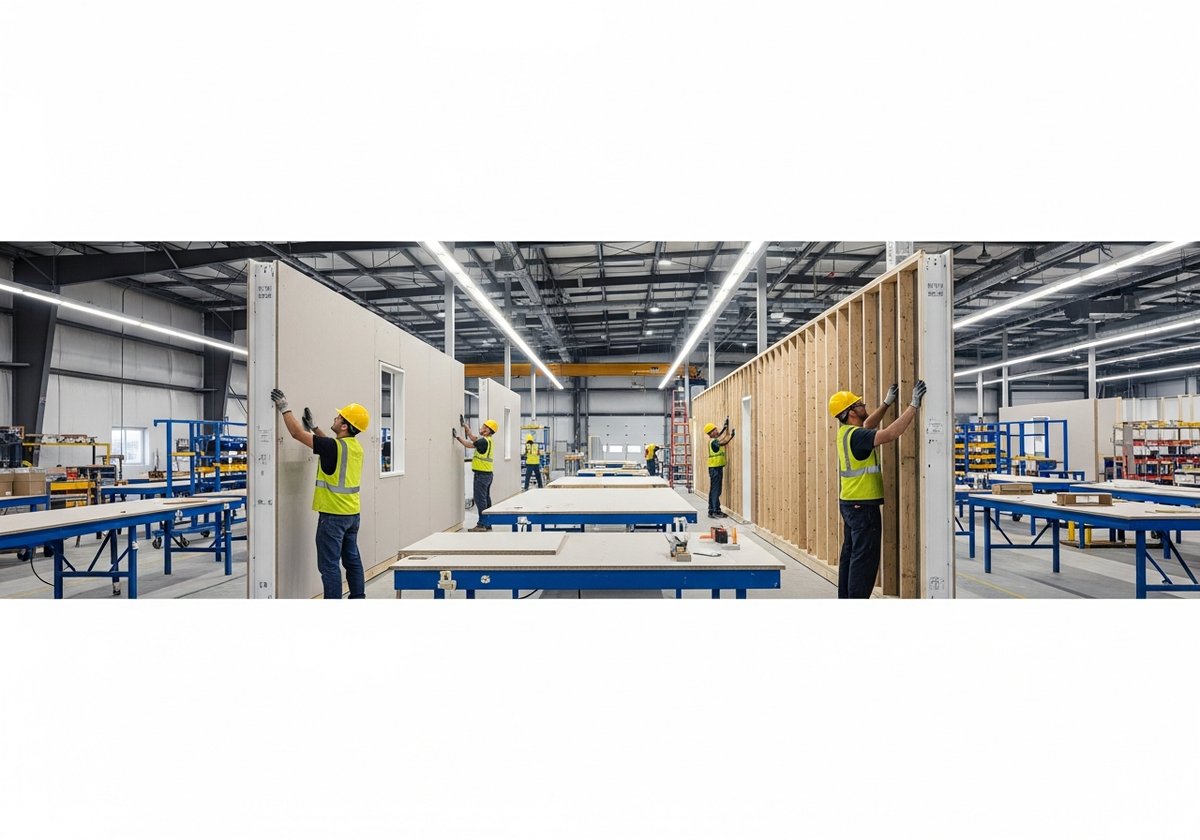
Not all ADUs are created equal from a resale standpoint. Prefab ADUs have several built-in advantages that make them especially attractive to future buyers.
First, quality consistency. Because prefab units are manufactured in controlled factory environments, material tolerances are tighter, insulation is more uniform, and finish quality tends to be more predictable than site-built construction. Second, speed to market. Prefab ADUs can be permitted, delivered, and installed in as little as three to six months in many jurisdictions – important if you plan to sell within two to four years. Third, documentation. Prefab manufacturers typically provide detailed specs, energy performance data, and warranty packages that appraisers can use to support higher valuations.
If you are still deciding which route to take, comparing prefab vs. traditional ADUs can help you understand which construction method fits your timeline, budget, and resale goals.
The Rental Income Factor: A Compounding Return
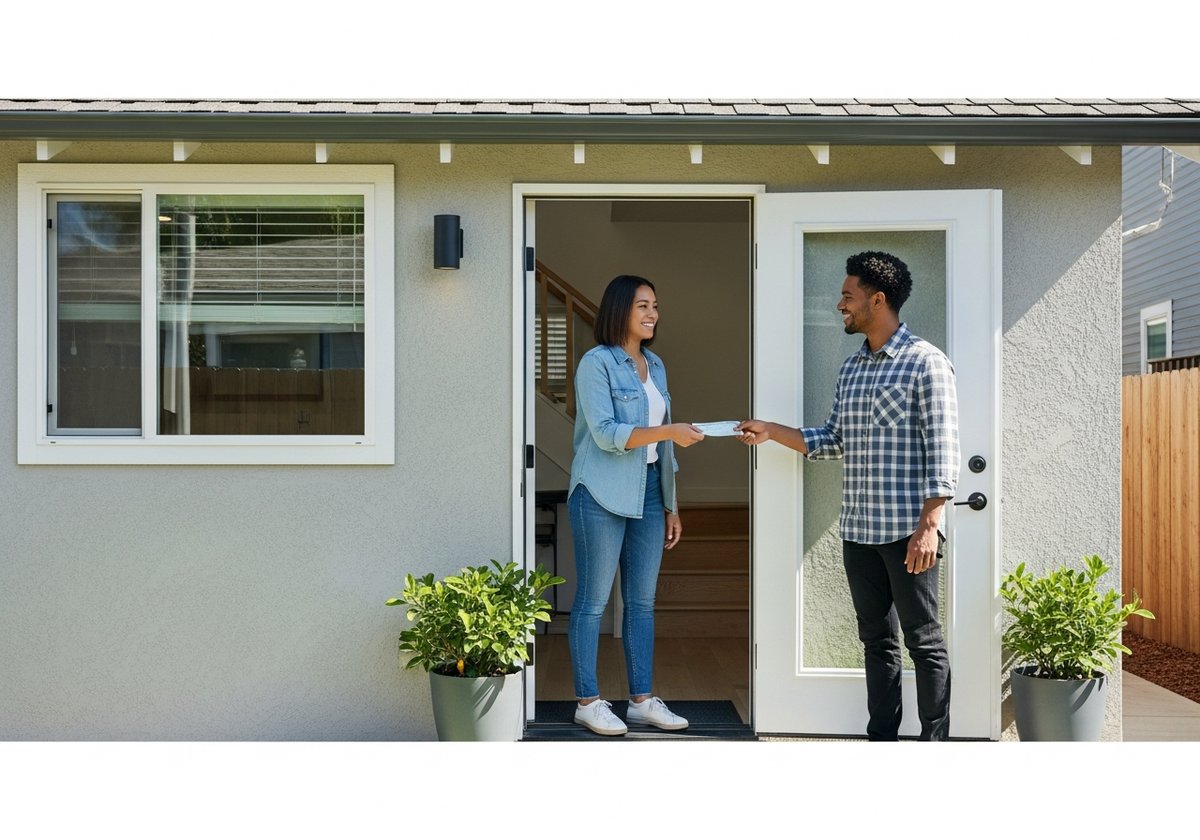
Resale value is not the only way an ADU pays you back. In most markets, a well-designed ADU can generate $1,500 to $3,500 per month in rental income. Over five years, that is $90,000 to $210,000 in gross revenue – often exceeding the original construction cost before you ever put the home on the market.
When you eventually sell, buyers are not just purchasing a house. They are purchasing a house that comes with an income-generating asset. That distinction supports a meaningfully higher asking price, and buyers who understand real estate economics will pay for it willingly.
For homeowners focused specifically on rental yield, the best prefab ADUs for rental income in California covers units optimized for compact footprints, efficient layouts, and finishes that hold up to tenant use.
Prefab ADU Cost vs. Value: Running the Real Numbers
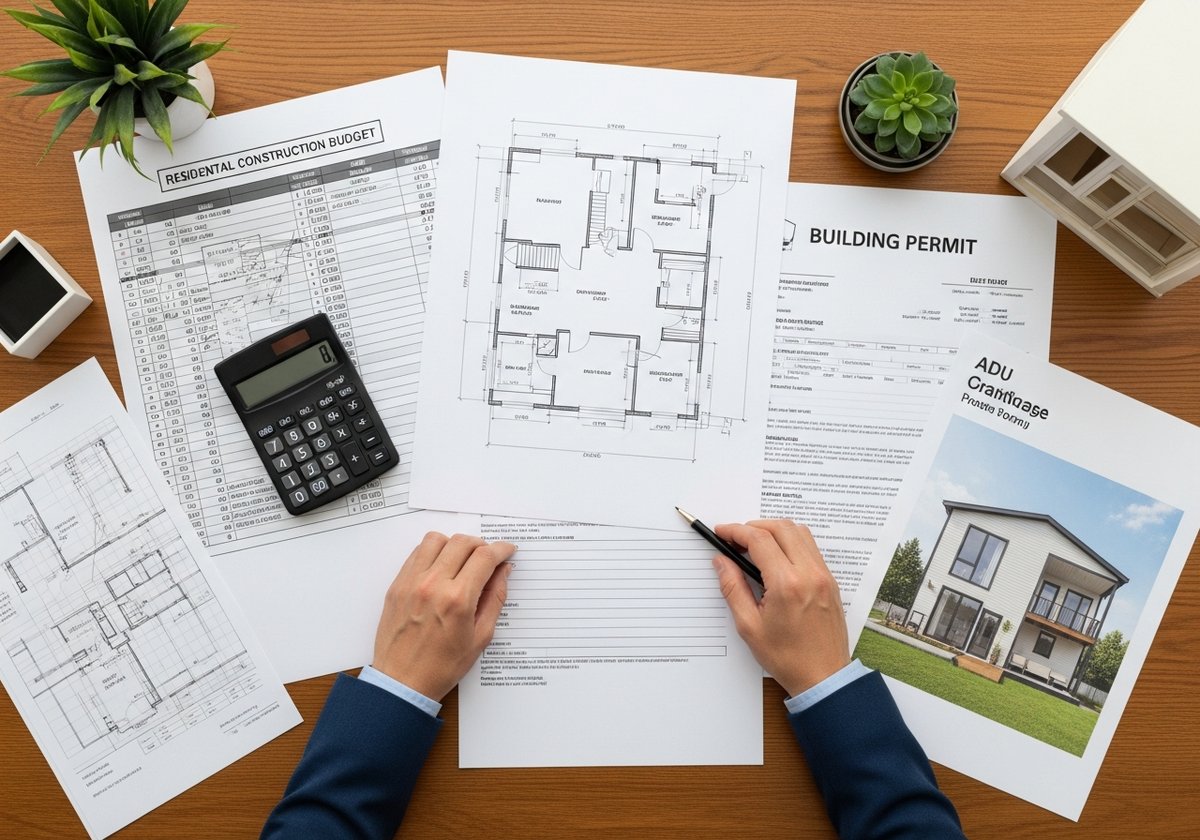
A prefab ADU in California typically runs between $150,000 and $350,000 all-in, including site preparation, permitting, utility connections, and installation. Smaller studio units can come in under $120,000; larger two-bedroom units with premium finishes can push past $400,000. For a detailed breakdown by unit size and region, the 2025 prefab ADU cost breakdown for California separates hard costs from soft costs and explains what drives price variation across manufacturers and jurisdictions.
Now compare those costs to the value added. If a $220,000 ADU investment increases your home’s sale price by $250,000 to $300,000 – and generates $80,000 in rental income during the years you own it – the total financial return can be substantial even after accounting for taxes, maintenance, and financing. That is a return profile most home improvement projects cannot match. Kitchens and bathrooms remodel at roughly 60 to 70 cents on the dollar. ADUs in high-demand markets routinely return dollar-for-dollar or better – and keep generating income while you own them.
Market Conditions That Strengthen (or Weaken) ADU Value
ADUs add the most value in markets where housing supply is constrained, rental demand is high, and multigenerational living is common. Urban infill neighborhoods in California, the Pacific Northwest, and the Mid-Atlantic tend to see the strongest premiums. Markets where ADUs add less value tend to be rural areas with abundant housing supply, or places where zoning restrictions limit who can legally rent the unit.
Local buyer demographics matter too. In markets with significant numbers of multigenerational families, buyers will pay a premium for a structure that can house an aging parent or an adult child. In areas popular with real estate investors, the rental income calculation dominates. Understanding your local buyer pool helps you position the ADU correctly when you sell.
Equity Building Before You Sell
One underappreciated benefit of adding an ADU is what it does to your home equity position immediately – not just at sale. Most lenders will recognize the improved value of a permitted, completed ADU in a refinance or home equity line of credit, meaning you may be able to pull equity from the improved value relatively quickly after completion.
This creates a useful financial loop: use a home equity product to fund part of the ADU build, complete the unit, refinance at the new appraised value, and use rental income to service the debt. That structure is explored in resources covering creative ADU financing approaches, including shared equity arrangements and co-living models that reduce out-of-pocket exposure.
What Buyers Are Actually Looking For
Real estate agents who work in ADU-dense markets consistently report that buyers ask about ADUs early in the search process. The questions cluster around a few themes: Is it permitted? Is it separately metered? Does it have its own entrance? Can it generate rental income immediately? Prefab ADUs tend to score well on all of these. Because they are engineered as standalone living units, they typically arrive with their own electrical panels, HVAC systems, and plumbing rough-ins.
Design quality matters here too. An ADU that feels like a thoughtfully designed small home – with real windows, good insulation, and functional storage – commands a premium over one that feels like a converted garage.
Frequently Asked Questions About Prefab ADU Resale Value
Does an ADU always increase resale value?
Almost always, but the size of the premium depends on your market, the quality of the unit, and whether it is fully permitted. In high-demand urban markets, premiums of 25 to 35 percent are well-documented. In lower-demand rural areas, the impact is smaller but still generally positive.
How much value does a prefab ADU add compared to a site-built one?
Appraisers and buyers typically evaluate ADUs based on condition, size, and permitted status – not construction method. Prefab units often arrive with better documentation and more consistent finish quality, which can support stronger appraisals. The construction method matters less than the finished result.
What is a typical return on investment for a prefab ADU?
- Rental income return: $1,500 to $3,500 per month in most California markets
- Resale value premium: 25 to 35 percent in high-demand areas
- Combined ROI over five years: often exceeds total construction cost in strong markets
- Traditional home improvement projects rarely match this return profile
Does a prefab ADU need to be permitted to add value?
Yes – this is non-negotiable. Unpermitted structures can actually reduce resale value and create legal liability for sellers. Always confirm permits are fully closed before listing your property.
How long does it take a prefab ADU to pay for itself?
In California markets with strong rental demand, many homeowners recoup construction costs within five to eight years through rental income alone, before accounting for any resale premium. Lower-cost prefab units in high-rent areas can achieve payback in as little as three to four years.
Can I finance the ADU using my existing home equity?
Yes. Home equity lines of credit, cash-out refinancing, and construction loans are all common vehicles. Some lenders now offer ADU-specific loan products. The completed ADU will also support a higher appraised value, improving your refinancing position after construction.
Does adding a prefab ADU affect property taxes?
Generally yes – an ADU adds assessed value to your property, which increases property taxes. However, the rental income and resale premium typically offset this cost comfortably. Consult your local assessor’s office for specifics, since reassessment rules vary by state and county.
Are there markets where an ADU does not add significant value?
In areas with very low housing costs, abundant inventory, and weak rental demand, ADU premiums are smaller. Markets with restrictive short-term rental regulations can also limit income potential. Research your local market and zoning rules before committing to the investment.
Sources
- University of California, Berkeley: Terner Center for Housing Innovation – ADU Research Program
- Freddie Mac: Accessory Dwelling Units: A Step Towards Easing the Housing Supply Shortage (2020)
- Remodeling Magazine: Cost vs. Value Report (2024)
- California Department of Housing and Community Development: ADU Handbook
- National Association of Realtors: Home Buyers and Sellers Generational Trends Report (2024)
