



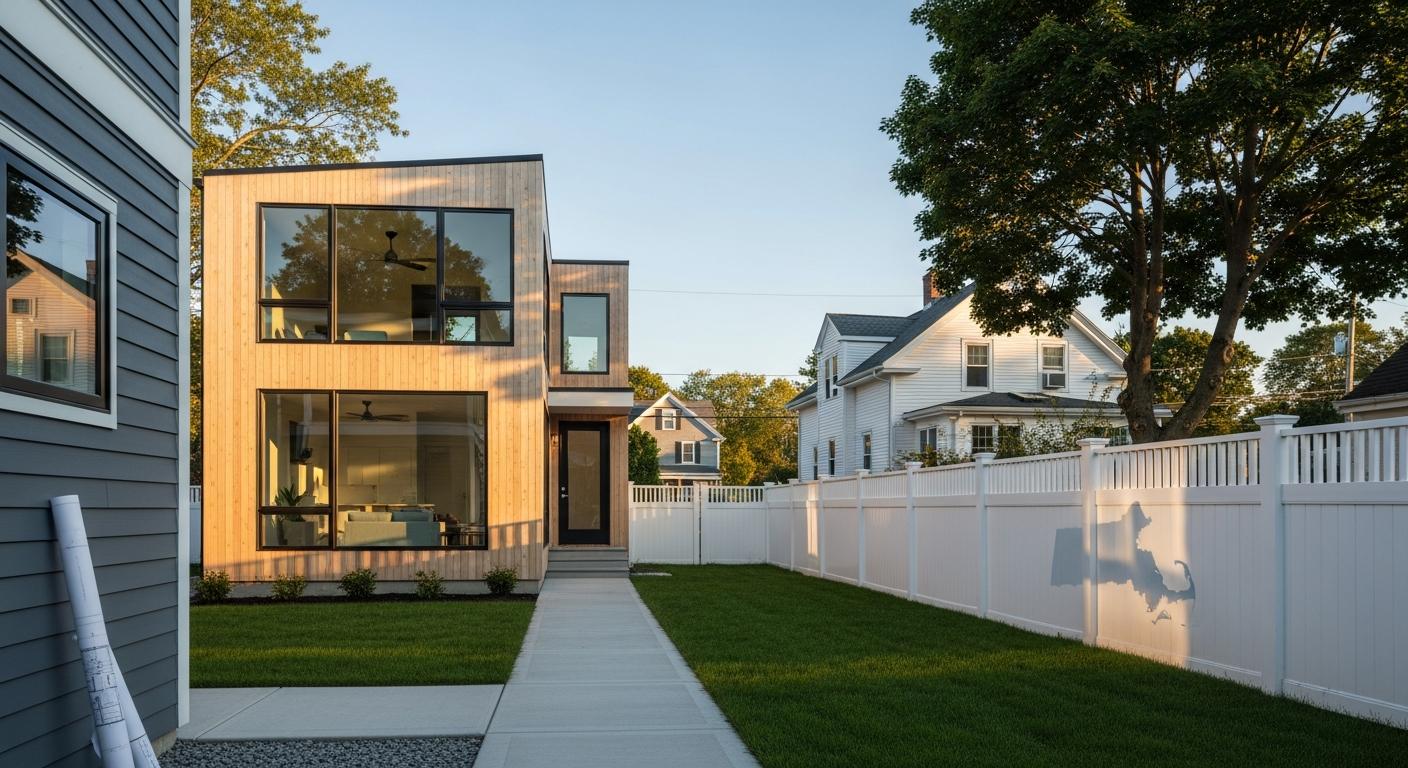
Massachusetts has taken a groundbreaking step toward tackling its ongoing housing shortage by legalizing accessory dwelling units (ADUs) statewide. With the Affordable Homes Act, enacted in early 2025, homeowners and investors across the Commonwealth now have new opportunities to add independent living spaces on their properties without the red tape that once made it nearly impossible. This major reform promises to reshape communities, create much-needed rental inventory, and expand affordability options for residents.
What Exactly Is an ADU?
An accessory dwelling unit, or ADU, is a self-contained residential space located on the same lot as a primary home. These units typically include a kitchen, bathroom, and living area, allowing them to function as separate housing. Common examples include basement apartments, garage conversions, and backyard cottages. The key feature of an ADU is independence it’s not just a spare room but an entirely livable unit.
Across Massachusetts, these types of homes were heavily restricted or outright banned for decades. Local zoning laws often prevented homeowners from creating them even when they had the space and resources to do so. But that all changed with the state’s new law.
The Affordable Homes Act: Legalizing ADUs Statewide
The Affordable Homes Act marks one of the most significant housing reforms in Massachusetts history. Under this law, homeowners can now build ADUs up to 900 square feet by right in any residential zone across the state. “By right” means no special permit is required if your project meets state guidelines, local boards cannot arbitrarily deny your application.
This shift removes some of the biggest barriers that previously discouraged property owners from building smaller dwellings. For many families and investors alike, it opens doors to new income streams and creative housing solutions.
Who Can Build an ADU Under the New Law?
The new statewide policy applies not only to single-family homes but also to multifamily properties with up to four units. That means if you own a duplex, triplex, or four-family property in a residentially zoned area, you’re still eligible to add another unit on-site.
This clarification was essential since early versions of the law appeared limited to single-family lots. The state later confirmed that any residentially zoned property qualifies a decision that expands opportunity for small landlords and developers throughout Massachusetts.
Key Benefits Built Into the Legislation
The law introduces several crucial benefits designed to make building an ADU easier than ever:
- No Special Permit Needed: Homeowners no longer face lengthy approval processes if their design complies with state standards.
- No Extra Parking Requirements Near Transit: If your property is within half a mile of public transportation such as bus stops you don’t need to provide additional off-street parking for your ADU.
- No Owner-Occupancy Rule: You’re not required to live on-site. Both your main house and newly built ADU can be rented separately.
These provisions dramatically increase flexibility for homeowners while encouraging private investment in local housing stock something Massachusetts sorely needs amid skyrocketing rents and limited supply.
Protected Use Status: What It Means
If your project adheres fully to state requirements size limits, zoning compliance, etc. it’s considered a protected use. This designation offers legal protection from arbitrary denials by municipalities. In essence, towns cannot block compliant projects simply because they oppose growth or density increases within their borders.
The Role of Local Control
While Massachusetts has legalized ADUs statewide, local governments still retain some authority through what the statute calls “reasonable restrictions.” These may include existing standards such as setbacks, height limitations, or lot coverage rules already present in local zoning codes.
However, towns can’t introduce new rules specifically aimed at stifling ADU construction for example, requiring excessively large lot sizes when those aren’t mandated for other home additions. Still, there remains uncertainty about enforcement mechanisms if municipalities fail to comply or delay approvals unjustly. Experts expect future legal challenges could clarify those gray areas over time.
Boston’s Unique Position: Operating Outside State Law
Interestingly, Boston is not covered under this statewide mandate due to its independent zoning code and exemption from certain state-level regulations. While neighboring communities move forward under uniform rules, Boston continues managing its own pilot programs with different requirements including maintaining an owner-occupancy clause that limits investor participation.
The city has done commendable work promoting awareness around ADUs through workshops and guidebooks and simplifying parts of its permitting process but progress remains slower compared with surrounding suburbs. Many critics argue that keeping Boston out of this sweeping reform undermines broader regional goals given its severe housing shortage and high demand for rentals.
Towns Embracing vs. Resisting the Change
Five months into implementation (as of June 2025), municipal responses vary widely across Massachusetts:
- Towns showing resistance: Fall River, Rockport, Lowell (LOL), Milton, and Chelmsford have displayed reluctance or slow adaptation despite clear legislative mandates.
- Towns embracing ADUs: Newton stands out as one of the most proactive communities it had already approved more than 70 units over five years even before this law took effect. Melrose reports several active builds underway right now. Other supportive municipalities include Lexington, Concord, Arlington, and Needham all known for progressive housing policies aimed at expanding supply responsibly.
The general trend seems positive: most towns are adapting quickly rather than rebelling against reform efforts a promising sign for long-term success statewide.
Opportunities for Homeowners and Investors
This policy unlocks enormous potential across multiple fronts:
- Create Supplemental Income: Renting an ADU provides steady monthly revenue without selling your home or taking on major development risks.
- Add Family Flexibility: Many households use these spaces for aging parents (“in-law suites”) or adult children seeking independence close to home at lower cost.
- Increase Property Value: Properly built ADUs enhance overall market value while diversifying available rental inventory locally.
- Tackle Housing Shortages Locally: Each new unit contributes directly toward easing pressure on tight markets across suburban regions previously resistant to multi-unit living arrangements.
Navigating Permitting Under the New Framework
Towns must still process applications under their established building departments; however many are developing standardized forms tailored specifically for ADUs following passage of this legislation. Prospective builders should confirm setback distances from property lines match existing residential addition standards and verify utility connections meet code independently from main dwellings where required by inspectors.
The Broader Impact on Housing Affordability
This change represents far more than just permission slips it signifies cultural momentum toward sensible density solutions compatible with neighborhood character yet responsive to modern demographics. Smaller household sizes combined with rising costs have created strong demand for flexible living arrangements that traditional zoning frameworks simply failed to accommodate until now.
If adopted successfully statewide (aside from Boston’s continued exceptions), these micro-units could collectively add thousands of affordable dwellings across Massachusetts within just a few years providing relief not only for renters but also stabilizing regional economic growth through increased workforce housing availability near employment hubs served by transit corridors where parking relaxations apply most effectively.
What Comes Next?
The coming months will reveal how consistently municipalities enforce compliance under unified standards and whether potential disputes reach courts seeking clearer interpretation regarding penalties against obstructionist practices still occurring sporadically among slower-adapting jurisdictions like Milton or Chelmsford noted earlier.
Additionally ongoing data collection should illuminate measurable effects upon median rental prices thereby validating assumptions underlying legislative intent behind passing Affordable Homes Act itself as cornerstone framework combating systemic scarcity issues long plaguing Bay State real estate markets overall.
Source:
