



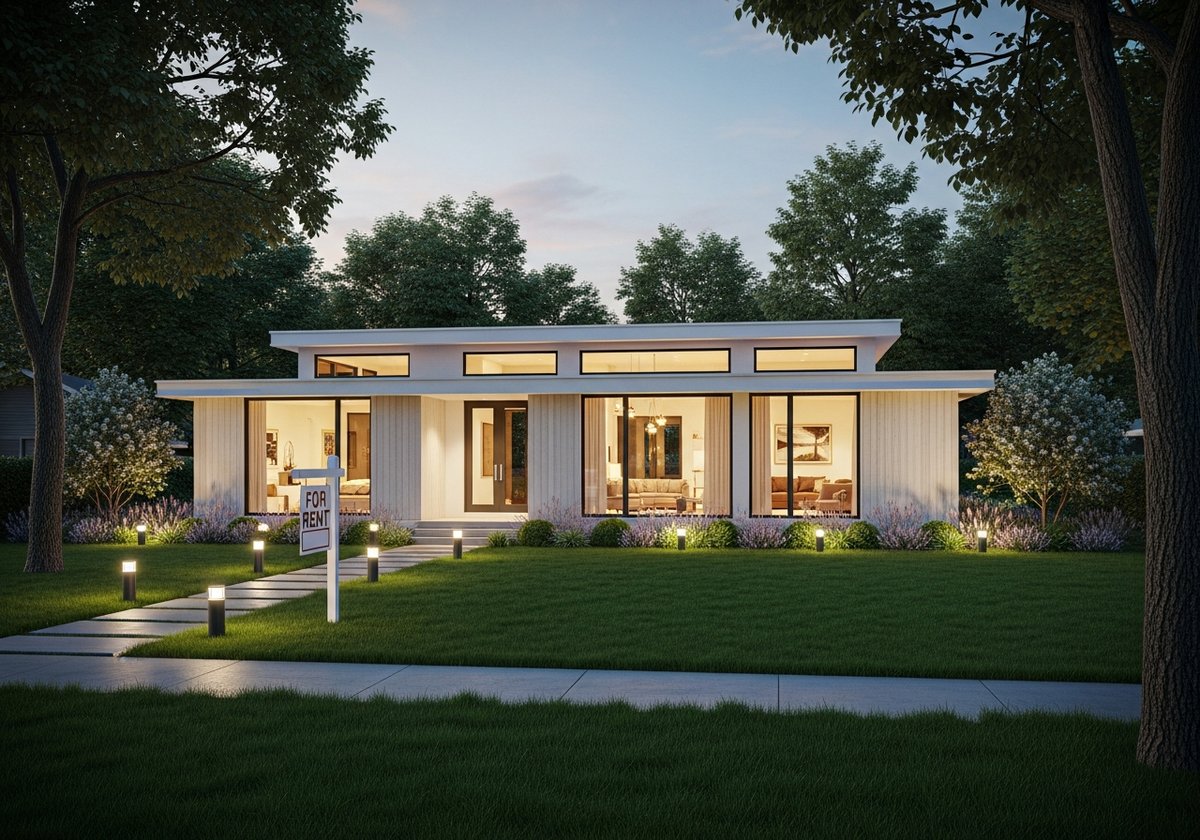
Imagine buying a home that arrives mostly finished, snaps together in weeks rather than months, and costs significantly less than a traditionally built house. Now imagine renting that home out and watching it generate steady monthly income. Sounds like a smart investment, right? It can be – but the reality of renting out a prefab home is more nuanced than the pitch suggests. Before you dive in, it helps to understand both the genuine opportunity and the friction points that most landlord guides leave out.
Why Prefab Makes Sense as a Rental Property
The core appeal of prefab for investors is straightforward: lower acquisition cost, faster deployment, and predictable build quality. Because modular and manufactured homes are built in controlled factory environments, material waste drops, construction timelines compress, and the finished product often meets tighter tolerances than site-built alternatives. For a rental investor, that translates into a lower cost basis and a property that is ready to earn sooner.
According to recent data, modular construction can reduce build time by 30 to 50 percent compared to conventional methods. When a rental unit sits vacant during construction, every extra month is lost revenue. Speed, then, is not just a convenience – it is a financial variable that directly shapes your return on investment.
Location amplifies this advantage. In high-demand rental markets like coastal California, placing a well-designed prefab unit on an underutilized lot can produce rental income that would be impossible to generate through traditional construction at the same budget. The prefab housing market in 2025 reflects exactly this dynamic, with investor interest accelerating as housing costs push more households into the rental market.
Understanding Your Revenue Potential
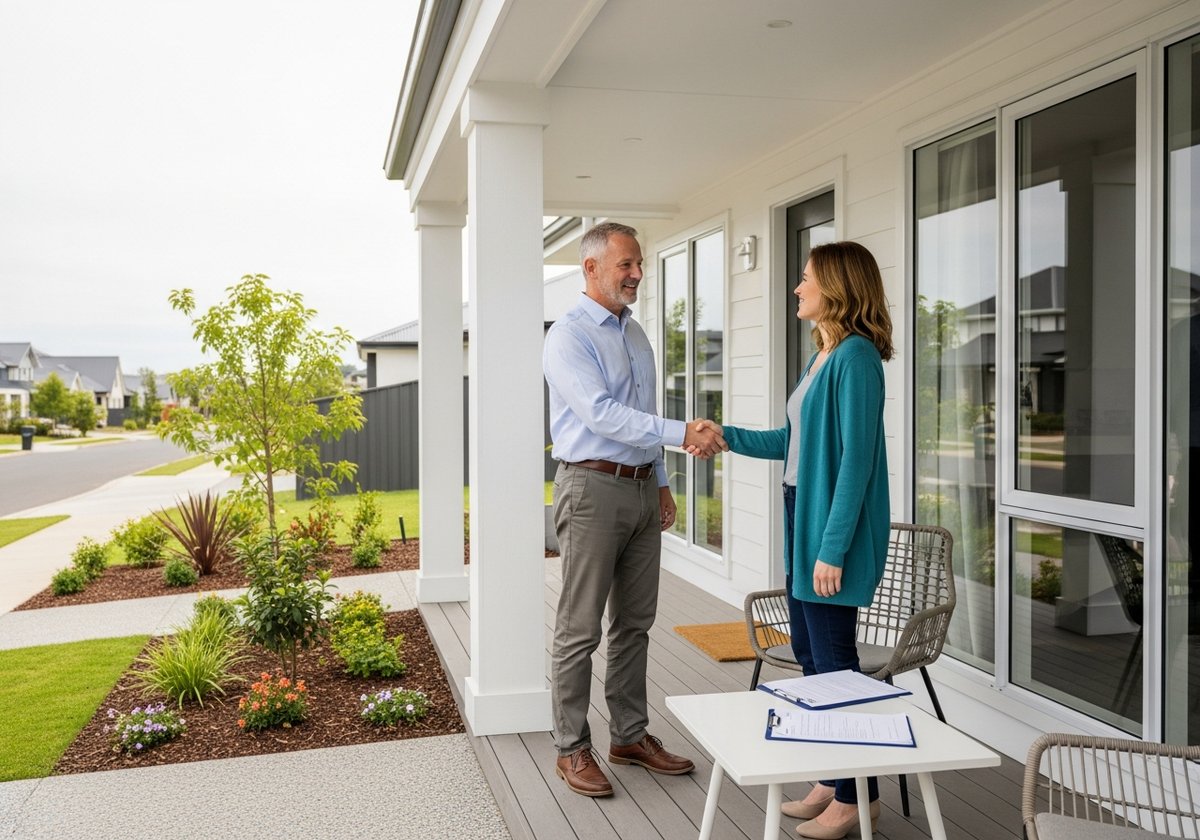
Before running the numbers, you need to decide what kind of rental you are pursuing: long-term tenants, short-term vacation guests, or a hybrid model that rotates between both.
Long-Term Rentals
A long-term rental prefab home offers stability. A signed lease means predictable monthly cash flow, lower turnover costs, and fewer operational headaches. In markets where housing is tight, even a modest one-bedroom modular unit can command $1,500 to $2,500 per month depending on location, finishes, and amenities. In premium California markets, that ceiling climbs considerably higher.
The math gets interesting when you factor in build cost. A prefab ADU (accessory dwelling unit) placed on an existing property might cost $150,000 to $250,000 all-in, including site prep, permits, and utility hookups. At $2,000 per month in rent, you are looking at a gross annual yield of around 10 percent on a $240,000 investment – well above what most passive income vehicles offer. For a deeper dive into specific units that perform well in this role, the guide to the best prefab ADUs for rental income in California breaks down models, price points, and expected returns with real specificity.
Short-Term Rentals
Short-term prefab home rentals via platforms like Airbnb or VRBO can generate significantly higher nightly rates, but the income is less predictable and the operational load is much heavier. A well-positioned prefab cabin or modular vacation home in a tourist-friendly area can earn $150 to $400 per night. At 60 percent annual occupancy – a reasonable benchmark for established listings – a unit earning $200 per night brings in roughly $43,800 gross per year.
That sounds impressive until you subtract platform fees (typically 3 to 15 percent), cleaning costs, property management fees if you hire out, higher insurance premiums, and furnishing expenses. Short-term rental income is real, but the net margin requires careful management to protect.
The Costs That Catch Landlords Off Guard
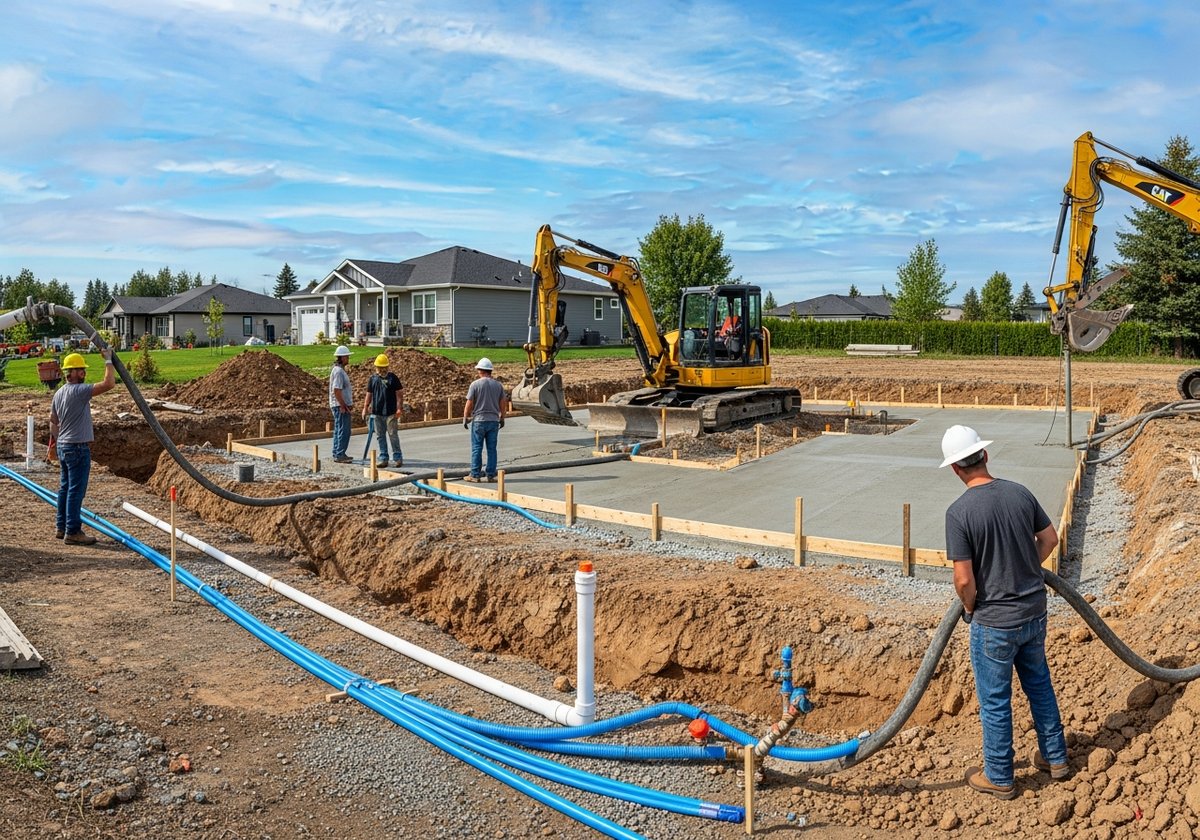
Revenue projections are easy to get excited about. The costs are where many first-time prefab landlords get humbled.
Site Preparation and Permitting
The prefab unit itself is often the most predictable line item. Site work – grading, foundation, utility connections – is where budgets stretch. Depending on your lot, site prep alone can add $30,000 to $80,000 to your total project cost. Permitting timelines vary dramatically by jurisdiction, and some municipalities still treat manufactured homes differently than modular ones, creating regulatory friction that delays your revenue start date.
Financing Realities
Financing a prefab rental property is more complicated than financing a conventional investment property. Many traditional lenders are still unfamiliar with modular construction, and manufactured homes on leased land face even steeper hurdles. Understanding your options early is essential – the free guide on financing your prefab home or ADU covers loan types, qualification criteria, and lender strategies that are specific to prefab investment scenarios.
Ongoing Maintenance and Renovation Limits
Prefab homes are generally low-maintenance compared to older conventionally built homes, but landlords should budget for routine upkeep regardless. More importantly, not all renovations are straightforward. Structural modifications to modular or manufactured homes often require manufacturer approval or may void warranties and violate local codes. Understanding what is and is not allowed before you buy or rent is critical – a misstep here can create costly compliance issues down the road.
Tenant Appeal: Does Prefab Attract Quality Renters?
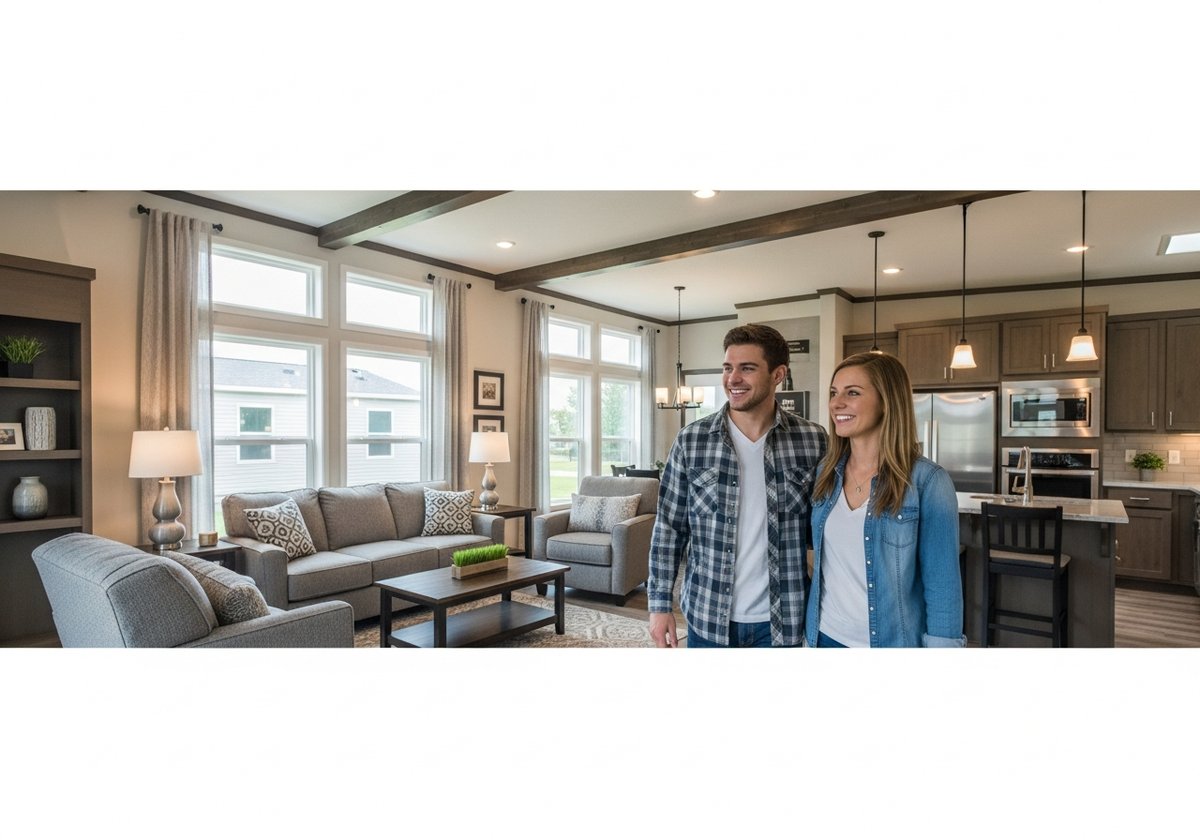
There is a lingering stigma around prefab homes in some markets, a holdover from older manufactured housing that was associated with trailer parks and low build quality. That perception is increasingly out of step with reality. Modern modular and prefab homes offer energy efficiency, clean lines, and thoughtful design that competes directly with site-built alternatives. When staged and photographed well, a high-quality prefab rental can attract exactly the tenant pool you want.
Energy efficiency is a genuine selling point with renters. Prefab homes built to high insulation standards can significantly reduce utility costs, and environmentally conscious renters increasingly treat energy performance as a selection criterion. If you are investing in a premium modular brand, lean into the sustainability story – it is a real differentiator in competitive rental markets.
That said, location and presentation still dominate. A prefab rental on a well-landscaped lot in a desirable neighborhood will outperform a conventionally built home on a neglected lot every time. The home type matters less than its setting and condition.
Tax Advantages and Incentive Programs
One underused lever in the prefab rental equation is the tax benefit landscape. Depending on your location and the specific construction type, you may be eligible for depreciation deductions, green building incentives, or ADU-specific subsidy programs. California, in particular, has been expanding its support for accessory dwelling units as part of its housing crisis response, and some of those incentives apply directly to rental-oriented prefab ADUs. Reviewing available tax credits and rebates specific to your state and situation can meaningfully shift your net return picture.
Who This Investment Is Best Suited For
Renting out a prefab home is not a passive activity, at least not in the early stages. It suits investors who are willing to navigate permitting, manage site work coordination, and make deliberate decisions about financing and tenant strategy. It is particularly well-matched to:
- Homeowners with underutilized backyard space who want to add rental income without selling or moving
- Investors in high-cost markets looking to maximize yield on smaller land parcels
- Buyers who want a lower-cost entry into real estate investment without taking on a renovation project
- Short-term rental operators in tourist markets who want a distinctive, design-forward listing
It is less suited to investors who expect hands-off income from day one or who are unprepared for the regulatory and financing complexity that prefab properties can involve.
Frequently Asked Questions About Renting Out a Prefab Home
Is renting out a prefab home profitable?
Yes, in the right market and with realistic cost modeling. Gross yields of 8 to 12 percent are achievable in high-demand rental areas, particularly with ADU placements on existing lots. Profitability depends heavily on total project cost (including site work and permits), local rental rates, and how efficiently you manage occupancy and expenses.
What is the difference between renting a modular home and a manufactured home?
Modular homes are built to the same local building codes as site-built homes and are typically placed on permanent foundations. Manufactured homes (sometimes called mobile homes) are built to federal HUD standards and may be on non-permanent foundations. This distinction affects financing options, resale value, and in some cases, zoning eligibility for rental use.
Can I use a prefab ADU specifically for rental income?
Yes, and many investors do. Prefab ADUs placed on residential lots are one of the most popular rental income strategies in California and other high-cost states. Zoning rules vary, so confirm local regulations first. Units designed specifically for rental use tend to perform best when they prioritize privacy, separate entrances, and efficient floor plans.
How do I finance a prefab rental property?
- Construction loans tailored to modular or manufactured builds
- Home equity loans or HELOCs if you own an existing property
- ADU-specific financing programs offered through state housing agencies
- Conventional investment property loans for permanently affixed modular homes
Are short-term prefab rentals worth it?
They can be, especially for distinctive or design-forward units in tourist-friendly areas. The gross income potential is higher than long-term renting, but so are operating costs and management demands. Factor in platform fees, cleaning, furnishing, and seasonal vacancy before projecting net returns.
Do prefab homes depreciate faster than traditional homes?
Modular homes on permanent foundations generally appreciate similarly to site-built homes. Manufactured homes on non-permanent foundations have historically depreciated faster, though location and upkeep play significant roles. Choose foundation type and unit quality carefully if long-term asset value matters to your investment thesis.
What renovation restrictions should I know as a prefab landlord?
Structural modifications to prefab homes often require manufacturer documentation and local permit approval. Some changes can void warranties or violate original design certifications. Before making any modifications to attract tenants or increase rental value, verify what is permissible under your specific unit’s construction type and local building code.
Sources
- McKinsey Global Institute – Modular Construction: From Projects to Products (2019)
- National Association of Home Builders – Modular and Manufactured Housing Data
- California Department of Housing and Community Development – ADU Handbook
- U.S. Census Bureau – Characteristics of New Housing Report
- Urban Land Institute – The Economics of Affordable Housing Development
