



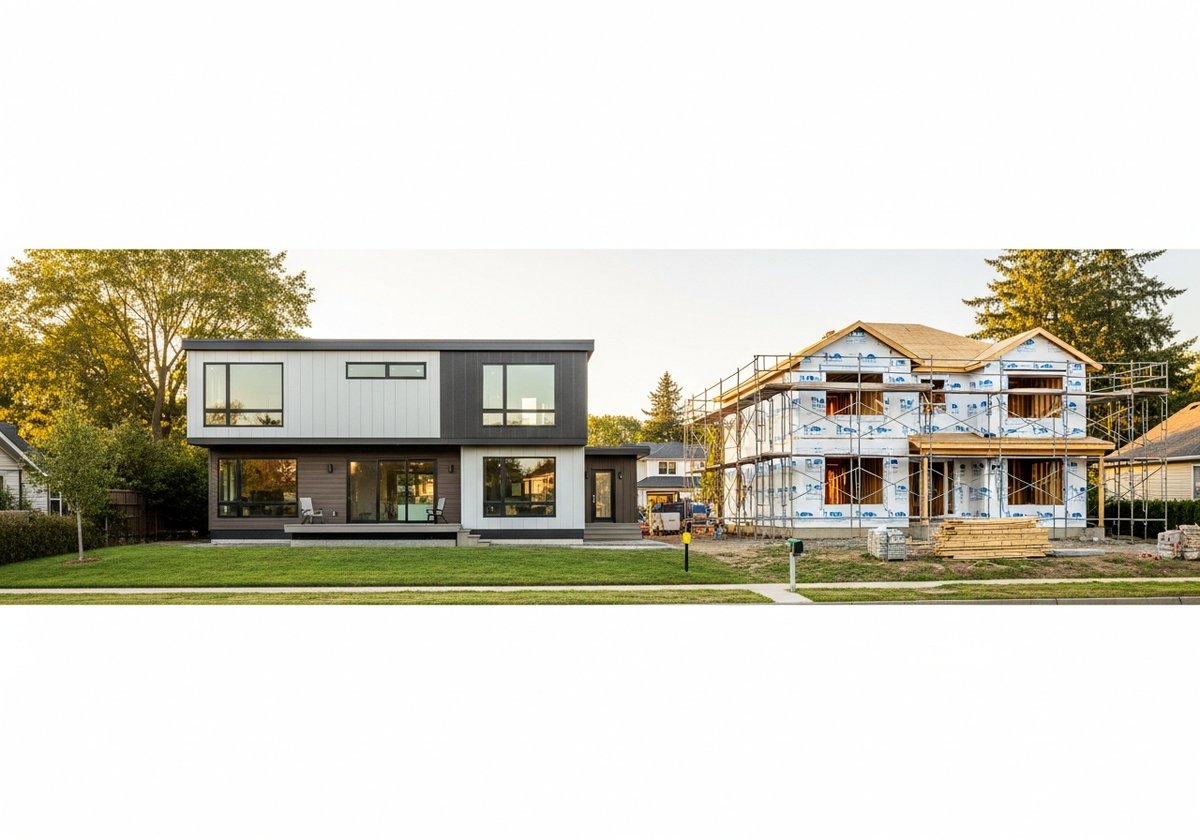
Here is a question worth sitting with for a moment: when you spend $400,000 building a home, how much of that decision is about where you sleep tonight, and how much is about where your money goes over the next 30 years? Most homebuyers think about the purchase price. Fewer think carefully about the total cost of ownership, the trajectory of resale value, and whether the construction method itself shapes those outcomes in meaningful ways.
That is exactly what this article is about. The long-term return on investment for prefab homes versus traditional site-built construction is gaining serious traction among buyers, investors, and developers who want real numbers. The story is more nuanced than either camp usually admits, but the data increasingly points in a clear direction: prefab is not just a budget shortcut. For many buyers, it is a smarter financial architecture.
What We Mean by ROI in Home Construction
Return on investment in housing is not a single figure. It is a composite of several moving parts: your upfront construction cost, ongoing operating expenses, financing terms, maintenance burden over time, and ultimately what the home sells for when you move on. A traditional construction home that costs $350,000 to build but requires $80,000 in energy bills and repairs over 20 years has a very different ROI profile than a prefab home that costs $380,000 upfront but runs lean for decades.
This framing matters because most cost comparisons between prefab and traditional construction stop at the sticker price. That is like comparing two cars by looking only at the dealership price tag without considering fuel economy, maintenance frequency, and insurance rates. The real picture requires a longer lens.
The Upfront Cost Gap: Closer Than You Think
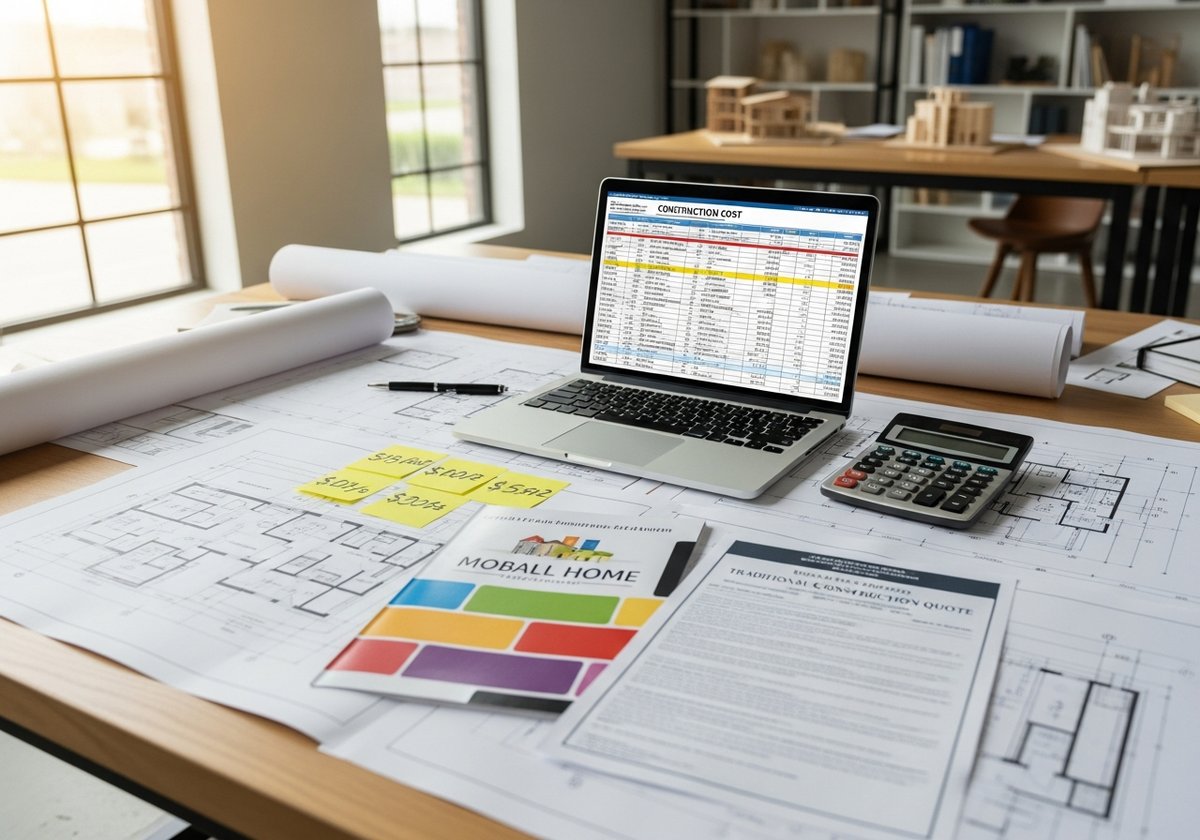
On average, prefab and modular homes cost between $100 and $200 per square foot for the factory-built structure, while traditional site-built homes typically run between $150 and $300 per square foot depending on location, labor markets, and materials. That spread suggests prefab can offer meaningful savings at the construction stage, though the actual gap varies considerably by region and project complexity.
What compresses the gap is site work. Prefab homes still require land, foundation preparation, utility hookups, permitting, and delivery logistics. In high-cost states like California, site work and permitting alone can add $50,000 to $150,000 to a project. Buyers who budget only for the module price often encounter sticker shock when the full project scope becomes clear.
That said, factory construction offers genuine cost advantages that compound over time. Manufacturing in a controlled environment reduces material waste, prevents weather-related delays that inflate labor costs, and allows parallel workstreams that shrink the overall project timeline. A typical modular home reaches completion 30 to 50 percent faster than a comparable site-built home. Time is money in construction, and that compression is real.
If you want a detailed breakdown of how these numbers play out across the full project lifecycle, the analysis in Prefab vs. Traditional Construction: Which Is Cheaper in the Long Run? is worth your time.
Operating Costs Over Time: Where Prefab Quietly Wins
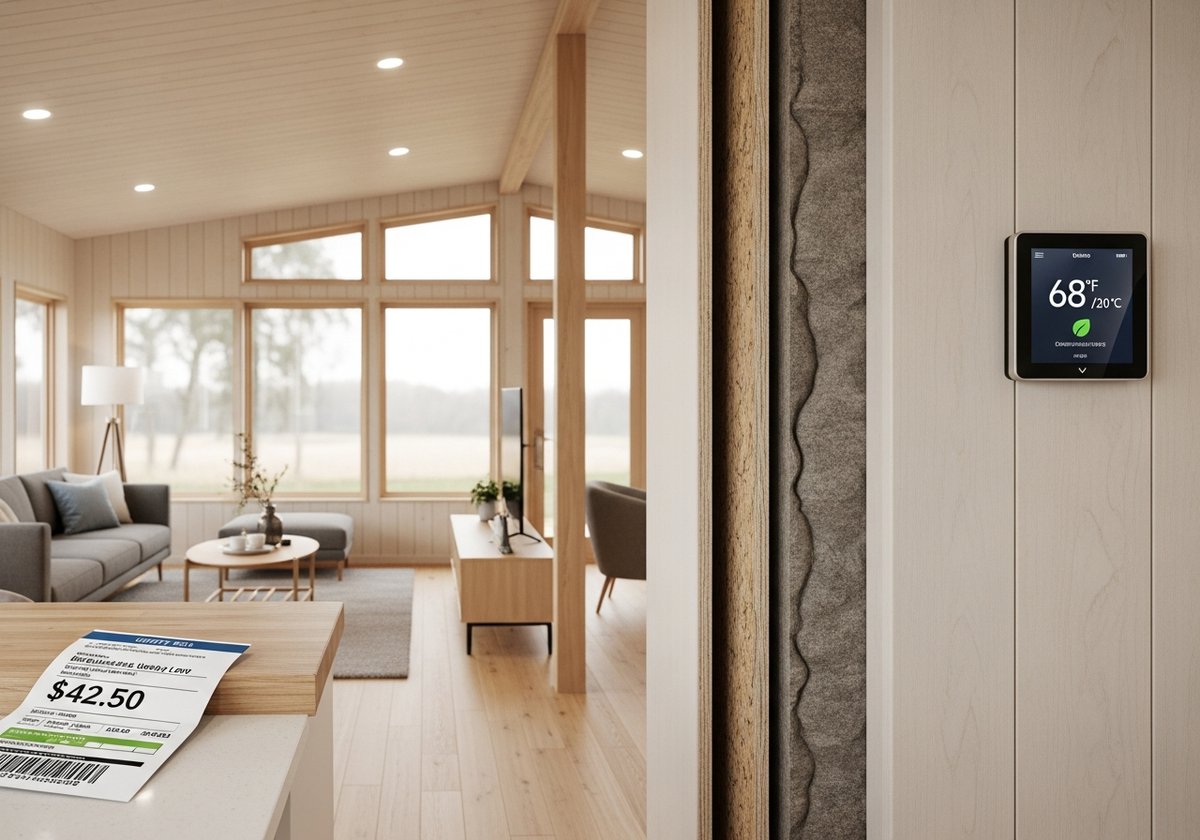
The most underappreciated dimension of long-term ROI in prefab is operating cost. Modern prefab homes, particularly those designed with energy efficiency as a core principle, consistently outperform site-built homes on monthly utility bills. Factory assembly allows for tighter construction tolerances, better insulation installation, and more consistent air sealing than is typically achievable in field conditions.
Research from building science organizations has found that modular construction can reduce air leakage by 30 to 40 percent compared to site-built equivalents. A home that costs $200 less per month to operate saves $2,400 per year, or $48,000 over 20 years – a substantial sum that rarely appears in upfront cost comparisons but dramatically shifts the ROI calculation.
There is also the matter of maintenance. Prefab homes built in certified manufacturing facilities benefit from quality control processes that field construction cannot replicate. Framing tolerances are tighter, moisture intrusion points are fewer, and mechanical systems are installed under consistent conditions. The result is a lower frequency of mid-lifecycle repairs that quietly drain traditional homeowners: roof leaks, foundation moisture, HVAC inefficiency, and window failure.
For a closer look at how utility costs actually compare month to month, Monthly Utility Costs in Prefab Homes Compared to Traditional Houses offers granular data that is hard to find elsewhere.
Resale Value: The Complicated Chapter
Prefab home resale value has historically lagged behind comparable site-built homes in some markets, and that deserves an honest explanation. Part of the problem is perception. For decades, “prefab” carried connotations of manufactured housing parks and low-quality construction. That stigma has not fully disappeared, and appraisers in some regions still undervalue modular construction relative to site-built equivalents.
But the market is shifting. High-design prefab brands have demonstrated that factory-built homes can appreciate alongside or even ahead of local market rates when sited appropriately, finished to a high standard, and marketed correctly. The key variables are location, design quality, and documentation. Buyers and appraisers respond to detailed records of materials, energy performance, and manufacturing standards.
The 10- and 20-year durability profile of prefab materials also matters for resale. How Prefab Homes Age After 10 Years: Materials That Hold Up examines which material choices in prefab construction tend to hold their integrity over time – directly relevant to how a home presents to buyers a decade after construction.
Financing Considerations That Affect Long-Term ROI
The way you finance a prefab home can meaningfully affect your long-term returns. Modular homes built on permanent foundations are typically eligible for conventional mortgage financing, giving buyers access to competitive interest rates. However, the construction financing phase can be more complicated for prefab than for traditional builds, because lenders have less familiarity with the factory production timeline.
Some buyers pay more in construction loan interest than necessary because they do not structure financing to match the prefab timeline. Others miss opportunities to use ADU-specific financing tools, renovation loans, or energy efficiency mortgage products that reduce effective borrowing costs. Poor financing structures can easily add tens of thousands of dollars to the total cost of a project. The landscape of available tools has expanded considerably, making it worth exploring current options through resources like Innovative Financing Models for Prefab Homes in 2025.
The Hidden Costs of Traditional Construction
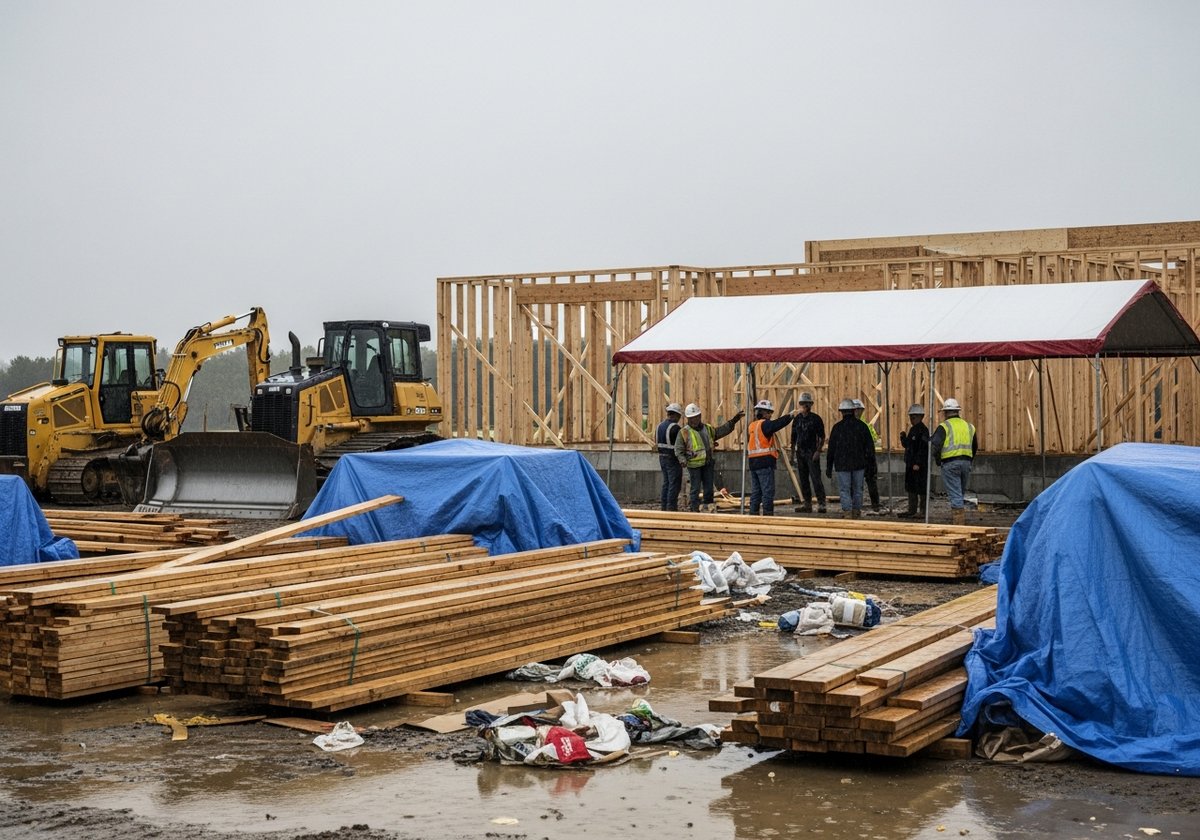
Traditional construction routinely delivers costs that buyers do not always anticipate. Weather delays add weeks or months to project timelines, increasing carrying costs. Material waste on traditional job sites runs 10 to 15 percent above factory construction norms. Labor variability means quality inconsistency: a great framing crew followed by a rushed electrical team can create problems that surface years later as warranty claims or moisture issues.
Traditional construction also carries more exposure to cost overruns. Change orders are common, material price spikes mid-project are real, and the general contractor model introduces layers of markup across subcontractors. Buyers who budget $350,000 for a traditional build and land at $420,000 by completion are not outliers. That variance alone can turn a projected profit into a breakeven scenario at resale.
Prefab is not immune to cost surprises, but its tighter project management structure and fixed-price factory contracts reduce the variance. What you are quoted is closer to what you pay, which makes financial planning more reliable.
When Prefab ROI Is Strongest
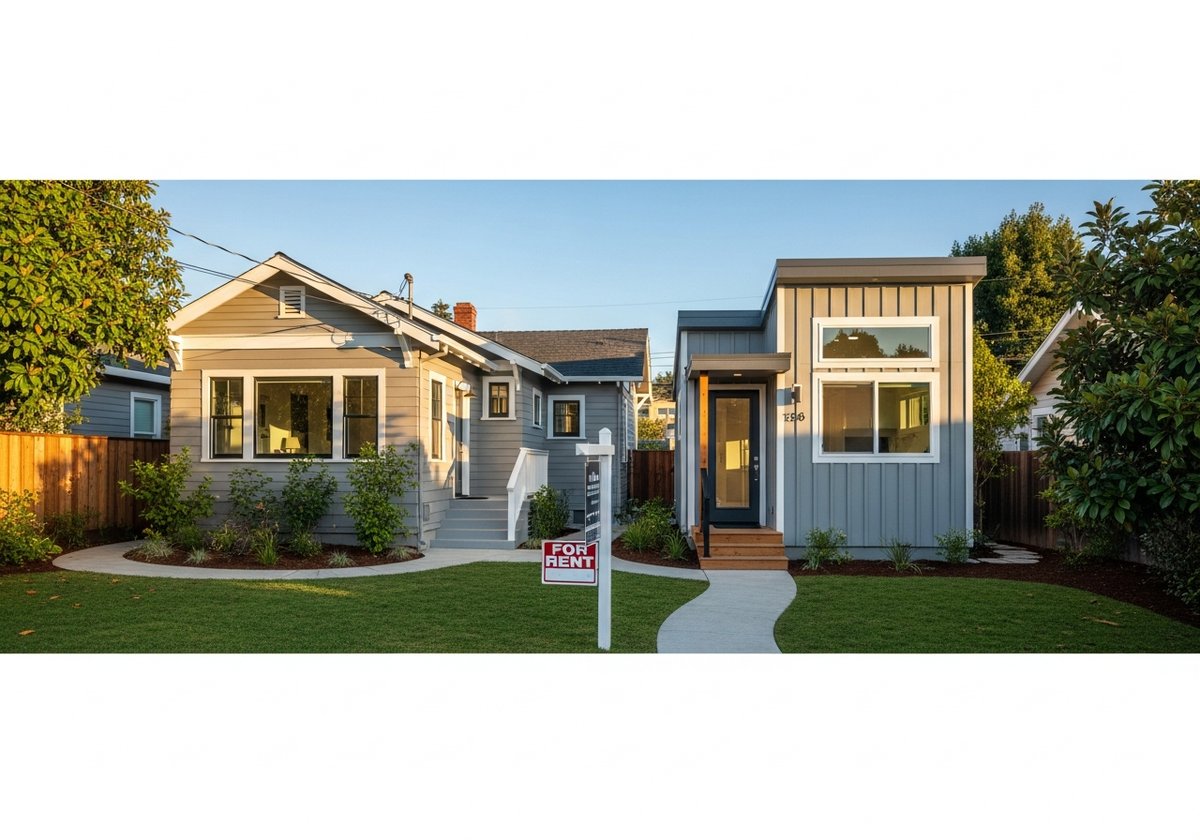
Prefab delivers its best long-term returns in specific contexts. Buyers adding an accessory dwelling unit on an existing lot often see excellent ROI because rental income offsets construction costs quickly. Buyers in high-cost labor markets like California, New York, or the Pacific Northwest see a larger benefit from factory production because labor savings are more pronounced. Buyers who prioritize energy performance and hold their homes for 15 or more years capture the full value of reduced operating costs.
Conversely, prefab ROI is weaker in rural areas where transportation costs for factory-built modules are high, in markets with strong stigma against non-traditional construction, and in projects where significant site complexity offsets factory savings. The investment case is strongest when you treat prefab not as a cheap alternative but as a precision-built product.
How to Calculate Your Own Prefab Home ROI
A practical ROI calculation involves five inputs: total all-in construction cost (including site work, permitting, and financing), projected annual operating savings versus a comparable site-built home, expected maintenance costs over your holding period, projected resale value at your anticipated sale date, and opportunity cost of capital. Run these numbers over 10, 20, and 30-year horizons and compare the total return under each scenario.
Short holding periods favor whichever option has the lower upfront cost. Longer holding periods increasingly favor prefab because operating savings and lower maintenance costs compound significantly. The crossover point for most buyers is somewhere in the 8 to 12 year range, meaning if you plan to stay more than a decade, prefab’s total cost of ownership advantage becomes quite meaningful.
Frequently Asked Questions About Prefab Home ROI
Is a prefab home a good long-term investment?
For most buyers with a holding period of 10 or more years, yes. Prefab homes offer lower operating costs, more predictable construction pricing, and increasingly competitive resale values. The strongest returns come in high-cost labor markets and for buyers who prioritize energy efficiency.
How do prefab home costs compare to traditional construction over 20 years?
- Upfront construction: Prefab is typically 10 to 20 percent lower per square foot before site work
- Energy and utility costs: Prefab often saves $1,500 to $3,000 per year due to tighter construction
- Maintenance costs: Prefab tends to have fewer mid-lifecycle repairs from moisture and HVAC issues
- Financing costs: Comparable when prefab is on a permanent foundation and financed conventionally
- Total 20-year advantage: Often $40,000 to $100,000 in favor of prefab, depending on market and energy profile
Does a prefab home hold its resale value?
Prefab homes in strong real estate markets, finished to high design standards, generally hold value well. Appraisal gaps are narrowing as the market matures. Location, design quality, and documentation of energy performance are the most important variables for resale value.
What financing options are available for prefab homes?
Modular homes on permanent foundations qualify for conventional mortgages, FHA loans, and VA loans. Construction loans are typically required during the build phase. ADU-specific financing tools, energy efficiency mortgages, and some state programs also support factory-built housing.
What are the biggest hidden costs in traditional construction?
- Weather delays that extend project timelines and increase carrying costs
- Change order creep that frequently adds 10 to 20 percent to original budgets
- Material waste, which runs higher on job sites than in factories
- Quality inconsistency that creates latent defects discovered years after completion
- Higher energy costs over time due to less precise insulation and air sealing
How does project timeline affect ROI?
Faster project completion reduces construction loan interest and moves you into the home sooner. Prefab homes typically complete 30 to 50 percent faster than comparable site-built homes. On a $400,000 project with a 6 percent construction loan, saving four months of interest alone can represent $8,000 in direct savings.
Can I get a conventional mortgage on a prefab home?
Yes, in most cases. Modular homes built to the same building codes as site-built homes and placed on permanent foundations are treated similarly by most lenders. Manufactured homes face more financing restrictions. The key is understanding the specific product category and ensuring the home meets local code requirements.
What should I look for in a prefab home to maximize long-term value?
- Strong energy performance credentials, including insulation ratings and air sealing data
- Durable exterior materials appropriate for your climate
- A manufacturer with a track record and warranty support
- A design that suits the local market aesthetically
- Careful site selection in a strong or improving real estate market
- Complete documentation of construction specifications for future appraisals and resale
Sources
- National Renewable Energy Laboratory, Building Energy Research
- U.S. Census Bureau, Survey of Construction Data
- McGraw Hill Construction, Prefabrication and Modularization in Construction
- Urban Land Institute, Housing Supply and Cost Reports
- BuildingGreen, Factory-Built Housing Analysis
