



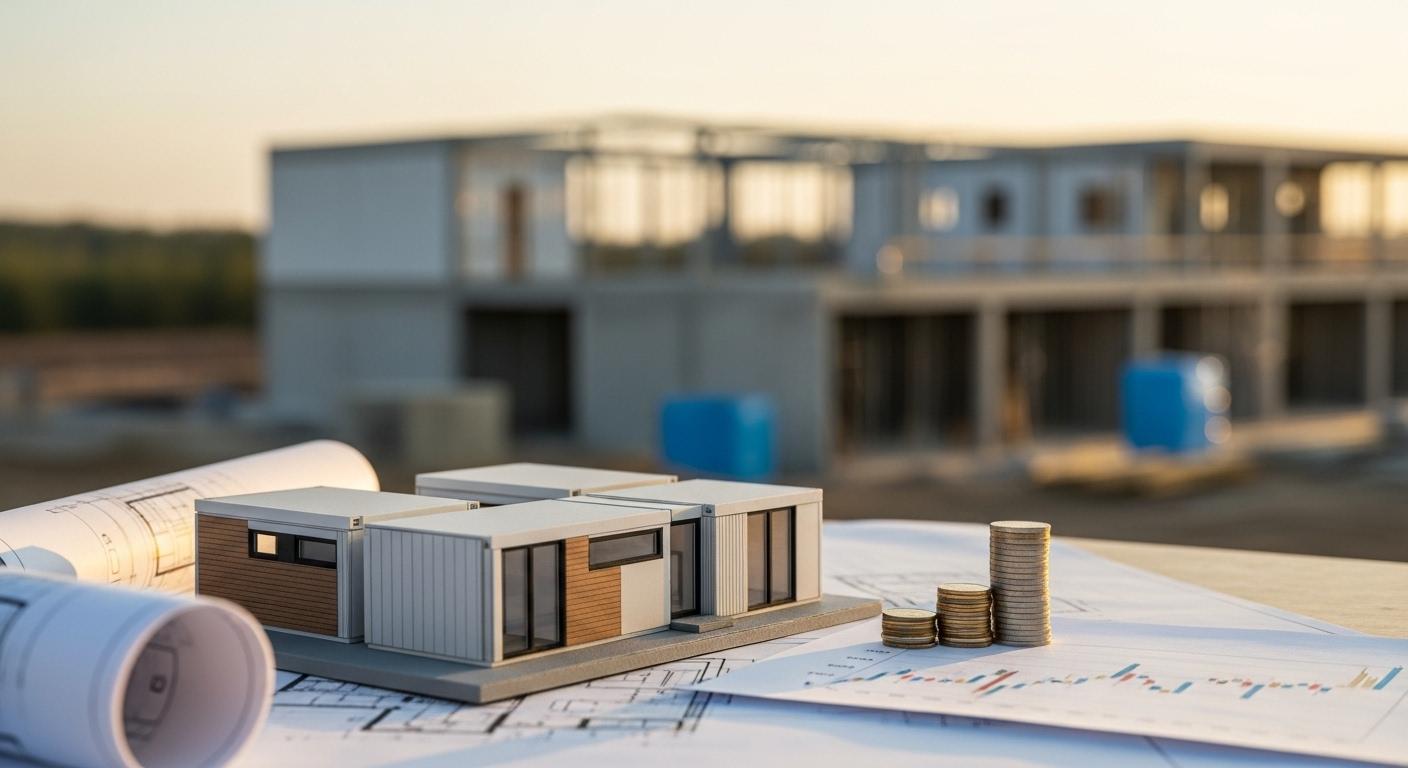
Introduction to Prefabricated Homes in 2025
In 2025, prefabricated homes are not just a trend; they are a potent solution to the pressing issue of affordable housing. Recent advancements in construction technology have made modular homes more customizable and efficient. But why are they gaining traction now more than ever? Increasing urbanization and significant housing shortages have made prefab homes an attractive alternative for those seeking sustainable and cost-effective housing solutions.
And just as the construction techniques have evolved, so too have the means of financing these homes. Enter innovative financing models new tools that keep pace with the changing landscape of the housing market, offering fresh opportunities for homeowners and developers alike.
Current Financing Challenges in the Prefab Home Market
Now, let’s talk about the elephant in the room: financing these innovative homes. Traditional mortgage systems aren’t always a good fit for prefabricated homes. Lenders often perceive higher risks due to the modular nature of these buildings. This wariness can create real barriers for those eager to step into the world of prefab housing or for developers planning new projects.
For the manufacturers and developers, the financial obstacles are no less daunting. Conventional loans can be cumbersome, and the mission to find flexible financing can seem Sisyphean at times. So, where do we go from here? Are there other ways to address these challenges?
Emerging Financing Models for Prefab Homes
Imagine crowdfunding platforms, but specifically tailored for prefab projects. These platforms allow multiple investors to come together, reducing risk while spreading enthusiasm for innovative projects. It’s a new frontier where money meets creativity and community, and it’s beginning to find its place in this market.
Let’s not forget about green bonds and sustainable investing. Investors eager to see their money make a difference are discovering that backing energy-efficient modular homes can be both financially and ethically rewarding.
Or consider peer-to-peer (P2P) lending as a refreshing alternative. It’s about creating direct, trust-based connections between lenders and borrowers, often yielding more favorable terms for homeowners eager to bring their dream homes to life. Add innovative partnerships between leading technology companies and prefab builders, and you have a recipe for a revolution.
Government Initiatives and Support in Financing
Governments, recognizing the need for sustainable housing, are stepping up. Subsidies and grants are cropping up, offering vital financial boosts for energy-efficient prefabricated homes. Tax incentives sweeten the deal, nudging more developers and buyers toward the prefab market.
The collaboration between the public and private sectors amplifies these efforts, seeking ways to ease financing hurdles. Expected policy changes could lubricate the investment wheels, making it simpler for everyone to engage with this growing sector.
Role of Technology in Transforming Financing Models
Technology is the great equalizer, and in financing prefab homes, it is no exception. Blockchain promises secure and transparent transaction records, providing a digital paper trail that lenders and borrowers can trust.
Artificial intelligence (AI) is finding its way into risk assessment and loan approval processes. Imagine faster approvals and more accurate assessments. And automation in financial processes? It reduces costs and accelerates efficiency, making financing smoother for all parties involved.
Leverage fintech innovations in this industry, and you might just see the finance world transformed.
Case Studies: Successful Financing of Prefab Home Projects
Let’s spotlight some success stories. Take, for instance, a community development in Texas that harnessed crowdfunding and green bonds to create a neighborhood of modular homes. Key factors here? A strong sense of community, clear communication, and robust partnerships.
Or a tech-savvy development on the West Coast that utilized blockchain for transparent funding processes an approach that won investor confidence and sped up project timelines. By examining these cases, we glean invaluable lessons, particularly the importance of adaptability and innovation in financing.
