



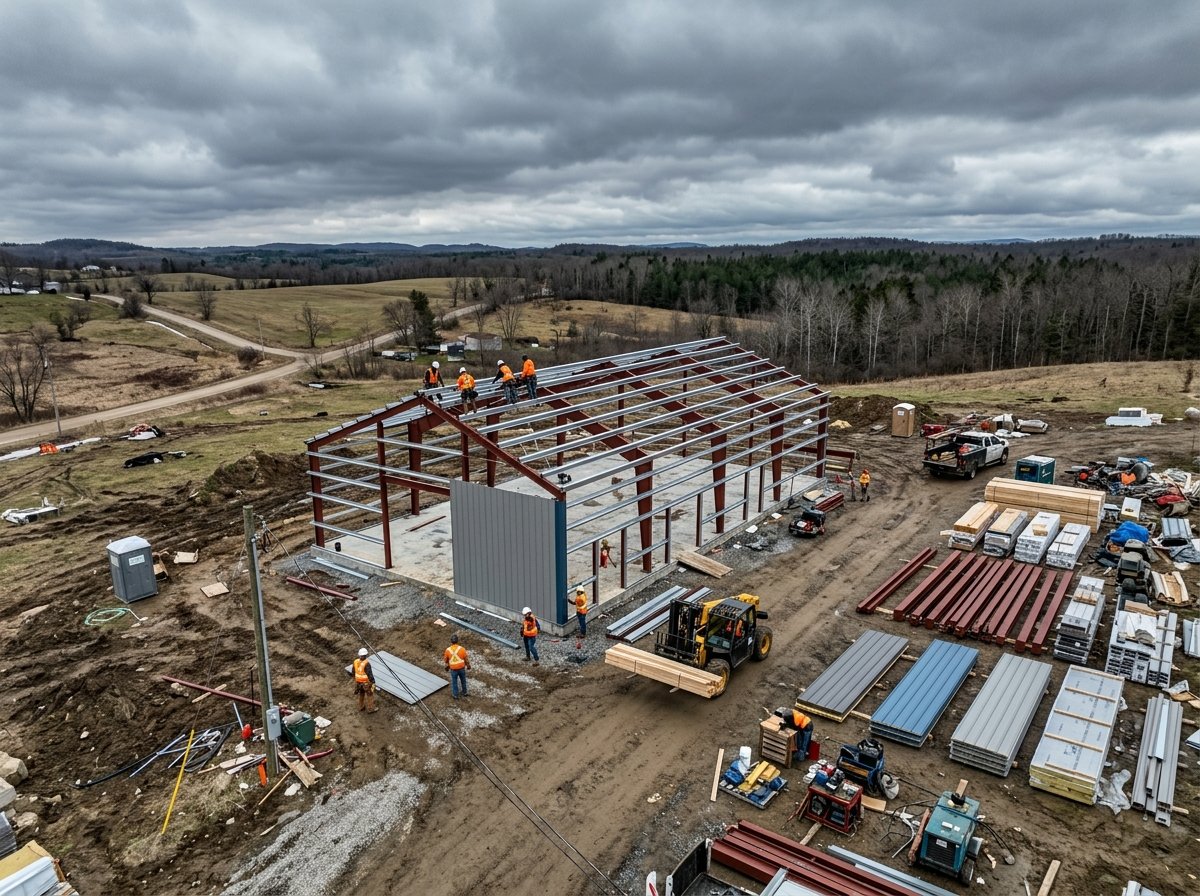
The cost of building a home never sits still, but 2024 and 2025 have delivered some unusually sharp shocks to prefab buyers. Tariffs on steel, lumber, and finished appliances, stacked on top of supply-chain disruptions that predated them, are pushing base prices upward across nearly every prefab category: modular homes, panelized kits, barndominiums, and metal building conversions. If you have been researching prefab house kits with prices or comparing prefab metal building kits prices and found the numbers higher than articles published even a year ago, tariff pressure is a significant reason why.
This article breaks down how each tariff category affects the prefab supply chain, which product types are most exposed, and what practical strategies buyers can use to protect their budgets.
Why tariffs hit prefab construction especially hard
Prefab manufacturers cannot absorb material cost increases the way large-volume tract builders sometimes can, because they typically buy steel, engineered lumber, and appliance packages for individual projects rather than in bulk contracts that pre-lock prices for years. Every time a material lands on a tariff schedule, the landed cost rises immediately for the next purchase order, and factories generally pass that increase forward within weeks.
The exposure is structural. A panelized kit is mostly lumber and fasteners. A prefab metal building home, the category behind search interest in prefab metal building home kits prices, is mostly steel. A modular home ships with a kitchen and bathrooms already installed, so appliance tariffs affect it at the factory, not as a separate buyer decision. Understanding which tariff hits which product category is the first step toward a smarter purchase.
Steel tariffs and metal building kits
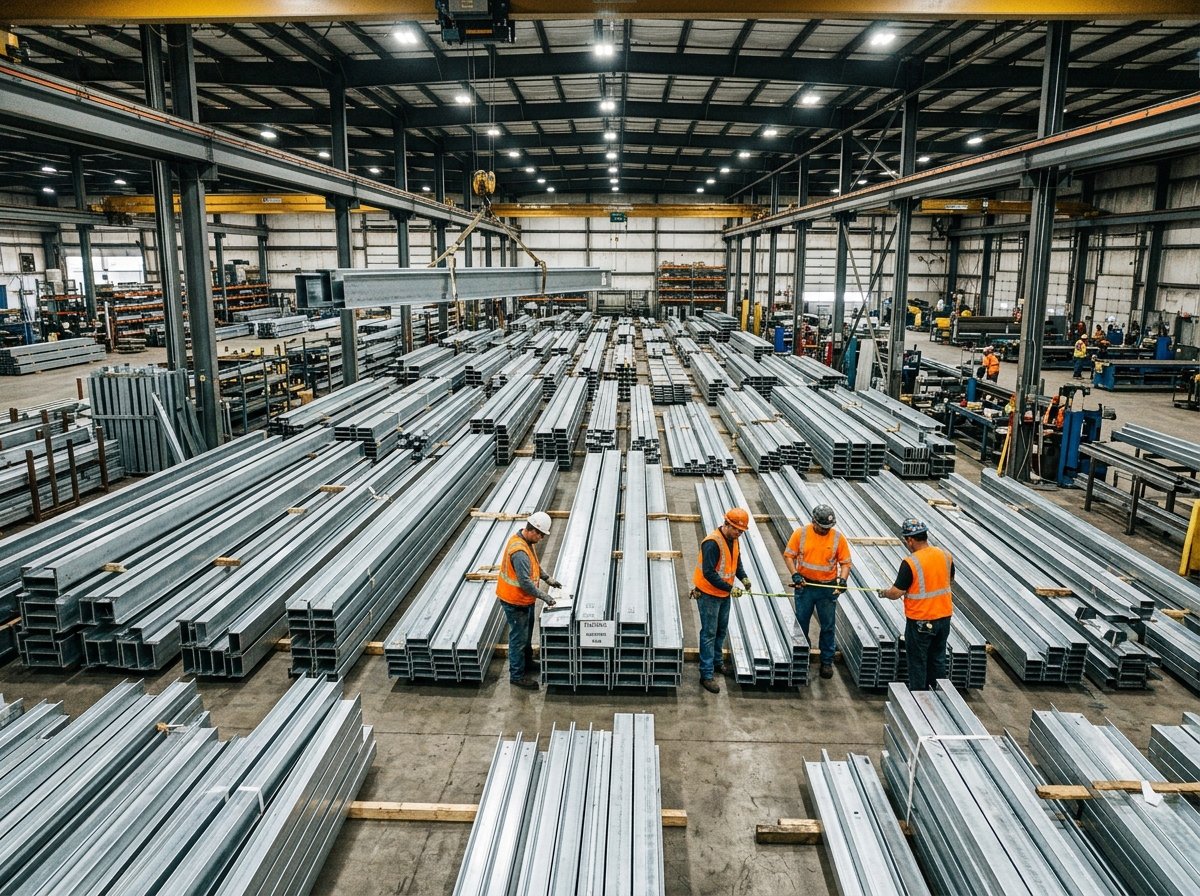
Section 232 tariffs on steel imports, first imposed in 2018 and subsequently modified, set a 25 percent tariff on steel from most countries, according to the Office of the United States Trade Representative. In 2025, the Trump administration expanded and reimposed tariff measures on steel and aluminum. Because structural steel accounts for a large share of material cost in a metal frame prefab, even a sustained 10- to 20-percent price swing in hot-rolled coil translates into meaningful changes in kit package prices.
The American Iron and Steel Institute publishes monthly domestic steel price indices. When those indices move sharply, prefab metal building dealers typically update their quote sheets within 30 to 60 days. Buyers who locked a quote and then delayed their order by several months have reported receiving revised pricing that no longer matched the original estimate.
The table below summarizes how the three main tariff categories interact with the most common prefab product types, drawing on USTR published tariff schedules and general industry supply-chain structure.
| Prefab Product Type | Primary Tariff Exposure | Secondary Tariff Exposure |
|---|---|---|
| Prefab metal building kit | Section 232 steel tariff (25%) | Section 301 tariffs on fasteners, HVAC components |
| Panelized wood-frame kit | Softwood lumber duties (Canadian imports, CVD/AD) | Section 301 tariffs on hardware, windows |
| Modular home (fully finished) | Appliance tariffs (Section 201 washers; Section 301 others) | Both steel and lumber duties on structure |
| Barndominium steel shell | Section 232 steel tariff (25%) | Interior lumber and finish materials |
| Prefab cabin kit (log or timber) | Softwood lumber duties | Hardware, roofing steel components |
Lumber tariffs and wood-frame prefab kits
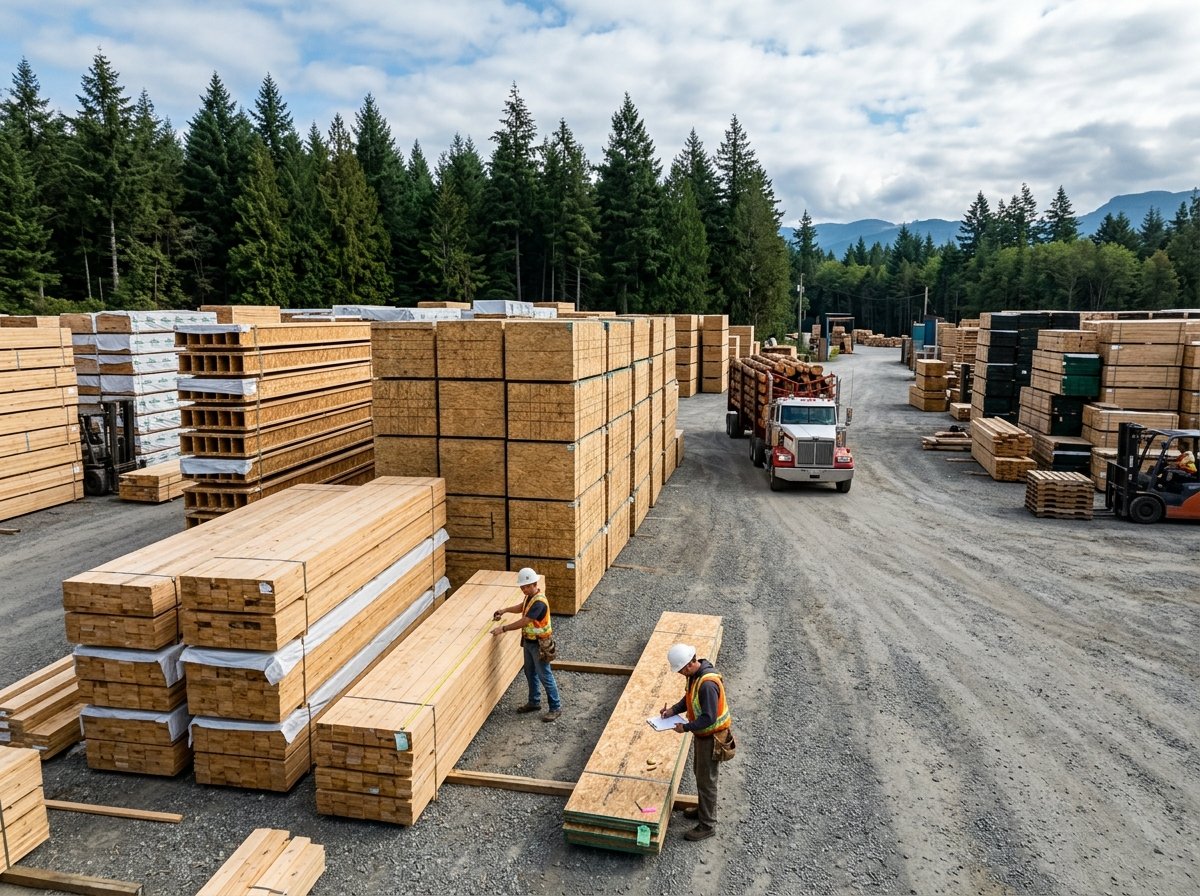
Canadian softwood lumber has faced U.S. countervailing and antidumping duties for decades, but the effective combined rate has fluctuated significantly. In 2024, the combined duty rate on most Canadian softwood lumber imports was above 14 percent, according to the U.S. International Trade Commission. That duty flows directly into the price of dimension lumber, oriented strand board, and engineered lumber products used in panelized kits and prefab cabin kits.
For buyers comparing prefab cabin kits with prices from different manufacturers, the lumber tariff differential matters because some manufacturers have shifted sourcing toward domestic suppliers to reduce exposure. Asking a kit supplier whether their lumber is domestic or imported is now a relevant due-diligence question.
The long-term ROI of prefab homes versus traditional construction still looks favorable in many markets, partly because factory efficiency and reduced site labor continue to offset some material-cost growth. But that analysis depends on knowing the current baseline price, which tariffs have moved.
Appliance tariffs and finished modular homes
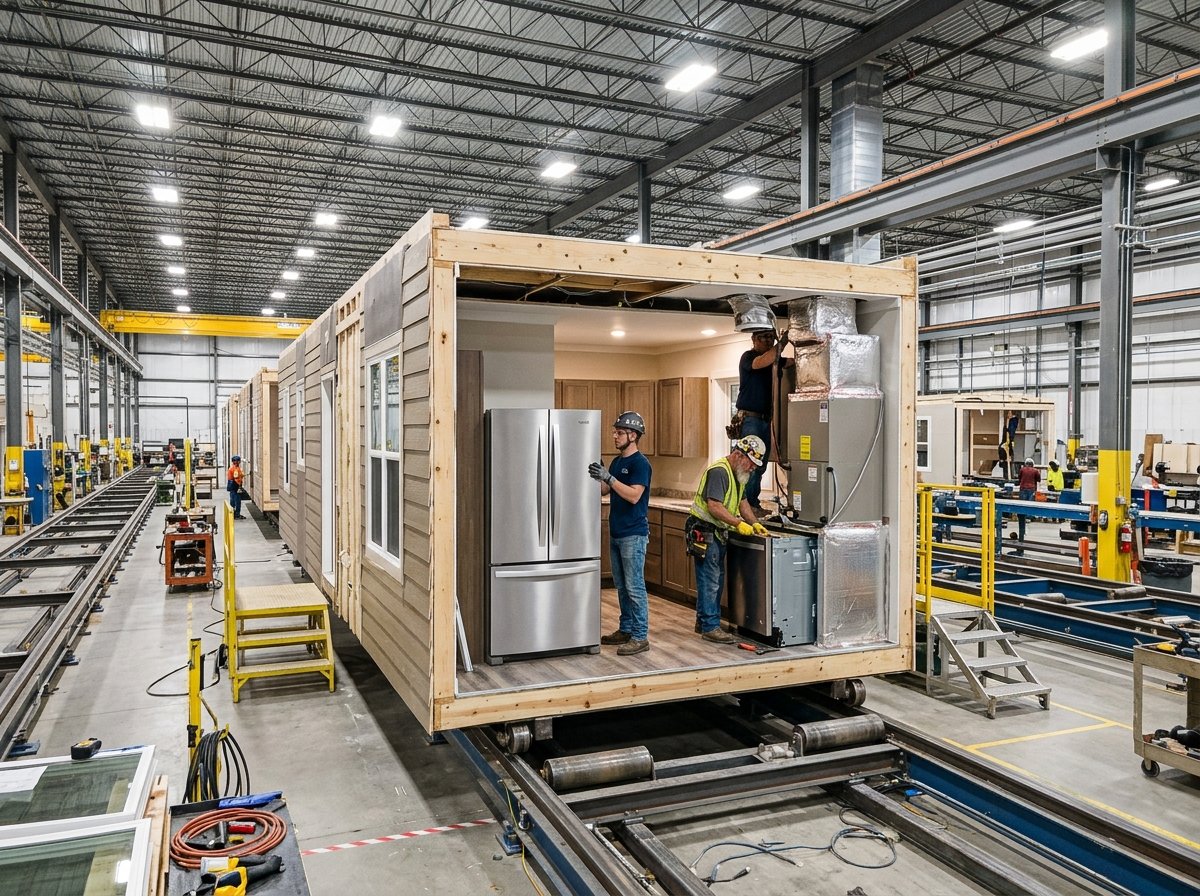
Modular homes and HUD-code manufactured homes often ship with refrigerators, dishwashers, ranges, and HVAC units installed. Section 201 tariffs on large residential washing machines and Section 301 tariffs on a wide range of goods imported from China affect dishwashers, refrigerators, and many HVAC components. When a modular factory must pay more for appliance packages, that increase typically appears in the factory base price of the finished home.
HUD’s Office of Policy Development and Research tracks manufactured housing prices, and their data show that average sales prices for new HUD-code homes have risen substantially since 2018, though multiple factors, including land and transportation costs, contribute alongside tariffs.
Buyers who want to understand the full ownership cost picture should read about monthly utility costs in prefab homes compared to traditional houses, since energy-efficient appliances and building envelopes can partially offset higher upfront prices over time.
Which prefab buyers are most exposed right now
- Buyers of steel-frame metal building home conversion kits, because steel is both heavily tariffed and a dominant share of material cost.
- Buyers in markets that rely on Canadian lumber, including much of the Pacific Northwest and California, where domestic alternatives may carry longer lead times.
- Buyers of fully finished modular homes who expect a turnkey appliance package, since tariff costs are embedded in the factory price without a line-item breakdown.
- Buyers of hurricane-rated prefab homes in Florida, where code-compliant steel connectors, impact-rated windows, and reinforced framing amplify the base cost of any tariff-affected material.
- Buyers comparing prefab barndominium homes with prices from multiple dealers: because barndominium shells are mostly steel, quotes can diverge significantly depending on when each dealer last purchased their steel inventory.
Practical strategies to manage tariff-driven cost increases

- Lock your quote contractually. Ask manufacturers whether their quote includes a price-hold period and for how long. Some manufacturers offer 30- to 60-day locks; others require a deposit to hold material pricing.
- Specify domestic steel or lumber where available. Domestically sourced steel is not subject to Section 232 duties, and some domestic sawmills are outside the Canadian duty perimeter.
- Consider a shell-only kit with owner-supplied appliances. Buying a structural shell kit and sourcing appliances separately lets you shop in categories where prices may be more favorable or where you can time purchases around sales and rebates.
- Compare modular versus panelized for your use case. Modular homes carry appliance tariff costs embedded in the factory price; panelized kits do not, since buyers supply their own finishes and fixtures.
- Build a contingency into your budget. Industry finance advisors commonly recommend a 10 to 15 percent contingency on material-heavy projects in volatile tariff environments. See the free guide on how to finance your prefab home or ADU for a structured approach to project budgeting.
- Monitor tariff review schedules. The USTR publishes review schedules for Section 301 tariffs. If a review is underway, rates could decrease, and waiting a few months might produce meaningful savings on large steel orders.
For buyers in California specifically, our coverage of the best prefab homes under $200K in California includes options from manufacturers who have partially insulated their pricing through domestic material sourcing.
The long view on prefab affordability
Tariffs are cyclical policy instruments that have been raised, lowered, and modified across multiple administrations. What remains durable is the factory efficiency advantage of prefab construction: less site labor, tighter material tolerances, and reduced construction waste. Those structural advantages support the long-term cost case for prefab even when input material prices rise. Buyers who research carefully, lock pricing where possible, and build adequate contingencies into their budgets are better positioned than those who assume quoted prices are stable.
Frequently asked questions about tariffs and prefab home prices
How do steel tariffs affect the price of a metal building kit?
The Section 232 tariff imposes a 25 percent duty on imported steel, according to the USTR. Because structural steel is the dominant material cost in a metal building kit, this tariff increases the manufacturer’s raw material cost and is typically passed through to the buyer. The effect is largest for buyers comparing prefab metal building kits prices across different order dates, since quotes issued months apart may reflect different steel input costs.
Are lumber tariffs affecting prefab cabin and panelized kit prices?
Yes. Combined antidumping and countervailing duties on Canadian softwood lumber have exceeded 14 percent in recent administrative review cycles, per the U.S. International Trade Commission. Buyers should ask suppliers whether their lumber is domestically sourced, which would not be subject to these duties.
Do appliance tariffs show up in modular home prices?
They do, and they are typically invisible to the buyer because modular homes ship with appliances already installed. Section 301 tariffs on goods imported from China cover many appliance categories and HVAC components. Buyers who want to separate appliance costs from structure costs can request a shell-only quote and source appliances independently.
Are prefab barndominiums more tariff-exposed than wood-frame prefab?
Steel-frame products face Section 232 tariff pressure, while wood-frame products face lumber duty pressure. Both are exposed; the relative impact depends on current market rates. When steel tariffs are at their peak and lumber duties are moderate, barndominium shells and metal building home kits face higher relative cost pressure than wood-frame panels.
What should I ask a prefab manufacturer about tariff exposure?
- Is the quote price-held, and for how long?
- Is structural steel or lumber domestically sourced?
- Are appliance costs itemized separately, or embedded in the base price?
- Have prices changed in the last 90 days due to material cost increases?
Can financing strategies offset tariff-driven price increases?
Financing cannot eliminate the added cost, but structuring the deal correctly helps. A construction-to-permanent loan that locks the interest rate at approval can protect against rate drift while you navigate extended lead times. The prefab home financing guide covers loan product options in detail.
Sources
- Office of the United States Trade Representative. “Section 232 Tariffs on Steel and Aluminum.” https://ustr.gov/issue-areas/industry-manufacturing/section-232-tariffs-steel-and-aluminum
- Office of the United States Trade Representative. “Section 301 Tariffs on Chinese Goods.” https://ustr.gov/issue-areas/enforcement/section-301-investigations/section-301-china/tariff-actions
- U.S. International Trade Commission. “Softwood Lumber from Canada.” https://www.usitc.gov/investigations/701_731/softwood_lumber_canada_vi.htm
- U.S. Department of Housing and Urban Development, Office of Policy Development and Research. “Manufactured Housing Data.” https://www.huduser.gov/portal/datasets/manufactured-housing.html
- American Iron and Steel Institute. “Steel Statistics.” https://www.steel.org/steel-technology/steel-markets/construction/
