



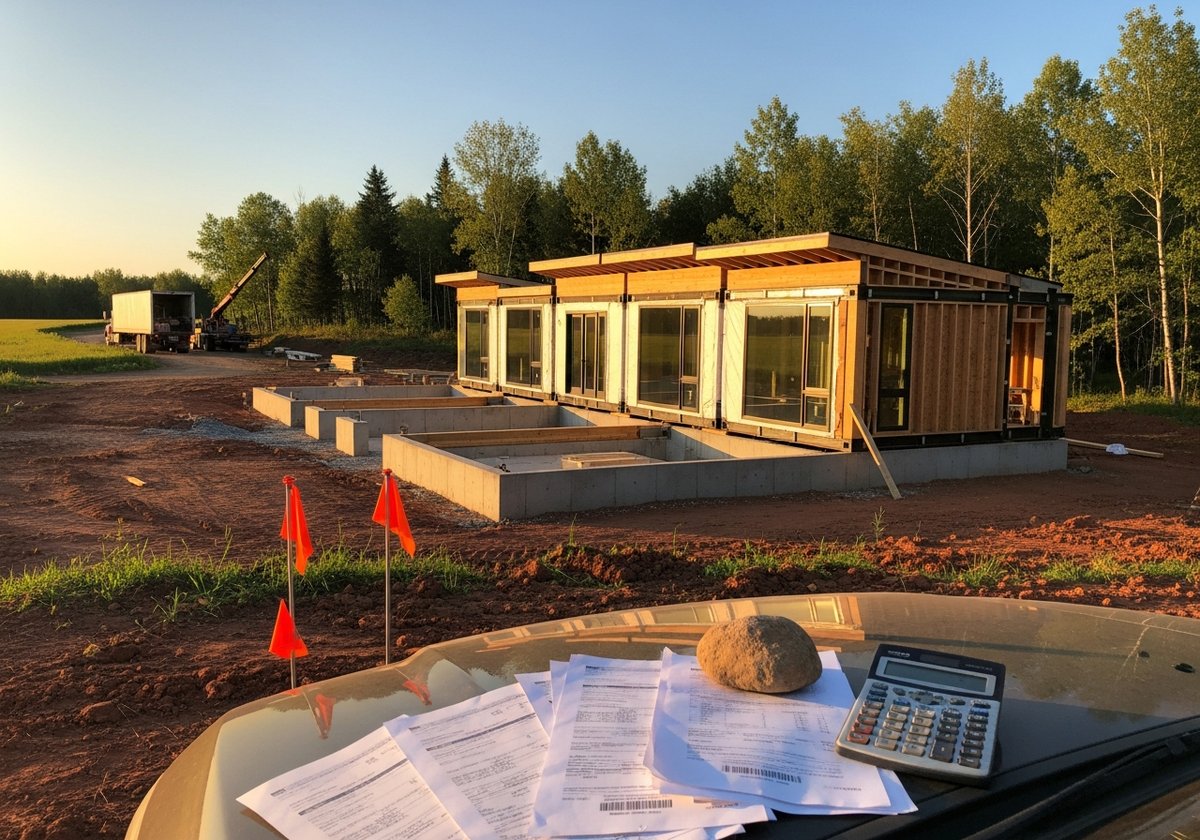
Everyone talks about how affordable prefab homes are upfront. The factory-built efficiency, the compressed timelines, the lower sticker price compared to traditional stick-built construction. And honestly, a lot of that is true. But here is the part of the conversation that tends to get quietly skipped: what happens after you sign the papers and move in? The hidden costs of prefab homes can catch even well-prepared buyers off guard, and understanding them before you commit could save you tens of thousands of dollars over the life of your ownership.
This is not a scare piece. Prefab homes can be a genuinely smart financial decision. But like any major purchase, the full picture matters. Let us walk through the ownership expenses that rarely make it into the sales brochure.
The Land Question Nobody Solves for You
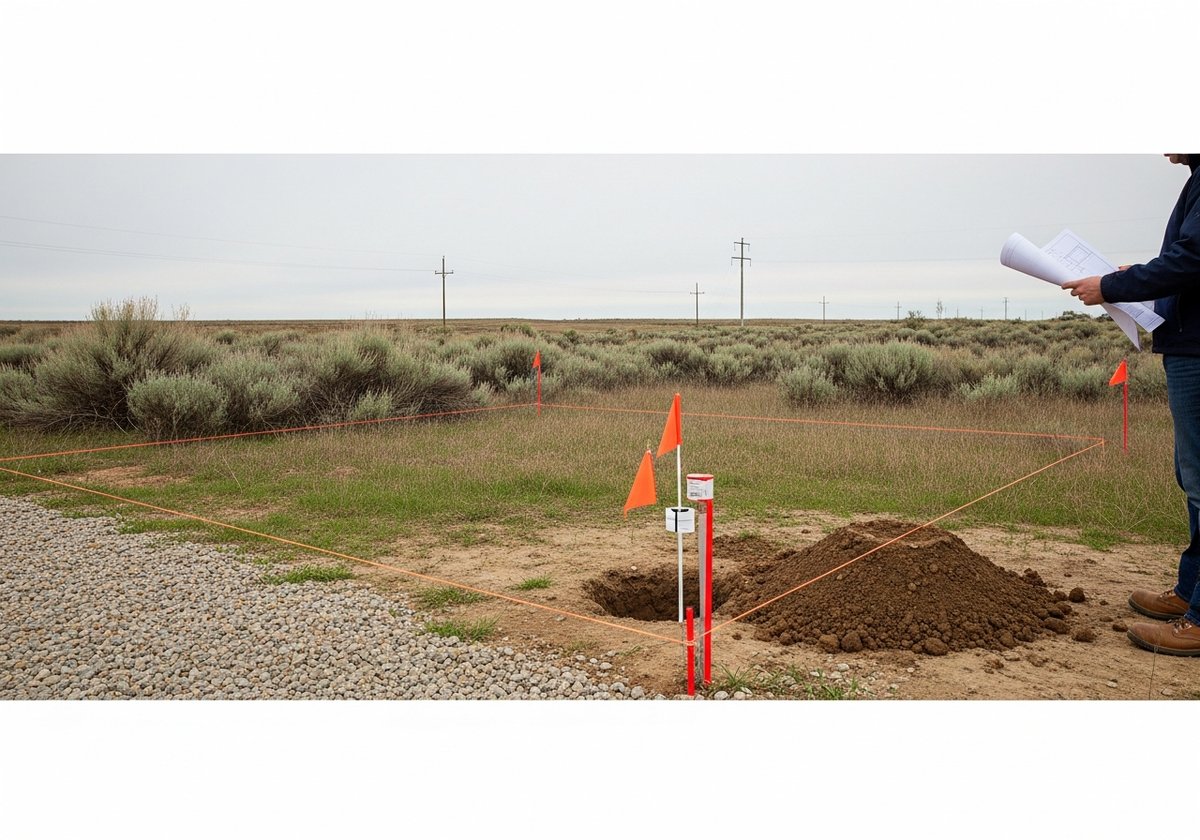
One of the most significant hidden costs for prefab buyers is also one of the most obvious in hindsight: the land. When you shop for a traditional home, land and structure come bundled together in a single price. With prefab, they are almost always separate line items, and the land side of the equation can be brutally expensive depending on where you want to live.
In California, raw land in desirable areas regularly runs from $150,000 to well over $500,000 before a single module is delivered. Add site preparation costs – grading, drainage, utility hookups, and foundation work – and you can easily be looking at another $50,000 to $100,000 before your prefab home even arrives. Buyers who budget only for the home itself often experience genuine sticker shock at this stage.
Then there are permitting fees. Local jurisdictions charge for building permits, inspections, and plan checks, and these vary wildly from county to county. Understanding how to navigate prefab permitting in California step by step can help you anticipate these fees rather than be blindsided by them.
Financing Costs That Add Up Quietly

Prefab homes occupy an interesting and sometimes awkward space in the lending world. Depending on how your home is classified – modular, manufactured, or panelized – the financing options available to you can differ dramatically, and so can the interest rates.
Manufactured homes have historically been financed through personal property loans (called chattel loans) rather than traditional mortgages. These loans typically carry higher interest rates and shorter repayment terms, meaning your monthly payment and total interest paid over time can be substantially higher than a comparable stick-built home financed through a 30-year conventional mortgage.
Even modular homes, which are typically treated more like traditional real estate, can face lender hesitation that results in slightly less favorable terms. Before you assume your financing costs will mirror what a friend paid for their traditional home, it is worth reading up on prefab home mortgages explained so you understand exactly what you are stepping into.
There is also the question of appraisal. Prefab homes can be harder to appraise accurately because comparable sales data is thinner. If your home appraises below the purchase price, you may need to cover the gap in cash or renegotiate entirely.
Insurance: A Category Full of Surprises
Standard homeowners insurance policies were written with traditional construction in mind. Prefab homes, especially manufactured homes, often fall outside the assumptions baked into those standard policies, which means gaps in coverage you might not discover until you file a claim.
Some insurers charge higher premiums for prefab homes based on perceived risk. Others exclude certain types of damage that would be covered under a policy for a site-built home. And if your home is located in a high-risk zone for wildfires, floods, or wind events, the coverage you actually need may be expensive and difficult to obtain. Understanding what standard insurance policies do not cover for prefab homes is essential before you finalize your purchase.
Maintenance Costs: The Real Long-Game Expense
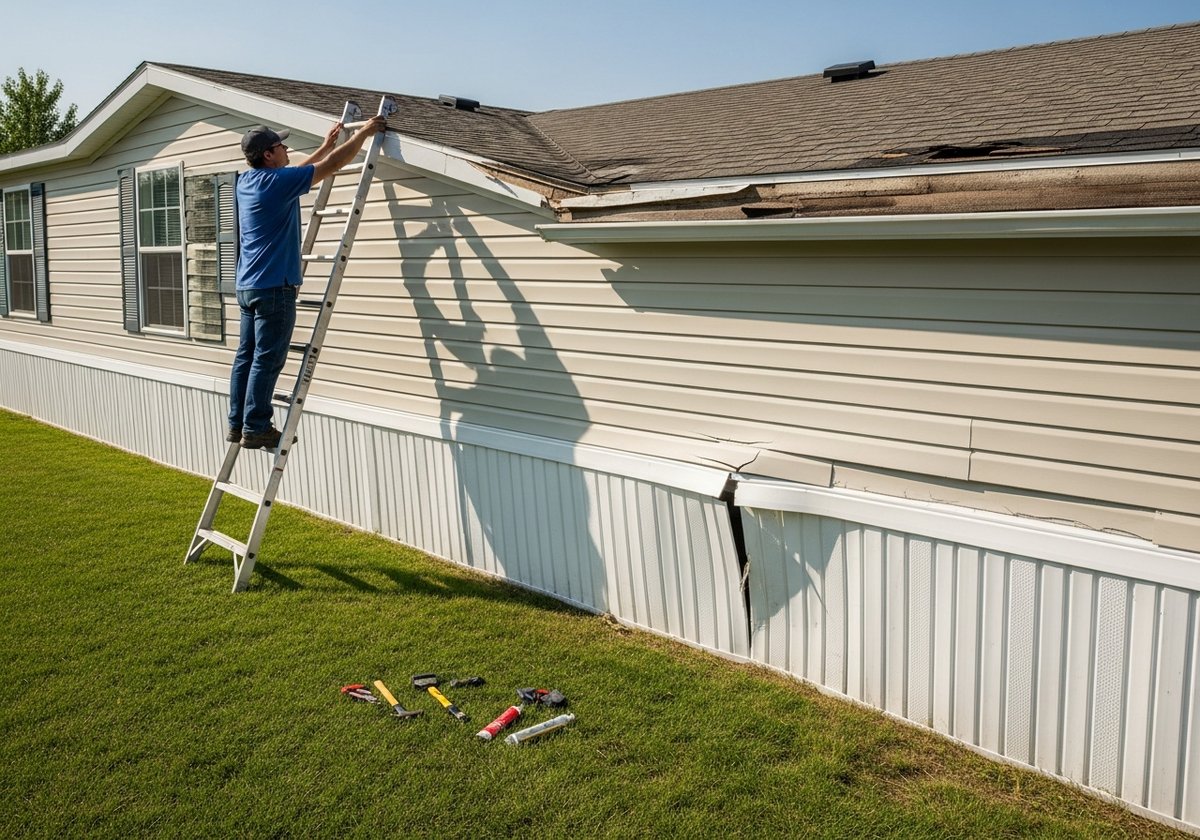
High-quality modular homes built to modern standards can be remarkably durable and low-maintenance. But lower-cost manufactured homes, particularly those built before stricter HUD code updates, can require more frequent attention to roofing, skirting, insulation, and moisture management.
The general rule of thumb for any home is to budget one to two percent of the home’s value annually for maintenance. For a $250,000 prefab home, that is $2,500 to $5,000 per year. But some prefab owners – especially those in communities with strict homeowner association rules about exterior appearance – find that number climbs higher because of required upgrades or repairs the HOA mandates.
If your prefab home sits in a manufactured home community or a planned development, HOA fees are a real and recurring cost. These fees can range from modest to substantial, covering road maintenance, shared amenities, and community management. Over 20 years, even a $300 per month HOA fee represents $72,000 in additional ownership expenses.
Utility and Energy Costs Over Time
Modern prefab homes built with high-performance insulation, triple-pane windows, and efficient mechanical systems can dramatically outperform older stick-built homes on energy costs. However, older or lower-cost manufactured homes can have the opposite problem. Thin walls, minimal insulation, and aging HVAC systems translate directly into higher heating and cooling bills year after year. The difference between a high-performance prefab and a budget manufactured home on monthly energy costs can easily exceed $200 per month, or $2,400 per year. Over a decade, that gap becomes $24,000 – a number that should factor into any honest comparison of prefab vs traditional home costs. The data on monthly utility costs in prefab homes compared to traditional houses provides useful real-world context.
Depreciation and Resale Value
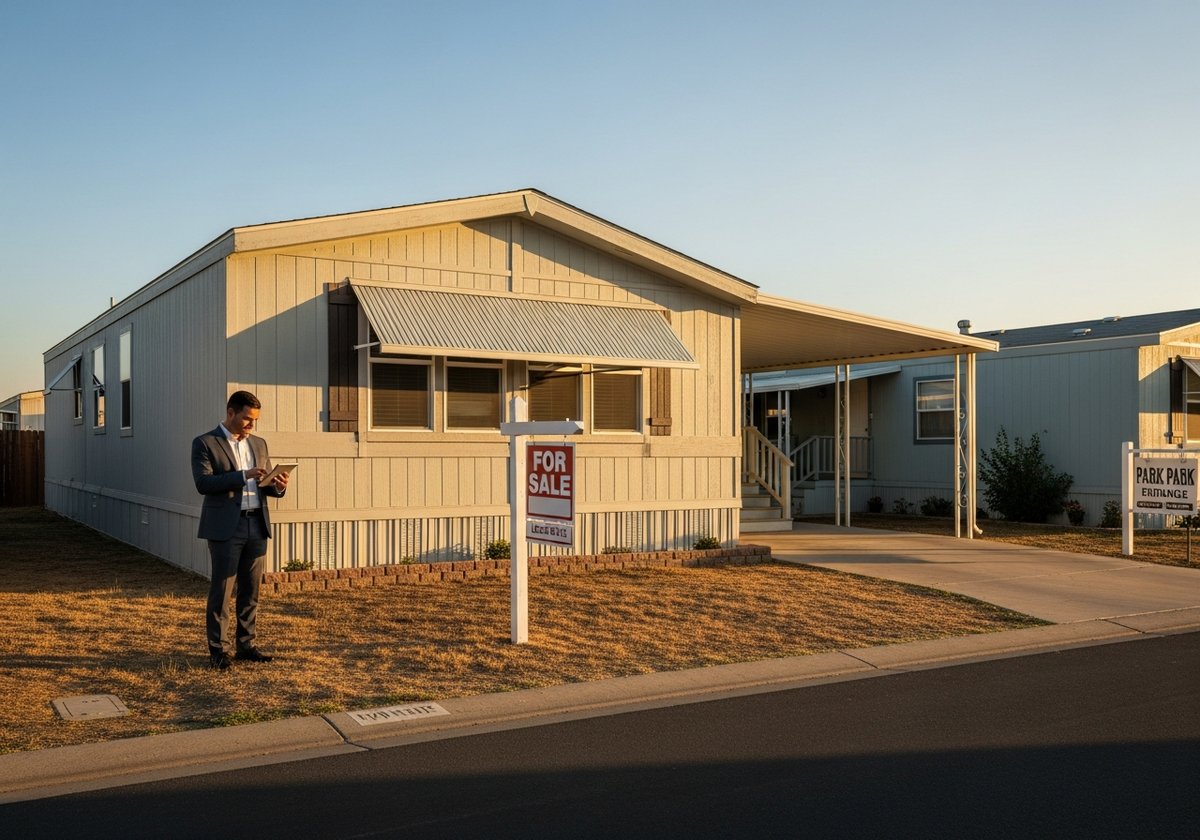
This is perhaps the most emotionally charged hidden cost, and it deserves a frank conversation. Traditional site-built homes in desirable markets tend to appreciate over time. Many prefab homes – particularly manufactured homes that sit on leased land – do not follow the same pattern and can depreciate similarly to vehicles.
Modular homes on owned land generally hold value better and may appreciate in line with local real estate markets. But manufactured homes in land-lease communities face real resale challenges. The combination of a depreciating structure and a land lease that can be terminated or raised in cost creates meaningful financial risk over a long ownership horizon. Before purchasing, ask about recent comparable sales in the area to understand your likely resale trajectory.
The Costs of Customization and Upgrades
Factory-built homes often come with base configurations that are functional but not always what buyers ultimately want. Upgrades – better flooring, expanded layouts, enhanced kitchens, solar-ready wiring – add to the purchase price, sometimes significantly. Post-delivery modifications can also be costlier than equivalent renovations on a traditional home. Always factor in a realistic contingency of at least ten percent of the total project cost for the unexpected.
Frequently Asked Questions About Hidden Prefab Home Costs
What are the biggest hidden costs when buying a prefab home?
The costs that most often surprise buyers include:
- Land purchase and site preparation, including grading, utilities, and foundation work
- Permitting fees, which vary significantly by jurisdiction
- Higher financing costs if the home qualifies only for chattel or personal property loans
- Insurance gaps and higher premiums for manufactured or modular homes
- HOA fees in manufactured home communities
- Ongoing maintenance costs, particularly for older or lower-cost manufactured homes
Do prefab homes cost more to insure than traditional homes?
Often yes, particularly for manufactured homes. Standard policies may not cover all risks, and premiums can be higher due to perceived structural differences. Shopping with insurers who specialize in manufactured or modular housing is strongly recommended.
How does financing a prefab home differ from a traditional mortgage?
Modular homes on owned land typically qualify for conventional mortgages. Manufactured homes may require chattel loans, which carry higher rates and shorter terms. This difference can add significantly to your total cost of ownership over time.
Do manufactured homes appreciate in value?
It depends heavily on land ownership and location. Manufactured homes on leased land tend to depreciate. Modular or manufactured homes on owned land in strong real estate markets can appreciate, though often more slowly than comparable site-built homes.
What maintenance costs should I budget for a prefab home?
- Roof maintenance and eventual replacement
- HVAC servicing and replacement
- Exterior skirting or cladding repairs
- Moisture and vapor barrier management in older homes
- Annual budget of one to two percent of home value as a general rule
Are there tax credits or rebates that offset prefab home costs?
Yes, in some states and for certain qualifying homes. Energy-efficient prefab homes may qualify for federal tax credits, and California offers specific programs for green construction. Researching available incentives before you buy can meaningfully reduce your net costs.
Is prefab housing cheaper than traditional construction over the long run?
It can be, especially when energy performance and construction efficiency are factored in. But the honest answer depends on the quality tier of the home, financing terms, land costs, and local resale market conditions. A full lifecycle cost comparison is the only way to know for certain.
What should I ask a prefab builder before signing a contract?
- What is included in the base price, and what costs are excluded?
- What are the site preparation and utility connection requirements?
- How is the home classified for financing and insurance purposes?
- What warranty coverage applies to the structure, systems, and appliances?
- What do comparable homes in this area resell for?
Sources
- U.S. Department of Housing and Urban Development – HUD Code for Manufactured Housing
- Consumer Financial Protection Bureau – Manufactured Housing Finance Reports
- National Association of Realtors – Manufactured and Modular Housing Data
- California Department of Housing and Community Development – Prefab Housing Guidelines
- Urban Land Institute – Attainable Housing Cost Studies
