



You bought a prefab home, you’ve been making payments for a few years, and now you’re wondering: can I refinance this thing? Maybe rates have dropped, maybe your credit score climbed, or maybe you just want to tap some equity for a renovation. The question seems simple enough. But for prefab homeowners, the answer is almost never simple – and understanding why can save you months of frustration and potentially thousands of dollars.
Prefab homes occupy a complicated middle ground in the mortgage world. Depending on how your home was built, how it’s classified, and how it sits on your land, refinancing could be nearly as easy as refinancing a traditional stick-built house – or it could feel like navigating a bureaucratic maze. Let’s break down exactly what you’re dealing with.
The Classification Problem: Why Your Home’s Label Matters More Than You Think
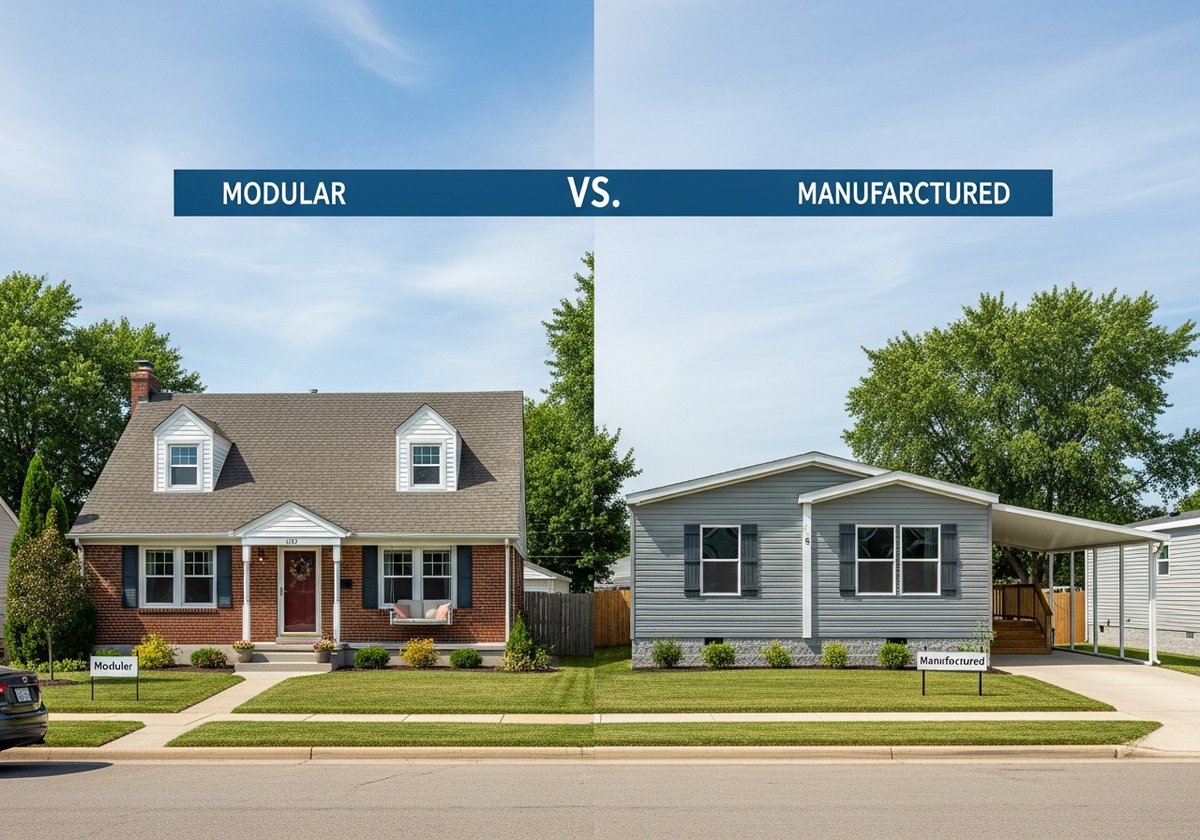
Here’s something that surprises many prefab homeowners: the word “prefab” isn’t a legal or financial category. Lenders don’t have a single box labeled “prefab.” What they do have are very specific categories – modular, manufactured, and site-built – and each one comes with its own financing rules, loan products, and refinancing pathways.
A modular home is built in sections in a factory, transported to a site, and assembled on a permanent foundation. Once in place, most lenders treat it exactly like a site-built home. That means conventional refinancing through Fannie Mae, Freddie Mac, FHA, VA, or USDA loans is typically available. If your prefab is modular, you’re in relatively good shape.
A manufactured home (what many people still call a mobile home, even if it never moves) is built to a different federal standard – the HUD code – and sits on a steel chassis. These homes can absolutely be refinanced, but the options are narrower, the requirements are stricter, and the interest rates are often higher. The distinction matters enormously.
Before you talk to a single lender, confirm exactly how your home is classified in your county’s property records. Look at your title. If it says “real property,” you’re in better shape. If it says “personal property,” you’ll face more hurdles – though those hurdles aren’t insurmountable.
Real Property vs. Personal Property: The Single Biggest Factor
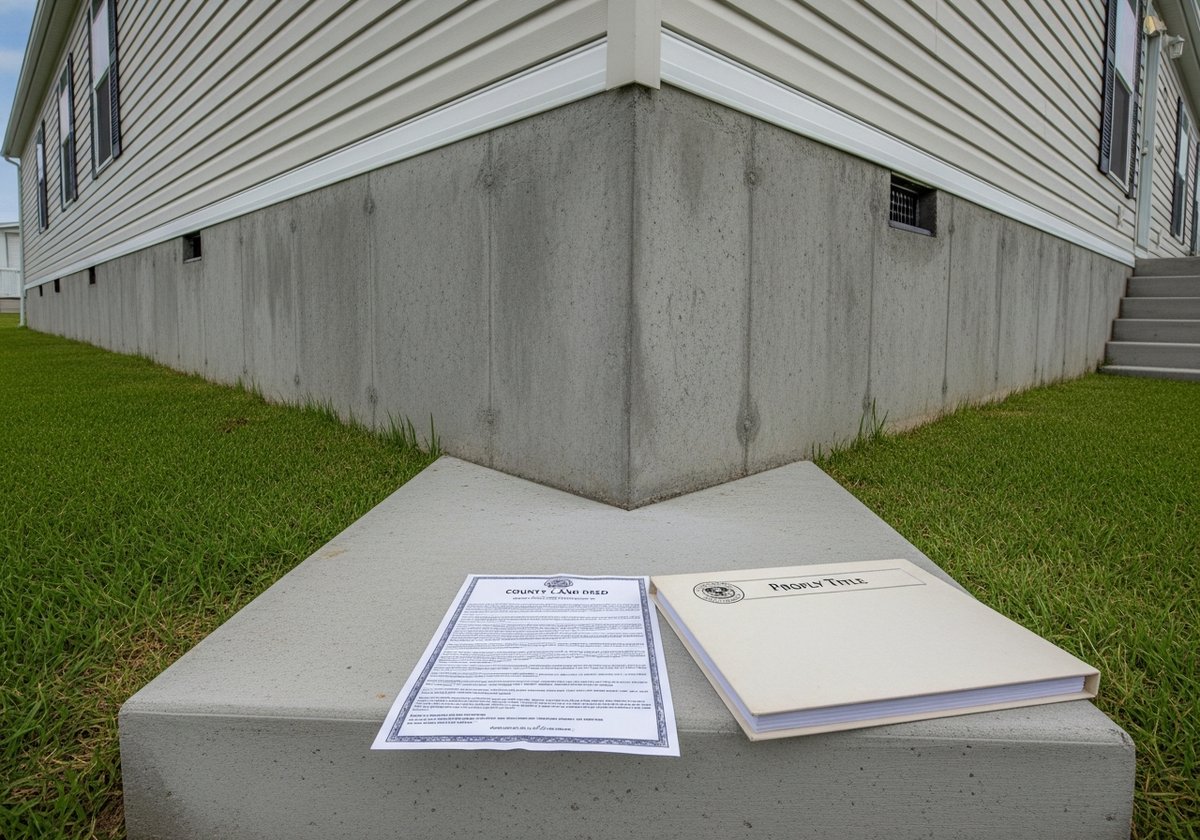
When a manufactured home is permanently affixed to land you own – on a permanent foundation, with the original title retired through your state’s titling process – it can be converted to real property. At that point, it becomes eligible for conventional mortgage products, including refinancing.
Personal property loans (sometimes called chattel loans) exist for homes on leased land or homes that haven’t gone through the titling conversion process. These loans typically carry higher interest rates, shorter terms, and fewer refinancing options. If you’re currently in a chattel loan and you own your land, converting your title and then refinancing into a conventional loan could deliver significant savings over the life of your mortgage.
For a deeper look at the full spectrum of loan products available to prefab owners, the guide on financing options for prefab homes, including mortgages, loans, and grants covers the landscape in detail. Understanding what loan you currently hold is just as important as knowing what you’re refinancing into.
Loan Programs That Can Work for Prefab Refinancing

Conventional Loans
Fannie Mae and Freddie Mac both have programs for manufactured homes on permanent foundations. Fannie Mae’s MH Advantage program offers rates comparable to site-built homes for qualifying manufactured homes that meet specific design standards – think pitched roofs, drywall interiors, and energy-efficient construction. Freddie Mac has CHOICEHome, which works similarly. Modular homes qualify under standard conventional guidelines. Credit score requirements typically sit around 620 to 680, and you’ll need at least 5% equity to refinance.
FHA Title I and Title II
FHA Title II loans cover manufactured homes on permanent foundations and are treated like any other FHA mortgage. Title I loans cover personal property (chattel) situations. FHA products generally allow lower credit scores and down payments, making them useful for borrowers who don’t qualify for conventional refinancing.
VA and USDA Loans
Veterans can refinance manufactured homes through VA-backed loans, but the home must be on a permanent foundation and classified as real property. The VA’s Interest Rate Reduction Refinance Loan (IRRRL) is a streamlined option for veterans already in VA loans. For rural properties, USDA loans are available for manufactured homes on permanent foundations – geographic eligibility applies, so check whether your property qualifies.
If you’re navigating this landscape for the first time, the explainer on what prefab homebuyers need to know about mortgages lays out the fundamentals before you start shopping lenders.
Common Obstacles and How to Clear Them
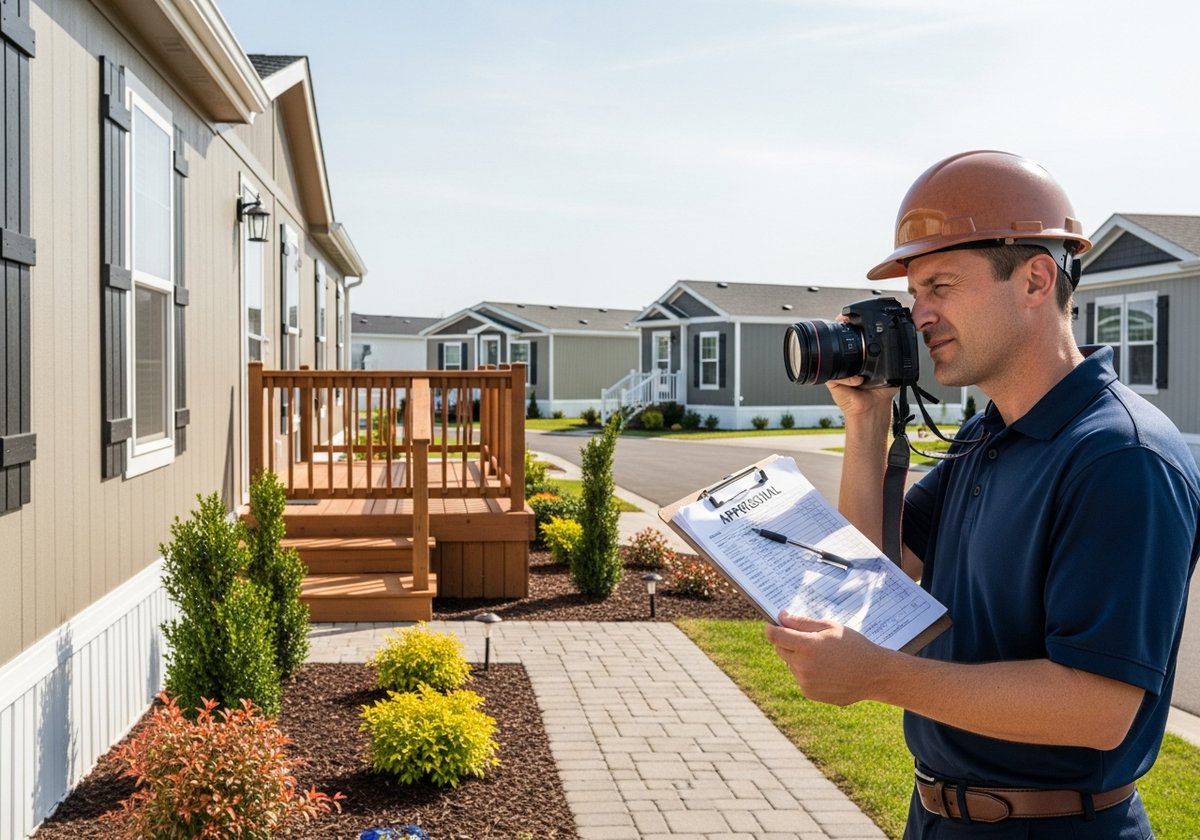
Appraisal Challenges
Lenders require appraisals, and appraisers need comparable sales to value your home. In some markets, manufactured homes are rare enough that finding truly comparable sales is difficult. This can suppress your appraised value and reduce the equity available for refinancing. Solutions include hiring an appraiser with specific manufactured home experience and providing your own list of relevant comps from your area.
Age and Condition Requirements
Many loan programs have age restrictions for manufactured homes. Some conventional programs won’t refinance homes built before 1976 (the year HUD began regulating manufactured housing). FHA and VA have their own condition requirements. If your home is older or has deferred maintenance, get those issues addressed before applying.
Foundation Certification
For any refinancing that treats your home as real property, lenders will typically require an engineer’s certification confirming the home meets HUD permanent foundation guidelines. This inspection costs a few hundred dollars and takes time to schedule, so don’t wait until the last minute.
Lender Availability
Not every lender works with manufactured homes. This is genuinely frustrating, but it’s also why comparing multiple lenders – including community banks, credit unions, and specialized manufactured housing lenders – is worth the extra effort. The innovative financing models emerging for prefab homes in 2025 highlights newer lending approaches that are broadening options for prefab owners specifically.
When Refinancing Makes Sense – and When It Might Not
Refinancing only makes financial sense if the savings outweigh the costs. A standard rule of thumb: you want to recover closing costs within two to three years through lower monthly payments. For a manufactured home with higher closing costs or a smaller loan balance, that breakeven point can stretch further than expected.
Run the numbers honestly. If you have eight years left on a 10-year chattel loan, refinancing into a 30-year conventional mortgage might lower your monthly payment but dramatically increase your total interest paid. Conversely, if you’re in a high-rate chattel loan with 20 years remaining and you can convert to a conventional loan at a lower rate, the long-term savings could be substantial. Also consider cash-out refinancing – if you’ve built equity, a cash-out refi can fund additions or upgrades worth considering if you want to expand or improve your prefab layout.
Steps to Improve Your Refinancing Position
- Confirm or pursue real property classification if you own your land.
- Build your credit score above 680, which opens up significantly better loan products.
- Reduce your loan-to-value ratio by paying down your principal or letting appreciation build equity.
- Document any upgrades or improvements with receipts and permits to support a stronger appraisal.
- Get your foundation certified before you start the application process.
- Shop at least three lenders who have explicit experience with manufactured or modular home refinancing.
Frequently Asked Questions About Prefab Home Refinancing
Can you refinance a prefab home at all?
Yes. Modular homes refinance much like traditional homes. Manufactured homes can also be refinanced, though the options depend on whether the home is classified as real property, its age, and whether it sits on a permanent foundation.
What’s the difference between refinancing a modular home vs. a manufactured home?
Modular homes typically qualify for conventional loans and refinancing on the same terms as site-built homes. Manufactured homes face more restrictions, though FHA, VA, USDA, and some conventional programs do cover them when they meet specific criteria.
Do I need to own the land to refinance a manufactured home?
Not always, but owning the land and converting your title to real property significantly expands your refinancing options and usually results in better interest rates. Homes on leased land are typically limited to chattel loans.
What credit score do I need to refinance a prefab home?
- FHA loans: typically 580 or higher.
- Conventional loans: typically 620 to 680 or higher.
- VA loans: no official minimum, but most lenders prefer 620 or above.
- Chattel/personal property loans: requirements vary by lender, often 600 or higher.
Are interest rates higher for manufactured home refinancing?
Often, yes. Manufactured homes generally carry slightly higher rates than site-built homes, especially on chattel loans. Homes on permanent foundations that qualify for conventional products tend to get rates much closer to standard mortgage rates.
How long does it take to refinance a prefab home?
Expect 30 to 60 days in most cases. If you need a foundation inspection or title conversion, add several weeks to that timeline. Working with a lender experienced in manufactured housing speeds the process considerably.
Can I do a cash-out refinance on a prefab home?
Yes, if you have sufficient equity and your home qualifies under the loan program’s guidelines. Cash-out refinancing is available through FHA, VA, and some conventional programs for qualifying prefab homes on permanent foundations.
Sources
- U.S. Department of Housing and Urban Development – Manufactured Housing Programs
- Fannie Mae – MH Advantage Eligibility Guidelines
- Freddie Mac – CHOICEHome Mortgage Program Documentation
- Consumer Financial Protection Bureau – Manufactured Housing Finance Reports
- U.S. Department of Veterans Affairs – VA Home Loan Eligibility for Manufactured Homes
