



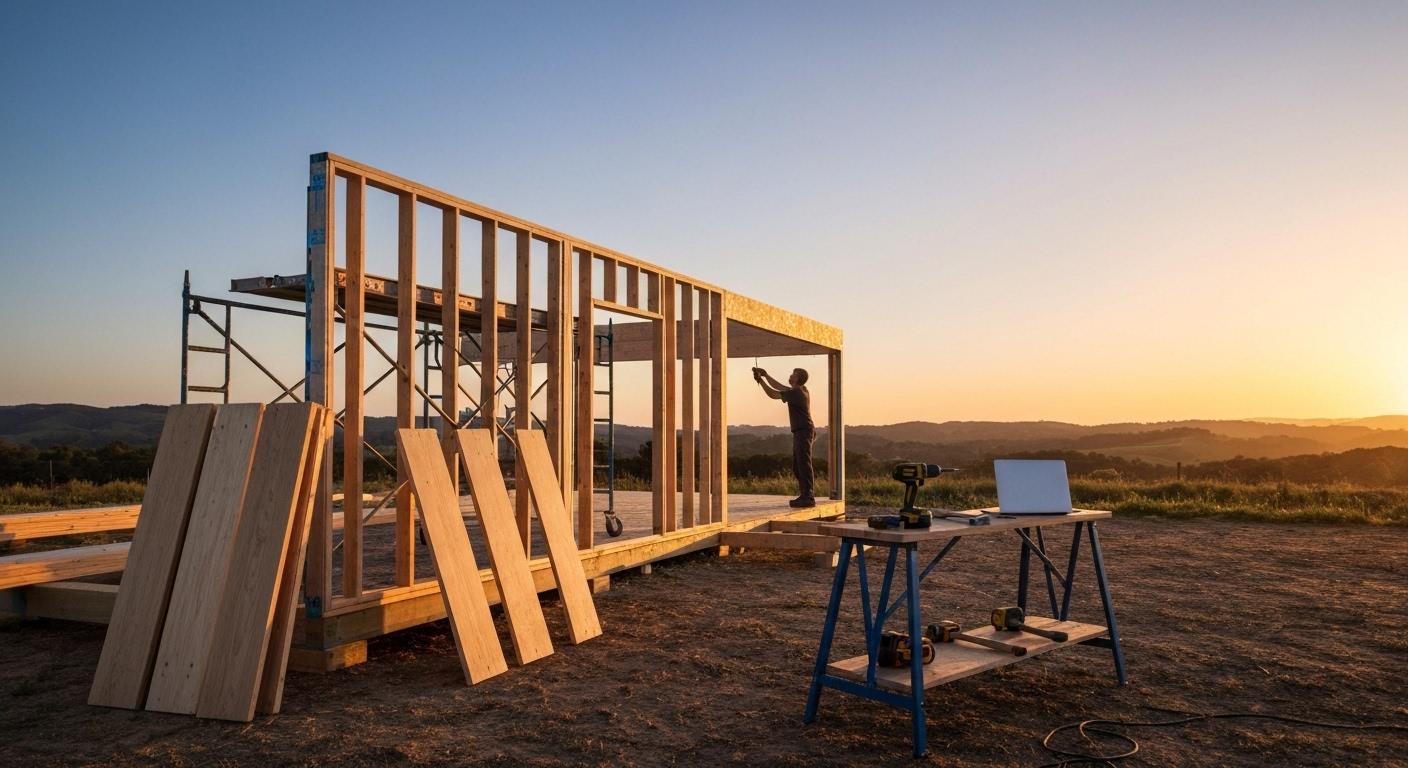
Introduction to Prefab Home Kits
In recent years, prefab home kits have shaken up the traditional home-building industry, captivating DIY enthusiasts with their promise of simplicity, cost-effectiveness, and sustainability. But what exactly are these kits? In essence, prefab home kits are ready-to-assemble packages containing pre-cut materials for constructing a home. Their allure lies in their modular nature, which allows for easier transport and faster assembly. As urban sprawl increases and housing prices soar, more people are drawn to this innovative solution that promises a cozy residence without the hefty price tag.
Types of Prefab Home Kits Available
The world of prefab home kits is wonderfully diverse, offering options to suit every taste and need. There are three primary types: modular, panelized, and traditional kit homes. Modular homes come in pre-built sections, or modules, that are assembled on-site, like stacking oversized building blocks. Panelized homes, on the other hand, use pre-fabricated wall panels that fit together like a giant puzzle. Lastly, traditional kit homes provide all necessary materials but require a bit more elbow grease, ideal for those who want a more hands-on approach.
Materials can vary across these types, ranging from traditional wood to modern steel and eco-friendly composites. With a wide array of design options from sleek, minimalist designs to quaint, rustic cabins there’s something for every aesthetic. Moreover, these kits are suitable for various climates, from the sun-drenched expanses of California to the snow-laden fields of the American Midwest.
Top Prefab Home Kit Providers
Several companies stand out in the prefab home industry, known not just for their quality but also for their customer-centered approach. Companies like Deltec Homes and BONE Structure have built reputations for offering environmentally friendly homes with stunning architectural designs. For those on a budget, Shelter-Kit provides affordable options without compromising on quality.
Pricing varies based on size, materials, and complexity, but most providers offer solutions for a wide range of budgets. Customer service is a key differentiator in this industry, with most companies offering support throughout the build process, ensuring that even the most complex projects go smoothly.
Essential Tools and Materials for Building with Prefab Kits
Embarking on a prefab home project requires some essential tools and a bit of planning. At a minimum, you’ll need basic hand tools, a power drill, and a level. For sourcing materials, quality is paramount. It’s crucial to work with the materials provided in the kit to maintain structural integrity.
Don’t forget the safety equipment hard hats, gloves, and eye protection are non-negotiable. And a friendly tip: take the time to read through all instructions before starting. This preparation can make all the difference in ensuring a smooth, safe assembly process.
Tips for Successful DIY Prefab Home Construction
Success in building your prefab home lies in meticulous planning. Start by drafting a comprehensive build schedule and sticking to it as closely as possible. Common challenges, like misaligned panels or missing parts, are easier to handle if anticipated. Staying flexible and patient can turn potential frustrations into minor hiccups.
Energy efficiency is another important consideration. Simple tweaks, such as using high-efficiency windows or installing additional insulation in walls and ceilings, can significantly reduce energy costs in the long run. Always follow the manufacturer’s instructions you’ll often find their tips and warnings are based on years of experience.
Legal Considerations for Prefab Homes
Building a prefab home isn’t just about choosing the perfect design. Understanding local zoning laws and building codes is equally critical. Depending on where you live, you may need permits for construction, and these can vary widely from one region to another.
It’s advisable to contact your local building department early in the process to ensure compliance with all regulations. There are numerous resources available online to help you navigate these legal waters. The upfront effort in this area can save a lot of headaches down the road.
Case Studies and Success Stories
Take, for example, the story of a couple in California who transformed a plot of land into a modern oasis with a sleek prefab home. Despite the typical challenges, they found the process rewarding, crediting detailed planning and strong partnership with their kit provider for their success.
These stories are not just about homes but about communities. In some American towns, prefab homes have provided affordable housing solutions, revitalizing areas and offering new economic opportunities. It’s these stories of triumph and innovation that continue to inspire the next wave of builders.
In conclusion, prefab home kits are more than a passing trend; they’re an exciting, practical solution for aspiring homeowners and DIY builders alike. Whether you’re looking to build a serene retreat or a family home, the possibilities are as endless as your imagination. So, roll up those sleeves, gather your tools, and embark on the rewarding journey of constructing your very own prefab haven.
