



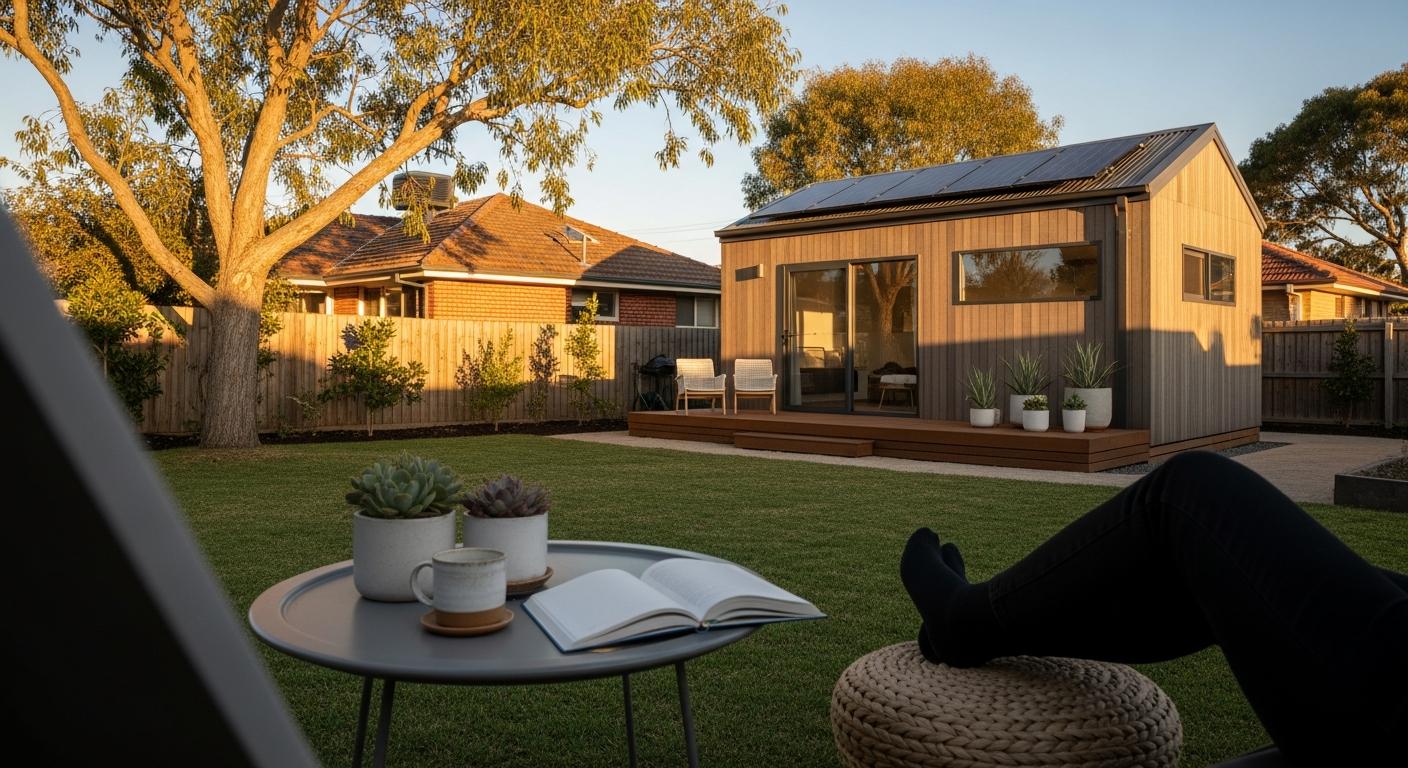
The Growing Appeal of Backyard ADUs
One California homeowner I met recently described her new backyard ADU as “the best decision I didn’t know I needed.” She’d built a cozy 600-square-foot detached accessory dwelling unit behind her main house in San Diego, hoping for extra income. What she got instead was a flexible living space that could adapt to family visits, aging parents, and even the occasional weekend rental. It’s a story repeating across the Golden State, from the Bay Area to Los Angeles and beyond.
An accessory dwelling unit often called a backyard home, granny flat, or tiny house is essentially an additional living space on the same property as a primary residence. Some are attached ADUs connected to the main house; others are detached ADUs tucked into the garden or above a garage conversion. They can serve as full-time homes for adult children trying to stay close to family or become an affordable housing option in tight real estate markets like San Jose or New York.
Why are backyard ADUs suddenly everywhere? Rising housing costs play a big role. Downsizing trends and multigenerational living patterns add momentum. Zoning reforms across many cities have loosened restrictions on ADU construction making it simpler (and faster) for homeowners to get permits. There’s also a cultural shift under way: people are rethinking what “enough space” really means and embracing smaller, smarter homes that prioritize connection over clutter.
Design and Space Efficiency
Living full-time in an ADU is less about sacrifice and more about precision. When every square foot matters, design becomes choreography the careful dance between comfort and constraint. Designers often speak about “borrowing space,” using sliding doors or floor plans that flow rather than divide. Built-in benches double as storage; Murphy beds fold away like well-trained stagehands; vertical shelving stretches toward skylights that pour natural light deep inside.
Prefab and modular construction have become favorites among modern ADU builders because they allow high-quality finishes with minimal waste. Factory-built units arrive nearly complete, leaving fewer surprises during installation (though utility connections can still test anyone’s patience). Whether it’s a minimalist 400-square-foot cottage or a more generous 800-square-foot backyard home, light and ventilation are crucial without them, even elegant spaces risk feeling like upgraded storage sheds.
You’ll often find clever examples online: compact kitchens designed around one wall; loft-style sleeping alcoves with hidden drawers; folding tables that transition seamlessly from work desk to dining surface. The best layouts feel intentional rather than improvised a mark of thoughtful design rather than desperate downsizing.
Financial Upsides for Homeowners and Residents
The financial math behind building an ADU tends to appeal both to spreadsheets and human stories. Construction costs can be significant at first glance especially in expensive markets like Los Angeles but when compared with buying another home or renting indefinitely, the equation starts tilting in favor of the backyard model.
For homeowners who remain in their main house, an accessory dwelling unit can generate steady rental income or even passive income if managed long-term through reliable tenants. A college student might rent it during school terms; later, it could house an aging parent who values independence but benefits from proximity. Over time, that extra income helps offset construction costs while increasing property value a double win in most cases.
Smaller homes also mean lower day-to-day expenses: reduced energy use, fewer repairs, simpler maintenance schedules. Many people discover they save money not only on utilities but also on lifestyle overheads the temptation to buy “stuff” drops dramatically when storage disappears behind well-fitted cabinetry.
Sustainability Benefits in Everyday Living
An overlooked advantage of full-time living in a backyard ADU is how naturally sustainable it becomes. Less square footage equals less energy demand both heating and cooling shrink proportionally with size. Pair that efficiency with modern insulation standards or passive solar design strategies, and you have a little powerhouse of conservation.
Water use also contracts through compact plumbing systems and low-flow fixtures shared between buildings on one lot. Some homeowners integrate drought-tolerant landscaping or rainwater capture systems that serve both units collectively a small-scale model of community resource sharing.
Prefab construction further reduces waste output compared with traditional site-built methods since materials are cut precisely in controlled environments rather than tossed into dumpsters onsite. And because most backyard ADUs sit within existing neighborhoods near shops or transit routes, residents often walk more and drive less a quiet but meaningful contribution to lowering carbon footprints day by day.
Lifestyle Adjustments and Privacy Considerations
No matter how charming your detached ADU may be, coexisting nearby another household introduces delicate social choreography of its own. Living just steps away from family members (or tenants) can blur boundaries quicker than you’d think especially when shared driveways start doubling as conversation zones.
The good news is that thoughtful planning helps preserve privacy for everyone involved. Smart landscaping choices hedges instead of fences provide softness without isolation. Separate entrances make daily rhythms feel independent yet neighborly. Acoustic insulation keeps Netflix marathons private while maintaining peace next door.
Psychologically speaking, small-space living invites introspection: Are you content with minimalism or does compactness creep toward confinement? For some people, paring down possessions feels liberating; for others, it takes practice adjusting habits formed in larger homes. Success usually depends less on total space available and more on clarity about what comforts genuinely matter rather than accumulate by default.
Zoning Rules, Permits, and Practical Barriers
If there’s one part of any ADU project guaranteed to test patience and perhaps vocabulary it’s navigating zoning laws and permits. Most municipalities regulate allowable size limits (often 800–1,200 square feet), setbacks from property lines, parking requirements, owner-occupancy clauses, or height restrictions that determine rooflines before dreams take shape.
Cities like San Diego have streamlined processes considerably over recent years; others lag behind with layers of review boards still catching up to demand for affordable housing options inside single-family zones. Utility connections may present unexpected costs too sewer upgrades or separate meters tend not to come cheap but prefab models sometimes ease timelines thanks to pre-engineered compliance documentation approved by local agencies ahead of delivery.
The wisest move? Research early and talk frankly with both your chosen ADU builder and city staff before sketching final plans on paper napkins over coffee (tempting though it is).
Community Impacts: From Backyard Cottages to Neighborhood Networks
A quiet revolution is taking place one lot at a time: backyard cottages subtly increasing neighborhood density without changing character dramatically. Instead of towering apartment blocks reshaping skylines overnight, these small additions weave gentle variety into existing streetscapes while tackling housing scarcity head-on.
An accessory dwelling unit can host an aging parent who no longer wants stairs yet craves proximity or provide affordable housing for an adult child launching independence near family safety nets rather than distant landlords’ leases. In this sense, backyard homes knit together extended families while maintaining balance between autonomy and connection.
Diversity grows too: renters mingle beside homeowners within single-family districts once economically homogeneous. Over time such mixing enriches communities socially while adding real estate value quietly beneath headlines dominated by mega-developments elsewhere across California cities from San Jose suburbs right up through northern Bay Area enclaves searching for modest density done gracefully.
Who Thrives in an ADU Lifestyle? Matching Space with Mindset
Not everyone will love full-time living in a backyard ADU but those who do often find something profound hiding inside simplicity itself. Retirees seeking manageable comfort appreciate having everything within reach and maybe grandchildren just across the yard instead of hours away on freeways clogged with ambition.
Remote workers discovering themselves adrift amid open-plan chaos may claim an attached ADU as their permanent home office retreat still part of household life yet visibly distinct enough for focus (and fewer interruptions involving snacks).
Minimalists drawn toward lighter footprints relish curating essentials only the books actually read; clothes truly worn; furnishings chosen intentionally rather than inherited accidentally during moves past counting.
