



Introduction to Prefab Homes in California
Let’s start with a scenario you’re looking for a new home in California, perhaps one that’s budget-friendly, environmentally sound, and doesn’t take forever to construct. Enter the world of prefab homes, where “prefab” isn’t just a buzzword but a smart, strategic choice. Prefab homes, short for prefabricated homes, are built off-site in factories and then assembled on your property, a bit like assembling a giant Lego set, but with more sophisticated engineering.
These homes have been steadily gaining traction in California, a state known for its strict building regulations and housing shortages. The growing popularity of prefab homes can be attributed to their affordability, speed of construction, and reduced environmental impact. Compare this with traditional homes, where construction can stretch on indefinitely, and you begin to see why prefab homes are turning heads.
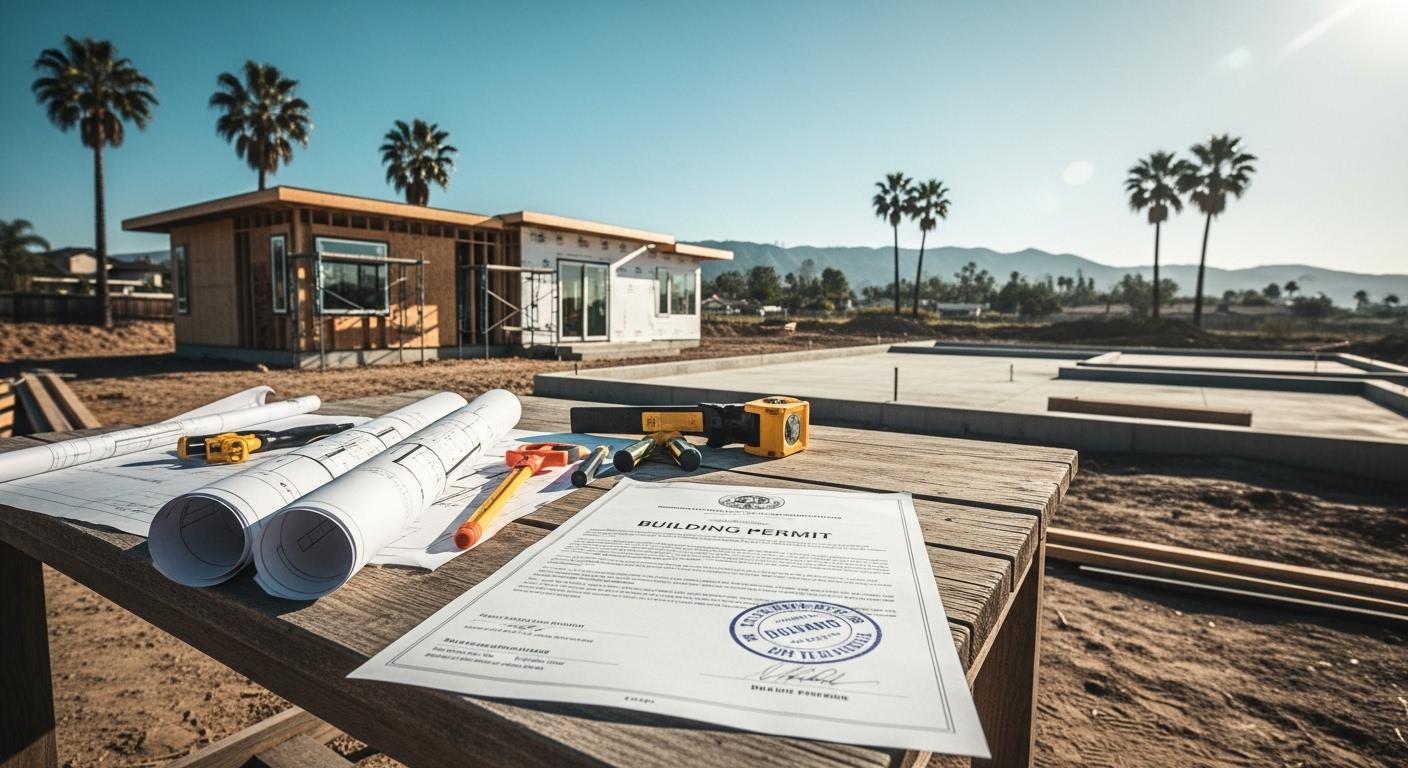
But how do you get started? The first major step is obtaining a building permit, a necessary hurdle to ensure your prefab dream home aligns with the labyrinth of regulations in the Golden State.
Understanding California’s Building Regulations
California wouldn’t be California without a hefty book of regulations. The key piece of legislation to understand is the California Building Standards Code, known by many as Title 24. This set of guidelines is your bible when it comes to compliance, covering everything from structural integrity to energy efficiency.
In addition to the Title 24 standards, you will need to secure a variety of permits, including building, electrical, plumbing, and mechanical. Local ordinances and zoning laws will also play a significant role in your prefab home journey. These regulations can sometimes feel like a maze, and it’s crucial to navigate them carefully to stay on the right side of the law.
Steps to Obtain a Building Permit
Securing a building permit for your prefab home involves several steps that may seem daunting but are manageable with the right approach. Start with an initial site assessment and feasibility study to ensure that your property is suitable for a prefab structure. This step often involves checking property lines and compliance with local zoning laws.
With the site cleared, the next step is to prepare the necessary documentation and plans. This includes everything from engineering designs and architectural plans to environmental impact assessments. Once your documentation is in order, you can submit your permit application to the local building department. The permit application is then reviewed, which usually involves an inspection and approval process to ensure the structure meets all required standards. The timeline for this can vary, but patience and thoroughness are your allies here.
Common Challenges and How to Overcome Them
Let’s face it: the journey to build a prefab home isn’t always smooth sailing. Navigating the bureaucratic maze can be daunting, and environmental concerns may rear their head, especially in ecologically sensitive areas.
Addressing zoning restrictions and land use issues early on can prevent headaches later. Consulting with local experts and those who have been down this road before can provide invaluable insights and potential solutions.
Working with Professionals and Experts
Teamwork makes the dream work, they say, and engaging the right professionals can make all the difference. Architects and civil engineers play a pivotal role, as do contractors experienced in prefab projects. These professionals bring this vision to life, ensuring compliance, and maintaining quality standards.
Don’t overlook the potential benefits of consulting with permit expediters. These professionals specialize in navigating the permitting process and can be worth their weight in gold when you’re eager to get started. Choosing local experts familiar with prefab homes can save you time, money, and stress.
Costs and Financial Considerations
Let’s talk numbers. Permit fees are just the tip of the iceberg. You’ll need to consider financing options and budget for the entire prefab home project. However, potential savings in reduced construction times and lower labor costs can be significant. The location and size of your prefab home will also influence your overall expenses, so it pays to plan carefully.
Many homeowners find that the long-term financial benefits of prefab homes, such as energy efficiency and lower maintenance costs, can make a compelling argument for this type of construction.
Conclusion and Future Outlook
In essence, obtaining a building permit for a prefab home in California boils down to careful planning, understanding the regulations, and assembling the right team. The future looks bright for prefab home construction in the state, with more homeowners and developers recognizing its potential.
As we look ahead, innovation and sustainable building practices will continue to drive the growth of this industry. If you are curious about diving deeper into prefab homes, resources are readily available to guide you through the process. Remember, every challenge faced is a step closer to your dream home, built in accordance with the highest standards.
