



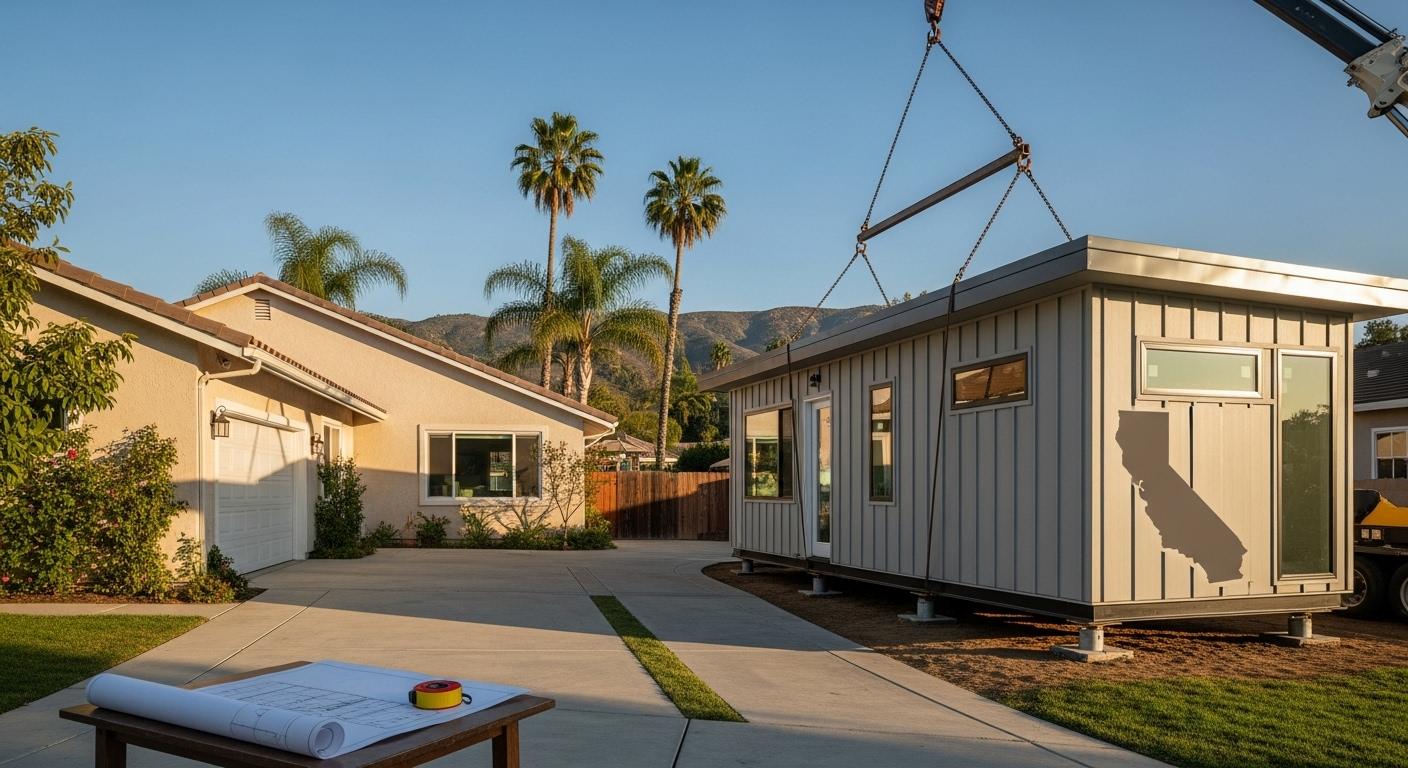
Introduction to California Zoning Laws
California zoning laws these words might sound daunting, especially when whispered among property owners or uttered by city planners. Yet, these regulations form the backbone of orderly urban and suburban development, ensuring neighborhoods thrive and grow to accommodate the ever-evolving needs of their residents. Whether you’re a homeowner in bustling Los Angeles or managing property in the serene suburbs, understanding zoning can be pivotal.
In essence, zoning regulations dictate how land can be used, setting boundaries between residential, commercial, and industrial areas. The rules are shaped by local governments with input from statewide policies, influencing everything from the height of buildings to the types of activities permitted on a property. Recently, California has seen significant reforms aimed at addressing its notorious housing shortage bringing a wave of change particularly relevant to prefab homes and Accessory Dwelling Units (ADUs).
Understanding Prefab Homes
Prefab homes, short for prefabricated homes, have been gaining traction as a modern, efficient housing solution. Built off-site and assembled on location, they offer an innovative approach to homebuilding that often reduces construction time and cost. In California, the allure of prefab homes is clear: they’re a savvy choice for those looking to swiftly secure foothold in a competitive housing market.
Yet, the journey from dream to reality is peppered with zoning hurdles. Factors such as local design standards, neighborhood aesthetics, and the plot’s zoning category can significantly influence where and how prefab homes can be placed. Common issues often include disputes over size, height, and the ever-dreaded setback requirements, which can sometimes make you feel like you’re designing a house that’s playing hide and seek with your property lines.
The Advantages of Accessory Dwelling Units (ADUs)
If you’re seeking a flexible housing solution, ADUs could be your answer. These smaller, secondary residences come in various forms, from detached units to clever garage conversions, often nestled comfortably in the backyard of a primary residence. For many, they present an opportunity for rental income, a personal retreat for family members, or even a downsized escape within the confines of one’s own lot.
Importantly, ADUs play a critical role in alleviating California’s housing crunch, providing a practical means to increase density without altering neighborhood character significantly. Successful ADU projects, like those in San Francisco and San Diego, demonstrate their potential to enhance property value while supporting community needs.
Zoning Requirements for Prefab Homes
Navigating the zoning terrain for prefab homes requires a keen understanding of the criteria that govern their approval. Local jurisdictions enforce rules that cover everything from size and height to architectural style. You’ll find that setbacks those pesky rules dictating how far your home must be from the property line are a common sticking point in many areas.
The permit approval process often involves several rounds of documentation and compliance checks, ensuring that the proposed prefab home aligns with both local and state regulations. Despite the paperwork, a well-executed plan can lead to a swift approval, ensuring your prefab dream doesn’t remain just a concept on paper.
Zoning Regulations for ADUs
California’s approach to ADU regulations is a balancing act between state-level mandates and the autonomy of local jurisdictions. Recent updates, influenced by state laws, have aimed at simplifying the process making it easier for homeowners to add these valuable units to their properties.
However, local ordinances can still pose challenges. Parking requirements, for instance, often vary depending on proximity to public transit or other amenities. Understanding the nuances between state laws and local regulations is crucial, enabling property owners to navigate the permit maze with confidence and clarity.
Legal Challenges and Compliance
Legal hurdles are not uncommon in the realm of prefab homes and ADUs. From disputes over zoning classifications to compliance with evolving laws, the path can be fraught with challenges. Yet, awareness is your ally. By anticipating potential issues and seeking professional guidance, many homeowners successfully mitigate risks and maintain compliance.
Legal counsel can provide invaluable insights, offering strategies tailored to resolve disputes or streamline approvals. Real-world examples illustrate how proactive planning and clear communication with local authorities can transform potential roadblocks into opportunities for innovative solutions.
Case Studies: Successful Zoning & Permitting
Consider the story of a San Diego homeowner who, after facing initial setbacks, successfully navigated the zoning landscape to construct a striking prefab home that now stands as a neighborhood landmark. Through collaboration with local officials and adherence to zoning codes, the project not only met approval but also inspired others in the community.
Similarly, in Los Angeles, a successful ADU development involved converting an existing structure into a modern rental unit, offering a blueprint for others looking to tap into the city’s growing demand for affordable housing options.
