



Can an ADU Generate Rental Income? Everything You Need to Know
So, you’ve been eyeing that unused patch of your backyard, or perhaps the empty space over your garage. And then it hits you maybe it’s time to hop on the Accessory Dwelling Unit (ADU) bandwagon. But can an ADU really generate rental income? The short answer is yes, and here’s everything you need to know.
Understanding ADUs
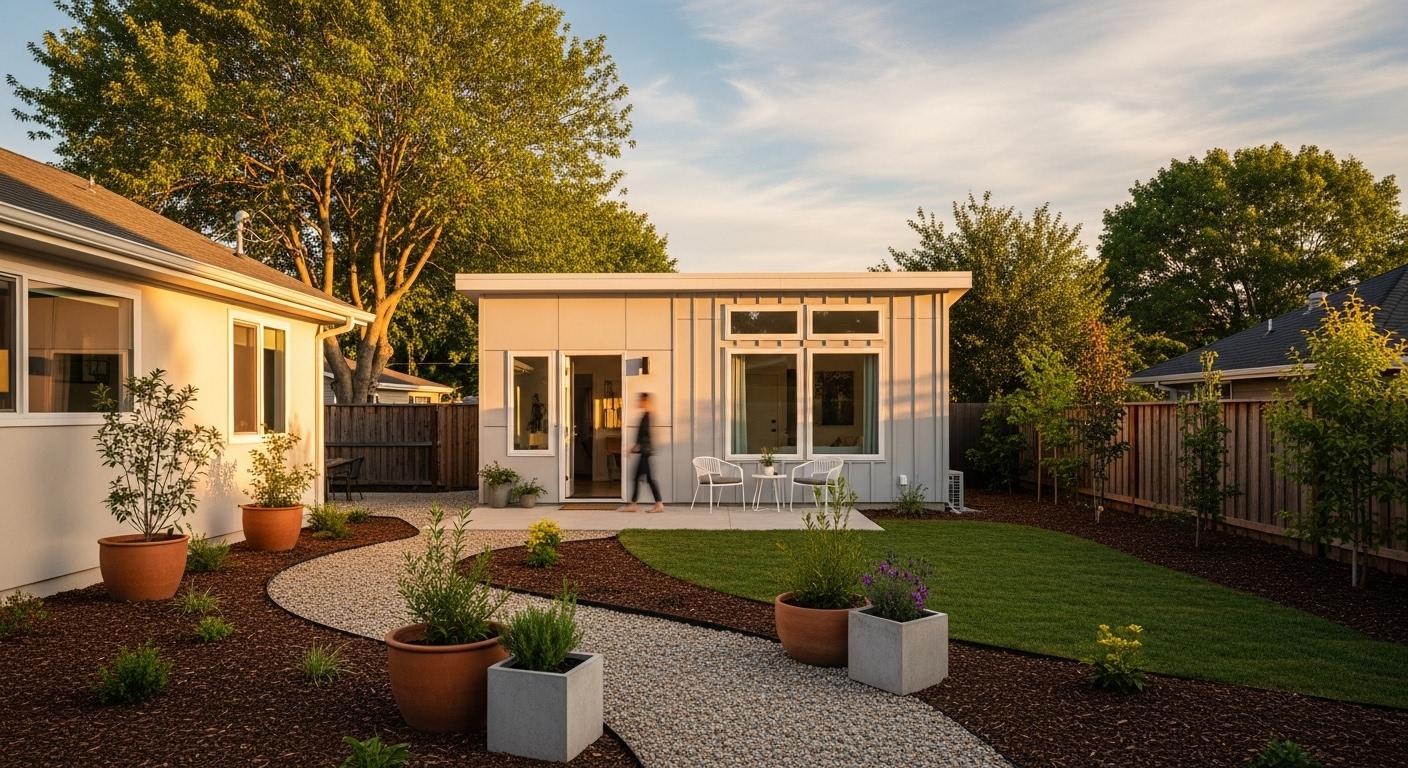
An Accessory Dwelling Unit, or ADU, is essentially a secondary housing unit nestled on the same lot as a primary residence. Think of it as a guest house or granny flat, but with a flair for independence. There are various types of ADUs: detached units that stand alone, attached ones sharing walls with the main house, and garage conversions that transform a car’s home into a human’s abode. In California, the popularity of ADUs is on the rise, driven by a mix of housing demand and adventurous homeowners.
However, before you start drawing up blueprints, it’s crucial to familiarize yourself with local zoning laws and regulations. The rules can vary significantly, depending on your location, and these will dictate what you can and cannot do on your property.
Benefits of Building an ADU
First on the list of ADU perks is the potential increase in property value. An additional living space can be a game-changer for homeowners looking to boost their real estate investment. Whether you capitalize on rental income or use the unit for personal needs, such as hosting family members, the versatility and customization options are truly limitless. Not to mention, ADUs are often an environmentally friendly housing solution a great advantage given today’s focus on sustainable living.
Financial Aspects of ADUs
Let’s talk money the initial cost of constructing an ADU can vary widely based on design, location, and materials. Financing options include savings, loans, or possibly even grants, depending on regional programs. While the upfront costs might seem substantial, the long-term financial benefits often outweigh them. Rental income from an ADU can provide a steady stream of passive income, and favorable tax implications can also sweeten the deal.
In California, rent prices for ADUs are influenced by factors such as location, size, and market trends. Understanding these elements can help you set competitive rates and maximize your return on investment.
Steps to Create a Rental ADU
Creating an attractive rental ADU requires careful planning and design consideration. From choosing sustainable materials to navigating permits, each step is crucial in developing a desirable unit. Think about amenities that will appeal to tenants modern appliances, smart home features, or even eco-friendly solutions could set your ADU apart.
Construction often involves several phases, each with its own set of challenges. Staying informed and collaborating with experienced professionals can make this process smoother.
Marketing Your ADU for Rental Income
Once your ADU is ready, identifying the right rental demographic is key. Are you targeting students, young professionals, or retirees? Effective advertising, including online listings and social media, can provide the exposure you need. Highlighting unique features and setting competitive rental rates will also help attract prospective tenants.
Managing Rental ADU: Responsibilities and Best Practices
Being a landlord brings both rewards and responsibilities. In California, legal obligations include maintaining a safe living environment and adhering to landlord-tenant laws. Rigorously screening tenants and having clear lease agreements can prevent potential disputes. Regular maintenance and proactive management will keep your tenants happy and your property in good condition.
Challenges and Considerations
Building and renting an ADU isn’t without its challenges. Concerns from neighbors or the community, understanding local demand, and ensuring compliance with regulations are all aspects to consider. Risk management, including obtaining rental insurance, can mitigate potential pitfalls.
Future Prospects of ADUs in California
The future looks bright for ADUs in California. With the potential to address housing affordability, ADUs are becoming an integral part of urban planning. They offer flexible housing solutions that can complement government initiatives for increased housing options. As these secondary housing units gain traction, their role in the California housing market is likely to expand.
So, next time you gaze upon that extra space in your backyard, remember the possibilities an ADU offers not just as an investment but as a versatile living solution that can adapt to the ever-changing landscape of modern living.
