



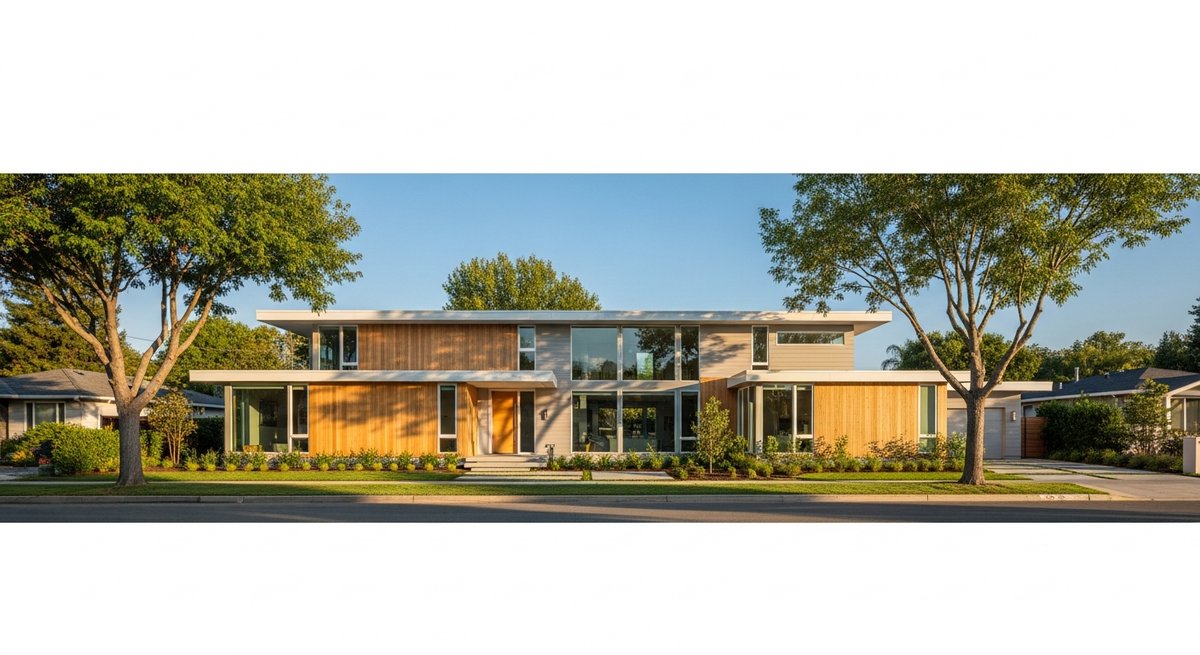
Here is a question that stops a lot of first-time buyers in their tracks: if I buy a prefab home, will it be worth more in ten years than it is today? The honest answer is more nuanced than a flat yes or no. Some prefab homes appreciate steadily, some hold their value without much gain, and a small category can actually decline – and the difference between those outcomes has almost nothing to do with the word “prefab” printed on the building permit.
What actually drives the outcome is a combination of land ownership, construction classification, location, financing type, and builder quality. Get those factors right, and a prefab home can perform very close to a comparable site-built house in the resale market. Get them wrong, and you may find yourself sitting on an asset that lenders treat like a used car. This guide unpacks each of those variables so you can walk into a purchase decision with a clear picture of what to expect.
The Terminology Problem That Trips Buyers Up
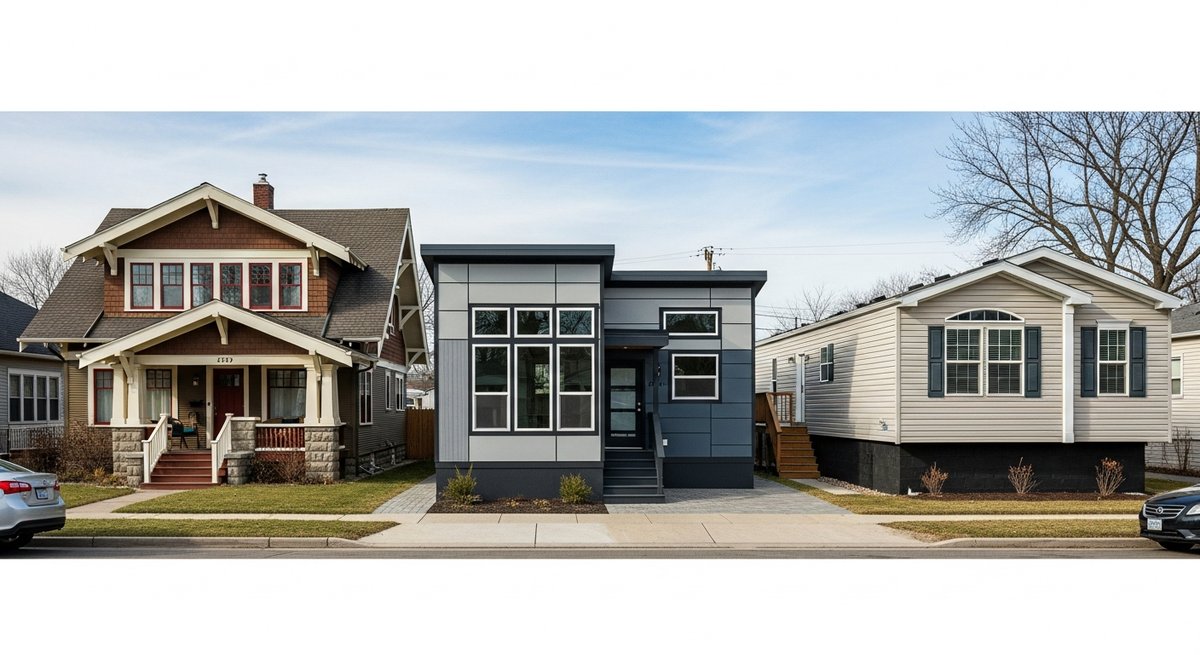
One of the biggest sources of confusion around prefab home values is that the word “prefab” describes several distinct product categories that behave very differently in the real estate market. The three categories you will encounter most often are manufactured homes, modular homes, and panelized or kit homes. Each sits in a different regulatory and financial universe.
Manufactured Homes
Manufactured homes are built entirely in a factory and transported to a site on a permanent steel chassis. They are regulated at the federal level by the HUD Code, introduced in 1976. When a manufactured home is placed on leased land inside a mobile home park, it is classified legally as personal property – the same category as a vehicle. That classification is the single biggest drag on appreciation, because lenders treat personal property loans differently from real estate mortgages. Interest rates are higher, loan terms are shorter, and the pool of qualified buyers at resale is smaller.
When a manufactured home is permanently affixed to land that the homeowner also owns, it can be converted to real property through a titling process. Once that conversion happens, the home behaves more like a conventional real estate asset, and appreciation patterns improve noticeably. Studies from the Urban Institute and data from Freddie Mac’s CHOICEHome pilot program suggest that manufactured homes on owned land in appreciating markets can track local home price trends more closely than their park-placed counterparts.
Modular Homes
Modular homes are also built in a factory, but they are transported in sections and assembled on a permanent foundation. They are regulated by the same state and local building codes that govern site-built homes. Once complete, they are legally and financially indistinguishable from a conventional house on the same street. Appraisers use the same comparable sales methodology, banks offer the same mortgage products, and buyers at resale rarely know or care how the home was constructed. This is the category where the strongest appreciation data exists for prefab construction.
Panelized and Kit Homes
Panelized and kit homes occupy a middle ground. Structural components are fabricated off-site and assembled on a foundation by a local crew. Because the finish work happens on-site and the home meets local building codes, these homes tend to be appraised and sold like conventional properties, with appreciation patterns generally in line with the local market.
What the Data Actually Shows
Pulling together hard national data on prefab appreciation is difficult, partly because MLS listings and county assessor records rarely distinguish between construction methods. That said, several research threads point in a consistent direction.
A 2018 study published in the Journal of Housing Economics found that factory-built homes on owned land appreciated at rates roughly comparable to site-built homes in the same zip codes. The gap that existed in the 1990s had narrowed substantially as modular construction gained market share and as HUD Code homes became more architecturally sophisticated.
Fannie Mae and Freddie Mac data on their manufactured housing programs tells a similar story: homes classified as real property showed much stronger price stability than those classified as personal property. In some regional datasets, real-property manufactured homes appreciated at two to three times the rate of their chattel-financed equivalents over a ten-year window.
For modular construction specifically, appraisal literature is fairly clear. Because modular homes meet the same building codes as site-built homes, appraisers value them the same way – and in most markets, they do. A 2,000-square-foot modular home with a permanent foundation in a desirable neighborhood will be compared to other 2,000-square-foot homes in that neighborhood regardless of how it was built.
Understanding where the broader market is heading helps put individual home decisions in context. The prefab housing market trends for 2025 point to steady volume growth driven by affordability pressure and labor shortages in traditional construction – both forces that could support prefab values over the medium term.
Location: The Factor That Overrides Almost Everything Else
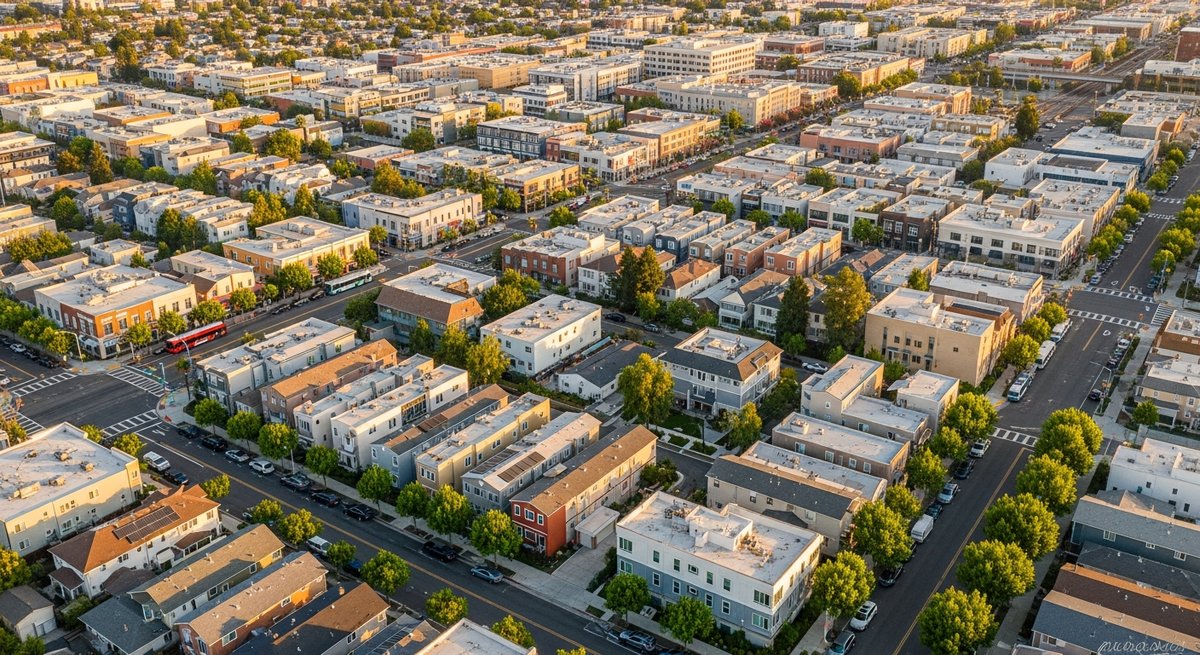
A well-built modular home in a high-demand metropolitan market will almost certainly outperform a comparable site-built home in a declining rural county. The building method matters far less than the economic trajectory of the land underneath the home.
California has emerged as one of the more interesting laboratories for prefab appreciation. The state combines some of the highest land values in the country with acute housing scarcity – a combination that tends to lift the floor on almost any residential asset. The design quality of modern prefab homes has also improved enough to affect perceived value at resale. The gap in fit, finish, and architectural character between a well-specified modular home and a site-built home in the same price range has largely closed. Staying current with prefab home design trends can help buyers understand what features command resale premiums.
Financing and Its Long Shadow on Resale Value

One of the less discussed but genuinely important drivers of prefab appreciation is how the original purchase was financed. Homes purchased with conventional 30-year mortgages carry a much larger pool of eligible buyers at resale than homes purchased with chattel loans or personal property financing.
A larger buyer pool means more competitive bidding, faster sales, and stronger price outcomes. It also means your buyer can access lower interest rates, which effectively increases how much home they can afford – and therefore how much they are willing to pay. The financing structure of a prefab home is not just a paperwork detail; it is a direct input into what the home will fetch in ten years.
This is also why the real property conversion process matters so much for manufactured homes on owned land. It is an administrative step that most homeowners undervalue, but it can meaningfully shift the financial category of the asset. A thorough overview of financing options for prefab homes, including mortgages, loans, and grants, can help buyers choose the structure that supports the best long-term outcome.
ADUs and Income-Producing Prefab
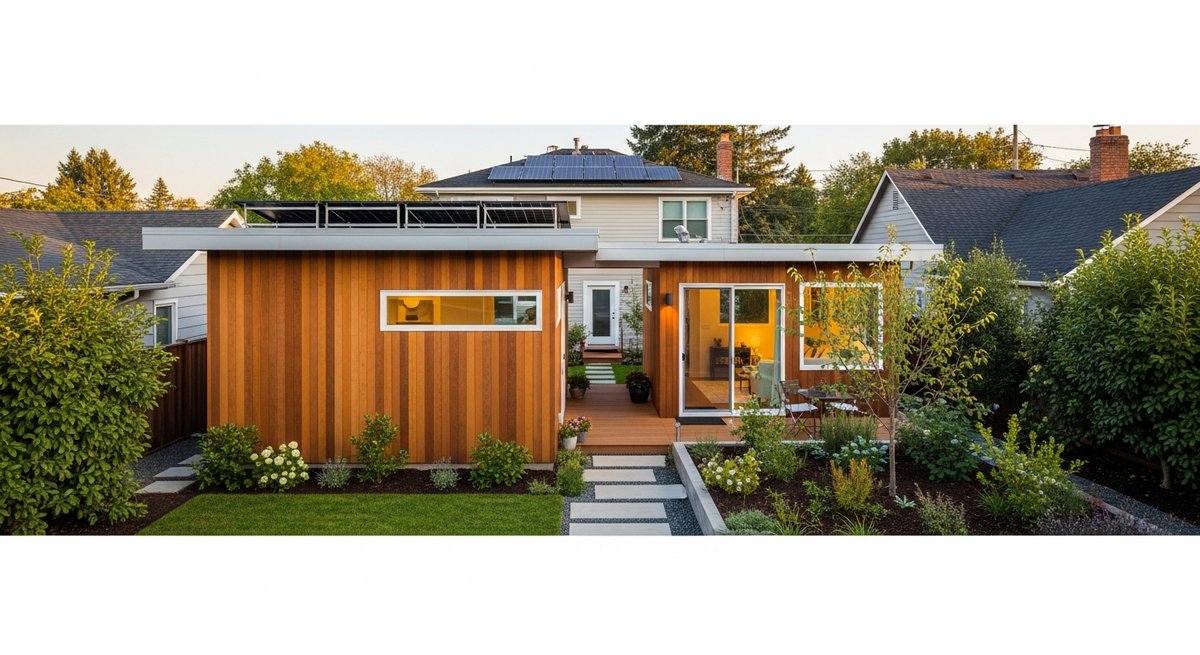
There is one corner of the prefab market where the value question works slightly differently: accessory dwelling units. A prefab ADU added to an existing property does not appreciate as a standalone asset in the traditional sense – it adds value by increasing the income-producing potential and the total appraised value of the primary parcel. In high-cost markets, a well-placed ADU can add substantially more to a property’s appraised value than it cost to build.
California’s regulatory changes since 2017 have made ADU permitting significantly more permissive, and factory-built ADUs have emerged as one of the fastest-growing segments in the prefab market. For homeowners in appreciating markets who want to accelerate their equity position, an ADU can be a genuinely effective tool – both for rental income during ownership and for a higher sale price at exit.
Risks That Buyers Should Understand
Honest writing about prefab appreciation has to acknowledge the risks. A few patterns show up consistently in situations where prefab homes underperform:
- Homes on leased land in mobile home parks, where the personal property classification creates a ceiling on appreciation regardless of how nice the home is
- Homes in areas with HOA rules or community covenants that restrict factory-built construction, creating a smaller buyer pool at resale
- Homes financed through high-rate chattel loans that leave buyers with negative equity early in the ownership period
- Homes in declining regional markets where all housing values are under pressure, regardless of construction method
- Older manufactured homes that pre-date HUD Code improvements and carry deferred maintenance that appraisers penalize heavily
None of these risks are unique to prefab construction – site-built homes in leased-land communities or declining markets face similar headwinds. But buyers who understand these patterns can structure their purchase to avoid the worst outcomes.
The Bottom Line on Prefab as a Long-Term Investment
Modular homes on owned land, financed with conventional mortgages, in markets with strong demand fundamentals – these appreciate. The data supports that conclusion clearly. They may not outperform comparable site-built homes in the same neighborhood, but they do not systematically underperform them either. The construction method, when everything else is equal, is not the determining factor.
Manufactured homes are more variable. The ones that appreciate are where buyers have made smart decisions about land ownership, financing structure, and location. The ones that stagnate or decline are where one or more of those factors was compromised.
For buyers weighing prefab as a serious investment, the homework worth doing is less about factory specs and more about legal classification, financing instrument, the market trajectory of the surrounding area, and the long-term liquidity of the asset. Those are the variables that will determine what shows up on an appraisal report a decade from now.
Frequently Asked Questions About Prefab Home Values
Do prefab homes appreciate at the same rate as traditional homes?
Modular homes on owned land with permanent foundations and conventional financing generally appreciate at rates close to comparable site-built homes in the same market. Manufactured homes in mobile home parks, classified as personal property, tend to appreciate more slowly or not at all because of financing constraints and a smaller resale buyer pool.
What is the single biggest factor affecting whether a prefab home gains value?
Land ownership and legal classification matter more than any design or construction variable. A prefab home on owned land titled as real property has access to conventional mortgage financing, which produces a larger buyer pool at resale and supports stronger price outcomes over time.
Are modular homes harder to resell than site-built homes?
In most markets, no. Modular homes meet the same building codes as site-built homes and are appraised using the same comparable sales methodology. Buyers at resale are often unaware of the construction method. Resale difficulty tends to arise from financing type and location rather than the fact that the home was factory-built.
Does the brand or builder of a prefab home affect its long-term value?
Yes, indirectly. Builders who produce higher-quality finishes, use durable materials, and operate in markets where their homes are well-understood by appraisers tend to produce homes that hold value better. Quality also affects the condition of the home at resale, which is a direct input into appraisal value.
Can a prefab ADU increase my property value?
In most high-cost urban markets, yes. A prefab ADU can increase a property’s appraised value and generate rental income during ownership. The return depends heavily on local rental demand, the cost of the unit and installation, and how local appraisers account for income-producing structures.
Does financing type affect prefab home appreciation?
- Conventional 30-year mortgages support the broadest buyer pool at resale, which drives competitive pricing
- Chattel loans carry higher rates and shorter terms, limiting the buyer pool and capping appreciation potential
- FHA Title I and Title II programs offer middle-ground options for manufactured housing that can improve financing terms relative to chattel loans
- The financing structure chosen at purchase will directly shape what the asset is worth and who can buy it at resale
Are older manufactured homes a poor investment?
Older manufactured homes, particularly those built before the 1976 HUD Code, carry significant risks as investments. They often have deferred maintenance, outdated systems, and classifications that limit financing options. Homes built after 1976, and especially those built in the last fifteen years, have improved considerably in quality and are easier to finance and resell.
How do prefab home values perform in a down market?
Modular homes on real property tend to move with the local market, rising and falling in line with comparable site-built homes. Manufactured homes on personal property are more vulnerable in a down market because their buyer pool is smaller and financing options are more constrained, which can make them harder to sell at any price when credit tightens.
Sources
- Urban Institute – Housing Finance Policy Center: Research on manufactured housing and real property titling
- Freddie Mac CHOICEHome Program Documentation
- Fannie Mae MH Advantage Program Guidelines
- Journal of Housing Economics, Vol. 68 (2018): Manufactured Home Price Appreciation Study
- U.S. Census Bureau – Characteristics of New Housing: Annual Survey Data on Factory-Built Homes
- National Association of Realtors – Manufactured Housing Report 2023
- HUD Office of Policy Development and Research: Manufactured Housing Data
