



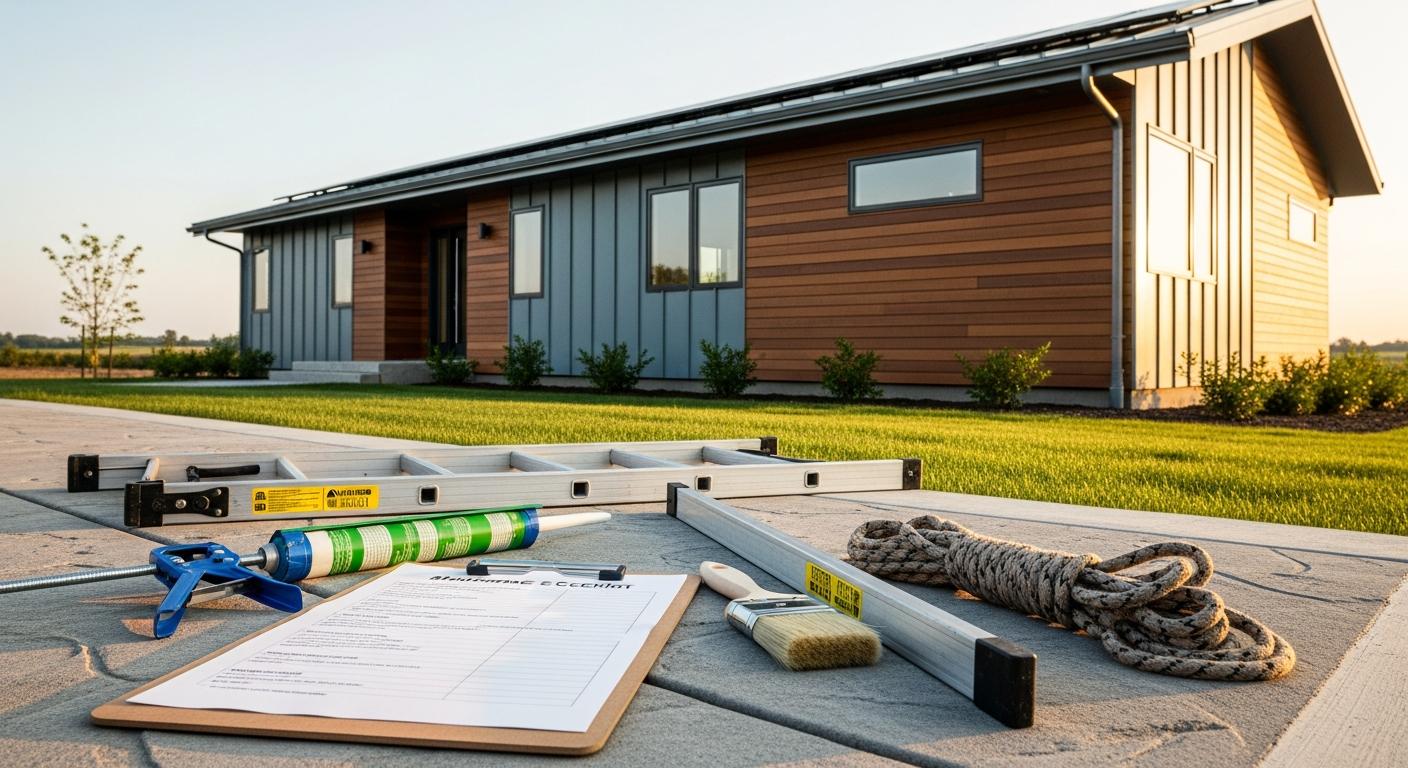
Prefab Home Maintenance: A Realistic Long-Term Checklist
When Alex moved into his new prefab home, the first thing he noticed wasn’t the sleek lines or energy efficiency it was the silence. No hammering outside for months, no endless dust drifting through open windows. Factory-built precision had delivered his dream home in weeks instead of months. But as with any structure, time eventually whispers reminders: a faint creak here, a seal there that needs attention. Prefab homes are low-maintenance, yes, but not no-maintenance. That distinction is where this realistic long-term checklist begins.
Understanding the Nature of Prefab Construction
Prefab homes whether modular homes, manufactured homes, or even mobile homes are born in controlled environments where rain never drips on raw lumber and tape measures rarely lie. This precision offers one major perk: fewer early defects and tighter assemblies than most site-built houses. The seams line up better; the insulation fits snugly; air leaks are practically banished.
That said, every material has its own rhythm of aging. Steel frames resist termites but can gather condensation if ventilation lapses. Engineered timber behaves beautifully until consistent humidity swings cause minor expansion and contraction. Insulated panels hold their R-value impressively well but depend on intact seals to do so. So while prefab construction reduces some typical worries like uneven settling it introduces new focal points for ongoing care.
The good news? Controlled production means predictable wear patterns and easier preventative maintenance planning. Think fewer mysteries behind walls and more straightforward annual inspections.
Seasonal Inspection Basics
If you’ve ever made a seasonal home maintenance checklist for a traditional house, you’ll find prefab living refreshingly simple though still worth a few minutes each quarter. The rhythm of your routine might look something like this:
- Spring cleaning: Wash exterior panels and clean gutters to remove debris from winter months.
- Summer check: Inspect roof seals and window gaskets for heat-related expansion or cracks.
- Autumn prep: Tighten joints at module connections before temperature drops; confirm your HVAC system’s filters (or hvac filter) are new for heating season.
- Winter watch: Keep an eye out for condensation near cold spots early signs of moisture buildup often prevent costly repairs later on.
A pro tip? Use your phone to document changes each season snapshots of panel joints, connections, even subtle shifts around doors or windows become valuable reference points over time. Small differences visible across photos may reveal movement invisible day-to-day.
Moisture Management and Air Quality
Airtight construction is both blessing and responsibility. Modular construction excels at sealing every seam (goodbye drafts), but that same tightness demands reliable ventilation to maintain indoor air quality. Mechanical systems handle most of this quietly in the background but only if they’re kept clean.
Your annual tasks should include checking ducts for dust or mold buildup, replacing air filters regularly (every three months is a common rhythm), and verifying that fans exhaust properly outdoors rather than just circulating moist air indoors again. In bathrooms or kitchens factory-assembled modules rich with plumbing inspect around fixtures where pipes pass through sealed walls for tiny leaks or dampness. A little vigilance saves big money compared to water damage remediation later.
If you notice musty smells after long winter months, don’t panic it’s usually just trapped humidity meeting sealed perfection. Increase airflow temporarily by opening trickle vents or setting your mechanical ventilation on boost mode until spaces dry out again.
Structural and Envelope Care
The beauty of modular homes lies in how securely each section connects to its foundation but those connections deserve periodic inspection too. Every few years (or after extreme weather events), make sure anchor bolts remain tight and show no rusting or corrosion signs around baseplates.
The seams between factory modules the expansion joints are another key feature in your home maintenance checklist. Over time they may flex slightly as seasonal temperatures shift; keeping them sealed prevents drafts and moisture entry that could compromise insulation performance or lead to hidden damage inside walls.
Painters will tell you materials fade differently depending on exposure direction the south wall always works harder! Repainting or resealing cladding when finishes start dulling keeps both aesthetics and protection intact. Acrylic coatings often last 7 10 years; natural wood siding may need care sooner depending on climate conditions.
If climbing ladders isn’t in your comfort zone, arrange for professional review every few years a light “home inspection” specifically tailored for prefab structures ensures structural integrity remains sound without guesswork.
Energy Systems and Smart Controls
Your prefab home probably came equipped with energy-efficient technology baked right into its DNA solar panels glinting overhead, perhaps a battery storage unit tucked neatly behind the garage wall, maybe even smart thermostats controlling cooling systems room-by-room like conductors leading an orchestra of comfort.
The challenge? These systems perform best when tuned periodically. Solar arrays benefit from gentle cleaning twice per year to clear off leaves or dirt film; sensors measuring energy efficiency sometimes require recalibration after firmware updates; even thermostats can lose calibration subtly over seasons leading to uneven heating or rising utility bills without any visible reason.
Your annual home maintenance checklist should include basic electrical system checks tight connections at breaker panels and confirming surge protectors still function as well as testing smoke detectors and carbon monoxide detectors monthly (with fresh batteries annually). Always call certified technicians for complex electrical work; safety trumps enthusiasm here!
Interior Finishes and Fixtures
The interior story of any prefab house centers around precision-fit cabinetry, pre-tiled bathrooms, polished flooring all installed under factory lights where measurements were exact down to millimeters. Still, daily living brings tiny shifts: hinges loosen imperceptibly; caulk lines dry out slowly; coffee occasionally meets countertop grout (and wins).
Treat these small imperfections early it’s cheaper than waiting until they graduate into major repairs later on. Tighten hardware once per year using gentle torque rather than brute strength (those engineered laminates appreciate kindness). Re-caulk bathroom seams with flexible silicone suitable for high-moisture areas to prevent leaks sneaking behind modular units where access is tough afterward.
Humidity control again plays hero here: aim between 35 55% relative humidity inside your modular home year-round using dehumidifiers in summer or humidifiers during dry winter months to protect engineered wood floors against unnecessary stress cycles that shorten lifespan dramatically.
Technology Updates and Component Replacement
A quiet advantage of prefab construction is swapability the ability to replace components without tearing apart entire rooms like archaeological digs gone wrong. Need a new HVAC unit? Many modular designs make it accessible through service hatches planned decades earlier by forward-thinking engineers who clearly owned screwdrivers themselves once upon a time.
This flexibility extends beyond mechanics: lighting panels can upgrade easily as LED standards evolve; smart-home hubs integrate seamlessly with newer software ecosystems thanks to standardized wiring looms running between modules rather than improvised site cabling typical in older builds. Keeping digital records a spreadsheet noting model numbers, installation dates, warranties makes future replacements smoother than trying to recall “that gray box thing near the water heater.”
A realistic budget plan anticipates component replacement roughly every 10 15 years depending on usage intensity a form of preventative maintenance that protects both comfort levels and resale value when someday you pass keys along proudly knowing everything still hums efficiently beneath sleek surfaces.
Building a Sustainable Maintenance Mindset
Caring for your prefab home isn’t about constant tinkering it’s about thoughtful stewardship aligned with sustainability itself: small efforts repeated consistently yield outsized rewards over decades of living comfortably while minimizing waste generation along the way.
You’ll often find local tradespeople increasingly familiar with modular construction these days forming relationships now ensures quicker response times if specialized parts need ordering later on short notice after storms or sudden system hiccups happen midwinter night (and they do). Some homeowners even share experiences online through community networks comparing seasonal inspection routines turns out exchanging real observations beats guessing timelines printed generically on packaging labels every time!
This mindset reframes regular inspections not as chores but investments protecting both energy efficiency today and resale value tomorrow a continuous loop reinforcing why we choose sustainable architecture in first place: less wasteful consumption paired beautifully with enduring design quality built literally from ground up smarter than the houses we grew up inside decades ago.
With this “prefab home maintenance: a realistic long-term checklist”, you don’t just avoid costly repairs you nurture longevity inside every joint bolt seal screw thread plank panel circuit wire vent duct tile pipe hinge switch window latch shutter gasket gutter ridge beam slab connector fastener spark plug outlet socket meter sensor thermostat fob remote valve sensor fuse cap screw nail tack joint clip lid cover case cabinet counter trim skirting rail bracket mount shelf leg floor joist stud beam column brace post footing anchor tie clamp wedge shim support strut bar plate ring nut washer bushing bearing pivot seal hose nozzle…well you get the idea!
A sustainable home thrives when cared for patiently across seasons not perfectly but persistently and perhaps that’s what makes prefab homes special beyond their efficient assembly lines: they invite us into partnership with design itself where maintenance isn’t burden but dialogue between maker material environment occupant continuing softly through years ahead one checked box at time on our favorite maintenance checklist pinned quietly yet proudly beside fridge door magnet from day moving truck drove away leaving peace behind called “home.”
