



Introduction to Prefab Construction
Prefab construction, often known as modular construction, is like assembling a life-sized LEGO set, but for actual living spaces. It consists of manufacturing building components or modules in a factory, then transporting them to the site for assembly. Imagine the ease of piecing together your dream home, much like snapping together your favorite childhood toy. This method of construction isn’t just a novel concept; it’s become a pivotal element in today’s construction industry due to its efficiency and cost-effectiveness.
The roots of prefab construction stretch back further than you might think. Over the decades, it has evolved from simple prefabricated cottages in the early 20th century to today’s sophisticated, sustainable, and customizable homes. The benefits of prefab construction are notable: reduced building time, lower costs, and the ability to maintain quality standards high in a controlled environment. These benefits make prefab an attractive option for both developers and homeowners alike.
Importance of Inspections in Prefab Construction
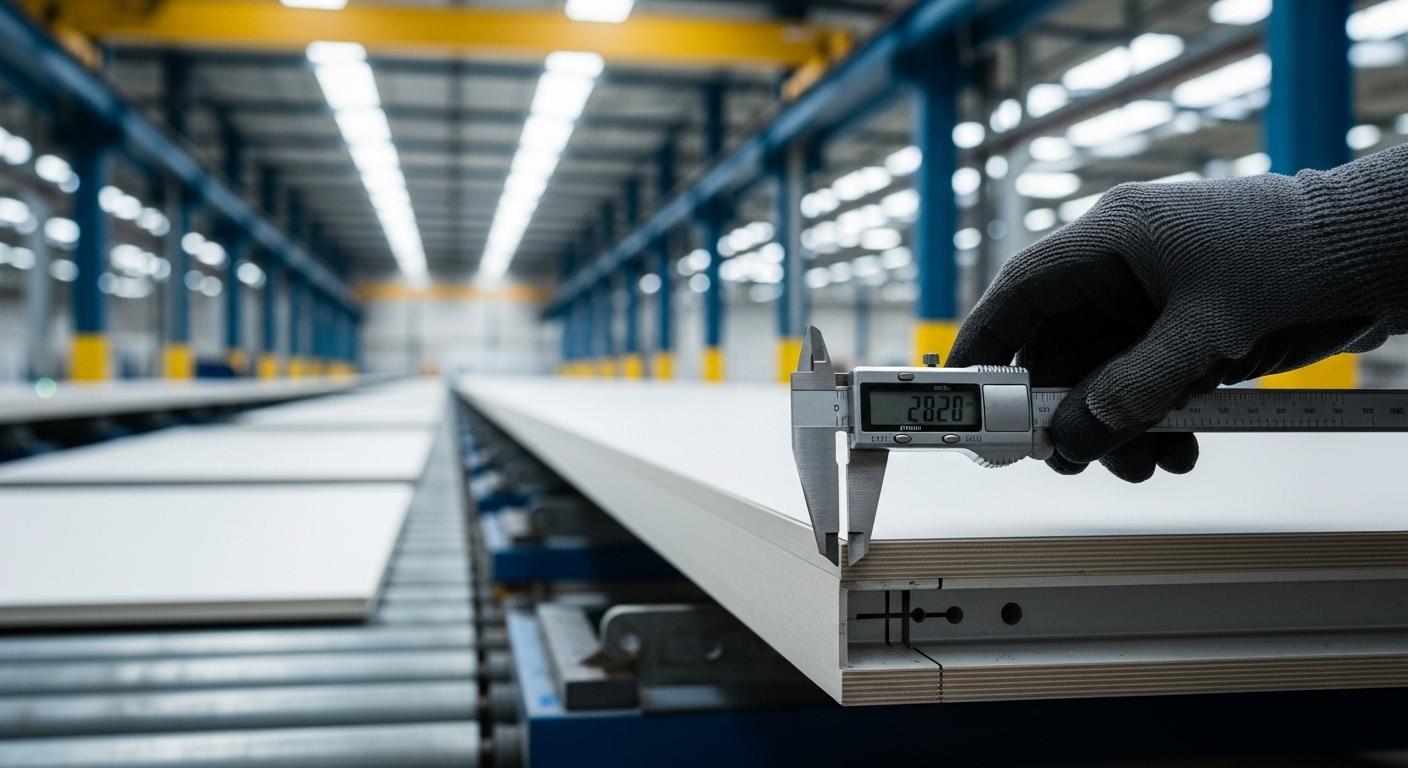
Inspections in prefab construction play a role as crucial as a conductor in an orchestra, ensuring each note is played perfectly. These inspections ensure that every building adheres to the highest quality and safety standards. They occur at key stages such as pre-fabrication, during manufacturing, and post-assembly. Each of these check-ins acts as a safeguard, contributing to smooth progress and eventual success.
Why are these inspections so vital? They ensure compliance with building codes and regulations, significantly affecting the safety and durability of the final structures. A rigorous inspection process can mean the difference between a building that stands the test of time and one that, well, quite literally falls apart.
Quality Control Measures in Prefab Construction
Think of quality control measures as the backstage magic that ensures every prefab project performs at its best. During construction, various quality control protocols are employed to oversee everything from the raw materials used to the final assembly of the building modules.
Quality management systems, including ISO certifications, serve as the industry’s seal of approval, ensuring consistent, high-quality production. The adoption of digital tools enhances precision in quality control, allowing for real-time monitoring and quick adjustments. And let’s not forget the human aspect; skilled personnel are indispensable in upholding these high-quality standards. Their expertise ensures that every widget, beam, and panel meets expectations.
Common Challenges Faced in Inspections and Quality Control
Inspections and quality control, while essential, are not without challenges. Transporting large modules can be likened to threading a needle any disruption in logistics can cause significant delays. Additionally, site-specific challenges and varying international building codes present a unique set of issues.
Moreover, the workforce’s skill gaps sometimes pose hurdles. Inspectors and quality controllers require continuous training to keep pace with evolving industry standards and technologies.
Case Studies and Real-World Applications
Consider a case study of an Californian prefab project that used cutting-edge inspection systems. Their robust process not only ensured quality but also led to substantial cost savings. Conversely, many lessons have been learned from projects where lapses in quality control resulted in unexpected costs and delays. These stories highlight the critical need for maintaining high inspection standards in prefab construction.
Another exemplary project could be one where meticulous quality control transformed a simple structure into a beacon of modular efficiency. These real-world applications provide a vivid illustration of the importance of rigorous inspections and quality control in prefab construction.
Conclusion
In the fascinating world of prefab construction, inspections and quality control are not mere formalities they’re the cornerstone of creating safe, high-quality buildings. Maintaining these high standards ensures compliance, safety, and longevity. As technology continues to advance, the potential for even more refined inspection processes beckons.
As prefab construction continues to expand its footprint globally, collaboration within the industry will be key to establishing consistent standards and practices. By fostering innovation and investment in inspection technologies, the future of prefab construction looks promising indeed. Isn’t it exciting to imagine where this could take us next?
