



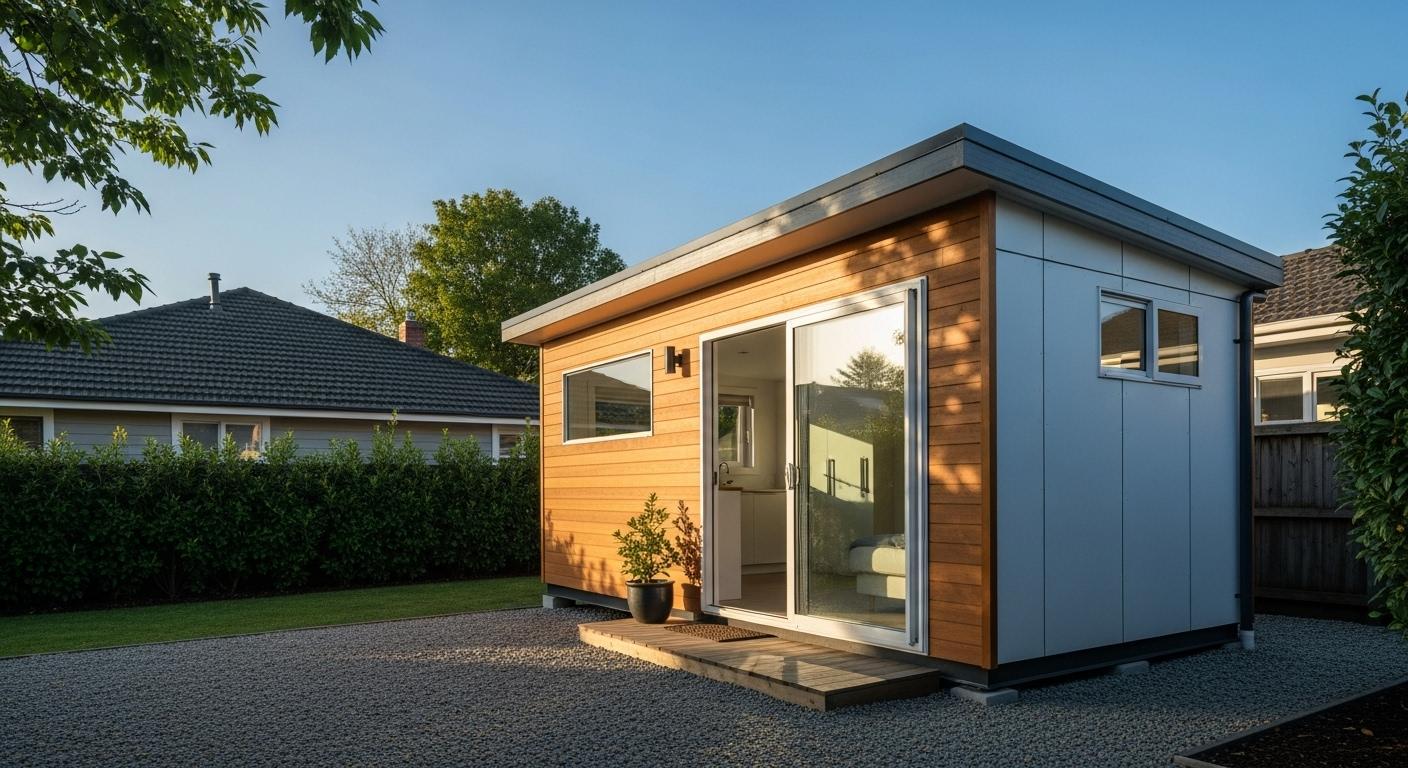
Introduction to Prefab Homes and ADUs
Prefab homes and accessory dwelling units (ADUs) might just be the answer to more efficient, affordable living spaces. Prefab, short for prefabricated, refers to homes or sections of homes built off-site in advance, usually in standard sections that can be easily shipped and assembled. Meanwhile, ADUs are secondary housing units on a single-family residential lot, often varying in form but commonly seen as tiny homes or modular ADUs. These modern marvels have been capturing the imagination of homeowners and investors alike, especially with increasing concerns about space, cost, and sustainability.
The popularity of prefab homes and ADUs stems from their speed of construction, cost-effectiveness, and the growing demand for personal space that doesn’t necessarily break the bank. Unlike traditional homes, which require that everything be built from the ground up on-site, prefab constructions offer the allure of quicker turnaround times and innovative designs without sacrificing quality.
Construction and Design Considerations
At the heart of any great house is a solid design process, and prefabs are no different. Prefab homes and ADUs start with meticulous planning. With prefab construction, you’ll often find an exciting range of materials such as steel, wood, and concrete that influence the style and durability of the building.
Constructing a prefab home or ADU is generally quicker than a traditional build, with typical timelines ranging from a few weeks to a few months, depending on complexity and customization. However, don’t be fooled by the quicker construction time; permitting and zoning are still crucial hurdles to clear. Depending on where you’re building, local building codes and permitting processes might require extra time and patience.
Cost Factors and Budgeting
When it comes to costs, it’s always good to know where your money is going. In prefab homes and ADUs, the cost components typically include manufacturing (the actual cost of creating the sections), transportation, site work (like connecting utilities and foundation preparation), assembly, and finishing tasks like plumbing and appliances.
Interestingly, the cost benefits of prefab homes and ADUs often outshine those of traditional builds, largely due to economies of scale and minimized construction time. Financing these homes is made easier with several options available, such as personal loans, home equity loans, and even specific lenders specializing in prefab constructions.
Sustainability and Environmental Impact
Beyond cost-saving, prefabs are champions in sustainability. Modern prefab homes and ADUs embrace eco-friendly materials like recycled steel and sustainably-sourced lumber. They also often come designed with energy efficiency in mind think solar-ready roofs, high-quality insulation, and energy-efficient windows. The result? A reduction in energy bills for you and a smaller carbon footprint for the planet.
The prefab construction process itself is more sustainable than traditional methods as it reduces waste inherent in on-site builds. Plus, the controlled environment of a factory means fewer surprises and a more precise use of materials.
Customization and Personalization Options
Perhaps one of the most enticing aspects of prefab homes is the variety of customization options available. From custom kitchen layouts to choosing your preferred finishes, personalization is more accessible than ever. Innovations in design allow for modular sections that can be mixed and matched, effectively tailoring your home to suit your style and needs.
Working with designers can open up a world of possibilities. Imagine a home office that seamlessly transitions into a guest room, or an open-plan living space that captures both chic modernity and cozy warmth. To get the most out of your prefab, it’s often worthwhile to consider what specific elements matter most to you and communicate those clearly with your design team.
Maintenance and Durability
All homes require maintenance, and prefab homes are no exception. The good news is that prefabs often rely on durable materials designed to last. Steel frames, for example, provide strength without the bulk, and high-quality insulation materials help protect against the elements.
Most prefab manufacturers include warranties covering various aspects of the home, so it’s crucial to understand what these warranties entail. Common repairs, when needed, are typically straightforward due to the modular nature of these homes.
Market Trends and Future Outlook
The prefab and ADU market is not just a passing trend it’s a robust sector with promising prospects. With technological advancements in prefab construction, we’re seeing enhanced building techniques offering even more efficiency and artistry. This suggests a future fertile with innovation and potential.
Experts predict a continued rise in prefab popularity, driven by demographic shifts toward more compact, urban living, and economic factors pushing for more cost-effective, sustainable housing solutions. As more people recognize the value and practicality of these homes, we can expect them to become an increasingly common sight perhaps even right in your neighborhood.
Expert Insights and Frequently Asked Questions
Potential buyers often have a plethora of questions when considering prefab homes and ADUs. One common query is about their quality compared to traditional homes. Experts assure that, in most cases, prefab homes are on par with, if not superior to, traditional builds in terms of quality and durability. Misconceptions about prefabs being ‘lesser’ homes often stem from outdated stereotypes.
Another question is about financing and whether it’s feasible for everyone. With the variety of financing options available, many find it more accessible than anticipated. Real-life testimonials frequently highlight the sense of satisfaction and pride in choosing a prefab or ADU, with many homeowners relishing the balance of sleek design and practicality.
Expert Insights and Frequently Asked Questions
In the end, prefab homes and ADUs represent a fascinating intersection of modern technology, cost-effectiveness, and sustainable living. They’re not just houses; they’re a step toward redefining how we think about home an evolving story worth paying attention to.
Isn’t it rather wonderful to imagine not just living in a house, but in a symbol of innovation and smart design? If you’re considering a prefab home or an ADU, you’re not just building a place; you’re crafting a future.
