



The Promise of Precision: Why Quality Matters in Prefab Construction
Some people think a prefab home pops off an assembly line like a toaster press a button, and out comes a house. The truth is far more interesting. Inside a prefab factory, quality control looks less like mass production and more like precision choreography. Every cut, joint, and seal is monitored to meet strict quality standards. It’s not just construction; it’s manufacturing with purpose.
Unlike traditional construction sites where weather, human error, or supply hiccups can derail progress, offsite construction brings housing indoors into an environment designed for consistency. The shift transforms building into a repeatable production process. The goal? Delivering modular homes that meet or exceed customer expectations every single time. Fewer surprises on-site, reduced waste, and improved structural integrity these are the hallmarks of modern construction quality control.
This attention to detail also builds trust. Buyers want assurance that their new modular home isn’t a “box,” but a finely engineered product that will perform beautifully for decades. That level of confidence depends on visible, measurable proof a robust quality control plan, meticulous testing, and transparent documentation at every stage of the build.
From Blueprint to Production Line: Setting Up the Quality Framework
The journey begins long before any timber or steel touches the floor. Digital design tools like CAD and BIM play starring roles in defining tolerances and layout accuracy during the planning phase. These programs allow designers to simulate real-world stresses before production even starts a kind of digital rehearsal that helps prevent costly mistakes later.
A strong prefab factory maintains constant feedback loops between designers, engineers, and builders a bit like an orchestra tuning itself between performances. Mock-ups and prototypes are built early to test scalability and refine details under controlled conditions. This process ensures that when full-scale production starts, everyone already knows what “right” looks like.
Total quality management concepts guide these early stages too: set standards, measure performance, adjust continuously. Factory accreditation systems serve as external benchmarks for performance proof that the company meets stringent safety codes, environmental requirements, and manufacturing quality expectations across all construction projects.
Material Selection and Inspection: The Foundation of Quality
If you start with shaky ingredients, no amount of clever assembly will save you. That’s why material vetting is step one in any effective quality control process. Factories scrutinize suppliers for sustainability credentials, consistency in raw materials, and compliance with local building codes.
Lumber is checked for moisture content; insulation is tested for R-value; fasteners are verified for load-bearing capacity before they even enter production. Each batch gets tracked through barcoding or RFID systems so any potential defect can be traced back instantly this traceability is part of what separates modern modular construction from its older cousins in traditional building.
The challenge lies in balance: using sustainably sourced materials without compromising durability or longevity. For example, recycled steel might lower embodied carbon but needs careful inspection to ensure it meets structural requirements. Good factories don’t gamble here they test rigorously because long-term performance depends on it.
Precision Manufacturing: Where Human Skill Meets Automation
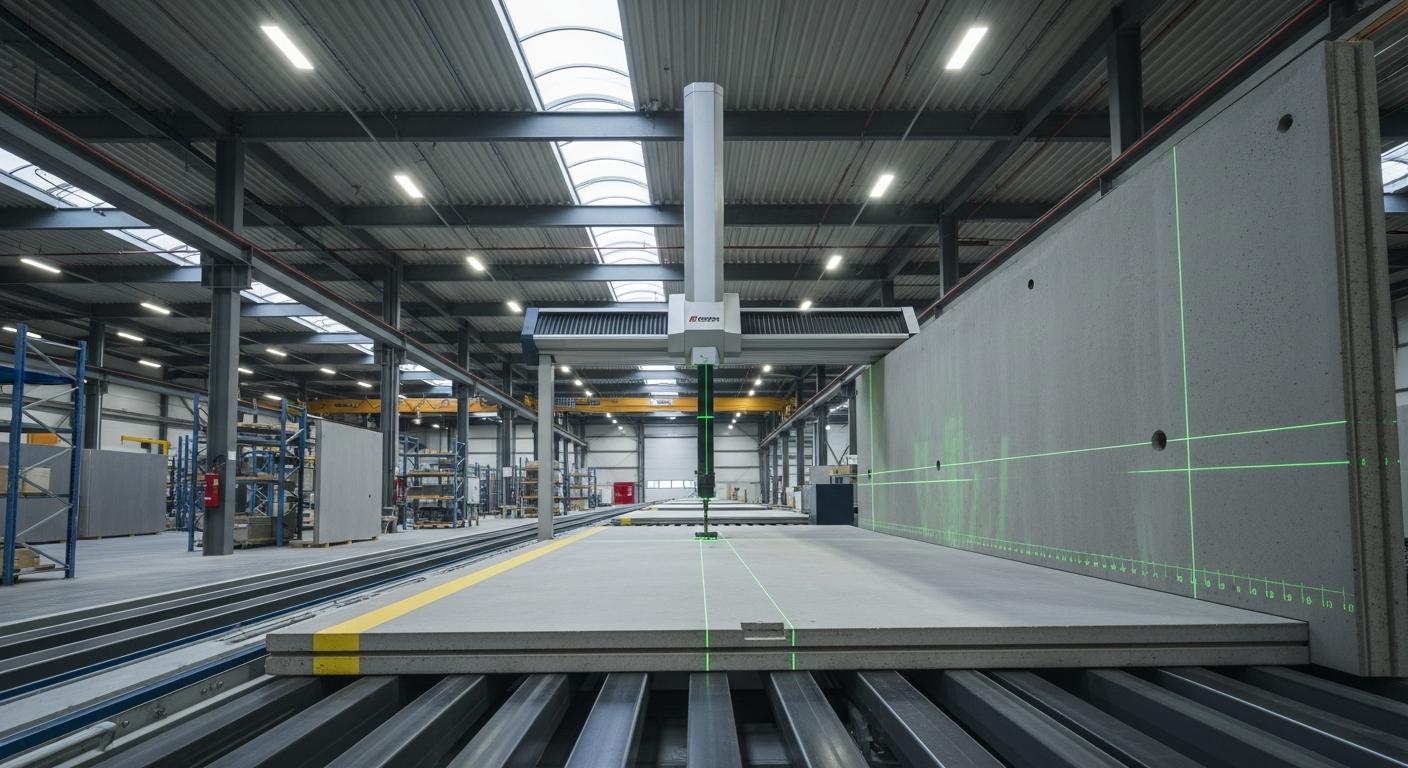
If you wander through a prefab facility (with proper safety goggles on), you’ll see lasers slicing panel components with millimeter-level accuracy while skilled technicians check edges by hand a satisfying blend of robotics and craftsmanship. The marriage between machine precision and human judgment defines modern-day quality assurance.
Automation reduces repetitive errors during framing or panel assembly; humans handle nuanced decisions machines can’t yet master like adjusting tension on connectors based on subtle material variations. Every station along the line functions as its own checkpoint within a broader network of regular inspections designed to catch defects early rather than late.
This blend supports consistent quality outcomes across hundreds (sometimes thousands) of modules per year. Workers participate in ongoing training programs so they understand both manual inspection techniques and data-driven decision-making rooted in principles such as statistical process control a method borrowed from advanced manufacturing quality management.
Climate-Controlled Assembly: Protecting Materials from Variability
You can tell when wood has spent too much time outdoors it swells unevenly or warps slightly at the edges. A prefab factory solves that by keeping its environment steady year-round. No rain delays here; no humidity swings compromising adhesives or finishes either.
Sensors constantly monitor temperature and humidity across work zones to maintain optimal curing conditions for sealants or coatings details that may sound small but make big differences over time in energy efficiency and lifespan.
The payoff? Lower rework rates than most open-air job sites experience because materials stay stable throughout fabrication. This climate-controlled precision helps each modular unit leave the factory meeting exacting acceptance criteria and it keeps crews focused on doing their best work instead of waiting out weather forecasts.
Testing Structural Integrity Before It Leaves the Factory
A major advantage of offsite production is being able to test components before installation ever begins a luxury field crews rarely enjoy in traditional construction projects.
- Load Tests: Walls and roof sections undergo simulated stress testing to verify structural integrity under real-world loads.
- Airtightness & Thermal Performance: Panels face pressurized exams confirming they’ll deliver promised energy savings once assembled onsite.
- M&E Pre-Inspections: Electrical wiring runs through continuity tests; plumbing systems receive pressure checks well before shipment to catch leaks early.
- Coding Compliance: Every document trail proves adherence to local building codes long before inspectors arrive onsite for final verification.
This proactive testing approach dramatically reduces defective products reaching customers it’s lean thinking applied directly to housing reliability. Each piece carries certification labels verifying compliance with safety regulations a tangible signpost of good faith between manufacturer and homeowner alike.
Packaging, Transport, and On-Site Verification
A perfectly built module doesn’t mean much if it arrives scratched or cracked at its destination that’s why packaging forms another key component of overall construction quality control measures.
Padded wrapping materials shield surfaces from abrasion during transport; edge protectors guard delicate corners; shrink films keep moisture out en route across states (or oceans). Many companies now include GPS tracking or QR tagging so every module’s chain-of-custody data travels with it all the way from factory floor to foundation slab traceability again proving invaluable should any issue arise later down the road.
The story doesn’t end upon arrival either: receiving teams perform quick visual inspections comparing delivered modules against shipping logs while checking alignment tolerances prior to installation a last layer ensuring consistent fit-up when multiple modules join together onsite into one seamless building envelope.
Continuous Improvement: Learning Loops That Refine Every Build
No system stays perfect forever but smart factories treat each project as input data for something better next time around. Continuous improvement fuels innovation inside these facilities much like oxygen fuels fire (though hopefully less explosively).
- User Feedback: Post-installation audits reveal subtle comfort issues or long-term wear patterns customers experience after move-in valuable insights often missed otherwise.
- Error Tracking: Quality issues encountered mid-production feed back into updated training sessions or revised equipment calibrations immediately rather than months later.
- Sustainability Metrics: Lean manufacturing principles help identify waste streams ripe for reduction without touching product quality levels turning environmental responsibility into operational efficiency simultaneously.
- <b<Transparency:> Sharing aggregated metrics across suppliers nurtures trust throughout supply chains while helping standardize expectations industry-wide about what “good” really means within modern modular building practices.
This loop from measurement through reflection back into redesign is essentially statistical quality control applied holistically across architecture itself rather than single widgets rolling down assembly lines. Over time those small refinements accumulate until houses become not only greener but smarter about how they’re made too not through luck but deliberate learning cycles embedded within everyday work culture itself.
A New Definition of “Well-Built”
If you’ve ever stood inside a completed prefabricated home fresh off delivery day the scent still crisp from eco-friendly finishes you sense something quietly different about it: panels align perfectly; windows shut smooth without draft gaps; floors feel sturdy beneath your feet even though weeks ago those same pieces sat neatly stacked miles away inside some humming facility buzzing under fluorescent lights.
The reality behind “quality control inside a prefab factory explained” isn’t mysterious at all it’s disciplined care expressed systematically via standardized processes built upon humble respect both craft tradition alongside future-facing data precision equally balanced harmoniously throughout entire lifecycle every single modular unit produced safely sustainably efficiently proudly reliably resiliently enduringly done right first time mostly anyway close enough always better next build afterwards gradually steadily confidently forward again forward always toward ever higher product quality customer satisfaction meaningful living spaces belong everyone everywhere anytime soon hopefully sooner still perhaps quite definitely actually absolutely pretty much altogether consistently ongoing continuous improvement forevermore practically speaking
