



Prefab Home Inspections: What Inspectors Look for Most
When a gleaming new modular home rolls down the highway on a flatbed truck, it’s easy to admire the precision that went into it. Each panel neatly wrapped, each corner sharp as if drawn by a ruler. But behind that polished exterior lies another story one of inspection checklists, certified home inspectors, and a quiet choreography of quality control that begins long before the house ever sees daylight. Prefab home inspections aren’t just about catching flaws; they’re about ensuring every bolt, wire, and seal can stand the test of time…and sometimes, of transport.
Understanding Prefab Home Inspections
Prefab homes whether modular homes, manufactured homes, or mobile homes follow an inspection process that’s both similar to and distinct from a standard site-built home inspection. In a traditional construction project, inspectors visit the site several times during framing, electrical installation, plumbing rough-ins, and before drywall goes up.
Typically, three main players are involved: factory quality teams who check each step as modules are assembled; third-party assessors who verify compliance with local and federal codes (especially relevant for manufactured home inspection standards); and local building officials who inspect again once everything is installed on-site. Why so many checkpoints? Because prefab homes are essentially two-phase creations they’re born in a factory but must perform as permanent structures in unpredictable environments like New York winters or Los Angeles heatwaves.
The goal across all these layers remains constant: safety, code compliance, and long-term performance. A thorough inspection catches potential issues early before they evolve into costly repairs or structural integrity problems after move-in day.
Factory-Built Precision: The First Line of Quality
The beauty of prefab construction lies in its consistency. Inside the factory, temperature and humidity stay stable; saw blades cut identically sized joints day after day; measuring tapes aren’t flapping in windy fields. This controlled environment allows inspectors to focus on micro-accuracy framing alignment within millimeters, secure fastening systems using torque-calibrated tools, plumbing lines tested for leaks under pressure.
Each module carries documentation detailing materials used (think low-VOC paints or recycled steel), quality checks passed, and inspector sign-offs a “passport” of sorts that travels with the unit until final assembly. Before shipment, inspectors ensure everything meets regional building standards an especially vital step when modules cross state lines where codes differ.
You might say these factory inspections represent architecture meeting manufacturing discipline the line between craftsman and production engineer blurring just enough to yield better buildings.
Structural Integrity and Load Performance
If prefab housing has an Achilles’ heel during transport or installation, it’s often the structure itself. Inspectors pay close attention to how frames handle stress not only from gravity but also from highway vibrations and crane lifting forces during placement. Whether steel-framed modular homes or timber-based panels, structural integrity is non-negotiable.
Inspectors look for proper bracing inside walls to prevent twisting during moves; for welds that meet strict uniformity standards; for bolts tightened but not overtightened to avoid metal fatigue later on. They’ll check alignment at every joint so roof loads distribute evenly once set on its foundation. In areas prone to earthquakes or hurricanes (yes, even prefab homes can earn wind mitigation inspection credits), additional testing ensures resilience against lateral movement or uplift forces.
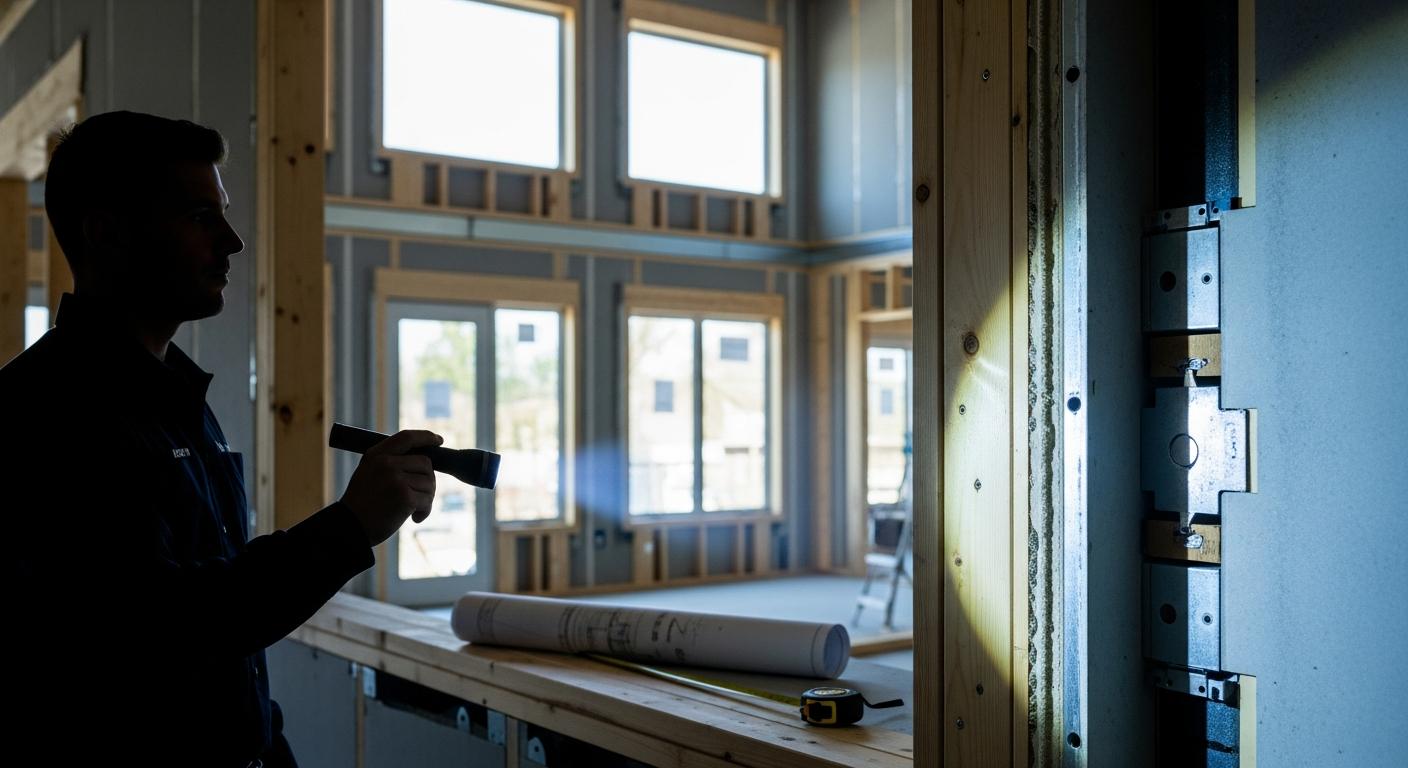
A good inspector will often crouch low at corners or trace seams with a flashlight small gestures revealing whether craftsmanship translates into durability long after shipping straps come off.
Building Envelope Efficiency
If the frame is the skeleton of a prefab house, then its envelope the walls, roof, floors is its skin. And like human skin, it’s responsible for keeping unwanted elements out while managing breathability inside.
During factory checks and later on-site inspections, evaluators measure insulation R-values to confirm energy efficiency targets are met. They’ll run air-leak tests around window frames and door seals to prevent drafts that could spike heating bills in winter months. Vapor barriers get extra scrutiny because one small puncture can lead to big water damage later especially near foundations where moisture tends to linger unnoticed until mold appears.
This part of a home inspection checklist might seem tedious: tape this seam here; check caulk bead there but it’s precisely these details that differentiate a good condition building envelope from one facing premature wear or hidden leaks years down the road.
Electrical, Plumbing & HVAC Systems
Inside those sleek panels lie complex lifelines wires carrying current through conduits; pipes routing fresh water and waste; ducts delivering conditioned air quietly through ceilings. Factory-installed systems undergo rigorous verification comparable to what you’d find in any general home inspection or even more so because any mistake becomes exponentially harder to fix once modules are sealed together on-site.
A certified home inspector will verify load capacity against local codes (so no overloaded circuits powering your future induction cooktop). Plumbing receives pressure tests using water or air gauges before shipment a tiny hiss detected now can save gallons lost from unseen leaks later. HVAC units are tested not only for function but also energy efficiency ratings since many prefab builders aim for ENERGY STAR benchmarks right off the assembly line.
The focus here isn’t merely functionality it’s reliability over time under real-world use by future homeowners who expect their systems invisible yet flawless from day one.
On-Site Assembly Checks
The day your modular home arrives often feels like architectural magic a few hours later and walls stand tall where yesterday was bare foundation slab. But while cranes swing pieces into place with cinematic flair, inspectors work methodically behind them verifying connections at every junction point.
This stage includes foundation inspection confirming correct levelness (a mere half-inch deviation could affect door swings upstairs), sealing seams between modules against air infiltration or rainwater intrusion the kind that causes hidden mold growth behind drywall if ignored and checking anchoring hardware meets local seismic or wind zone requirements.
Integration between pre-installed systems gets retested too: does that bathroom vent align perfectly between two sections? Do wiring conduits join cleanly without kinks? It’s here where communication between builders and local building officials becomes essential the best prefab projects treat inspectors not as adversaries but partners ensuring no detail slips through unnoticed.
Energy Efficiency and Sustainability Metrics
Sustainability isn’t just a buzzword plastered across marketing brochures anymore it’s embedded deep into modern prefab design language. Inspectors today often review green certifications such as Passive House protocols or LEED-equivalent features already integrated during manufacturing stages.
They’ll note sustainable materials: low-VOC finishes reducing indoor pollutants; recycled timber beams saving virgin forests; insulation derived partly from renewable fibers rather than petrochemicals. Renewable energy readiness gets checked too are solar conduit chases preinstalled? Is there space allocated for future battery storage systems?
An often-overlooked part involves reviewing waste-reduction logs from factories themselves showing how off-cuts were recycled rather than trashed a quiet but significant contribution toward cleaner production cycles benefiting both buyer and planet alike.
Documentation, Certification & Ongoing Maintenance Insights
If there’s one thing every homeowner should remember post-inspection it’s paperwork matters almost as much as paint colors do later on. Thorough documentation supports warranty claims should any issue appear within coverage periods; stamped approvals by engineers validate structural safety when applying for occupancy permits with local authorities in places like Los Angeles County or upstate New York towns alike.
Your inspection report acts as both proof-of-quality now and maintenance roadmap later for instance tracking when last chimney inspection occurred or noting early signs of roof damage needing review next season before it turns into expensive leak repair work. Think of it less like bureaucracy more like preventive medicine you keep records not because something is wrong but because someday they help prove everything is still right.
Homeowners benefit further by scheduling periodic re-inspections: perhaps every few years assessing minor settling around foundations (common issue though rarely serious) or recalibrating HVAC efficiency after upgrades such as new water heater installations replacing aging models. Regular oversight means fewer surprises whether selling property down real estate lines later or simply ensuring daily comfort stays dependable year-round without sudden costly repair demands sneaking up unannounced.
- Pest Inspection: Checking attics or crawlspaces guarding against termites which love untreated wood edges near moisture zones;
- Mold & Radon Test: Optional yet valuable additions especially in humid climates;
- 4 Point Inspection Reports: Covering roofing system health (including periodic roof inspection), electrical system safety shutoffs verified functioning properly;
- Total Home Inspection: Blending mobile home inspection checklist methods plus wider manufactured home compliance audits strengthening resale confidence among buyers seeking thorough results validated by right home inspector credentials.
A Closing Thought
A well-executed prefab home may start life hundreds of miles away but ends up feeling tailor-made once set firmly on its foundation and proper inspections bridge that gap seamlessly from blueprint dream into livable reality. Whether you’re browsing real estate listings seeking new modular options outside city limits or already awaiting delivery truck arrival tomorrow morning it pays knowing what inspectors look for most so expectations remain grounded yet optimistic throughout entire process.
Every fastener checked twice today equals fewer worries tomorrow that quiet assurance might just be prefab living’s most underrated luxury.
