



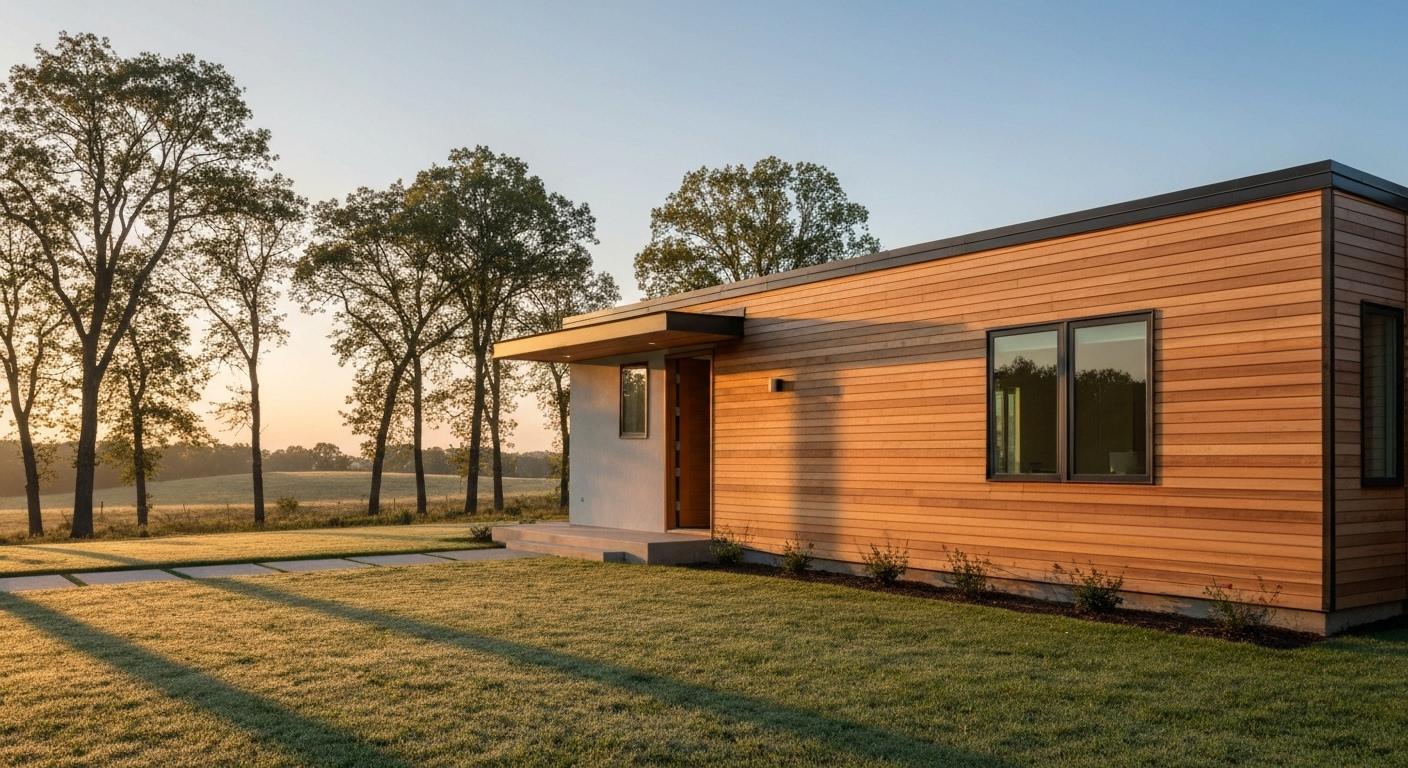
Introduction to Prefab Homes in California
Prefab homes short for prefabricated homes might sound like something out of the future, but they’ve already become a major player in today’s housing market. These homes are built in sections in a controlled factory environment and then assembled on-site, kind of like the IKEA of housing smartly designed, efficiently executed, and surprisingly stylish.
In California, prefab homes are more than just a trend; they’re a response to some of the state’s biggest challenges high housing costs, limited space, and growing environmental concerns. Californians are turning to prefab options for their cost-effectiveness, quick construction, and sustainable edge. By minimizing waste and using eco-friendly materials, prefab builders are redefining what modern, affordable living can look like on the West Coast.
Why Prefab Homes Make Sense in California
Prefab housing fits perfectly into California’s lifestyle and climate. The state’s diverse geography from coastal areas to desert valleys calls for smart, adaptable designs. Prefab homes can be customized to suit sunny Southern California, breezy coastal zones, or the cooler regions up north.
Plus, with California’s strong push toward sustainability and energy efficiency, prefab construction aligns beautifully with state goals. Whether you’re cutting down on waste or opting for solar-ready rooftops, prefab homes tick all the right boxes.
Criteria for Choosing the Best Prefab Homes
Choosing the right prefab home in California is all about balance. Start with size and design do you need a small, cozy retreat in the mountains or a larger setup for a suburban lot? Materials matter too, especially when it comes to energy efficiency and durability against California’s varying weather conditions.
Budget is another big one. While prefab homes can be more affordable than traditional builds, the final cost still depends on customization, delivery, and setup. And don’t forget about location and zoning laws every California county has slightly different rules for where and how prefab structures can be installed. Lastly, check out your builder’s track record and customer reviews. A little research goes a long way.
Top 5 Prefab Homes Under $100K in California (2025)
Looking for affordable options that combine smart design, comfort, and California style? Here are five standout prefab homes under $100K worth considering in 2025:
-
EcoCabins Studio 301
Price: $75,000
A minimalist studio designed for modern living. Its open layout is perfect for singles or couples, and it comes with several green upgrade options like solar panels and recycled materials. -
HavenHouse 450
Price: $85,000
A family-friendly prefab featuring a spacious kitchen and open-concept living area. Built with sustainably sourced timber, this model is ideal for eco-conscious Californians. -
Urban Nest
Price: $65,000
Compact yet surprisingly roomy, this model is made for city living think Los Angeles or San Diego backyards. It’s a great starter home or ADU (Accessory Dwelling Unit) for generating rental income. -
GreenHaven Tiny 204
Price: $55,000
This tiny home redefines minimalist living. Built with renewable materials and designed to be energy efficient, it’s a perfect match for California’s tiny home movement. -
Serenity Home 360
Price: $90,000
A sleek, open-plan design that seamlessly connects indoor and outdoor spaces. Ideal for those looking to enjoy the Golden State’s sunshine while keeping energy bills low.
Sustainable and Eco-Friendly Prefab Options
Prefab homes naturally lend themselves to sustainability, but many California builders are taking it a step further. Recycled steel, bamboo, reclaimed wood, and advanced insulation materials are helping lower the carbon footprint of modern housing.
In fact, case studies in areas like Sacramento and Santa Rosa show that energy-efficient prefab homes can reduce power bills by up to 70%. With state incentives for solar installation and green building rebates, it’s easier than ever to make your prefab home both sustainable and affordable.
Financing and Ownership Options in California
Financing a prefab home in California isn’t as tricky as it once was. Many banks and credit unions now offer prefab-specific home loans and construction-to-permanent mortgages. Depending on your location and builder, you might also qualify for green energy loans or state-backed housing assistance programs.
Before signing anything, make sure you understand the legal side property rights, foundation requirements, and zoning laws. Some prefab units can be classified as mobile or modular homes, which may affect financing terms and insurance. Having a solid financial plan and understanding your options upfront can save you a lot of headaches later.
Building Regulations and Permits in California
California’s building regulations can be complex, but they’re designed to ensure safety and sustainability. Every county has its own permitting process, often involving zoning checks, foundation inspections, and energy compliance certifications (like Title 24 standards).
Common hurdles include meeting seismic safety codes and local energy requirements, but most prefab companies are well-versed in helping homeowners through these steps. Working with experienced builders who understand California’s permitting landscape is key to keeping your project on track.
The Future of Prefab Homes in California
The prefab housing future in California looks brighter than ever. As housing demand continues to outpace supply, prefab homes are emerging as a smart solution blending affordability, efficiency, and innovation. Expect to see smart-home integration, off-grid capabilities, and solar-powered prefab communities becoming more common.
Architects are also pushing boundaries with futuristic designs homes that adapt to microclimates, optimize airflow, and even generate more energy than they consume. Prefab isn’t just the future of housing; it’s a reflection of California’s forward-thinking spirit.
Conclusion: Building a Smarter, Greener Future
When choosing the best prefab home under $100K in California, consider every angle from sustainability and design to financing and permits. These homes don’t just make sense economically; they represent a lifestyle shift toward smarter, greener, and more efficient living.
Buying a prefab home isn’t merely about owning property it’s about investing in the future of housing in California. A future where affordability meets innovation and where your dream home can be delivered, assembled, and lived in faster than ever before.
So, maybe it’s time to ask yourself: if you could build your dream home in weeks instead of months why wouldn’t you?
