



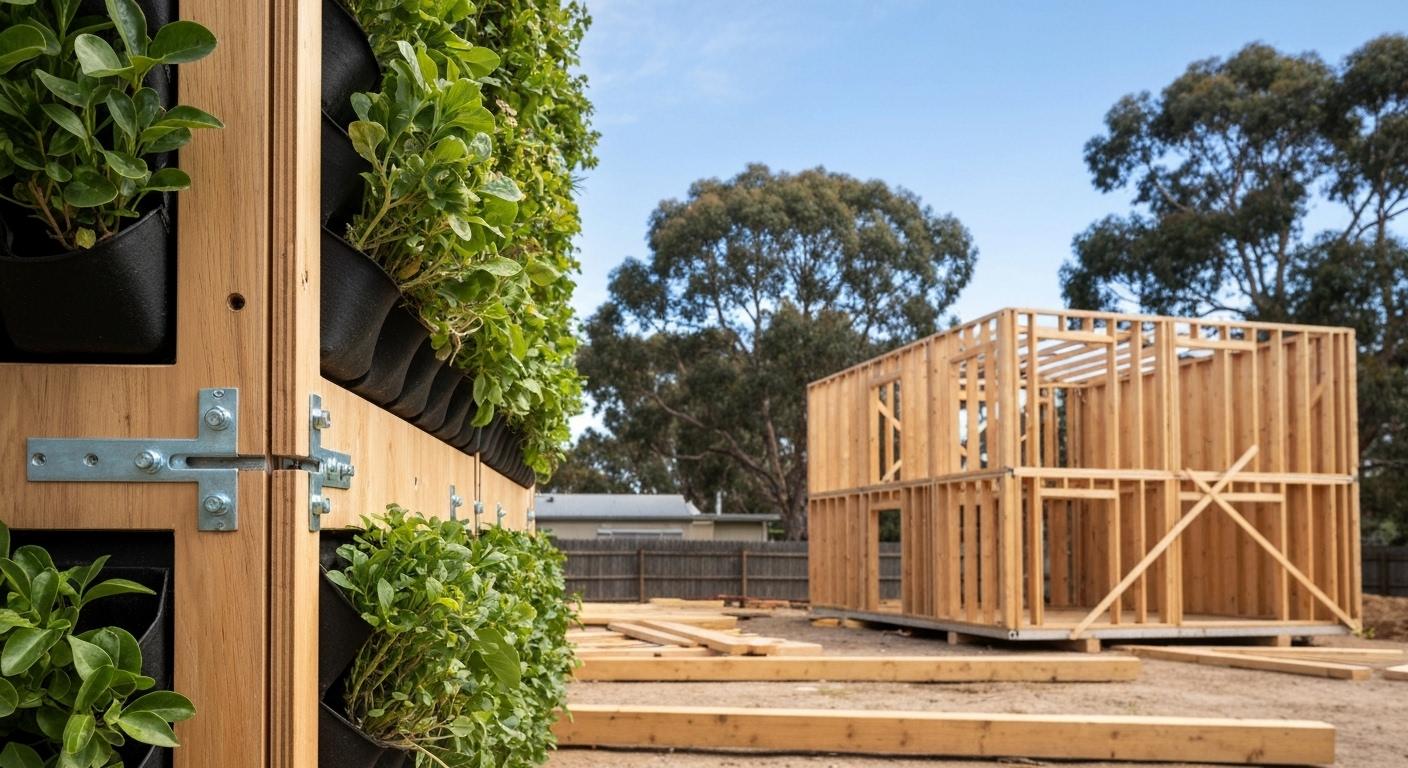
The Business Model of Plant Prefab
At the heart of Plant Prefab’s business is its embrace of prefabricated construction methods. Now, prefabrication might sound technical, but it’s essentially assembling building modules off-site in a controlled factory setting. This process allows for precision and quality control that’s hard to achieve on traditional construction sites.
But what truly sets Plant Prefab apart is its dedication to sustainable practices. By using renewable materials and minimizing waste, the company aligns its operations with broader environmental goals. This approach not only results in a smaller ecological footprint but also enhances cost-effectiveness and efficiency. Who wouldn’t want a home that’s both kind to the planet and easier on the wallet?
Technologies and Innovations in Use
Technology is where Plant Prefab shines, harnessing some of the most cutting-edge tools and processes in the industry. From smart automation to innovative design software, the entire construction process becomes a seamless symphony of efficiency. A significant aspect is the use of sustainable materials like wood and advanced insulation, ensuring each home is as eco-friendly as it is comfortable.
Automation reduces the time taken to construct homes while also enhancing precision. And with the introduction of smart home technology, Plant Prefab not only builds homes faster but also smarter. Imagine walking into your new prefab abode, where doors open with the swipe of a phone and thermostats adjust to your liking a futuristic vision that’s very much a reality today.
Case Studies and Success Stories
Spotlighting Plant Prefab’s achievements is like watching a highlight reel of the future of housing. Consider their project in California, where a custom home was built using modular techniques, significantly reducing the carbon footprint from traditional methods. Such projects showcase not just the potential for sustainable building but also the satisfaction of clients who benefit from reduced energy bills and quicker construction times.
Client testimonials often sing praises of how the experience was not just smooth but rewarding. A particular client marveled at how quickly their modules came together on-site, remarking it was a testament to the efficiency of prefabrication.
Challenges and Solutions in Sustainable Prefabrication
Of course, every innovation comes with its set of challenges. Prefabricated homes require meticulous planning to ensure that modules fit together perfectly, and local regulations can sometimes pose hurdles. But Plant Prefab has consistently demonstrated adaptability, developing solutions such as flexible design options to cater to varied site conditions and regulatory environments.
Looking ahead, the construction industry is poised to embrace prefabrication more robustly, especially as more builders and homeowners recognize the long-term benefits of sustainable practices. It’s a promising horizon, where the past struggles inform future triumphs.
Environmental and Economic Impacts
When we talk about Plant Prefab, we’re discussing more than just homes; we’re discussing a movement towards environmentally responsible constructions. The environmental benefits are clear, with significant reductions in waste and energy consumption. Economically, the shorter build times mean that homeowners can move into their homes quicker, saving on labor costs and time.
Moreover, as the industry grows, so does its potential for contributing to local economies through job creation and enhanced business opportunities. Plant Prefab stands as a beacon, demonstrating how sustainable practices can yield economic dividends.
Future Prospects and Trends in Prefabricated Construction
The future is exciting for prefabricated construction, particularly as technology continues to evolve. Plant Prefab is well-positioned to lead this arena, with plans to expand its operations and incorporate even more innovations. Post-2025, the trends will likely focus on integrating more smart technologies and enhancing customization options for homeowners.
One can only speculate, but if Plant Prefab’s track record is any indication, we’re on the brink of a housing revolution. Their vision for the future is not just about homes, but sustainable lifestyles molded by intelligent design.
Conclusion
It’s clear that Plant Prefab is shaping the landscape of sustainable building in profound ways. By blending innovation, aesthetics, and responsibility, they’re setting the standard for what modern homes should aspire to be. Continued innovation, adaptation, and adoption of prefab practices are more than just trends they’re necessities in our quest for a greener planet.
As homeowners and builders, it’s time we ask ourselves how can we contribute to this vital change? Perhaps the next time you consider building a home, you’ll look towards the simplicity and sophistication of prefab solutions. With Plant Prefab, that notion is not just a possibility, but a promise of a sustainable future.
