



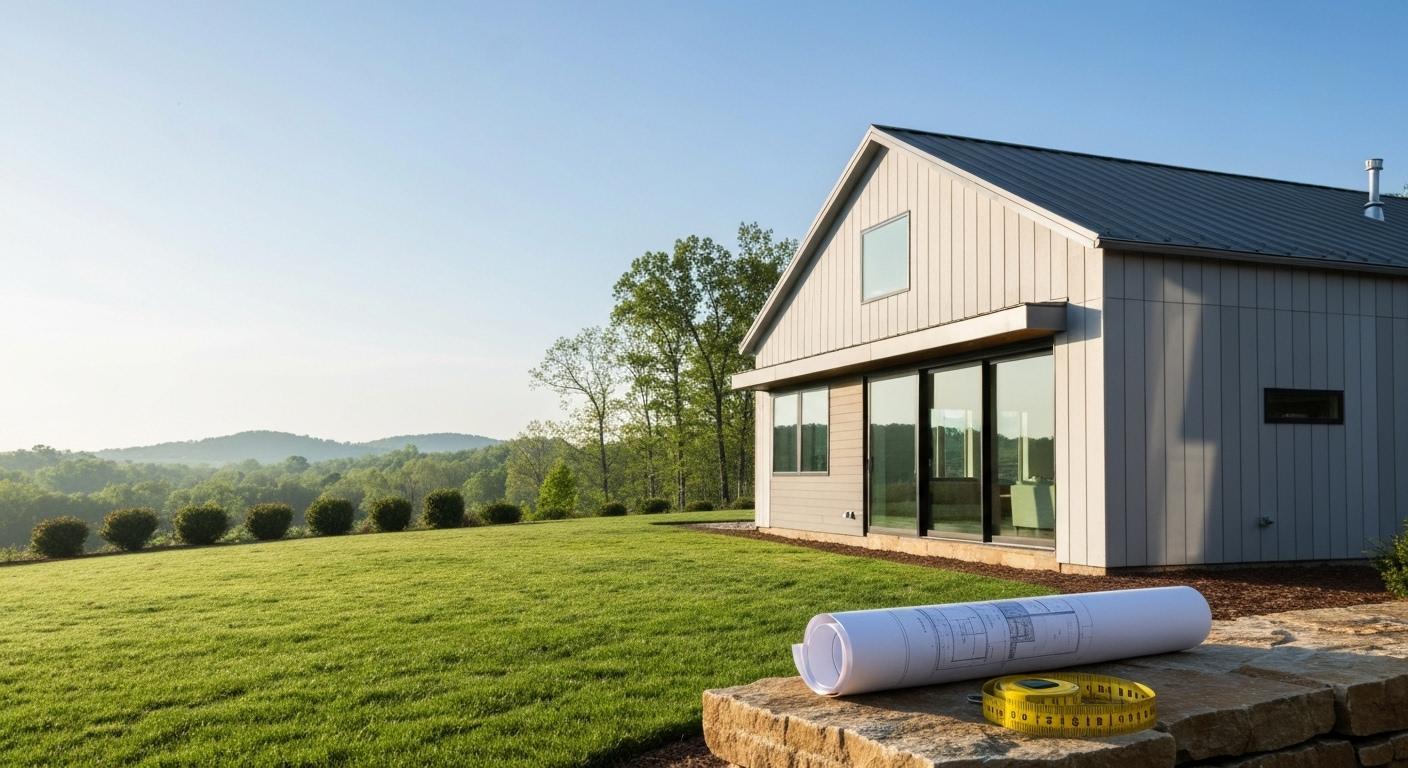
Introduction to Blu Homes
Blu Homes has long been a trailblazer in the world of prefabricated housing, seamlessly blending innovative design with environmental responsibility. Founded with a mission to make sustainable housing more accessible, they have evolved significantly over recent years. The company is known for redefining what a modular home can be infusing each design with modern aesthetics and advanced technologies. In doing so, they have carved a robust niche within the housing market, especially in Northern California.
Unlike traditional homes, Blu Homes offers the enticing promise of streamlined construction and reduced environmental impact. Their unique selling propositions revolve around innovation, sustainability, and customization, which resonate with environmentally-conscious homeowners and investors alike. But as we venture into 2025, the question remains: are Blu Homes worth the investment?
Key Features of Blu Homes in 2025
The allure of Blu Homes lies in their ability to push design boundaries. By 2025, they have introduced several architectural innovations that make their homes not only visually appealing but also highly functional. These modular homes are crafted with a keen eye on sustainability, incorporating eco-friendly materials that are as kind to the planet as they are pleasing to the eye.
Technological advancements take center stage in Blu Homes’ offerings, too. Smart home integrations enhance the living experience, allowing homeowners to control lighting, climate, and security systems remotely. Customization options are plentiful, ensuring that each house feels personal and suited to its owner’s unique lifestyle needs. From open floor plans to energy-efficient appliances, Blu Homes continues to cater to the discerning tastes of modern homeowners.
Construction Process and Timeline
Building a Blu Home is a fascinating journey from vision to reality. It all starts with a detailed consultation where prospective buyers choose their ideal design and options. Once the order is placed, the modular construction commences in a controlled factory setting, minimizing waste and ensuring precision.
The typical timeline from order to completion is impressively swift. Compared to traditional builds, which can drag on for months or even years a Blu Home can be ready in a fraction of the time. After manufacturing, the prefabricated modules are transported and assembled on-site, akin to pieces of a sophisticated puzzle. This efficiency not only saves time but also reduces potential construction site complications.
Customer Experience and Satisfaction
Let’s turn to the customers the best critics when it comes to any product or service. Blu Homes generally garners positive reviews, with homeowners praising the quality, design, and efficiency of their houses. The ability to customize and the eco-friendly aspects often top the list of customer satisfaction points.
However, no review is complete without addressing the negatives. Some customers have noted challenges in navigating local zoning regulations or dealing with unexpected costs. Nonetheless, Blu Homes provides robust support and services before, during, and after the purchase, which helps alleviate many concerns.
Environmental Impact and Sustainability
Blu Homes prides itself on using materials that significantly cut down environmental damage. The homes are constructed with sustainably sourced resources and are designed with energy efficiency at their core. This focus on reducing carbon footprints is not just a trend but a necessary pivot in the housing industry.
In addition, Blu Homes participates in programs and partnerships that drive sustainable development, further underscoring their commitment to a greener future. It’s a reassuring choice for homeowners eager to reduce their environmental impact.
Challenges and Limitations
Yet, even the most innovative concepts come with challenges. One of the potential limitations of Blu Homes is navigating the varying regulations and zoning laws across different regions. What works seamlessly in California might encounter hurdles elsewhere.
Additionally, despite their impressive design and technology, logistical and technical challenges can arise. The transportation of large modules, for instance, requires careful planning and execution. However, Blu Homes continues to refine their processes to address these concerns head-on.
Future Outlook and Trends in Prefabricated Housing
The future of prefabricated housing looks promising, driven by the twin engines of sustainability and technological innovation. As consumer demand for eco-friendly, adaptable living spaces grows, Blu Homes is poised to play a significant role in shaping the housing market of tomorrow.
In the coming years, we might see Blu Homes and their prefab counterparts becoming the norm rather than the exception. By continuously adapting to evolving consumer demands and leveraging technological advancements, they are likely to remain at the forefront of the industry.
So, are Blu Homes worth it in 2025? For many, the answer leans towards a resounding yes combining quality, efficiency, and sustainability that make these prefab marvels a compelling choice for the modern homeowner.
