



Understanding Accessory Dwelling Units (ADUs) in the Bay Area
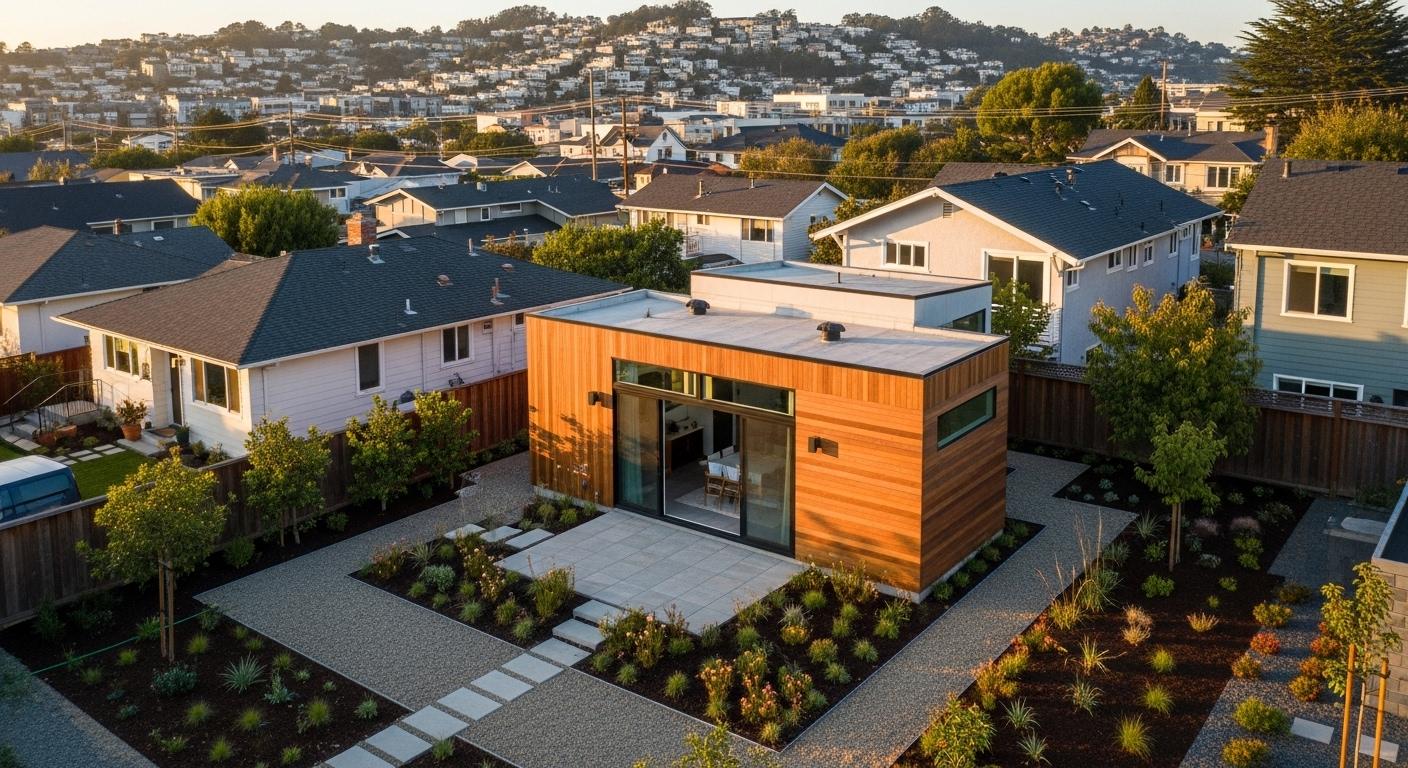
Accessory Dwelling Units, commonly known as ADUs, have been making waves in the world of housing, especially in areas like the Bay Area. But what exactly are they? Simply put, an ADU is a secondary housing unit on a single-family residential lot. Often referred to as “granny flats” or “in-law units,” these charming dwellings offer a range of benefits. From providing more affordable housing options and increasing housing flexibility to boosting property values, ADUs are becoming a smart choice for homeowners and investors alike.
The Bay Area, known for its high cost of living and housing shortages, has seen a surge in ADU popularity. This trend is not just a local phenomenon but part of a statewide push to address the housing crisis in California. With state laws evolving to encourage these units, cities like San Francisco, Oakland, and San Jose are navigating the intricate world of ADU regulation with varying degrees of enthusiasm and complexity.
San Francisco ADU Regulations
San Francisco, with its iconic hills and Victorian homes, presents a unique landscape for ADU development. So, what does it take to add a little extra space to your San Francisco property? The journey begins with obtaining a building permit, a process that might seem daunting at first. However, the city’s Planning Department is working to streamline this process, recognizing the potential of ADUs to ease the housing crunch.
It’s crucial to understand the zoning laws that dictate where and how ADUs can be constructed. For instance, size limits are in place, generally capping ADUs at 500 square feet, to ensure they complement existing structures and maintain the city’s architectural charm. Recent policy changes also offer incentives, nudging homeowners toward ADU development. Could San Francisco be warming up to the idea of more backyard cottages?
Oakland ADU Regulations
Over in Oakland, the ADU regulations have their own flavor. Zoning requirements can vary significantly, and historical preservation rules add an extra layer of complexity to the mix. If your property is nestled in one of Oakland’s historic districts, you’ll need to navigate additional guidelines to ensure your ADU plans are in compliance.
The permit process in Oakland, while structured, can vary in duration, depending on the specifics of your project. The city provides incentives, such as certain tax benefits, to encourage homeowners to add ADUs. Could it be that adding an ADU is not just a housing solution but also a financially savvy decision?
San Jose ADU Regulations
San Jose, the heart of Silicon Valley, brings a different perspective to the ADU table. With unique policies that reflect its distinct character, San Jose is embracing ADU development with thoughtful guidelines. Lot size, placement, and height restrictions are among the key considerations here.
Utility connections and parking provisions are other essential factors. Recent updates to San Jose’s regulations aim to make it even more enticing for property owners to invest in ADUs. How might these changes transform San Jose’s neighborhoods in the coming years?
Comparative Analysis of Bay Area ADU Regulations
When examining the regulations across San Francisco, Oakland, and San Jose, it’s clear that each city has its own approach. While San Francisco deals with size constraints, Oakland’s historical considerations play a significant role, and San Jose focuses on practical guidelines.
These differences present challenges for homeowners, but they also highlight the creative potential of each city. For instance, a successful ADU project in San Jose might inspire Oakland homeowners to explore similar opportunities. Is it possible that this diversity in regulations could drive innovation and collaboration?
Financial Aspects and Considerations for ADU Development
Constructing an ADU comes with its own set of financial considerations. It’s essential to have a clear understanding of the costs involved, which can vary based on design, materials, and location. However, the potential financial returns, including increased property value and rental income, can be enticing.
Financing options are available, ranging from traditional loans to newer, more creative funding models. It’s also important to consider the tax implications of ADU properties, which can influence your overall financial strategy. Could an ADU be a savvy investment for those looking to navigate the complex Bay Area real estate market?
Environmental and Social Impact of ADUs in the Bay Area
ADUs aren’t just about financial benefits; they also contribute to addressing the housing shortage in meaningful ways. By increasing housing density, ADUs can help reduce the environmental impact of urban sprawl. They also play a role in fostering community development and inclusivity, offering housing options for diverse populations.
Could these small but mighty homes serve as a blueprint for sustainable urban living?
Future Trends and Prospects in ADU Development
Looking ahead, the future of ADUs in the Bay Area seems promising. Predicted regulatory changes could further support ADU growth, making it easier for homeowners to expand their properties. Technological innovations in construction and design, such as modular building techniques, might also simplify the process.
The ripple effects of ADU development could extend beyond individual properties, influencing the broader real estate market and potentially redefining the concept of urban living. What role will ADUs play in shaping the future of the Bay Area?
As we explore the evolving landscape of ADU regulations and the opportunities they present, it’s clear that these small dwellings could hold significant potential for homeowners, investors, and communities alike. With a mix of curiosity and optimism, the possibilities seem almost endless. Could your backyard be the next frontier in housing innovation?
