



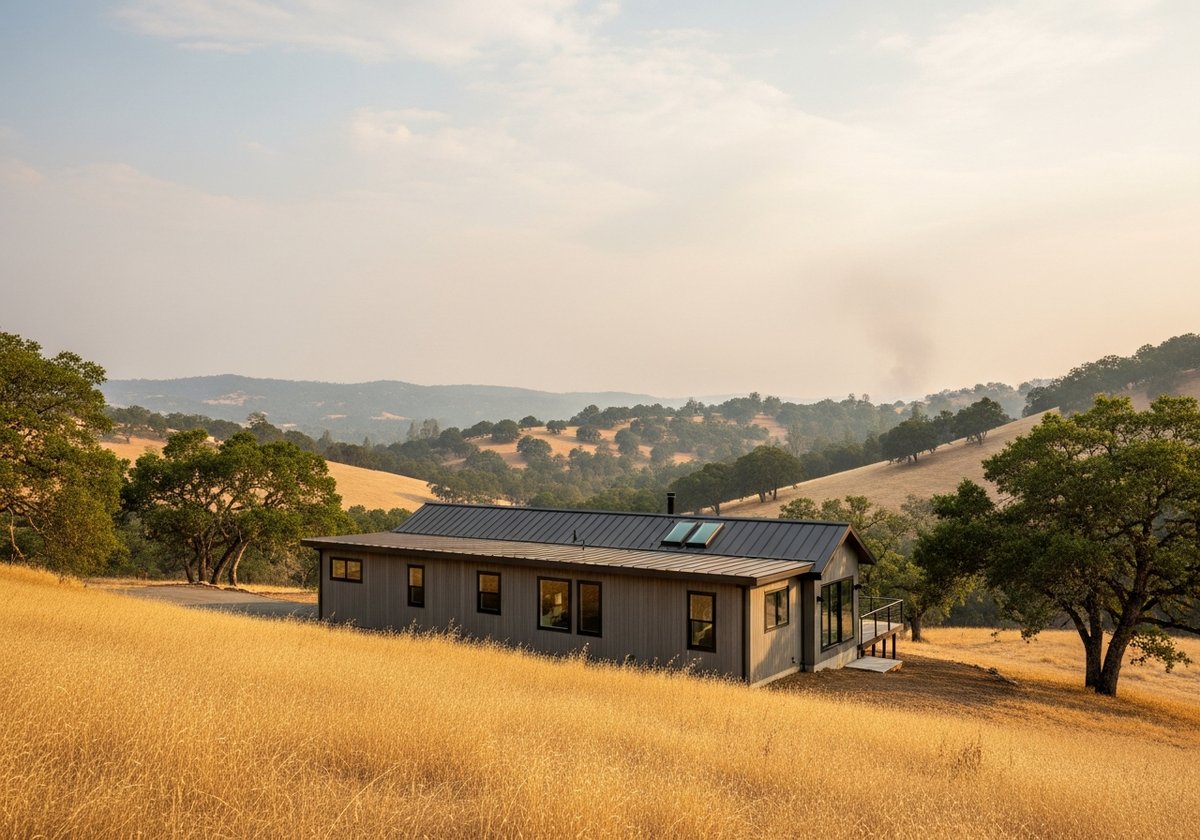
When wildfires sweep through a region, the homes left standing tend to share something in common: they were built with materials and design strategies that resisted ignition. For homeowners exploring prefab construction in fire-prone states like California, Oregon, and Colorado, the question of fire resistance belongs at the center of every decision, from choosing a builder to selecting exterior cladding. The encouraging news is that modern prefab and modular construction is well-positioned to meet the challenge, often outperforming conventional site-built homes when the right materials and systems are specified from the start.
Why Prefab Homes Can Excel in Wildfire Zones
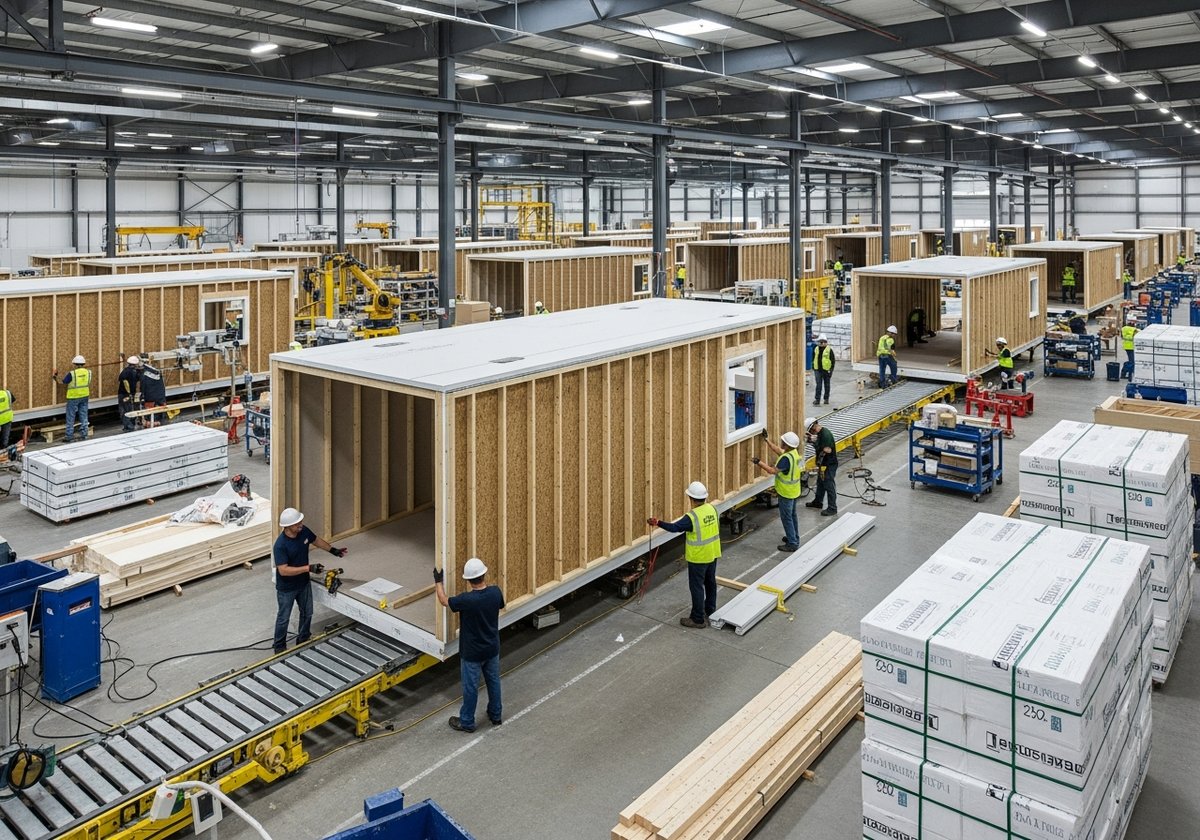
Prefab construction is often associated with speed and cost savings, but its advantages in fire-prone areas run deeper. Because modular and panelized homes are built in controlled factory environments, material specifications are applied consistently across every component. There is less room for field substitutions that can compromise fire resistance. Factory-built components are also easier to certify against building codes like California’s Title 24 and Chapter 7A, which governs construction in State Responsibility Areas and Very High Fire Hazard Severity Zones.
Builders who specialize in wildfire-resistant prefab homes can engineer entire assemblies walls, roofs, floors, and window systems to work together as an integrated fire-resistant envelope. This systems-level thinking is harder to achieve with conventional stick framing. For buyers researching options, the 10 best prefab home builders in California include several companies that specifically engineer homes to meet or exceed Chapter 7A requirements.
The Core Materials That Resist Wildfire Ignition

Understanding which materials make a prefab home fire-resistant starts with understanding how wildfires actually ignite structures. Research from the Insurance Institute for Business and Home Safety and the USDA Forest Service shows that homes ignite in three primary ways: direct flame contact, radiant heat from nearby burning structures or vegetation, and ember intrusion through vents, gaps, and windows. Each pathway requires a different material response.
Exterior Cladding
The outermost layer of a home’s walls is the first defense against radiant heat and ember contact. The best-performing cladding materials for fire-prone areas include:
- Fiber cement siding: Made from Portland cement, sand, and cellulose fibers, fiber cement is non-combustible and resists both flame and radiant heat. It is one of the most widely used cladding choices in California wildfire zones.
- Stucco: Traditional three-coat stucco over a concrete or masonry substrate performs well in fire conditions and is a common choice for modular homes built in the Southwest.
- Steel and aluminum panels: Metal exterior panels are non-combustible and increasingly popular in contemporary prefab design. They do not ignite and can be detailed to eliminate gaps that allow ember intrusion.
- Brick and concrete masonry: These materials offer exceptional fire resistance. Some modular builders incorporate masonry veneers at lower wall sections as a compromise between performance and budget.
- Treated wood with ignition-resistant treatment (IRT): Certain pressure-treated wood products carry an ignition-resistant classification and are permitted under California building codes when non-combustible options are not practical.
Roofing Systems
Roofs represent one of the highest vulnerability points in a wildfire because embers can accumulate and smolder, eventually igniting the roof deck from above. Class A is the highest fire-resistance rating for roofing assemblies. Materials that meet Class A include concrete and clay tile, metal roofing, and Class A-rated asphalt shingles. In prefab construction, standing seam metal roofing has become a popular choice because it is factory-compatible, lightweight relative to tile, and achieves top-tier fire ratings. Underlayment selection matters equally a non-combustible or fire-rated underlayment beneath the roof covering adds a critical secondary layer of protection.
Windows and Glazing
Conventional single-pane windows can fail within minutes of radiant heat exposure. For fire-prone areas, dual-pane windows with tempered glass on the exterior pane are the standard minimum. Some prefab builders now specify fiberglass window frames instead of vinyl or aluminum because fiberglass maintains structural integrity at higher temperatures and does not conduct heat as readily.
Ventilation and Eave Design
Ember intrusion through attic vents is responsible for a significant share of wildfire-related home losses. Building codes in California and other high-risk states require ember-resistant vents that use fine mesh screens or baffled designs to prevent ignited embers from entering the attic. Modular homes can be factory-fitted with compliant vent assemblies before leaving the plant. Boxed or enclosed eaves where the soffit is fully sheathed perform better than open rafter-tail designs that create ember traps.
Structural Systems That Add Resilience
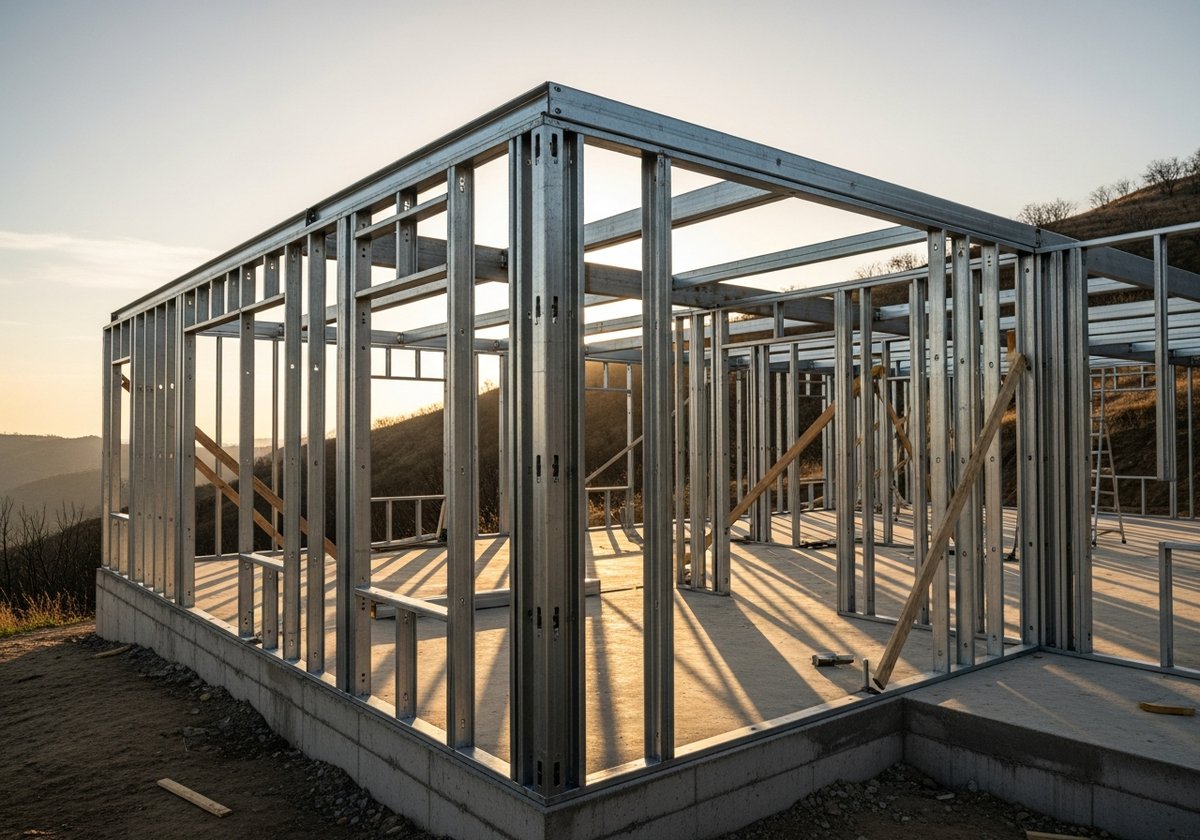
Beyond cladding and roofing, the structural system itself plays a role in how a home performs under fire exposure. Steel-framed modular homes offer one clear advantage: the framing will not contribute fuel to a fire. While steel can weaken at very high temperatures over prolonged exposure, it does not ignite, and a steel-framed shell can maintain structural integrity far longer than a wood-framed assembly under the same conditions.
Insulated Concrete Forms (ICFs) are another structural option gaining traction. ICF walls use expanded polystyrene foam as a form for poured concrete, producing walls with fire resistance ratings that can reach four hours or more. Structural Insulated Panels (SIPs) occupy an interesting middle ground while the OSB facings are combustible, SIP assemblies can be fire-rated when protected with appropriate exterior cladding and interior gypsum board. The airtight nature of SIP construction also reduces pathways for ember intrusion. Understanding how these materials hold up over time is covered in our article on how prefab homes age after 10 years and the materials that hold up.
Landscaping and Site Design as Part of Fire Safety

Even the most fire-resistant home can be overwhelmed if surrounding vegetation is not managed. Defensible space regulations in California require homeowners to maintain cleared zones extending 100 feet from the structure. Zone 1 (the first 30 feet) should use low-fuel, fire-resistant plantings and hardscape materials like gravel or stone. Prefab homeowners building in fire-prone areas should factor site clearing and hardscaping costs into their budget alongside the home itself. Deck and porch materials also deserve attention composite decking made with mineral-based materials, concrete pavers, or tile surfaces around the perimeter reduce ignition risk significantly.
Cost Considerations for Fire-Resistant Prefab Homes
Upgrading to fire-resistant materials adds cost, but the premium is often more modest than homeowners expect. Fiber cement siding typically costs $5 to $12 per square foot installed, comparable to higher-end vinyl or wood alternatives. Metal roofing can add $3 to $8 per square foot compared to standard asphalt, but its longevity and lower maintenance often justify the difference over the home’s lifespan.
In California, there are financial incentives that partially offset these costs. The full picture of available financial support is covered in our guide to tax credits and rebates for prefab and green homes in California. For buyers who want to explore builders that have already integrated these specifications into their standard product lines, the Dvele Homes review covering cost, process, and customer feedback is worth reading their high-performance factory-built approach overlaps directly with fire-resilience goals.
Frequently Asked Questions About Prefab Homes in Wildfire Zones
Are prefab homes safer than traditional homes in wildfires?
A prefab home is not automatically safer simply because it is factory-built. Safety depends on the materials specified and how the home is designed. However, prefab construction offers an advantage in that fire-resistant specifications can be applied consistently across every component, reducing the variability that sometimes affects site-built construction.
What exterior cladding is best for a home in a fire-prone area?
- Fiber cement siding is the most widely used non-combustible cladding for residential fire zones.
- Steel and aluminum panels offer excellent fire resistance with a modern aesthetic.
- Stucco over concrete or masonry performs very well and is code-compliant in most California fire hazard zones.
- Ignition-resistant treated wood is an option where codes permit, though non-combustible materials are preferred.
What roofing material provides the best fire protection?
- Class A fire-rated assemblies are the minimum standard for high-risk zones.
- Concrete tile, clay tile, and standing seam metal roofing all achieve Class A ratings.
- Non-combustible underlayment beneath the primary roofing material adds an additional protective layer.
Do windows matter for wildfire protection?
Yes, windows are a significant vulnerability. Dual-pane windows with tempered exterior glass resist radiant heat far better than single-pane units. Fiberglass window frames maintain integrity at higher temperatures compared to vinyl, making them a better choice for fire-prone locations.
How do I know if my prefab builder meets California’s fire-zone building codes?
Ask builders specifically about compliance with Chapter 7A of the California Building Code, which governs construction in State Responsibility Areas and Very High Fire Hazard Severity Zones. A reputable builder will be able to provide documentation showing that their standard assemblies meet or exceed these requirements.
Does building fire-resistant cost significantly more?
The cost premium varies by material choice but is often more manageable than anticipated. Fiber cement siding is comparably priced to premium wood alternatives. Metal roofing costs more upfront but lasts longer. Some insurance carriers offer reduced premiums for homes built to higher fire-resistance standards, which can offset costs over time.
Can I add fire-resistant features to an existing prefab home?
- Re-siding with fiber cement or stucco is feasible and often improves both fire resistance and weatherproofing.
- Re-roofing with Class A materials is one of the highest-impact upgrades available.
- Replacing single-pane windows with dual-pane tempered units is a practical retrofit.
- Installing ember-resistant vents can be done without major structural work.
Is defensible space required even if my home is built with fire-resistant materials?
Yes. In California and most other high-risk states, defensible space requirements are legally mandated regardless of the home’s construction type. Fire-resistant materials reduce ignition risk from radiant heat and embers, but managed vegetation around the home remains a critical part of overall wildfire protection.
Sources
- Insurance Institute for Business and Home Safety (IBHS) – Wildfire research and home hardening guidelines
- California Department of Forestry and Fire Protection (CAL FIRE) – Defensible space and building code resources
- California Building Code, Chapter 7A – Materials and Construction Methods for Exterior Wildfire Exposure
- USDA Forest Service – Home Ignition Zone research
- National Fire Protection Association (NFPA) – Wildfire community and home safety standards
