



Understanding Prefab Homes and ADUs
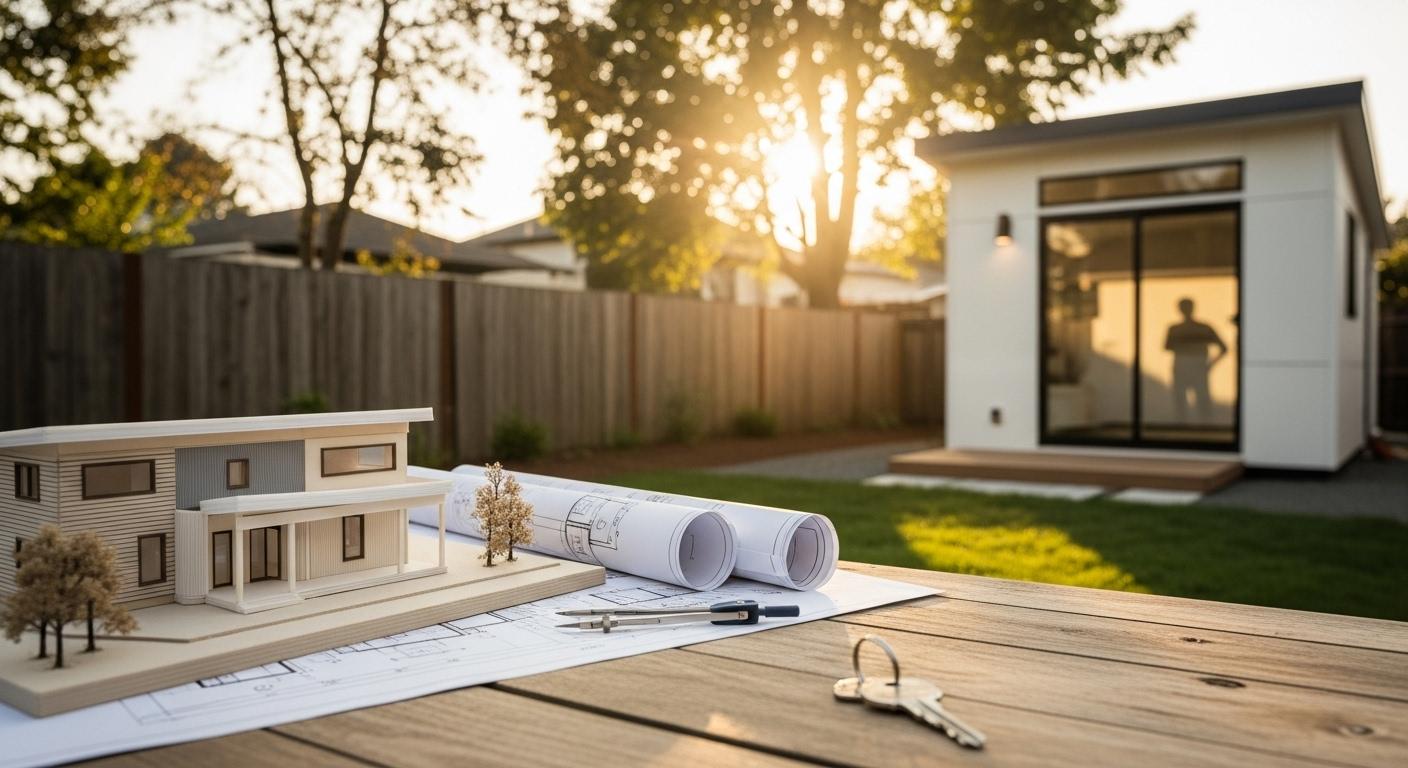
Prefab homes and accessory dwelling units (ADUs) are changing the way we think about housing. But what makes them so special? Prefab short for prefabricated homes are built off-site in modular sections and then transported to the property for assembly. This efficient process often leads to lower costs and faster build times. An ADU, on the other hand, is a secondary housing unit on a single-family residential lot. It might be a small detached home, a converted garage, or even an apartment above the garage, all of which add value and versatility to your property.
The benefits of opting for a prefab home or ADU are compelling. These structures are usually crafted with sustainability in mind, using materials and construction techniques that minimize waste. Financially, they can be a good investment due to their affordability and potential for rental income. Environmentally, they often have a lower carbon footprint compared to traditional homes.
Assessing Your Financial Situation
Before diving into the financing options for a prefab home or ADU project, it’s essential to take a hard look at your financial landscape. Start with your credit score this little number holds significant sway over your borrowing capacity. You’ll often find that a higher credit score translates to better interest rates and loan terms.
Next, it’s crucial to understand your borrowing capacity. Lenders will assess your income, existing debt, and overall financial health to determine how much money you can borrow. Creating a detailed budget for your project is one important step; this includes everything from construction costs to permits and unexpected expenses. Developing a comprehensive financial plan can mean the difference between smooth sailing and financial headaches.
Exploring Financing Options
Diving into the world of ADU financing and prefab home loans can feel overwhelming, but it doesn’t have to be. Traditional mortgage loans remain a popular choice for financing these projects, especially if your credit is in good standing. But they’re not the only option. Home equity loans and lines of credit tap into the existing equity of your home, allowing you to finance your new venture with potentially favorable terms.
If those options don’t align with your situation, personal loans offer a flexible and direct choice. For those specifically interested in prefab homes or ADUs, specialized financing programs may be available, often offering competitive terms tailored for these unique structures.
Government Grants and Assistance Programs
For homeowners seeking additional financial support, government grants and assistance programs can be a lifeline. These initiatives vary by location, but they typically aim to encourage sustainable and affordable housing developments, including ADUs. While each program has its own eligibility criteria and application process, successfully securing a grant can significantly offset the costs of your project.
Consider the real-world example of a couple in Oregon who qualified for a state grant aimed at promoting eco-friendly construction practices. Their successful application not only reduced the financial burden of building their ADU but also provided a template for others seeking similar support.
Maximizing Tax Benefits and Incentives
Navigating the tax landscape can be tricky, but understanding the potential benefits can lead to substantial savings. Tax credits and deductions specifically for prefab homes and ADUs can help, especially if your new construction incorporates energy-efficient features. Green building tax credits, for instance, reward homeowners for environmentally friendly building practices.
To make the most of these incentives, keep impeccable records of all expenses related to your project. Consulting with a tax professional who understands the nuances of ADU loan incentives and energy efficiency can be invaluable.
Selecting the Right Lender or Institution
Choosing the right lender for your prefab home or ADU financing is crucial. Factors like interest rates, loan terms, and the lender’s ability to communicate clearly should weigh heavily in your decision. You’ll want to compare offers from multiple lenders, focusing on those that display transparency and are willing to negotiate terms favorable to your situation.
Remember, a lender should be a partner in your project. Clear communication and trust are essential elements of this relationship.
Managing and Planning Construction Costs
Construction costs can be unpredictable, but with careful planning, you can mitigate potential issues. Start by identifying any costs that might catch you off guard and incorporate them into your budget. Allocating funds for permits, inspections, and other fees early in the process can prevent unpleasant surprises later.
Hiring qualified contractors and suppliers is another key strategy. Experienced professionals not only ensure quality work but can also offer insights into cost-saving measures. Throughout the project, consistently monitor expenses to stay on track.
