



Understanding ADUs in California
Accessory Dwelling Units, or ADUs, have become a significant part of California’s housing strategy. These secondary units offer an impressive solution to the state’s housing crisis, allowing homeowners to add a small but fully equipped residence on their property. In a place like Los Angeles, where the cost per square foot can be quite steep, ADUs present a relatively affordable option to increase living space and potentially earn extra income.
The importance of ADUs in addressing housing needs can’t be overstated. California’s legislation supports these units, making it easier than ever for homeowners to get started with their ADU project. State law now overrides many local regulations that previously made it difficult to build such units. With this legislative support, the benefits of adding an ADU include increased property value, the potential for rental income, and additional living space for family members.
Initial Planning and Research
Before you dive into construction, a careful analysis of your property is essential. Evaluate if your lot is suitable for an ADU by considering size, access, and existing site conditions. Once you’ve confirmed the potential, understanding zoning laws and local regulations becomes crucial. While state law has simplified the permitting process, local building codes can vary, so consulting with your local planning department is a wise move.
Budgeting and financing are also key considerations. Calculate the cost of the building permit, construction, and potential miscellaneous expenses. Financing options might include home equity loans or ADU-specific loan programs, helping you manage the budget effectively.
Design and Architectural Considerations
Choosing a design that complements your main home is crucial for aesthetics and resale value. A well-thought-out floor plan can maximize space efficiency and functionality, making every square foot count. Consider incorporating eco-friendly and sustainable materials to enhance the environmental value and reduce long-term costs.
Compliance with building codes is non-negotiable. These codes ensure safety and structural integrity. While they might seem like hurdles, they ultimately lead to a safe and secure build.
Obtaining Necessary Approvals and Permits
Navigating the permitting process can seem daunting, but breaking it down into manageable steps can simplify things. Gather all the required documentation and complete the permit application diligently. The timeframe for approval varies but being thorough with your paperwork can smooth the process.
Common pitfalls include missing documents or failing to comply with smaller aspects of local regulations. Keeping clear communication with your planning office and double-checking your documents can help avoid these issues.
Hiring Professionals and Contractors
Finding the right professionals is vital for a successful ADU construction project. Choose qualified architects and designers who understand your vision and local building codes. Selecting experienced builders and contractors will ensure that your ADU project stays on track.
Good communication and detailed contracts are imperative. Specify timelines, costs, and expectations upfront to prevent misunderstandings. Managing project timelines is crucial, and regular updates from your contractors will keep the project flowing smoothly.
Construction and Development Process
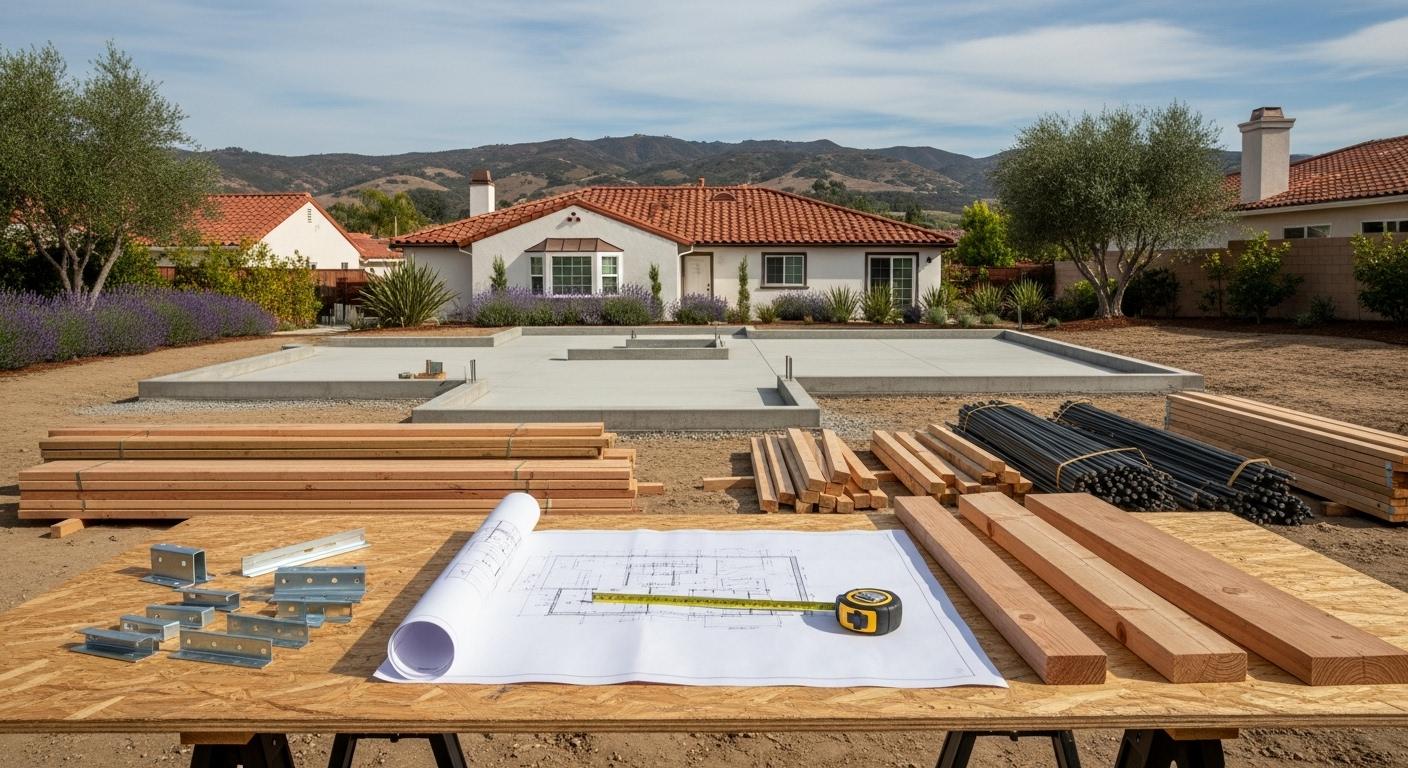
Once the planning is solidified, the construction process begins with site preparation and groundwork. Each stage of ADU construction, from laying the foundation to installing the roof, requires quality control and inspections. These inspections are checkpoints to ensure compliance and quality.
Construction challenges may arise, but addressing them promptly with professional help can prevent delays. A proactive approach keeps the project running efficiently, transforming your plan into a tangible new unit.
Finalizing and Preparing for Occupancy
As construction wraps up, final inspections are crucial to obtain certificates of occupancy. This ensures all utilities are connected and operational. Interior finishing touches, like painting and flooring, bring the space to life.
Setting up a maintenance plan ensures your ADU remains in top condition. Regular upkeep saves on potential costly repairs and keeps your property value high.
Legal and Financial Considerations
Understanding property tax implications is essential once your ADU is complete. The addition may affect your home’s tax assessment, so it’s wise to consult with a tax advisor. Insurance requirements for ADUs also need special attention to provide appropriate coverage.
If you plan to rent out your ADU, familiarize yourself with rental regulations and tenant considerations. Being aware of your legal responsibilities as a landlord ensures a smooth and profitable experience.
In essence, building an ADU in California involves many steps, but each one brings you closer to a versatile and rewarding addition to your property. Through careful planning, smart design, and effective management, your ADU can be a valuable asset for years to come.
