



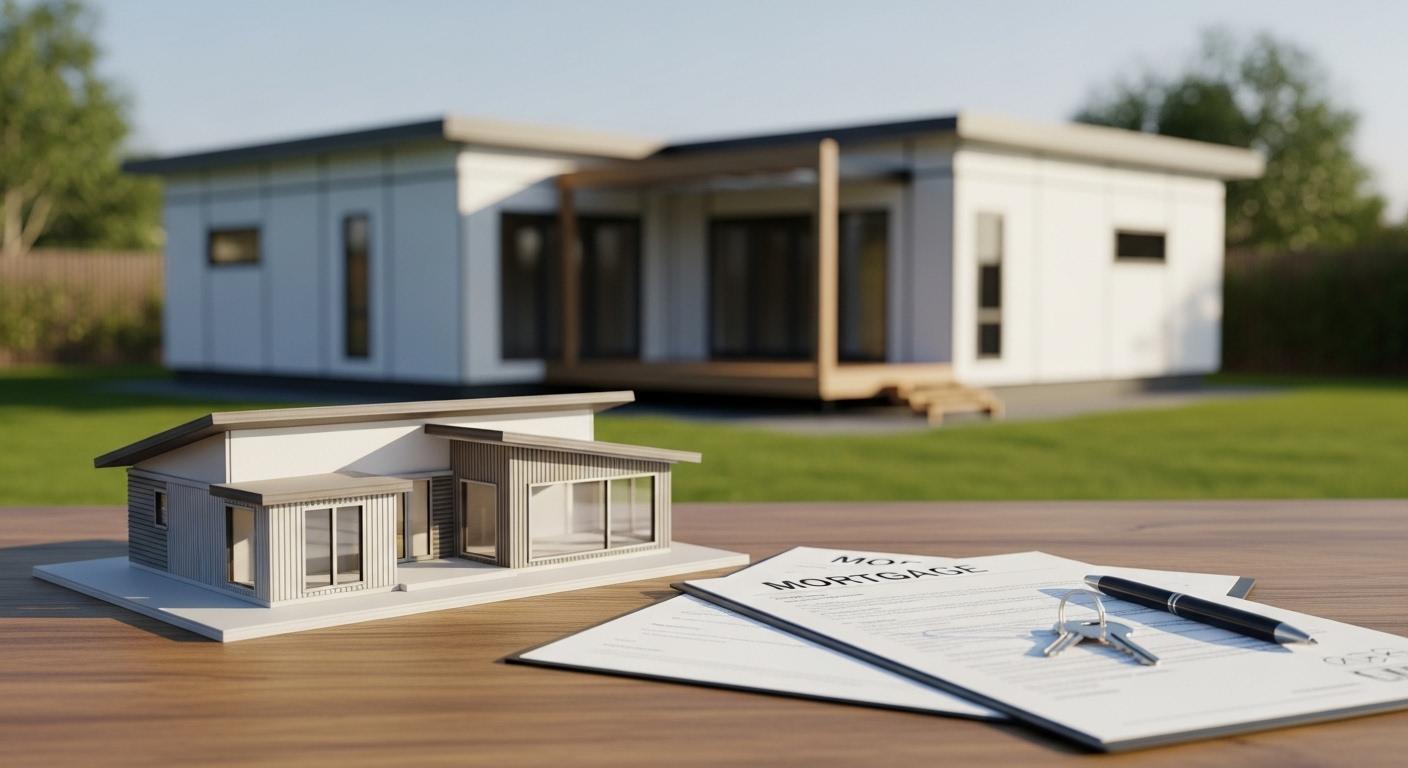
Introduction to Prefab Homes and Mortgages in Australia
Prefab homes, short for prefabricated homes, have become a buzzword in the Australian housing market. These are not your run-of-the-mill houses; they’re built off-site in sections and then transported and assembled on location. As housing markets in Australia continue to grapple with affordability and supply issues, prefab homes offer a fascinating alternative for those looking for cost-effective and environmentally friendly options. But with these unique homes come unique challenges, especially when it comes to navigating the world of mortgages.
Understanding mortgage options for prefab homes in Australia is crucial, as these loans differ significantly from those for traditional stick-built homes. From financing options to the nuances of their construction, potential prefab home buyers need to familiarize themselves with the landscape to make informed decisions.
Types of Prefab Homes Available in Australia
Australia offers a diverse range of prefab home styles, including modular homes, panelized constructions, and kit homes. Modular homes, for example, are constructed in factory settings and then transported to the site as substantial modules. Panelized homes, on the other hand, are shipped as flat panels and assembled on location, making them a flexible and cost-effective option.
When stacked against traditional homes, prefab homes can be enticingly more affordable. The streamlined construction process often results in reduced building costs and faster completion times. Additionally, the environmental benefits of these homes, from reduced waste to enhanced energy efficiency, cannot be overstated. Notably, several manufacturers in Australia, such as Modscape and Ecoliv, are leading the charge in offering sustainable and stylish prefab options.
Understanding Prefab Home Mortgages
So, what exactly is a prefab home mortgage? Essentially, these are loans tailored for buying a prefabricated home, differing in some key aspects from traditional mortgages. Unlike a standard mortgage, financing a prefab often involves a construction loan, given that these homes are not fully built at the time of purchase.
Lenders take into account several unique factors when considering prefab home financing. These include the stability and credit score of the borrower, the property’s location, and the reputation of the prefab manufacturer. Loan terms can vary, but typical interest rates are competitive with traditional mortgage rates, offering attractive financing options for potential buyers.
Eligibility Criteria for Prefab Home Mortgages
If you’re considering applying for a prefab home mortgage, it’s essential to understand the eligibility criteria. Lenders will often assess your credit score and financial stability as part of their approval process. Required documentation usually includes proof of income, property details, and an appraisal of the site where your prefab home will be situated.
The location of your property and ownership of land can significantly influence mortgage approval. Prefab homes need a stable foundation, and lenders will often require detailed inspections and appraisals to ensure the site is suitable. Meeting these requirements can make the difference between securing funding or facing potential roadblocks.
Benefits and Drawbacks of Prefab Home Mortgages
The benefits of prefab home mortgages are plentiful. With faster construction times and potentially lower costs than traditional homes, they’re appealing to many buyers. Furthermore, the ability to lock in favorable interest rates and loan terms adds to their attractiveness.
However, it’s wise to consider the drawbacks. Financing a prefab can be more complex than traditional mortgages, and resale values might fluctuate depending on market trends. Yet, understanding these challenges can better prepare buyers to negotiate loan terms and make savvy property investments.
Comparison of Lenders for Prefab Home Mortgages
Choosing the right lender is crucial, and options range from major banks to credit unions. Some lenders might offer specialized loans designed for prefab homes, while others may participate in government incentive programs that could provide financial advantages to buyers.
Lenders differ in terms of interest rates, loan terms, and policies, so it’s worthwhile to shop around and compare offers. It’s also helpful to negotiate terms and seek advice from mortgage brokers who understand the unique aspects of prefab home financing.
Tips for Securing a Prefab Home Mortgage
Improving your credit score before applying for a loan is a smart strategy. A solid financial history can positively influence loan approval, ensuring better terms and rates. During the planning stage, thorough research and budgeting can also pave the way for a smoother home buying process.
Mortgage brokers can be invaluable allies, guiding you through the mortgage landscape and helping to future-proof your investment. By considering factors such as building codes, loan options, and property resale value, you can make informed decisions that benefit you and your family.
Case Studies and Real-Life Examples
Take, for example, the story of the Watsons, who opted for a sleek modular home in Victoria. They navigated the mortgage maze by working closely with a broker and ensuring all documentation was in order. Their experience underscores the importance of careful planning and understanding regional differences in financing.
Lessons learned from real-world examples reveal the challenges and triumphs of prefab home buyers across Australia. Industry professionals often advise thorough site inspections and selecting reputable manufacturers to avert potential pitfalls.
Prefab homes offer a compelling alternative for Australian home buyers, combining modern aesthetics with cost-effectiveness. While the mortgage process can be daunting, understanding the available options and consulting with experts can make the journey worthwhile.
Whether you’re drawn to modular homes or kit homes, the key is to remain informed and proactive. As Australia’s housing market evolves, prefab homes might just be the bridge to your dream property.
