



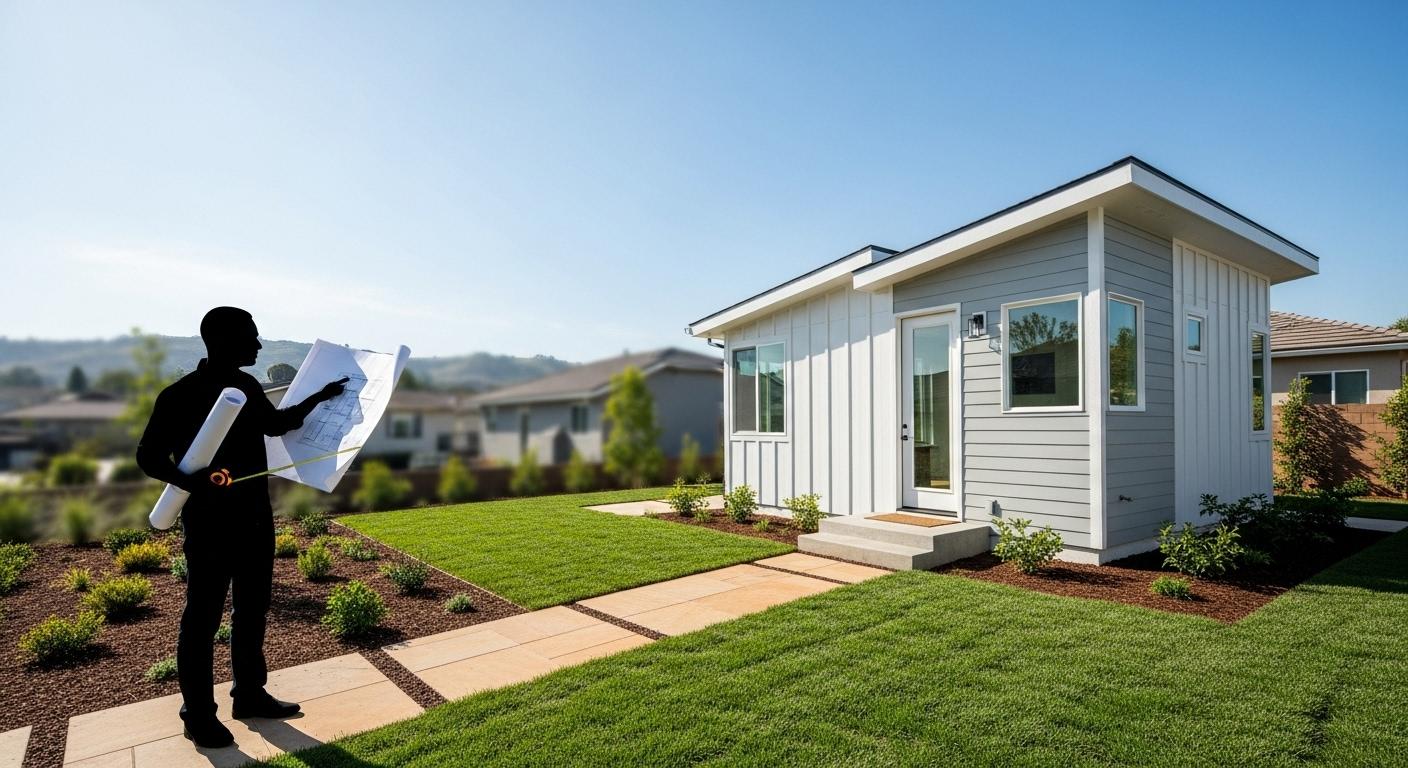
Introduction to California ADU Laws 2025
Accessory Dwelling Units, or ADUs, are like the Swiss Army knives of the housing world: compact, versatile, and incredibly handy to have around. In their essence, ADUs are secondary housing units sharing the same lot as a primary residence. Think backyard cottages or converted garages that transform into fully functional living spaces. As we step into 2025, California’s ADU laws are undergoing significant revisions, sparking interest and, perhaps, a bit of confusion among homeowners.
Understanding these legislative updates is crucial, whether you’re a homeowner considering adding an ADU for extra income, a place for your in-laws, or simply to boost your property value. Dive deeper, and you’ll find that these laws aren’t just about brick and mortar they influence community harmony, affordable housing, and even environmental sustainability. This article explores the important changes to the California ADU laws for 2025 and what these mean for property owners in the Golden State.
Key Changes in California ADU Laws for 2025
As the skyline of legislative adjustments rises, the 2025 California ADU laws bring notable changes aimed at making ADU development more accessible. Firstly, the size limits for detached ADUs have been expanded, providing homeowners with the flexibility to add more square footage without unnecessary red tape. For those with an eye for design, there are updated design standards promoting architectural innovation while maintaining neighborhood aesthetics.
Gone are the days when parking requirements hindered ADU plans. The new laws give homeowners more freedom, especially in transit-rich areas where parking exemptions are now more widely available. Notably, there are also changes concerning impact fees, which are now more favorable for smaller ADUs, reducing the financial burden on homeowners. These updates represent a marked shift from the more restrictive policies of previous years, reflecting a statewide move towards encouraging more ADU development.
Benefits of Building an ADU in 2025
The allure of building an ADU in 2025 is multifaceted. For one, it’s a savvy investment. Properties with ADUs can witness increased property value, a fact not lost on many Californian homeowners keen on solidifying their financial foothold. Moreover, renting out an ADU can serve as a steady stream of rental income perfect for investors or those looking to offset mortgage costs.
ADUs also offer flexible housing solutions. Whether providing a comfortable space for an aging parent or a newly independent young adult, these units cater to diverse family dynamics. Plus, there’s the added benefit of contributing to alleviating the state’s chronic housing shortages, positioning homeowners as part of the broader solution to California’s housing crisis.
Challenges and Considerations for Homeowners
While the prospects of ADU development are exciting, potential challenges shouldn’t be underestimated. Zoning and permitting can sometimes be a labyrinth of regulations. Familiarity with local government ordinances, and perhaps a bit of persistence, will be your allies in navigating these hurdles. Financial considerations are another critical aspect. Budgeting for construction, adhering to sustainability requirements, and planning for unexpected expenses demand careful attention.
It’s also essential to be aware of community and neighborhood restrictions. Some neighborhoods have specific design guidelines or historic preservation rules that dictate what can and cannot be done with your new ADU project. Understanding and respecting these can save headaches and foster goodwill in the community.
Steps to Successfully Build an ADU
Success in building an ADU starts with the permitting process. Familiarize yourself with the requirements set forth by the California Department of Housing and Community Development and local jurisdictions to ensure compliance. Selecting a suitable ADU design is equally important, balancing functionality with aesthetic appeal.
Hiring experienced contractors and architects familiar with ADU laws can be a game-changer, guiding you through the complexities of construction and ensuring your project is up to code. Managing the timeline and staying on top of project execution keeps stress levels low and projects on schedule, turning your ADU dreams into a beautiful reality without unnecessary delays.
Financial Aspects of ADU Development
Building an ADU is an investment with upfront costs but with potentially rewarding financial returns. The typical costs can vary based on size, design complexity, and location, but understanding these from the onset helps in budgeting effectively. Financing options abound, from traditional loans to state and local incentives aimed at easing the financial load.
Looking longer-term, ADUs can significantly enhance your financial landscape, providing rental income that can be quite lucrative over time. It’s a strategic investment in California’s perpetually dynamic real estate market.
Legal and Compliance Considerations
Legal compliance serves as the backbone of any successful ADU project. Staying in line with the latest state laws ensures your ADU remains a beneficial asset rather than a legal burden. Special attention should be paid to tenant rights and lease agreements if you’re planning to rent out your new space.
Local governments may have additional rules, so awareness of these is crucial. Avoid skirting around compliance a strategy that rarely ends well. Instead, embrace these guidelines as a framework for success.
Future Implications and Trends in ADU Development
The future of ADUs is promising. Projections indicate steady growth, fueled by innovative design trends and construction methods. As ADUs become more integrated into urban planning, their role in offering sustainable, affordable housing solutions will only grow.
Beyond 2025, we can anticipate further legislative changes aimed at refining the efficacy of ADU laws, ensuring they continue to meet the evolving needs of California’s diverse communities.
California ADU laws for 2025 illuminate a pathway filled with potential. By understanding the nuances and taking strategic steps, homeowners across the state can transform their properties, meet housing demands, and contribute to community development.
