



Understanding ADUs: What Are They and Why Build One?
Accessory Dwelling Units, or ADUs, might sound like something out of a sci-fi novel, but they’re about as practical as a backyard shed only a lot more valuable. So, what exactly is an ADU? Think of it as a secondary housing unit on the same lot as a primary dwelling, like turning your property into a bit of a real estate Swiss army knife. These can be attached to your main house, popped up as a detached structure, or even crafted from a garage conversion.
The benefits of building an ADU are plentiful. For one, they can generate additional income through rentals, and who doesn’t appreciate a bit of passive cash flow? Moreover, they can significantly increase the value of your property. But before you start dreaming of that extra living space, it’s crucial to navigate the murky waters of legal and zoning considerations in your area. Local regulations vary significantly, influencing your ability to build or modify existing structures.
Planning Your ADU: From Vision to Blueprint
Every ADU project starts with a dream. Perhaps you envision a chic loft over the garage or a cozy bungalow nestled in the garden. But before you pick up a hammer, it’s essential to align your vision with reality. Assess your needs and set realistic goals, ensuring they match your budget and site conditions.
Budget considerations and financing options come next. You might find financing through traditional home loans, though some innovative lenders offer loans specifically for ADU construction. Engaging with architects or designers early on can help solidify design plans while ensuring compliance with local building codes and requirements. This step involves more than just picking out pretty tiles; it’s about balancing aesthetics with practicality.
Securing the Required Permits and Approvals
If building an ADU were a dance, securing permits would be the choreography. You’ll need a list of necessary permits, which typically includes building, electrical, plumbing, and mechanical permits. Navigating the permit application process can feel like running a marathon, but with the right preparation and a bit of patience it’s manageable.
The estimated timeline for obtaining permits will vary based on your local jurisdiction, ranging from a few weeks to several months. Make compliance with state and local regulations a priority; it saves headaches and costs down the road.
Hiring the Right Contractor and Assembling Your Team
Now, let’s talk about the “who” of your ADU adventure. Selecting a reputable contractor is a crucial aspect, almost like choosing a dance partner you want someone reliable, with the right moves! Obtain multiple quotes, check references, and ensure they have a solid track record with projects similar to yours.
Your project team might include project managers and sub-contractors who each play a key role in transforming those blueprints into reality. It’s essential to have clear service agreements and contracts in place to avoid misunderstandings, ensuring everyone is on the same page from start to finish.
The Construction Phase: Building Your ADU
With plans in hand and permits secured, it’s time to break ground. The construction phase kicks off with site preparation, including utility hookup and foundation construction. This initial groundwork sets the stage for the entire process that follows.
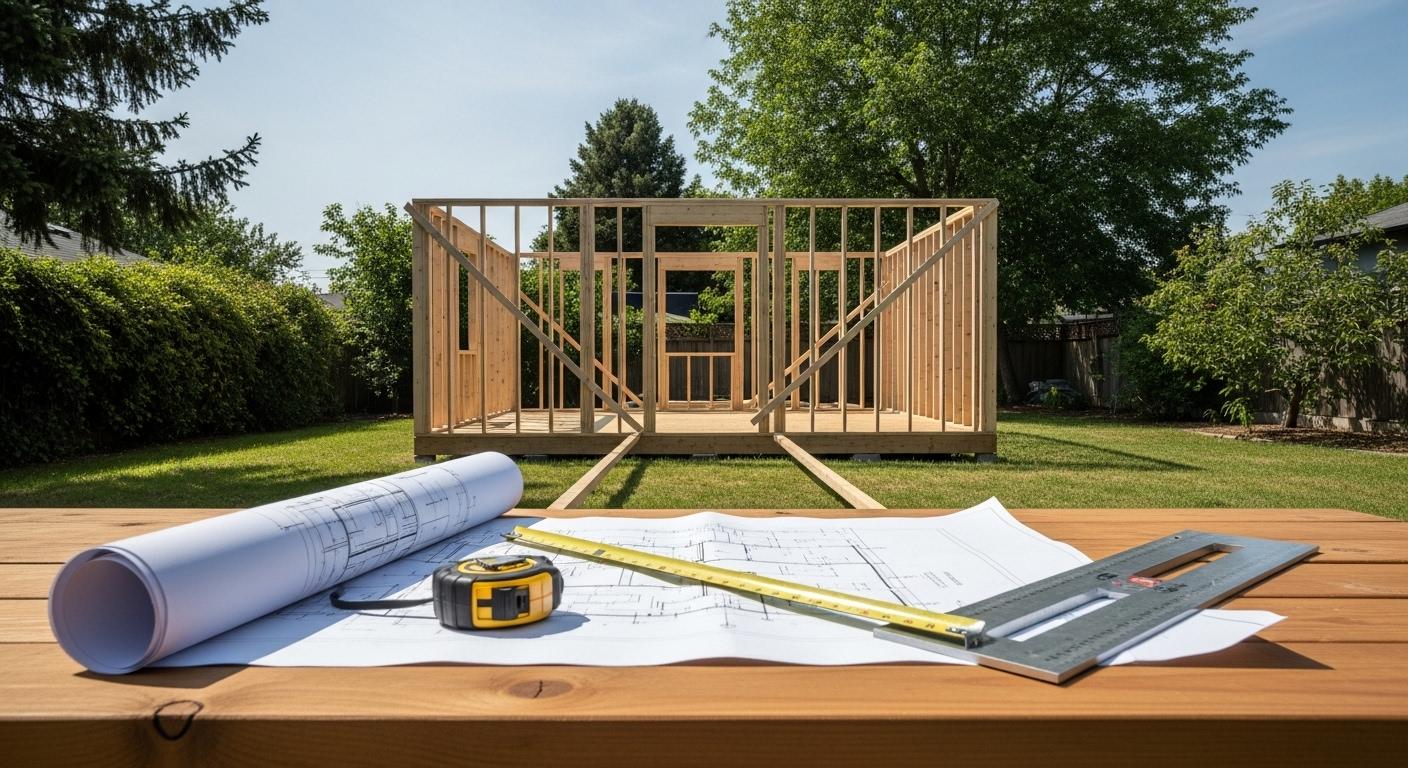
Key stages of the construction process will include framing, installation of systems (like plumbing and electrical), and finishing touches. Challenges will arise perhaps a stubborn rock where your foundation should be, or a sudden downpour but problem-solving techniques and open communication with your contractor will keep things on track. Keep a close eye on the timeline and budget without micromanaging; it’s a balancing act, like reaching the summit of a mountain without slipping.
Finishing Touches: Making Your ADU Livable
Now comes the fun part bringing your ADU to life. Interior design tips can help maximize space and comfort, ensuring every square foot is utilized effectively. Consider energy-efficient and sustainable options for utilities and appliances; it’s good for the planet and keeps utility bills in check.
Your newfound additional living space might also benefit from thoughtful landscaping and outdoor design options. Once construction is complete, a final inspection ensures everything meets code, giving you peace of mind that your ADU is both safe and ready for occupancy.
Renting and Managing Your ADU
You’ve built it; now let’s fill it. Selecting and screening potential tenants can initially seem daunting, but clear strategies can simplify the process. Understanding your responsibilities as a landlord includes respecting tenant rights and maintaining the property.
Decide whether a long-term lease or short-term rental is the best fit for your situation. Each has its benefits and drawbacks, with long-term leases offering stability and short-term rentals potentially yielding higher, but less predictable, income. Plan for regular maintenance and repairs to keep your ADU in top condition.
ADU Investment Potential: Financial Aspects to Consider
As you sit back and admire your handiwork, it’s time to analyze the financial aspects of your ADU. Potential rental income can provide a healthy return on investment, especially in high-demand areas. Be aware of the tax implications talk to a tax advisor to understand the benefits and obligations you’re signing up for.
ADUs can also impact your overall property value, often increasing it, although this varies depending on market conditions. Future-proofing your ADU considering market trends and emerging needs will position you well for whatever comes next.
Building an ADU is a significant undertaking but one that offers numerous benefits, both financially and functionally. As with any home remodeling project, thorough research, careful planning, and a reliable team will pave the way for success. The process might be complex, but the result a versatile, valuable living space is well worth the journey.
