



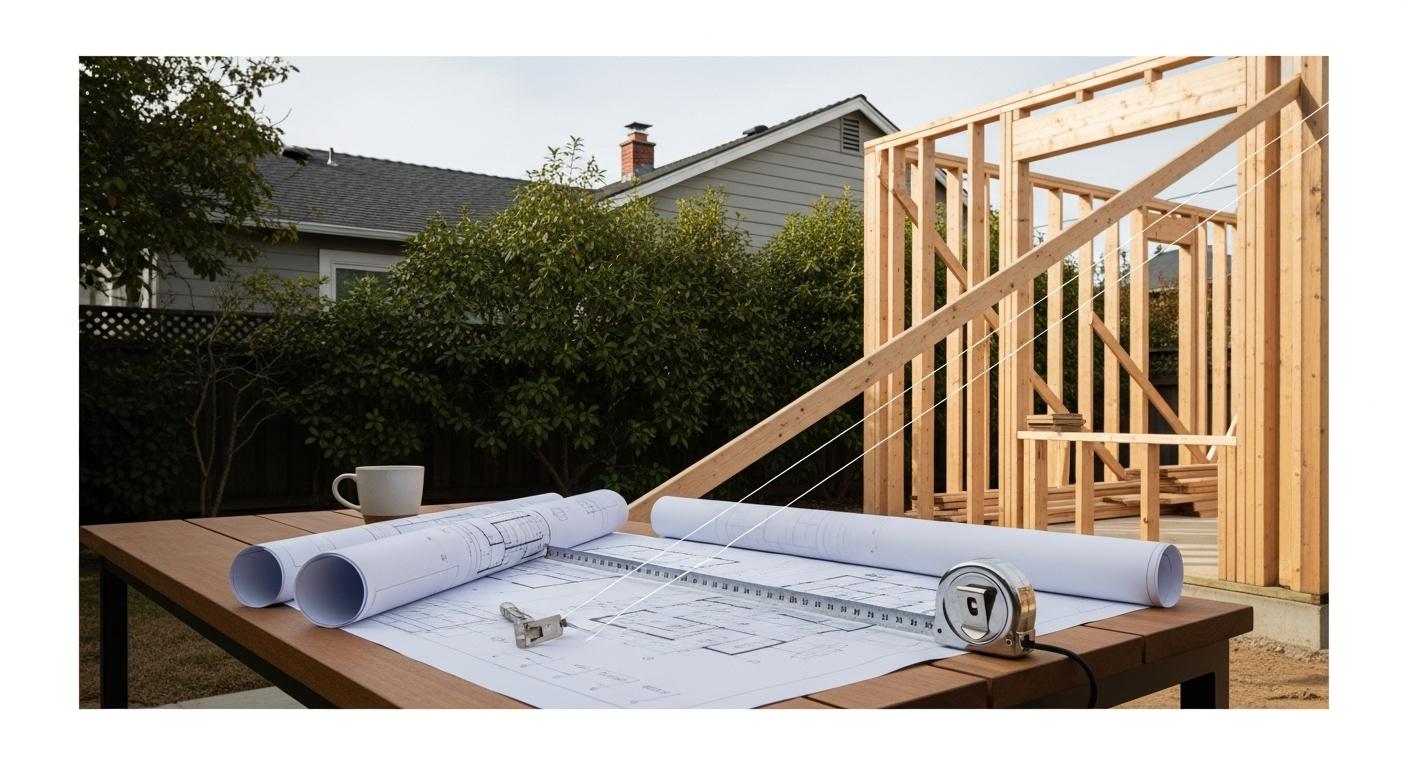
Exploring the Pros and Cons of Building an ADU in 2025
Accessory Dwelling Units (ADUs) are tiny powerhouses of potential that can transform the way we live and invest in property. These secondary housing units, either detached or attached to a main home, have been around for decades, offering innovative solutions for increased living space. As we fast forward to 2025, their increasing popularity is reshaping urban planning and housing markets worldwide, including Australia.
But why the sudden spotlight on ADUs? To answer that, consider the ticking clock and the ever-growing demand for housing. ADUs provide an essential lifeline, especially in urban areas where space is a premium. The Australian government has been adapting policies to encourage ADU development, making sure they’re a viable option for homeowners looking to make the most of their property.
Benefits of Building an ADU
Let’s dive into what makes ADUs a captivating choice. First up, there’s the promise of additional income through rental opportunities. With the right design and a strategic location, your humble ADU could become a robust source of passive income. Many homeowners are discovering that rental income from ADUs is a reliable way to supplement their finances.
But the benefits don’t stop at the bank. An ADU can significantly increase your property’s value and marketability. It’s like giving your home a versatile upgrade one that appeals to a vast array of potential buyers and tenants.
Benefits of Building an ADU
There’s also an undeniable charm in flexible living arrangements. ADUs offer a fantastic solution for multigenerational families wanting to stay close while maintaining their independence. Whether it’s a granny flat for an elderly parent or a garage conversion for a young adult, the possibilities are endless.
And consider the broader picture: ADUs contribute to addressing housing shortages. By optimizing existing spaces, they help ease demand without sprawling into green spaces and open lands.
Challenges and Downsides of Building an ADU
However, like any worthwhile venture, building an ADU isn’t without its challenges. The initial construction cost can be a significant barrier. Financing such a project might require creative solutions, like construction loans, and some serious number crunching.
Then there are zoning regulations and legal restrictions to consider. Local zoning laws can be notoriously tricky, varying from one area to the next. Navigating these regulations and getting the necessary permits often feels like solving a particularly stubborn puzzle.
Once the ADU is up and running, responsibilities don’t stop. Maintenance and management become part of the package, adding another layer to your homeowner duties. And don’t forget about potential neighborhood opposition. Not everyone is thrilled about change, and some might raise concerns about increased density or shifts in community dynamics.
Environmental and Sustainability Aspects
On a brighter note, ADUs often shine in their environmental and sustainability credentials. Modern ADUs are built with energy efficiency in mind, offering opportunities to minimize your carbon footprint while maximizing comfort.
By taking advantage of sustainable design practices, like using recycled materials or implementing solar power, you can reduce waste and make a positive impact on local resources. As a part of urban infill development, ADUs also help curb urban sprawl, preserving precious green spaces.
Economic Considerations in 2025
The economic landscape of 2025 presents both challenges and opportunities for ADU construction. Building costs and material availability are factors every potential ADU builder must grapple with. Yet, in high-demand areas, the market demand and potential rental yield can make the investment worthwhile.
Potential government incentives or subsidies could tip the scales in your favor. In many cases, the long-term financial benefits from rental income or increased property value can outweigh the upfront investment.
ADU Design and Architectural Trends in 2025
2025 is all about innovation and smart design. ADUs are no exception, with architectural trends focusing on stylish yet functional living spaces. Think space optimization techniques, multi-functional features, and the seamless integration of smart home technology.
Designing an ADU involves more than just sticking an extra unit in the backyard. Successful projects take into account aesthetic integration with existing structures, ensuring your ADU doesn’t stick out like a sore thumb but rather enhances the overall appeal of your property.
Legal and Regulatory Framework
Understanding the legal landscape is crucial for any ADU project. In Australia, the rules governing these units are continually evolving. Builders must stay informed about current laws, guidelines, and the steps required to obtain permits and approvals.
Legal issues can arise, but with careful planning and consultation with professionals, these can often be navigated smoothly. Looking ahead, future projections may bring about changes in regulations, potentially making ADU construction a more streamlined process.
Conclusion: Making an Informed Decision
The decision to build an ADU isn’t one to be taken lightly. Weigh the pros and cons carefully, considering your circumstances and goals. Thorough research and planning are your best allies in this journey.
Speak with professionals to tailor a strategy that’s right for your situation. Building an ADU can be an exciting venture with the right approach, offering both practical solutions and a rewarding sense of achievement.
