



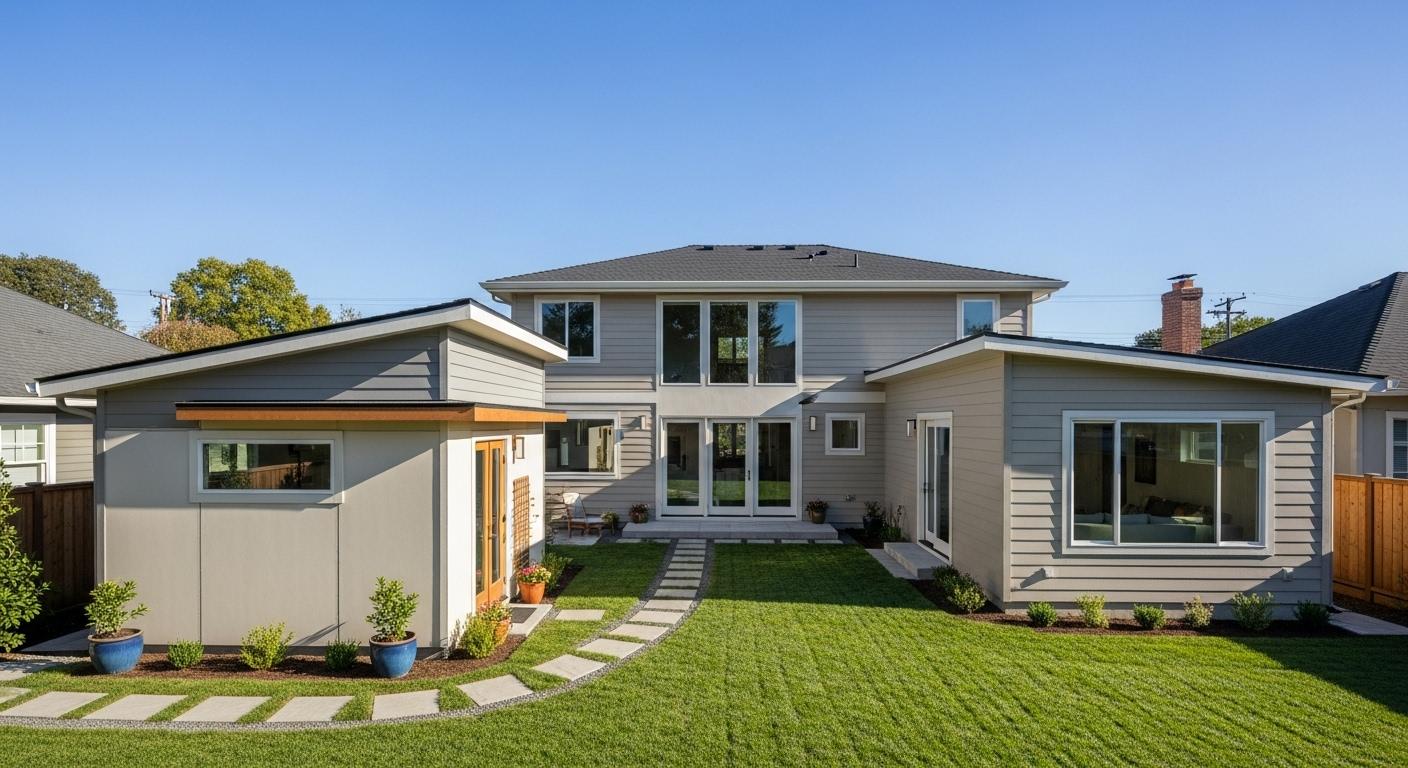
Understanding Accessory Dwelling Units: What Are ADUs?
Accessory Dwelling Units, or ADUs, have become something of a buzzword in the housing world. But what exactly does this term mean? In essence, an ADU is a secondary housing unit on the same lot as a primary residence. This could be a converted garage, a backyard cottage, or even a basement apartment. The concept of ADUs dates back to a time when extended family members often shared living space, ensuring close familial ties.
The popularity of ADUs is on the rise, particularly in areas grappling with housing shortages and affordability issues. They offer a flexible solution for property owners looking to expand their living space or generate rental income without the need to purchase additional land. It’s important to note, however, that regulations and zoning laws vary, especially in places like Australia, where national and local rules can dictate the feasibility of these units.
Types of ADUs: Detached Units
One of the most appealing types of ADUs is the detached unit. Picture a charming guest house nestled in the garden, separate from the main home, offering privacy and autonomy. Detached ADUs shine in their flexibility of design and functionality. Whether it’s a studio or a one-bedroom unit with a bathroom and kitchen, these spaces can be customized to meet diverse needs.
The advantages are plenty: a detached ADU can serve as a retreat for family members, a rental space for extra income, or even a cozy abode for friends visiting for extended periods. Yet, constructing a detached unit brings its own set of considerations. You’ll need to pay attention to building codes, size restrictions, and potentially, setback requirements to ensure legal compliance.
Types of ADUs: Attached Units
Attached ADUs provide a different solution altogether. These units are connected to the main house, using existing space more efficiently, typically with modifications or expansions to the existing structure. Think of a modified garage or an expanded basement. The key benefit here is cost efficiency; you’re working within the existing home’s footprint, which can significantly reduce construction costs.
Popular designs for attached ADUs often incorporate shared utilities and entrances, maximizing both space and resources. However, blending an ADU into the main home can present unique challenges, such as maintaining the privacy and independence crucial for some occupants. Noise management and shared access to the living space are just some of the aspects homeowners must carefully consider.
Understanding Junior Accessory Dwelling Units (JADUs)
You might have heard about Junior Accessory Dwelling Units, or JADUs, and wondered how they differ from the traditional ADUs. Essentially, JADUs are smaller in size, typically under 500 square feet, and are often carved out within the existing structure of the main dwelling. They share a bathroom with the primary residence but include a kitchenette for added independence.
JADUs hold a distinct advantage for homeowners seeking a low-cost way to create additional living quarters without sizable investments. However, the trade-off is the limitation in space and amenities. Implementing a JADU can be ideal for housing family members where close quarters aren’t an issue but might not suit those looking for an entirely separate living space.
Legal and Regulatory Considerations for ADUs in Australia
Building an ADU isn’t just about architectural design; it’s also about understanding the legal landscape. In Australia, the rules surrounding ADUs can be complex. Different regions may have varied zoning laws, building codes, and permit requirements. For instance, some areas might have restrictions on the size or the number of ADUs allowed per lot.
These regulations can impact everything from construction methods to the rental potential and overall property values. Prospective ADU developers should familiarize themselves with local planning departments and consider consulting professionals to navigate these waters smoothly.
Designing and Building an ADU: Practical Considerations
Building an ADU involves meticulous planning and design. Key factors include budgeting, selecting eco-friendly materials, and ensuring the chosen design complements the existing home. Financing options such as home equity loans or construction loans may be viable paths for funding your project.
It’s wise to invest time in choosing the right contractors and developing a realistic construction timeline. A detailed understanding of design elements can lead to a more efficient, sustainable, and aesthetically pleasing result.
Living in and Maintaining an ADU
Once your ADU is complete, turning it into a comfortable living space becomes the next exciting step. Thoughtful interior design and regular maintenance can ensure the unit remains attractive and functional, whether for personal use or rental purposes.
If renting, consider the practicalities of management, from setting competitive rental prices to maintaining the integrity and condition of the ADU. Insights from current homeowners who enjoy living in or renting out their ADUs can offer valuable guidance.
Key Points
- ADUs are versatile solutions for expanding living space without extensive new constructions.
- Detached ADUs offer privacy and design freedom, while attached units are cost-effective and efficient.
- Understanding local regulations is crucial to the successful development of an ADU.
- ADUs can positively impact property values and provide sustainable living options.
- Successful ADU projects balance budgeting, design, and construction with quality living experiences.
In most cases, the path to adding an ADU to your property is a rewarding journey that marries creativity with practical living solutions. From generating rental income to housing beloved family members, the potential benefits are as varied as they are substantial.
