



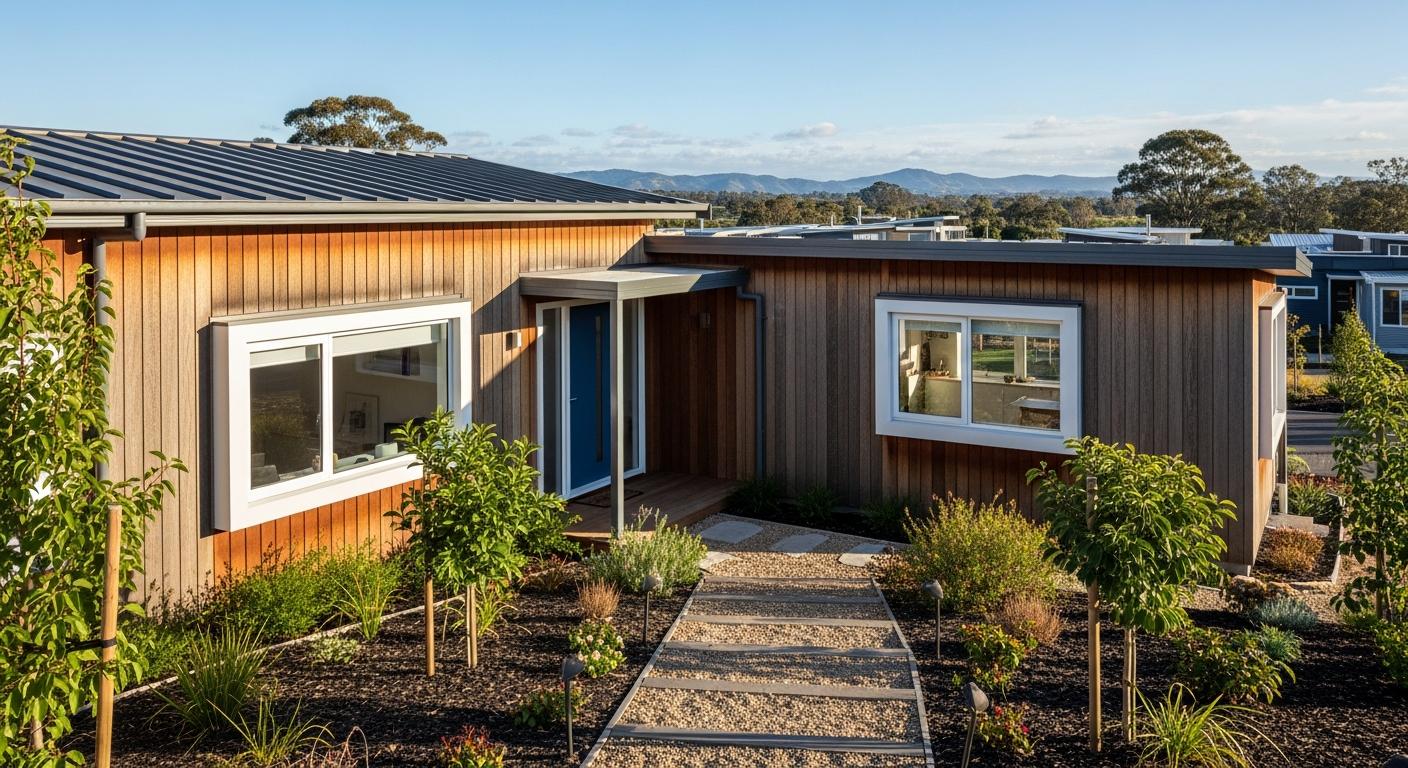
Living in a Prefab Home for 5+ Years: What Owners Wish They Knew
Five years ago, when the Martins moved into their sleek new prefab home just outside New York City, they couldn’t stop showing it off. Friends were fascinated by the idea of a modular home arriving in sections on trucks, assembled like an oversized set of building blocks. It felt futuristic almost like living inside a concept car. But now, after half a decade of real life (spilled coffee, toddler fingerprints, three winters, and one overenthusiastic dog), the novelty has given way to something more grounded: perspective.
That’s what this story is really about what long-term homeowners across the United States have learned from living in a prefab home for 5+ years. It’s less about glossy brochures and more about how these factory-built spaces hold up over time: the comfort, the quirks, and yes, the quiet satisfaction that comes when things actually work as promised.
The First Impression vs. The Five-Year Reality
During move-in week, most owners describe a “honeymoon phase.” There’s that feeling of defying convention choosing modular construction instead of stick built homes or traditional houses. Walls are straight; cabinets align perfectly; everything smells faintly like fresh plywood and possibility.
Then comes year three or four, when small realities start appearing. That perfect window seal might need resealing after a few freeze-thaw cycles in New Hampshire or New Jersey. The pristine siding may reveal how it weathers under Los Angeles sun versus New York humidity. But those tiny imperfections rarely sour owners on the experience instead, they humanize it.
For many homeowners, prefab no longer feels “alternative.” It’s just home a regular house that happens to be manufactured differently. One owner jokingly called their modular structure “a very well-behaved log cabin” because it stayed warm even during power outages. The perception shift is striking: from experimental prototype to trusted living space.
Climate, Comfort, and Energy Performance
Prefab builders love to talk about airtightness and with reason. In most cases, factory precision means fewer gaps and drafts than conventional framing allows. After five years, many owners confirm that insulation still performs well; energy bills remain below what neighbors in similar square foot stick-built homes pay.
But some details require tuning over time. Heat recovery ventilation systems may hum along beautifully or not so quietly if filters go unchanged. Passive solar strategies like deep roof overhangs or window placement can feel brilliant in winter but tricky during summer glare unless shading was carefully planned.
Still, if you ask ten prefab home owners whether they’d call their home energy-efficient after five years, nine will nod enthusiastically (and one will hedge only because their teenager keeps leaving lights on). The consensus? Comfort is steady and predictable more so than many expected from modulars or mobile homes built decades ago.
Maintenance Lessons: Factory Precision Meets Real-Life Wear
This is where fantasy meets reality not harshly but honestly. Prefab components are designed for tight tolerances; yet nature doesn’t always read the manual. Seams between panels expand and contract with temperature swings; caulking ages; exterior finishes meet local weather personalities head-on.
Owners often mention learning new vocabulary around year two: joint sealing, panel maintenance, vapor barrier checks. Nothing dramatic just small upkeep habits that keep factory-level performance intact over time.
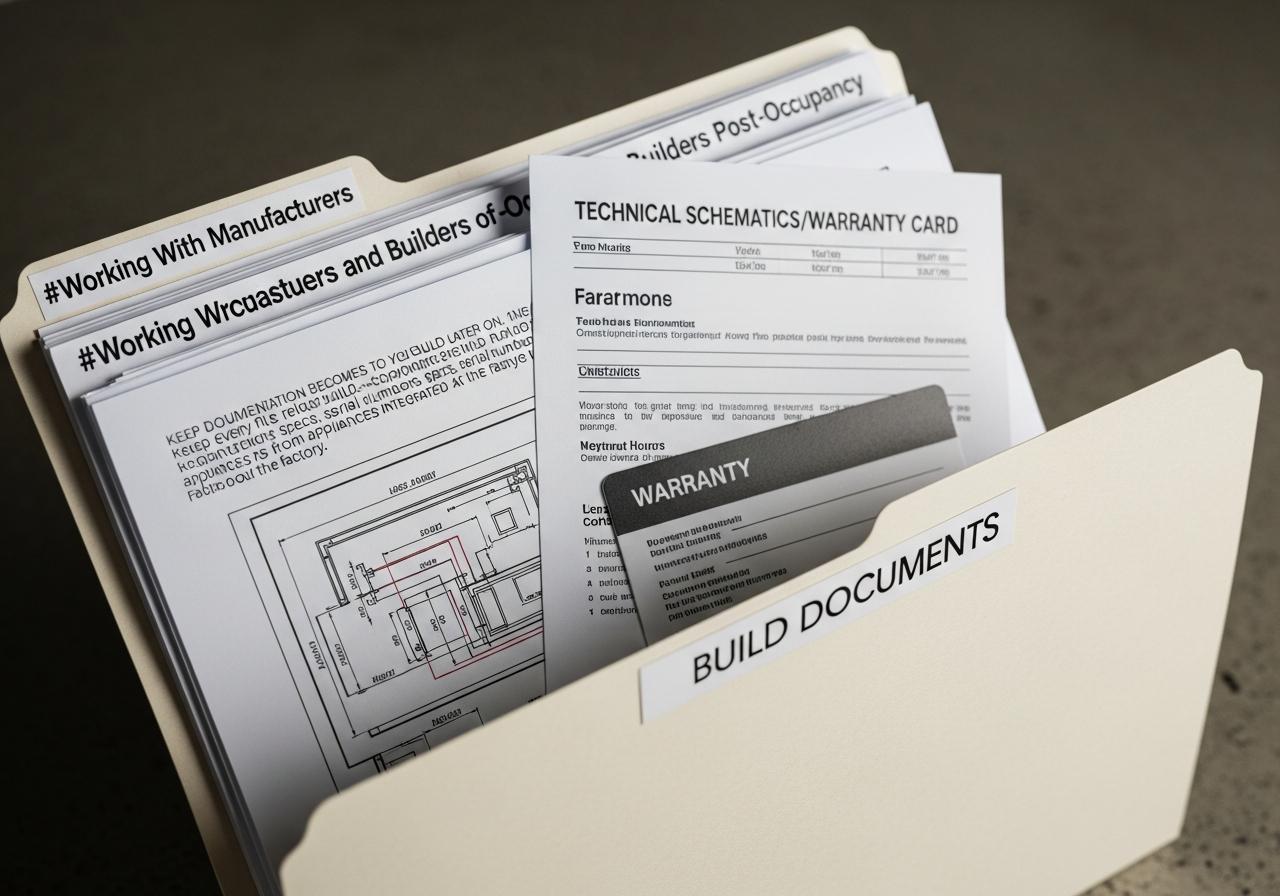
Sourcing replacement parts can be interesting too. Some manufacturers keep detailed inventories linked to your original floor plan and component specs (a blessing). Others… less so. Keeping digital copies of blueprints and material lists becomes invaluable when you’re tracking down matching siding panels or door hardware five years later.
Design Flexibility and Everyday Living
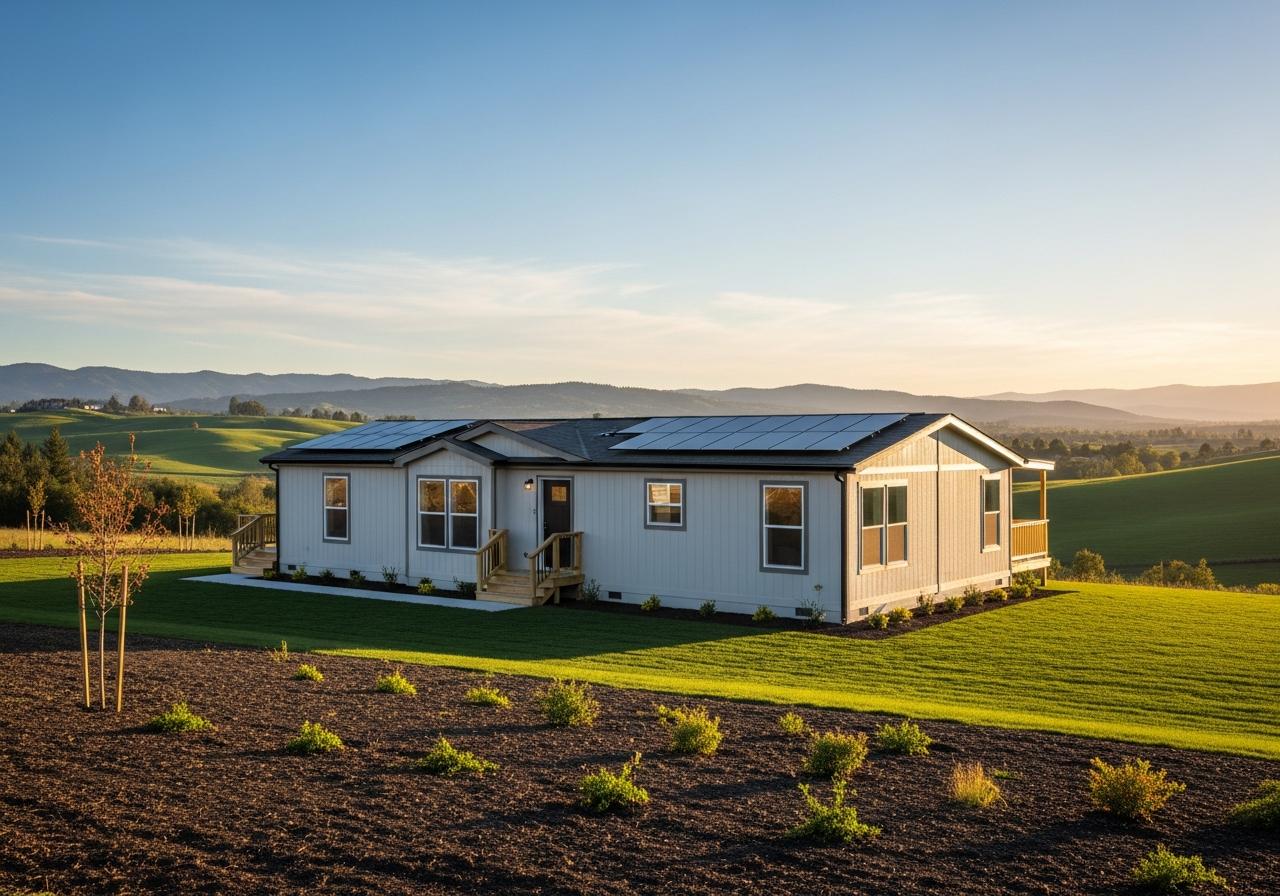
A major selling point for any manufactured home is adaptability but what happens when you actually try to adapt it? Families evolve; kids arrive or leave; hobbies multiply like potted plants under skylights.
Some modular homes flex elegantly panels unbolt; walls reposition with minimal fuss. Others resist change more stubbornly than an old trailer’s frame welded tight to its chassis. Owners who planned ahead with open space concepts fare better than those who assumed future retrofits would be simple.
The bright side? Creativity blossoms within constraints. One couple converted their unused module into a soundproof studio by layering acoustic panels without disturbing structural supports a low-cost triumph of DIY ingenuity that any property owner could appreciate.
Community Perception and Resale Value
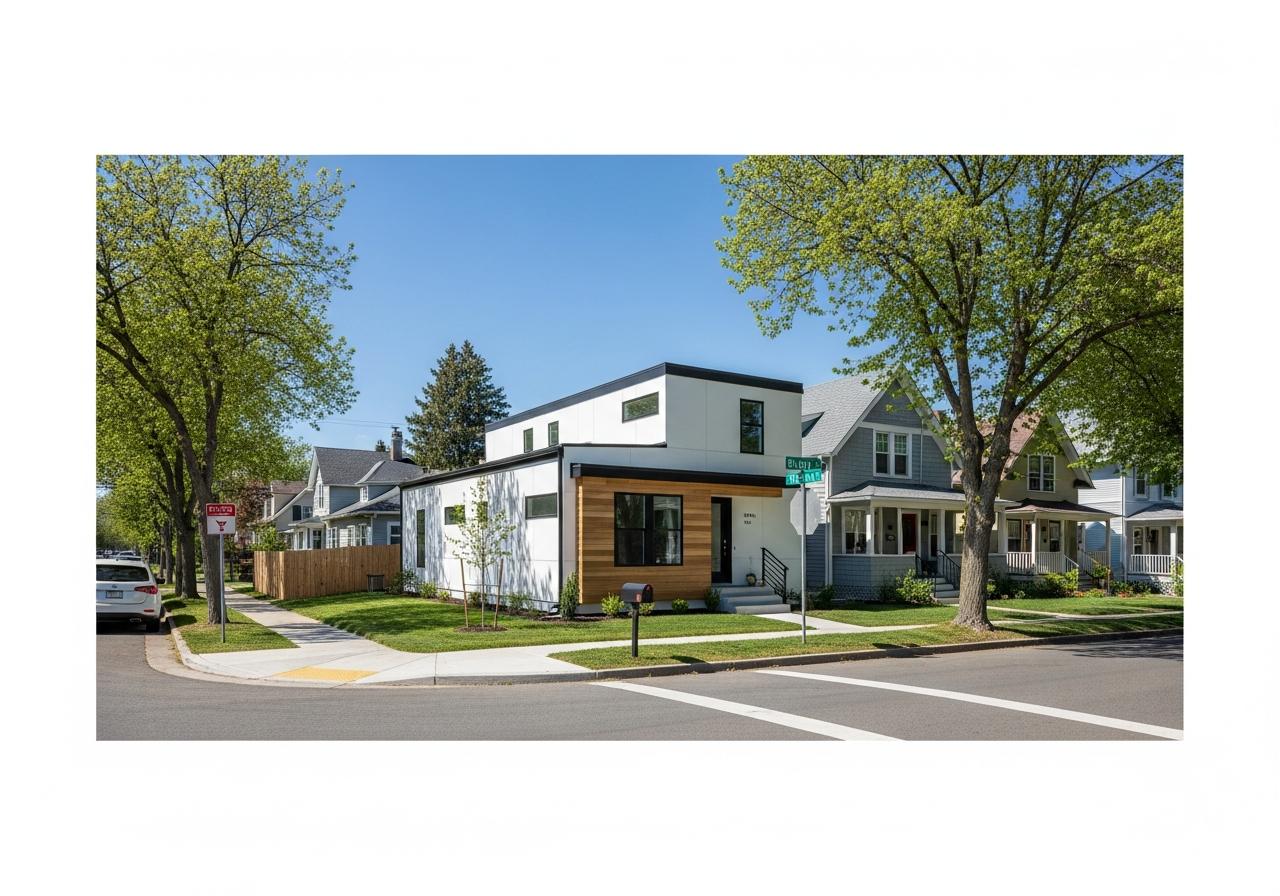
If you asked neighbors five years ago what they thought of prefab housing, you might have heard skepticism a sense that modulars were somehow less permanent or valuable than stick-built real estate counterparts. Fast-forward to today: attitudes have shifted dramatically across urban development zones in both Los Angeles suburbs and small towns in New Hampshire alike.
Banks now recognize high-quality modular homes more readily when processing a home loan or refinancing application especially if built on a permanent foundation meeting local building code standards. Appraisers still occasionally puzzle over how factory-built precision translates into resale value compared to traditional houses but evidence shows parity improving each year.
A homeowner from New York shared how potential buyers viewed her property: “They didn’t care it was prefabricated they cared it had good light and low taxes.” That sums up modern sentiment neatly; people want livability first labels second.
Sustainability Promises Tested Over Time
Sustainability sells but how does it age? Five-year reflections reveal encouraging patterns mixed with some nuance worth noting (and maybe celebrating).
The embodied carbon savings from efficient manufacturing remain valid since materials wastage stays lower than typical site-built projects across much of the manufactured housing industry in the United States. Yet operational performance the everyday energy use once humans move in matters equally if not more.
The good news: prefab envelopes tend to maintain efficiency remarkably well thanks to controlled assembly conditions using quality materials like dense insulation boards or sealed joints that last longer than field-applied versions found in older manufactured housing units or mobile homes constructed decades ago.
Working With Manufacturers and Builders Post‑Occupancy
You’ll often hear mixed reviews here and they’re telling rather than disappointing. Some companies stay engaged long after warranties expire offering advice on minor repairs or upgrades out of genuine pride; others vanish faster than your contractor’s voicemail greeting once final payment clears.
This is why documentation becomes gold later on: keep every file related to your build component specs, serial numbers from appliances integrated at the factory even those seemingly dull PDFs marked “required fields completed.” When something breaks six years later (and something will), these details help future technicians treat your prefab as personal property they fully understand rather than guesswork wrapped in drywall.
If there’s one takeaway repeated by long-term homeowners across forums from New Jersey to New York City it’s this: ask early questions during design stages about support networks beyond installation day. Responsiveness matters as much as craftsmanship itself once daily life begins testing every joint line and hinge screw under real-world strain.
Advice From Experienced Prefab Homeowners to Future Buyers
No list can substitute lived experience but patterns emerge consistently among seasoned owners eager to spare newcomers unnecessary frustration:
- Ask practical questions before signing off: How easy is part replacement? What exactly does warranty coverage include?
- Treat site prep seriously: A strong permanent foundation paired with correct drainage saves headaches regardless of whether your unit resembles a tiny house or full-scale modular construction project spanning multiple modules per floor plan configuration.
- Create buffers for hidden costs: Expect extra expenses for utilities hookups or unexpected local fees tied into building permit processes unique per municipality from Los Angeles zoning boards down through rural counties near New Hampshire lakeshores alike.
- Knit lifestyle habits into layout logic: If you cook daily choose kitchen ventilation suited for closed-panel thermodynamics common within tightly sealed manufactured housing shells it makes comfort management effortless later on!
The overarching message remains refreshingly optimistic though grounded firmly by reality checks accumulated through thousands collectively logged homeowner hours spent maintaining beauty inside boxy boundaries once dismissed unfairly by skeptics calling them “trailers.” Modern prefabs prove elegance endures practicality provided planning pairs passion properly upfront alliteration aside!
A Living Legacy Built Piece by Piece
If there’s something quietly profound about surviving five winters within walls trucked cross-country it lies less within novelty more within normalization itself: prefabrication has matured enough now becoming equal contender alongside conventional architecture dominating American neighborhoods coast-to-coast including places like New York City borough edges where land scarcity challenges affordability daily against rising expectations surrounding quality materials longevity alike across all financing options available today supporting accessible homeownership pathways previously limited strictly toward expensive custom stick builds before modular revolution reshaped perceptions permanently throughout entire real estate sector nationwide indeed globally too perhaps someday soon enough again softly spoken optimism deserves repeating here maybe twice even thrice because why not celebrate resilience proven repeatedly already right beneath our very feet literally quite actually truly now undeniably yes certainly so!
No wonder so many say after half decade later they wouldn’t trade their prefab life back for anything else except maybe an extra closet (storage forever elusive regardless structure type universal truth confirmed scientifically somewhere probably). For prospective buyers considering joining growing family prefabricated enthusiasts worldwide hopefully words above offer gentle guidance steering decisions wisely while keeping excitement alive simultaneously genuine heartfelt balanced precisely
