



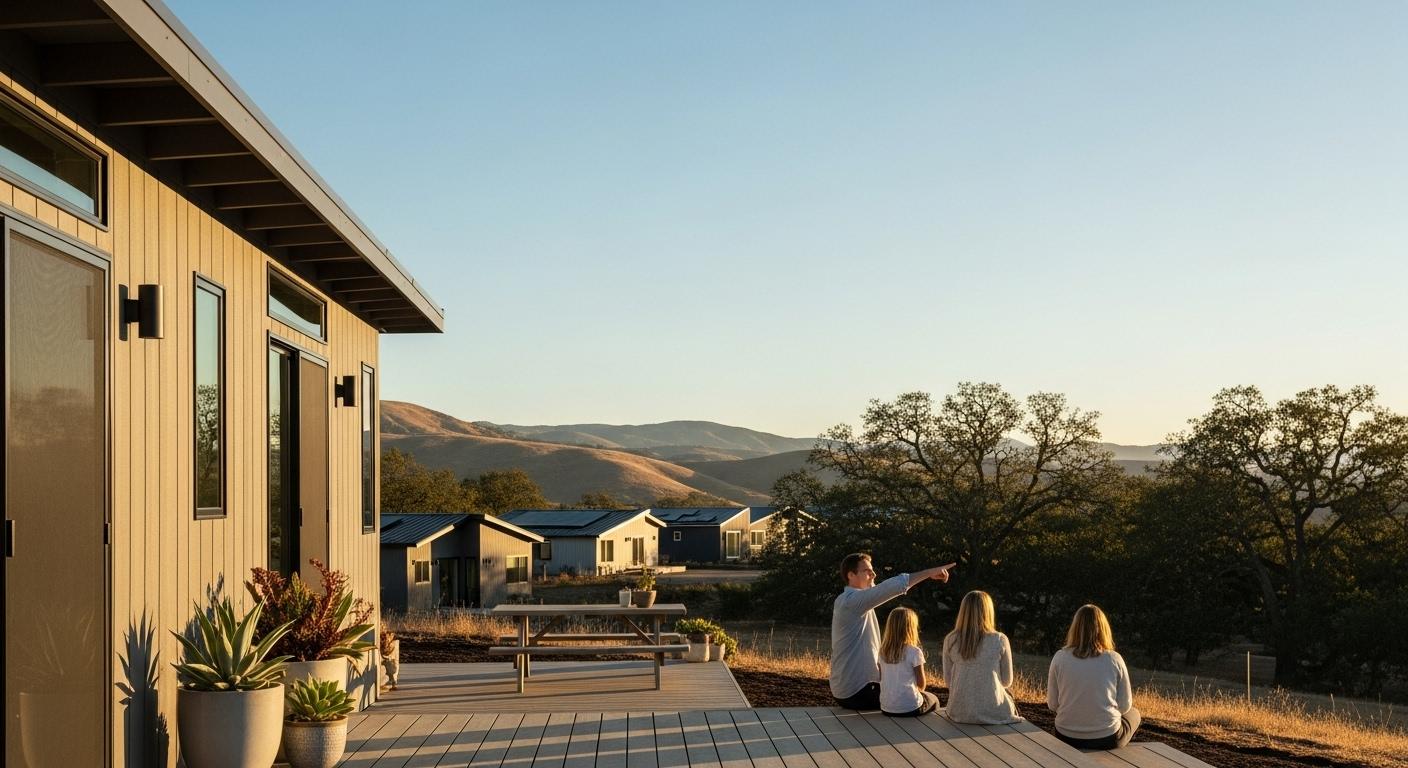
Introduction to Prefab Homes in California
Prefab homes short for prefabricated homes represent a revolution in the way we think about home construction. Essentially, these are homes constructed off-site in factories, then transported and assembled at the desired location. While the concept isn’t entirely new, California has witnessed a resurgence in their popularity, driven by a confluence of factors including housing shortages, a focus on sustainability, and advancements in efficient construction methodologies.
California, with its sunny climate and progressive spirit, is fertile ground for the rise of prefab homes. Families are increasingly drawn to the many benefits these homes offer. From cost savings and eco-friendliness to quick setup times, prefab homes present a practical solution to modern housing challenges. This article delves into the real stories of families living in prefab homes across California, examining their journeys and revealing insights into this innovative housing option.
Reasons Families Choose Prefab Homes
Why are families turning to prefab homes? The reasons are as varied as the families themselves. Firstly, there’s the matter of cost-effectiveness. With skyrocketing real estate prices, prefab homes offer an affordable alternative without sacrificing quality. Then there’s the eco-friendly aspect these homes are typically designed with sustainability in mind, using efficient materials and renewable energy options.
An often underestimated advantage is the speed of construction. Prefab homes can be built in a fraction of the time it takes for traditional homes, reducing the waiting period from dream to reality. Moreover, these homes come with customizable designs, allowing families to create spaces that truly fit their needs and lifestyles. It’s almost like choosing toppings for a pizza, but with greater stakes your home.
The Process of Building a Prefab Home
The journey to owning a prefab home begins with planning. Families must first choose the right prefab model one that aligns with their aesthetic preferences and functional needs. This stage often involves architects and construction experts to ensure everything fits together like a well-made puzzle.
In California, managing permits and zoning regulations is a crucial step, as these can vary significantly depending on the locale. Once all the paperwork is in order, the home is transported to the site and assembled like a game of large-scale LEGO. Despite the apparent complexity, this process is typically far more streamlined and less prone to unexpected delays compared to conventional construction.
Family 1: The Johnsons’ Journey to Homeownership
Meet the Johnsons, a family of four who found themselves overwhelmed by the housing market. Their search for a suitable family home led them to the world of prefab homes. Intrigued by the affordability and speed of construction, they took the leap.
The decision-making process was thorough. They visited various model homes, weighed their options, and finally settled on a design that felt just right. The construction and adjustment phases, while not without hiccups, were mostly smooth. Reflecting on their move, the Johnsons are unanimous in their satisfaction a testament to the viability of prefab homes in fulfilling family dreams.
Family 2: The Garcia’s Eco-Living Experience
For the Garcias, environmental sustainability was not just a preference but a priority. They embarked on their prefab journey with a commitment to green living. Every material choice, from recycled steel to solar panels, was aimed at minimizing their ecological footprint.
The Garcias faced challenges typical of pioneering paths, such as sourcing specific materials and aligning their vision with available options. Yet, their perseverance paid off. Today, they enjoy lower utility bills and the satisfaction of living in a home that aligns with their values.
Family 3: The Nguyen’s Story of Customization
The Nguyen family had specific housing requirements that made conventional options less appealing. Prefabricated homes, with their customizable nature, offered a solution. They worked closely with designers to incorporate unique features that blended aesthetics with functionality.
The Nguyen’s home stands as a testament to what’s possible when creativity meets technology. Their experience underscores the adaptability of prefab homes to meet personal preferences, proving that these homes can be as unique as the families they house.
Challenges and Considerations for Prefab Homeowners
While the benefits are plenty, prefab homeowners often face challenges, such as navigating site-specific regulations or managing the logistics of transportation and assembly. Location and design are critical choices that must align with local codes and family needs.
Financing options for prefab homes can also be a hurdle; however, with careful budgeting and working with reputable prefab companies, these challenges can be mitigated. It’s essential to approach the process with the right team and realistic expectations.
Conclusion: Reflections on Prefab Living
From the Johnsons to the Garcias and Nguyens, each family’s story offers unique insights into the prefab home experience. These homes represent a shift towards more sustainable, cost-effective, and personalized housing solutions. As California continues to embrace these innovative structures, the future looks bright for families considering this option.
For those pondering the leap into prefab living, take heart the journey, while requiring thoughtful planning and decision-making, can lead to a rewarding and fulfilling home experience. So, are you ready to consider prefab as your next family home?
