



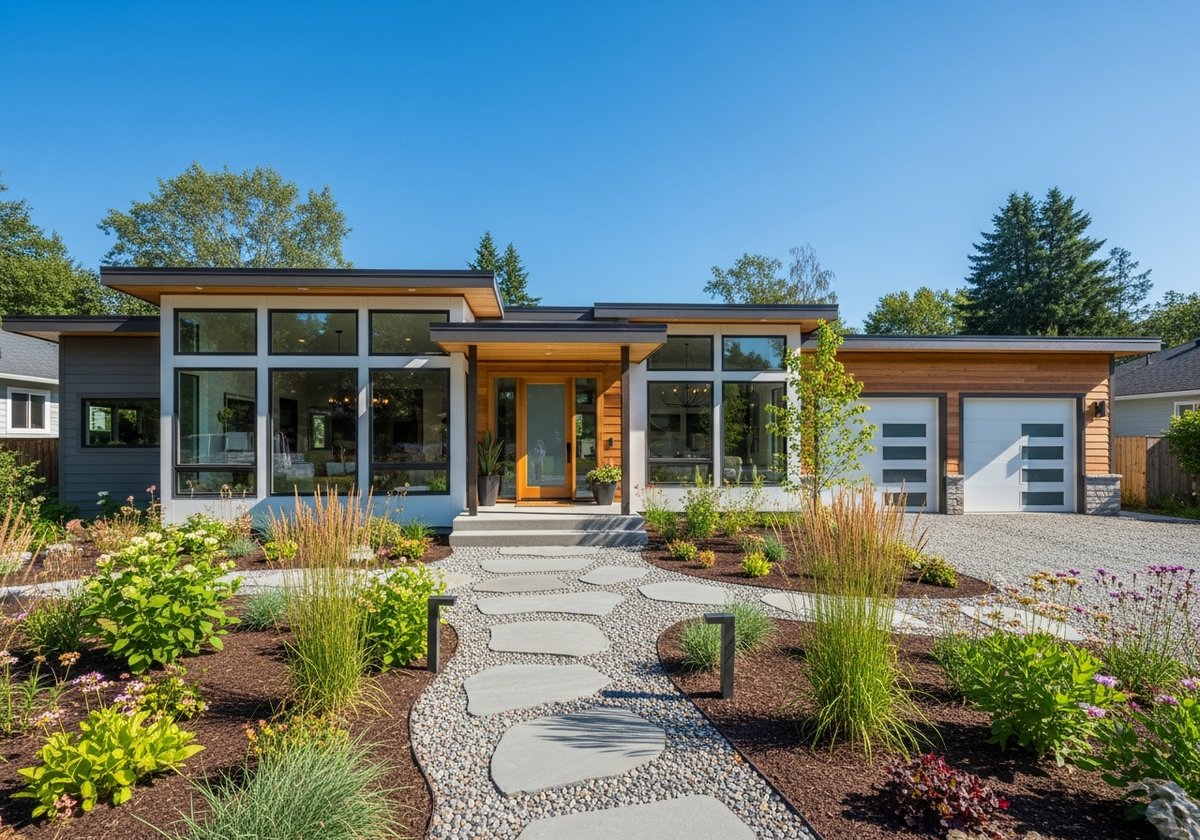
There is a moment every prefab homeowner eventually faces: the decision to sell. Maybe the family has grown, or the city has called, or life has simply moved in a new direction. Whatever the reason, that moment arrives with a specific anxiety that traditional homeowners rarely feel quite as acutely. Will buyers understand what they are looking at? Will lenders cooperate? Will the years of thoughtful living in a beautifully engineered home actually translate into a fair price on the market?
The good news is that selling a prefab home has become considerably less complicated than it was even a decade ago. Buyer awareness is growing, financing options have expanded, and modern prefab construction has shed much of the stigma it once carried. But there are still real concerns that serious buyers raise, and smart sellers need to understand them. Here is what actually matters when you are selling a prefab home, and how to position yours for the strongest possible outcome.
The first thing buyers want to know: what kind of prefab is it?
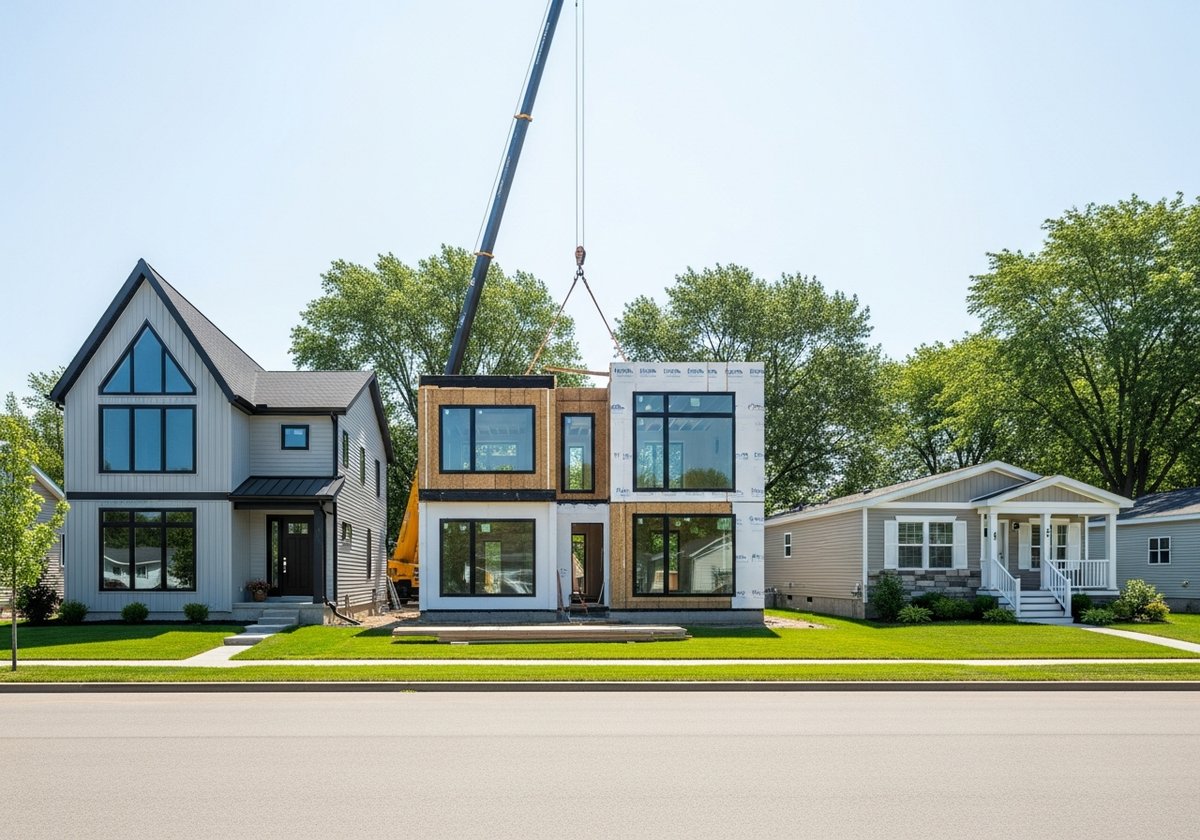
Not all prefab homes are the same, and buyers who have done any research already know this. The prefab category includes modular homes built to the same local building codes as site-built houses, panelized homes assembled from factory-made wall panels, and manufactured homes built to federal HUD standards. Each type carries different financing rules, different resale characteristics, and different buyer perceptions.
Modular homes generally perform best on the resale market because they are permanently affixed to a foundation and titled as real property. Manufactured homes on leased land can be harder to finance and tend to depreciate more like vehicles than houses. If you are selling a modular or panelized home on a permanent foundation, lead with that fact clearly. It matters enormously to how buyers and their lenders will approach the transaction.
Be prepared to provide documentation. A buyer’s lender will want to see the original permits, the foundation type, and evidence that the home meets local building codes. Understanding the risks and logistics involved in prefab transport and installation can also help you anticipate and answer the due diligence questions buyers will bring to the table.
Financing is often the hidden obstacle

Here is something many sellers do not realize until they are deep in escrow: a motivated buyer can lose their financing simply because their lender is unfamiliar with prefab construction. This is one of the most common ways prefab home sales fall apart, and it is largely avoidable with the right preparation.
Conventional mortgages are available for modular homes on permanent foundations, and FHA, VA, and USDA loans can all apply under the right circumstances. But not every loan officer has experience closing these deals. Sellers who can point buyers toward lenders with a proven prefab track record are providing genuine value, not just being helpful.
For buyers still exploring their options, resources like this detailed guide to prefab home mortgages can demystify the process and reduce the chance of a deal collapsing due to lender confusion. The more informed your buyer is going into financing, the smoother your closing will be.
Condition and age: what buyers are actually inspecting
Prefab homes built with quality materials and maintained properly age remarkably well. But buyers will still scrutinize specific elements that have historically been points of concern in manufactured and modular housing, including roofing systems, exterior cladding, window seals, and the foundation itself.
Foundation issues deserve particular attention. A poorly executed foundation is not just a structural problem; it can be a dealbreaker for lenders and inspectors alike. If your home has any history of foundation work, have documentation ready showing what was done, when, and by whom. Buyers who understand that foundation errors can cost prefab owners thousands of dollars will be reassured by a seller who has taken this seriously.
Be honest about the home’s age and the materials used. Modern buyers want to know how specific materials hold up over time. Fiber cement siding, engineered wood, and quality roofing systems all perform well over a decade or more of normal use. If your home was built with durable materials and you have records to prove it, that transparency builds trust and supports your asking price.
Design and features that move the needle for modern buyers
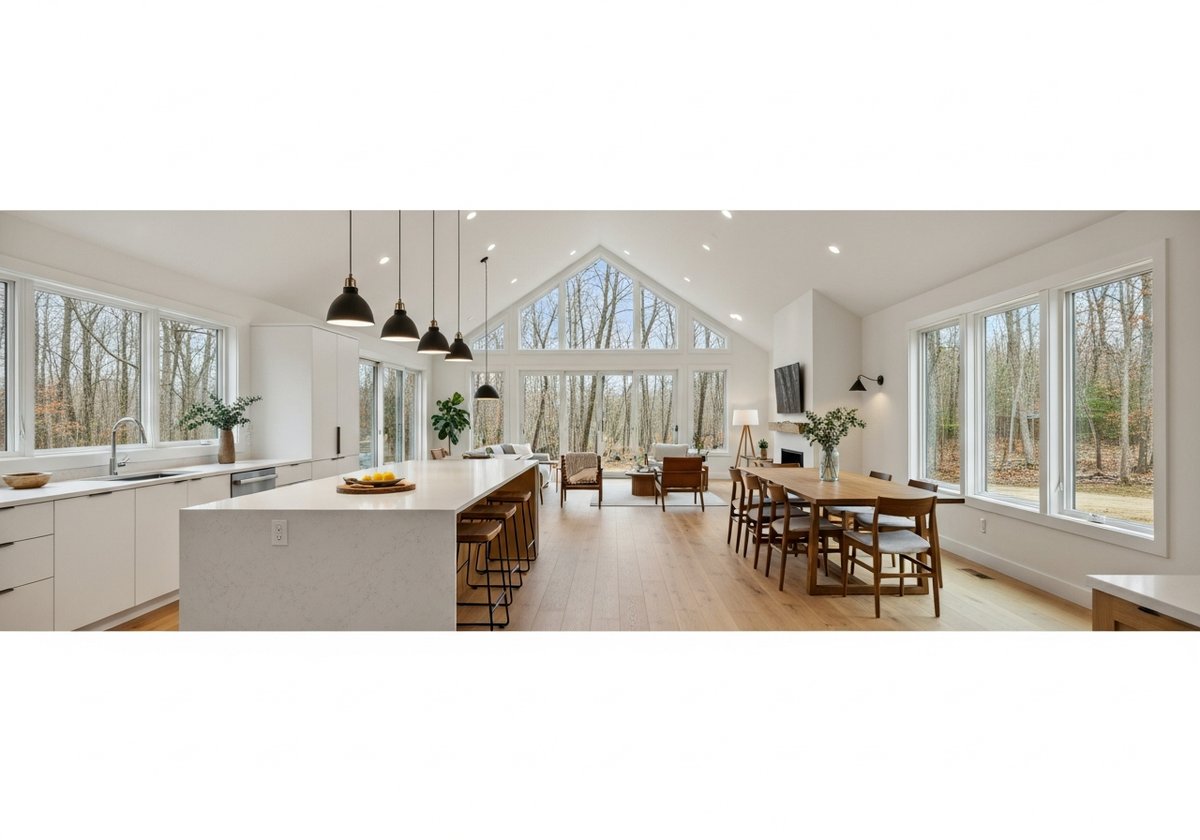
The prefab homes that attract the most buyer interest today are those that look and feel like thoughtfully designed modern homes. Open floor plans, high ceilings, large windows, and clean architectural lines are no longer rarities in prefab construction – they are expected by buyers who have been browsing inspiration galleries and following design trends.
If your home reflects current design sensibilities, highlight that prominently. If it does not, consider whether targeted cosmetic updates – new fixtures, fresh paint, or updated hardware – could close the perception gap without a major renovation budget. The goal is to help buyers see the home’s full potential clearly.
Energy efficiency features also matter more than ever. Buyers today are acutely aware of utility costs and carbon footprints. Spray foam insulation, high-performance windows, solar panels, and smart thermostats all contribute to a home’s appeal and can justify a higher price. These reflect genuine value that buyers will feel every month in lower energy bills.
What buyers fear most – and how to address it
There are a handful of concerns that come up repeatedly when people consider purchasing a prefab home. These are not irrational fears; they come from real experiences people or their families have had, often with lower-quality manufactured housing from earlier generations.
The most common concerns include whether the home will qualify for standard financing, whether it will appreciate in value like a site-built home, whether modifications are possible, and whether insurance will be straightforward to obtain. Each of these has a good answer, but you need to be ready to provide it.
On the renovation question, buyers who plan to personalize a home want to know what they can change. Modular homes can generally be modified much like traditional homes, which helps buyers feel confident they are not buying something frozen in its original configuration forever. On insurance, coverage for prefab homes is more accessible than many buyers assume, but there are genuine nuances. Being upfront about your own coverage experience and encouraging buyers to research their options reduces anxiety rather than amplifying it.
Pricing your prefab home accurately
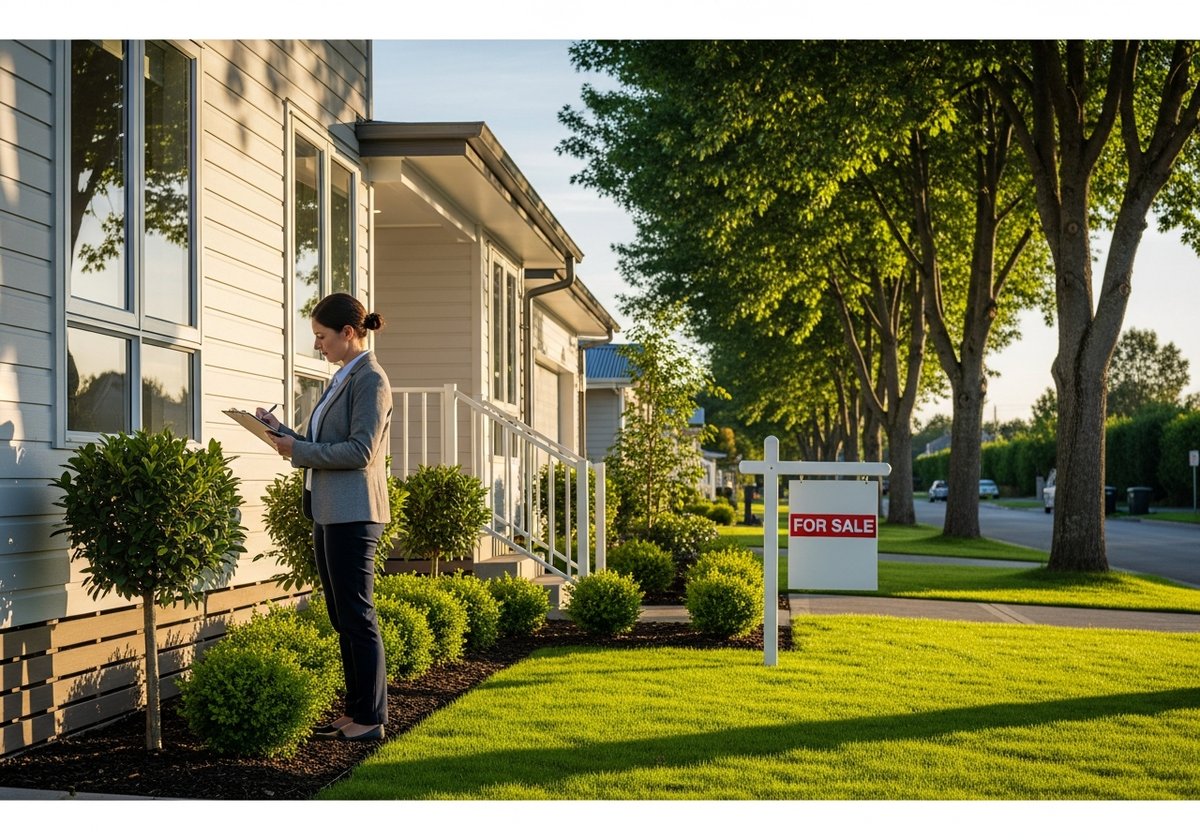
Prefab home resale values have improved substantially as the quality of modern construction has become more widely understood. In many markets, modular homes on permanent foundations sell at prices comparable to similar site-built homes. But getting the pricing right requires working with an appraiser and real estate agent who actually understand prefab construction.
An agent who defaults to comparing your modular home against manufactured housing comps will almost certainly underprice it. Do your research before selecting your listing team, and do not hesitate to advocate for comps that genuinely reflect the quality and type of construction your home represents. If your home is in a state with a strong prefab market, the pool of informed buyers is larger than you might expect – particularly among buyers who prioritize sustainability alongside quality.
Frequently asked questions about selling a prefab home
Does a prefab home affect resale value compared to a traditional home?
It depends on the type of prefab construction. Modular homes on permanent foundations typically appraise and sell similarly to site-built homes in the same market. Manufactured homes on leased land or without permanent foundations tend to depreciate more quickly. The key factors are foundation type, construction quality, title status, and local market familiarity with prefab housing.
What documents should I gather before listing my prefab home?
- Original building permits and manufacturer documentation
- Foundation type and any inspection or engineering reports
- HUD certification label (for manufactured homes) or local code compliance records (for modular homes)
- Records of any renovations, repairs, or system upgrades
- Energy efficiency certifications or utility bills showing performance
- Current homeowner’s insurance policy details
Will buyers be able to get a conventional mortgage on my prefab home?
Modular homes on permanent foundations are generally eligible for conventional, FHA, VA, and USDA loans, provided they meet standard appraisal requirements. The main obstacle is often lender inexperience rather than actual ineligibility. Pointing buyers toward lenders with a prefab track record significantly improves the chances of a smooth transaction.
How do I find a real estate agent experienced with prefab homes?
Ask directly about their experience with modular or manufactured home transactions. Look for agents who can cite recent comparable sales in your home type and price range. A knowledgeable agent will understand the appraisal challenges and know how to position your listing accurately.
Can buyers renovate or modify a prefab home after purchase?
In most cases, yes – modular homes especially can be renovated much like traditional homes, subject to local building codes and permit requirements. The extent of what is possible depends on the home’s structural design and whether modifications affect load-bearing elements.
What design features are most attractive to prefab buyers today?
- Open-plan living spaces with clean architectural lines
- Energy-efficient insulation, windows, and HVAC systems
- Solar panels or solar-ready electrical systems
- Modern kitchen and bathroom finishes
- Smart home technology integration
- Durable exterior materials with low maintenance requirements
How important is curb appeal when selling a prefab home?
Extremely important. First impressions shape how buyers value everything else they see inside. A well-maintained exterior, thoughtful landscaping, and a clean entryway signal pride of ownership and help buyers overcome any lingering skepticism about prefab construction quality.
Sources
- Urban Land Institute – Housing and Community Development Research
- U.S. Department of Housing and Urban Development – Manufactured Housing Standards
- National Association of Realtors – Modular and Manufactured Housing Data
- Freddie Mac – Single-Family Seller/Servicer Guide, Manufactured and Modular Housing
- U.S. Census Bureau – Characteristics of New Housing Survey
