



Setting the Stage: Why Installation Matters as Much as Design
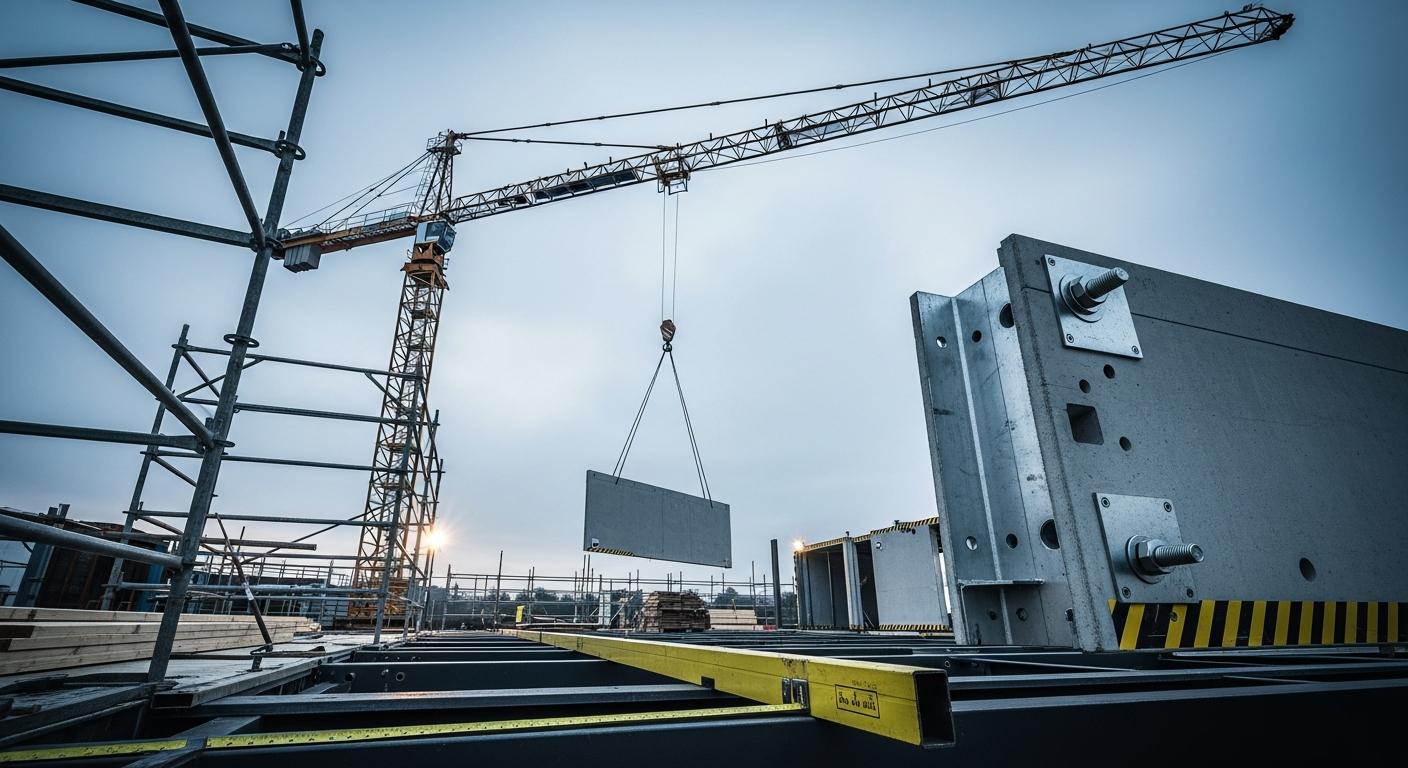
There’s a quiet moment on any prefab construction site that feels like magic the crane lifting a gleaming module, the first section of a modular home easing into place. The precision looks effortless, almost choreographed. But talk to any seasoned contractor in the United States, and they’ll tell you those few minutes can determine whether the next several months go smoothly or descend into costly delays.
Prefab construction whether it’s a modular building, a steel building, or even a metal garage promises speed and predictable quality. Yet, what often goes wrong during prefab installation has less to do with factory craftsmanship and more to do with what happens (or doesn’t happen) on-site. A common mistake is assuming once those modules arrive, the hard work is over. In reality, this is where precision meets unpredictability.
Think of it this way: if design controls 90% of potential success, installation determines how much of that potential becomes reality. That final 10% of effort the careful alignment, the connection checks, the safety protocols is what protects your investment from water damage, condensation issues, or structural integrity problems later on.
Site Preparation: The Groundwork for Success (or Failure)
Every prefab house begins long before delivery day with dirt. Site preparation may sound mundane compared to sleek renderings and factory machinery, but uneven foundations and inaccurate surveying are among the most common mistakes in prefab installation. Even a few millimeters off can cause gaps between modules or prevent panels from sealing correctly.
Local contractors sometimes underestimate how unforgiving prefabricated components can be compared to traditional construction tolerances. Add poor drainage or unstable soil conditions and suddenly you’re facing moisture problems that no amount of drywall patching will solve later.
The best projects start coordination early between factory engineers and local builders. Digital terrain modeling helps identify slope issues before manufacturing even begins a simple step that can prevent re-leveling headaches later. Careful planning here means fewer surprises when trucks carrying modular homes or metal buildings arrive at your service area ready for assembly.
Weather, Timing, and Logistics: When Nature Meets Precision Engineering
Prefab modules are born in perfect indoor climates dry air, steady temperature, zero wind. Then they meet reality: rainstorms, freezing mornings, gusts strong enough to halt crane operations mid-lift. Weather isn’t just inconvenient; it’s one of the biggest sources of schedule disruptions during installation.
Cold weather can make sealants brittle; high humidity invites condensation inside insulation cavities; sudden downpours threaten electrical conduit openings waiting for connection. These aren’t hypotheticals they happen every season across modular projects nationwide.
That’s why just-in-time delivery is so critical in modular construction logistics. Modules shouldn’t sit uncovered on-site for days waiting for crews delayed by permits or unexpected frost. Smart builders create contingency plans extra tarps on hand, flexible scheduling and treat weather delays as part of responsible safety protocol rather than bad luck.
Structural Alignment & Connection Errors: Millimeters Matter
The crisp lines you see in modern prefab homes rely on an invisible truth: millimeters matter more than you think. Misalign one corner during placement and you might end up with squeaking floors or drafty joints months later. Beyond comfort issues lie bigger risks compromised thermal performance or air leaks that quietly reduce energy efficiency over time.
Particularly where factory-made components meet site-built elements like stair cores or concrete slabs in traditional builds, tolerances often differ slightly. This mismatch leads to frustrations on both sides the precision-minded installer versus the “close enough” field crew.
Digital layout tools such as total station surveying help ensure exact positioning down to fractions of an inch. Before any lifting begins, smart teams cross-check dimensions against BIM models rather than relying solely on printed drawings taped to clipboards fluttering in the wind.
MEP Integration Challenges: When Plumbing Meets Prefab Precision
One would assume mechanical, electrical, and plumbing (the MEP trio) fit perfectly into modular buildings every time they were designed together after all! But reality loves irony. Pipe sleeves misalign with wall openings; conduit pathways clash with framing; ventilation ducts don’t quite meet their ceiling mates.
These are some of the most frustrating potential issues because they ripple through every trade afterward drywall installers cut holes where they shouldn’t have been needed; electricians reroute wiring through awkward bends; plumbers spend hours fixing what should’ve been plug-and-play connections.
The solution lies in coordination meetings before manufacturing starts and again just before shipment to confirm all utility connections match actual site conditions. Inspections should occur not only pre-delivery but also right after assembly since vibration during transport can subtly shift fittings out of place.
Communication Gaps Between Factory & Field Teams
Every modular project brings together two distinct worlds: one thrives on production schedules measured by seconds per unit; the other works around changing weather forecasts and building permit inspections that never seem fast enough. It’s no surprise these cultures occasionally clash or simply misunderstand each other entirely.
When documentation standards differ between teams or when someone forgets which version of plans was final it leads directly to missing parts or misplaced fasteners come installation day. One small oversight might result in idle cranes burning thousands per hour.
That’s why many successful prefab construction firms now appoint a single project manager fluent in both dialects factory logic and field pragmatism to translate expectations each way.
Cloud-based checklists updated daily (with live photo logs) keep everyone accountable,
bridging distances whether a module travels ten miles across town or two states away.
This shared information flow reduces confusion faster than any email chain could.
Quality Assurance & Testing After Assembly: Don’t Skip the Final Checks
Once walls align flush and bolts tighten down,
it’s tempting to declare victory but prefab homes still demand rigorous testing before keys change hands.
Pressure-test plumbing lines for leaks;
run infrared scans along exterior seams;
perform blower-door tests checking airtightness levels promised during design.
Skipping these steps invites silent failures:
hidden moisture behind metal building insulation,
air gaps compromising proper ventilation,
or minor leaks escalating into costly repairs later.
The best teams treat post-installation testing not as bureaucracy
but as proof their craftsmanship delivers measurable performance benefits:
better energy efficiency,
longer material lifespan,
and verified compliance with local building codes
and even international building code standards where required.
Documenting these results builds trust and provides invaluable feedback loops
between manufacturers and contractors improving their next installation process.
Lessons Learned & Preventive Principles for Next Time
- Create integrated timelines: Align design development with fabrication sequencing,
logistics schedules,
and site preparation milestones right from day one. - Treat installers as specialists: Train them specifically on prefab techniques rather than assuming experience with site built homes automatically translates.
- Embed prevention into culture: The projects that truly succeed view prevention not as another checklist item but an attitude a culture of precision stretching from first sketch to final inspection.
- Respect safety protocols: Prefab doesn’t exempt anyone from standard practices around lifting operations,
utility tie-ins,
or working near energized systems.
Safety remains non-negotiable regardless of prefabrication speed promises. - Acknowledge environment realities: Moisture control methods like managing condensation inside steel buildings or ensuring insulation continuity around wet areas save enormous rework costs later.
- Pursue continuous documentation: Use real-time updates accessible via cloud platforms so every stakeholder from engineers verifying structural integrity to subcontractors handling utility connections shares identical information simultaneously.
- Cherish learning moments: Treat each challenge encountered not aligned bolt holes,
delayed cranes as valuable data guiding improved future procedures.
