



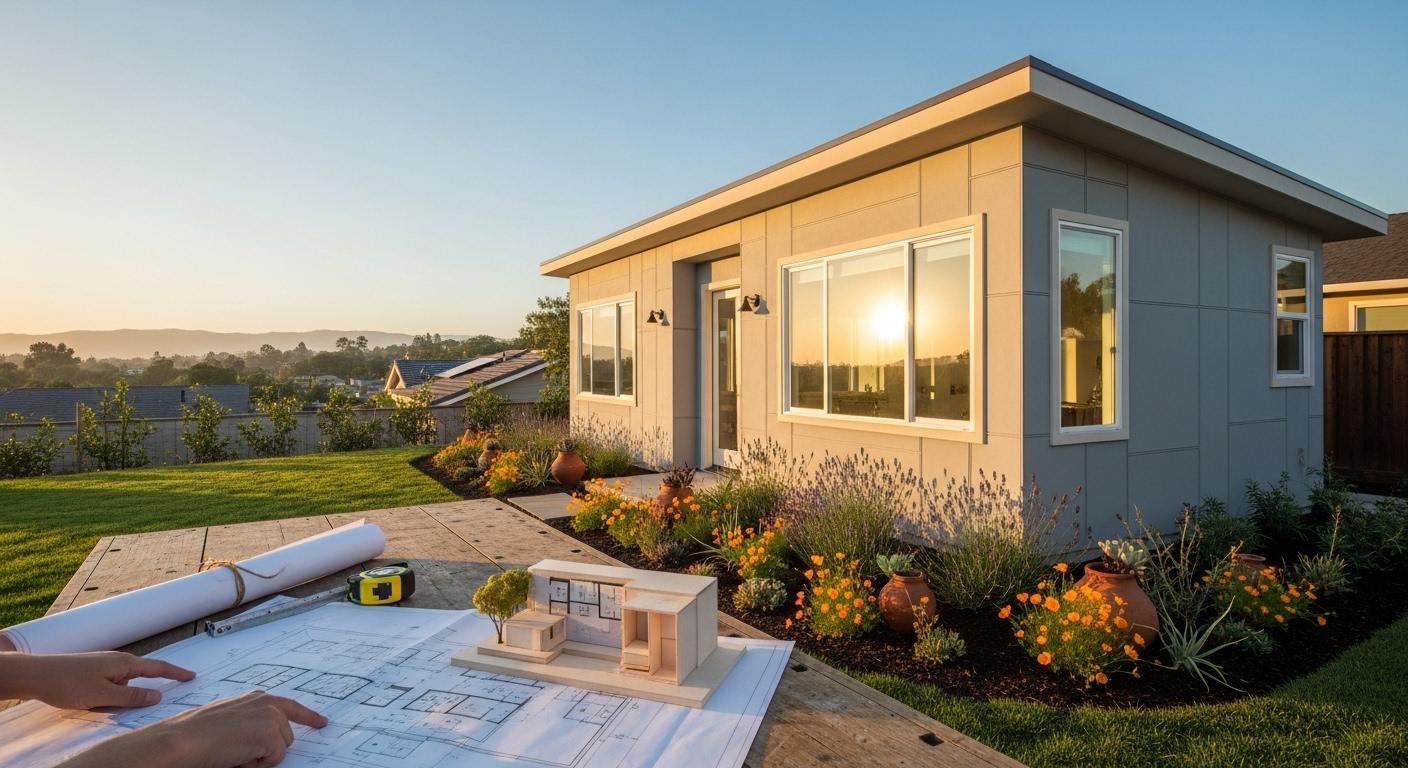
Introduction to ADUs (Accessory Dwelling Units)
Accessory Dwelling Units, or ADUs, have been quietly revolutionizing the backyard landscapes of California. These small but mighty homes, often tucked behind primary residences, are gaining popularity for their potential to alleviate the state’s persistent housing shortages. Following legislative changes in California law, the once formidable hurdles to building ADUs have been significantly lowered, making it easier for homeowners to add these units to their property. The demand isn’t just about adding living area; it’s a strategic response to the growing need for affordable housing and supplemental income. How do these compact spaces transform lives and neighborhoods? Let’s meet one family from Los Angeles who decided to embark on this journey.
The Inspiration Behind the Project
The Johnsons, a family residing in the bustling hub of West LA, had always toyed with the idea of making better use of their spacious backyard. The initial motivation for building an ADU stemmed from a very relatable place: boosting their household income. With their children heading off to college and tuition bills piling up, the allure of rental income became a driving factor. But it wasn’t just about money. The Johnsons saw their ADU as a way to contribute to the much-needed affordable housing market in their city. They imagined a cozy rental unit that could offer privacy and utility to renters while bringing additional value to their property.
Planning and Permitting Process
Building an ADU isn’t as simple as laying down a foundation and calling it a day. The planning process demanded careful attention to detail, particularly with the intricate tapestry of zoning and building regulations in Los Angeles. The Johnsons found themselves navigating a maze of permits, approvals, and local rules each step requiring patience and perseverance. Sure, it was a daunting task, but by reaching out directly to city officials and attending community meetings, they gradually pieced together a realistic plan. Although there were challenges like unexpected changes in zoning laws their persistence paid off in time.
Design and Construction
With permits in hand, the next step was choosing a design that complemented their main house while serving as a functional rental unit. The Johnsons opted for a minimalist style that matched their existing home, employing a sleek, modern look with an emphasis on open space. Selecting the right contractor was crucial, and after a few interviews, they partnered with a local firm known for its efficiency and attention to detail. The construction phase wasn’t without its hurdles, such as managing utility placements and dealing with occasional supply delays, but each challenge was met with creative solutions and collaboration among the contractors.
Financial Aspects and Budgeting
How do you keep a construction project from breaking the bank? The Johnsons began with a thorough budget and sensible financial strategies. Initial cost estimates hovered around $150,000, but unexpected expenses were inevitable. Financing the build required a mix of a HELOC (Home Equity Line of Credit) and savings, allowing them to handle the financial load comfortably. By keeping a close eye on costs and diligently managing their project, they managed to stay within budget. The key was balancing quality and affordability without cutting corners.
Rental Experience and Income Generation
Once construction wrapped up, the Johnsons turned their attention to marketing their new ADU. With platforms like Facebook and rental websites, they crafted engaging listings highlighting the ADU’s features and prime location. In no time, they secured a long-term renter who appreciated the privacy and style of the new space. As for income, the rental unit generated around $2,000 per month, a figure slightly above their expectations and a testament to their smart planning and location.
Impact on Family and Community
The financial impact on the Johnson family was immediate, lightening the burden of college expenses and freeing up money for other investments. But the ADU did more than bolster their finances. It brought a sense of pride and accomplishment, encouraging neighbors to consider similar projects. The feedback from the community was overwhelmingly positive, as the ADU offered a tangible solution to housing needs. The family observed long-term benefits too, including increased property value and an enriched sense of community.
Lessons Learned and Advice for Others
Reflecting on their experience, the Johnsons admit there were moments they might have approached differently. Perhaps more initial research could have smoothed the permitting process, or a more rigorous vetting of contractors could have kept timelines tight. For other families considering an ADU, their advice is simple: do your homework, expect a few surprises, and remain adaptable. Embrace ADUs not only as a financial venture but as a community asset, enhancing both your living space and neighborhood.
Armed with a blend of practicality and a touch of creativity, the Johnsons transformed their property and perhaps their future. Could your backyard be next?
