



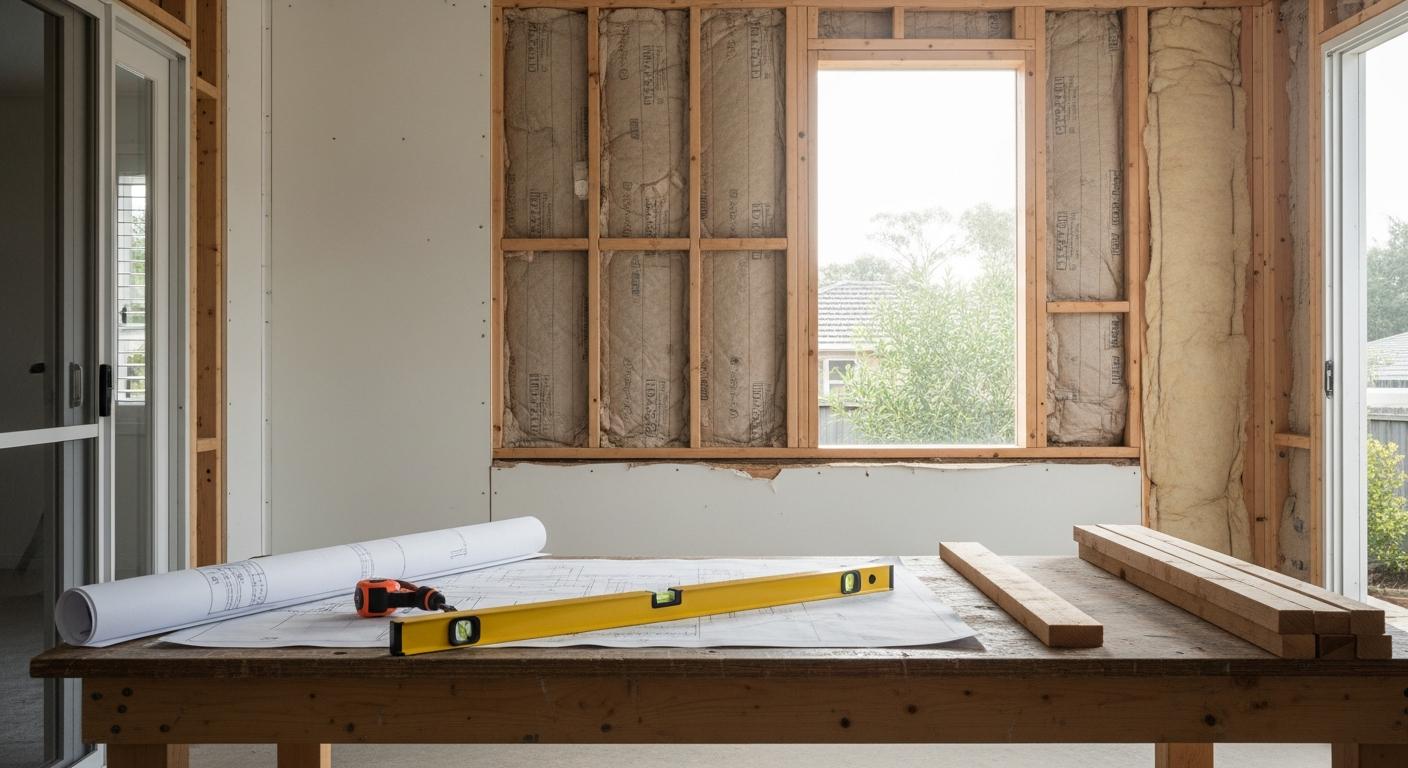
When Carla bought her first modular home on the edge of Los Angeles, she loved its clean lines, affordable price, and fast construction. But five years later after two kids, one dog, and countless Pinterest boards she started dreaming of a new kitchen layout. That’s when she hit a wall (figuratively and almost literally): what can you actually change in a prefab home? The answer depends on how the house was built in the first place and who stamped approval on it.
Understanding the Basics of Prefab Construction
A “prefabricated” or prefab home isn’t a single type of building but a family of systems under one roof. You’ll often hear terms like modular home, panelized home, or manufactured home. Each one shares a key feature: major components are built off-site in a controlled factory before being transported to your lot for assembly.
In modular construction, entire sections or “modules” are built indoors walls, floors, even bathrooms complete with plumbing and then joined together on-site. A panelized system ships flat wall or roof panels that crews assemble like an IKEA project scaled up for adults. Manufactured housing (or mobile homes) is built to federal standards known as the HUD Code, outlined under 24 CFR Part 3280, and usually placed on a chassis rather than a permanent foundation.
This factory-first approach means tighter quality control and less waste compared to traditional construction. But it also introduces limits. Prefab structures rely on specific engineering tolerances wall thicknesses, structural frames, fastening systems that differ from those of a typical site-built home. Before starting any renovation or remodeling project, it’s essential to know exactly which prefab category your home belongs to.
The Framework: Building Codes and Manufacturer Guidelines
Every prefab home lives under at least two sets of rules: local building codes and manufacturer requirements. In places like New York State or California, local building code authorities often reference the International Residential Code (IRC) or the standards set by the International Code Council (ICC). For manufactured housing, federal regulation through HUD takes precedence instead.
Your prefab probably came with compliance certificates the paperwork equivalent of its birth certificate showing which code it meets and who inspected it. If you’re planning structural changes such as removing load-bearing walls or altering roof trusses, expect to need formal engineering approval. Sometimes that means contacting the original manufacturer or an engineer familiar with modular housing systems.
This step is more than bureaucracy; it’s about safety and resale value. Changing core structural elements without proper sign-off risks voiding warranties or violating zoning regulations that govern modular buildings in cities from Los Angeles to Albany.
What You Can Usually Change Without Major Issues
The good news? Many aspects of renovating a prefab home fall firmly within “allowed” territory. Cosmetic updates painting walls, installing new flooring, swapping cabinetry or lighting fixtures rarely affect structural integrity or code compliance.
You can often remove non-load-bearing partitions after verifying their role in your layout plan (a quick consultation with an architect helps). Bathroom remodels, kitchen remodeling projects focused on finishes rather than framing alterations all fair game.
If energy efficiency is your goal, upgrades such as LED lighting systems, low-flow faucets, smart thermostats, or efficient appliances fit neatly within prefab limits because they don’t alter core mechanical layouts. Even adding smart-home automation typically only requires modest wiring adjustments rather than full electrical rewiring.
The Gray Areas: Structural Additions and Expansions
This is where things start to blur. Can you add a sunroom? A deck? Maybe even another module? Possibly but not always easily.
Modular additions, such as extra bedrooms or expanded living spaces, must align precisely with your existing structure’s specifications: same floor heights, compatible materials, matching load paths down to the foundation bolts. Builders have succeeded in extending prefabs when working closely with engineers who understand modular design tolerances but others have discovered costly misalignments when concrete footings didn’t line up by mere centimeters.
Add-ons like decks or porches tend to be simpler since they’re self-supporting structures attached at connection points approved by local inspectors under standard residential building codes. Still, even small attachments may require updated permits depending on city zoning rules especially in dense areas like New York City where every square foot counts toward allowable lot coverage.
Systems Upgrades: Plumbing, Electrical, HVAC Considerations
The inner anatomy of prefab homes hides its own quirks. Plumbing runs through pre-routed chases inside wall panels; electrical lines snake through pre-drilled channels; HVAC ducts sometimes weave within ceiling cavities sized just-so during fabrication.
Because everything was designed at the factory level to meet either IRC standards for modular homes or HUD safety standards for manufactured housing, rerouting these systems isn’t trivial. Moving a sink across the room might mean cutting into insulated panels that double as structural elements a risk not worth taking without professional input.
If you need upgraded circuit loads for new appliances or electric vehicle chargers (increasingly common), hire licensed electricians familiar with prefab wiring harnesses rather than general contractors used only to traditional construction methods. And whenever significant mechanical work happens HVAC replacements especially you’ll likely need inspection approvals before reoccupying those zones safely.
Sustainability Upgrades that Fit Within Prefab Limits
Sustainability-minded owners find prefab homes surprisingly adaptable as long as upgrades respect the original structure’s logic. Many newer models already exceed energy efficiency benchmarks thanks to tight building envelopes made possible by controlled manufacturing environments.
If your goal is better insulation performance, check whether existing wall panels can be swapped for higher-R-value alternatives designed specifically for that model line. Some manufacturers even offer retrofit-friendly insulation kits tested against their original engineering specs a neat example of circular thinking in modern construction practices.
You can often integrate solar photovoltaic panels onto modular roofs using lightweight rack systems rated for wind uplift according to regional codes in both Los Angeles County and New York State climates alike. Water-efficiency retrofits like dual-flush toilets or rainwater harvesting barrels generally cause no compliance issues either.
An important sustainability note: maintaining what already works well carries its own environmental benefit by preserving embodied carbon embedded in those prefabricated components a subtle reminder that sometimes not changing too much is itself an act of responsible renovation.
Permits, Inspections, and Resale Implications
No matter how small your upgrade feels a bathroom remodel here or an accessory dwelling unit addition there you’ll usually need some form of building permit. Local jurisdictions handle this differently based on whether your property falls under standard residential zoning regulations (site-built equivalency) or remains classified as manufactured housing governed by HUD oversight instead of municipal authority.
Lack of proper permits doesn’t just risk fines; it can complicate insurance claims and deflate real estate appraisal values during resale inspections. When buyers see unverified alterations on modular homes listed online across real estate platforms from New York suburbs to rural California counties they often back away faster than you can say “code violation.”
A practical step? Keep meticulous records: approved plans stamped by engineers; manufacturer correspondence confirming allowable changes; before-and-after photos labeled with permit numbers if applicable. These become invaluable if you refinance later or if future inspectors need proof that every alteration stayed within boundaries set by both state law and federal regulation frameworks like HUD’s 24 CFR Part series.
