



Introduction to Prefab Homes
The world of tiny homes is growing at a rapid pace, and at the heart of this movement are prefab homes. But what exactly are these modern marvels? Prefab, short for prefabricated, refers to homes constructed in sections or modules in a factory, then transported and assembled on-site. This approach not only speeds up the building process but also maintains high-quality standards.
As more people seek efficient living solutions, the demand for prefab homes is on the rise. They offer an enticing blend of affordability, sustainability, and flexibility, making them an ideal choice for maximizing space, especially in the world of tiny homes.
Design Efficiency in Prefab Homes
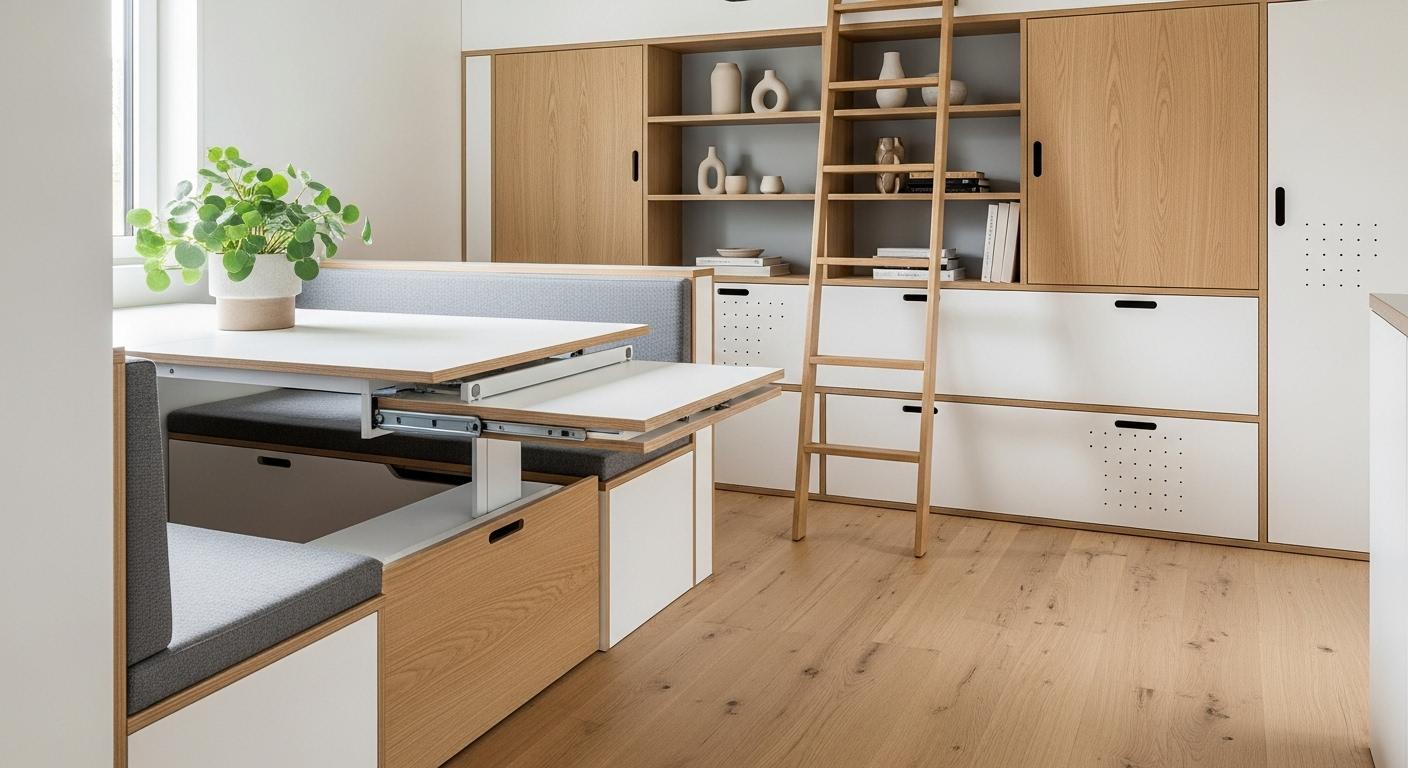
When living in a small space, every square foot counts. Prefab homes excel in making the most out of limited space through clever design efficiency. Multifunctional furniture becomes a staple; think of a sofa that doubles as a bed or a dining table that folds away when not in use. These pieces are designed to deliver ultimate utility without compromising comfort.
Storage becomes an art, too. From built-in cabinets to hidden compartments, prefab homes often come with innovative storage solutions to help reduce clutter and maintain a minimalist living vibe. Additionally, smart technology integration aids in efficient space management. Imagine controlling your lighting, heating, and security features with a simple swipe on your phone, allowing you to optimize your living space with ease.
The beauty of prefab homes lies in their modular design elements, which can be adapted and rearranged as needed. This flexibility means you can modify your prefab home to suit your evolving lifestyle, whether you need a guest house or a permanent foundation for your primary residence.
Cost-Effectiveness and Sustainability
One of the most appealing aspects of prefab homes is their cost-effectiveness. Compared to traditional homes, prefab homes often come with a lower price tag due to streamlined construction processes and reduced materials waste.
Sustainability is another key benefit. Prefab homes are frequently built using eco-friendly materials, and the construction process typically results in less environmental impact. Many prefab homes are equipped with energy-efficient features like solar panels and superior insulation, ensuring they leave a smaller carbon footprint while helping you save on utility bills in the long run.
Overall, the financial and ecological benefits of prefab homes offer a convincing case for those looking to reduce their environmental footprint while enjoying significant cost savings.
Customization and Personalization Options
If you think prefab homes are cookie-cutter solutions, think again. These homes offer a surprising variety of design options to suit individual tastes and lifestyles. Whether you prefer a sleek, contemporary design or a more rustic, homely charm, prefab homes provide a canvas you can personalize.
From choosing the layout and finishes to selecting custom features like cabinetry and flooring, homeowners have an abundance of opportunities to tailor their space. And should you need professional assistance, many prefab builders offer services to help bring your unique vision to life.
Challenges and Solutions in Small Space Living
Living in a small space presents its own set of challenges, from limited storage to a potential lack of privacy. However, prefab homes rise to these challenges with innovative solutions. Designing open floor plans with strategically placed walls can create a sense of openness, while large windows invite natural light, making rooms feel more spacious.
Practical tips like using vertical space for storage and opting for movable furniture can further enhance functionality. Real-life examples of satisfied prefab homeowners attest to the livability and comfort these homes provide, even in smaller sizes.
Legal and Zoning Considerations
Before diving into the world of prefab homes, it’s important to navigate the legal landscape. Understanding local building codes and zoning laws is crucial to ensuring your prefab home project goes smoothly. Permits and approvals vary by region, so it’s wise to research thoroughly and consult with experts familiar with regulations in your area.
Potential prefab home buyers in Australia, for instance, should be aware of the specific requirements that might affect their plans. Fortunately, there are ample resources and professionals available to guide you through the process.
Prefab Homes in the Context
Australia has seen a burgeoning prefab home industry, with numerous communities embracing this efficient living solution. Popular locations for prefab homes include both urban and rural settings, reflecting the versatility of these structures.
Case studies of successful projects, such as eco-friendly modular homes, demonstrate the potential for prefab living in Australia. As market trends point towards sustainability and cost-effectiveness, the future looks promising for the prefab sector.
Conclusion and Future Prospects
Prefab homes are redefining small space living by maximizing every square foot with creativity and efficiency. They encourage innovative approaches to home design, all while embodying principles of sustainability and affordability. As the market continues to grow, prefab homes present a forward-thinking solution for modern living challenges.
Whether you’re a first-time homeowner, an investor, or simply curious about alternative living spaces, prefab homes offer an intriguing blend of practicality and potential. They are, without doubt, a testament to how thoughtful design can transform how we live, one square foot at a time.
