



Introduction to Financing ADUs in California
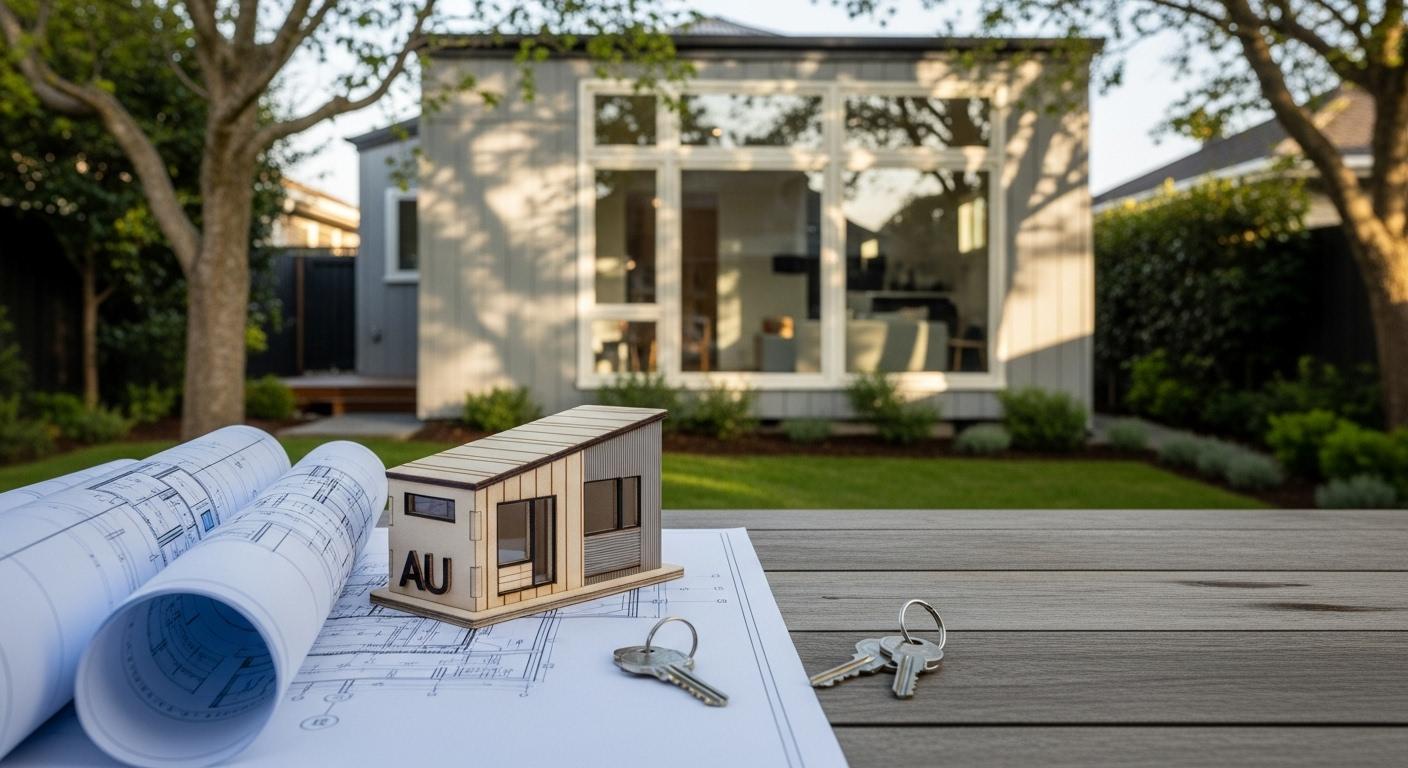
Accessory Dwelling Units (ADUs), sometimes called granny flats or backyard cottages, are additional living spaces on a property. Their benefits are far-reaching: they offer affordable housing solutions, increase property value, and provide extra income streams. As urban areas expand, ADUs have become increasingly popular, offering a versatile answer to housing density issues. But like most meaningful endeavors, building an ADU comes with its hurdles, and financing is at the top of the list.
Securing the necessary funds for an ADU project can make or break your plans. With construction costs, interest rates, and regulatory requirements, understanding how to effectively fund your project is crucial. Whether you are a homeowner looking to increase your property’s future value or an investor seeking a new income stream, creative financing options can provide the perfect solution.
Shared Equity Models
Shared equity models are fascinating. Picture this: you share both the costs and the ownership of the ADU with an investor or even through a government program. This approach allows you to reduce your financial burden while also sharing in the property’s appreciation. In essence, it’s a partnership that benefits both parties.
Potential partners in shared equity arrangements can vary widely, from private investors to government programs offering financial incentives. Shared equity can be an excellent way to reduce upfront costs, but it’s not without its challenges. Property owners must be comfortable with splitting future appreciation and potentially dealing with differing opinions on property management.
In California, a couple partnered with an investor through a shared equity model to develop an ADU. The investor covered 50% of the construction costs, and they agreed to share the rental income equally. Such arrangements offer multiple benefits, but they also require a clear agreement to navigate the complexities of shared ownership.
Forming Partnerships for ADU Financing
Forming partnerships can be another effective way to finance your ADU. Consider involving friends, family, or even community groups. These arrangements can build on trust and shared goals, often leading to successful collaborations. Of course, the value of a well-drafted legal agreement cannot be overstated. It’s important to outline responsibilities and ensure everyone is on the same page.
Case in point: in Sydney, two siblings looking to expand their mother’s property with an ADU pooled their resources and formed a legal partnership. They shared the costs and labor, creating not just a functional space but also strengthening their family bonds. Stories like these prove that with clear communication and aligned objectives, partnerships can be a rewarding way to tackle financing issues.
Co-Living Arrangements as a Revenue Stream
Co-living is essentially a modern twist on communal living, and it applies beautifully to ADUs. By renting out the ADU in a co-living arrangement, the rental income can significantly offset financing costs. With urban areas showing a rising demand for affordable housing, co-living presents a lucrative opportunity.
Managing a co-living space, however, comes with its own set of challenges balancing the needs and privacy of multiple tenants is paramount. But with clear rules and perhaps some well-thought-out interior design, these challenges can often be overcome, turning your ADU into a profitable income source.
Innovative Financing Options
Moving beyond traditional loans, modern financing methods offer some intriguing possibilities. Crowdfunding or peer-to-peer (P2P) lending can be viable alternatives. These methods leverage the power of community and technology to gather small amounts of money from a large number of people, making the total investment feasible.
Then there’s the fintech revolution, introducing possibilities like using cryptocurrencies or digital assets for financing. While these options might not be mainstream yet, they promise an exciting future. Of course, navigating the regulatory landscape for these innovations is key, as they are still evolving.
Government Grants and Incentives
The California government offers a range of grants and incentives for ADU development, aimed at reducing financial burdens for homeowners. Eligibility criteria and application processes may seem cumbersome to some degree, but the effort can be well worth it for those who qualify.
These government programs, often tailored to encourage sustainable housing density, can significantly offset costs. By tapping into these resources, property owners can reduce their out-of-pocket expenses and make ADU construction more feasible.
Traditional Financing: Loans and Mortgages
For those who prefer a more conventional route, securing loans and mortgages specifically targeted for ADU development remains a reliable option. Leveraging equity from the main property can often result in favorable loan terms.
However, preparing to apply for a loan requires diligence. Improving credit scores, understanding interest rates, and comparing terms from various lenders are essential steps. Some lenders offer specific ADU loans, which might be worth exploring for competitive rates and suitable terms.
Tips for Successful ADU Financing
Successful financing starts with budgeting. Accurate cost estimation can prevent unpleasant surprises down the road. Boosting your credit score is another worthwhile endeavor, as it affects your loan eligibility and the interest rates you’re offered.
Don’t hesitate to seek professional financial advice; the experts can provide insights that might not be immediately obvious. Lastly, creativity and flexibility can go a long way in approaching financing options. Each ADU project is unique, and finding the best path forward often requires a bit of both.
In the end, financing your ADU doesn’t have to be daunting. With creativity, a willingness to explore alternatives, and a bit of strategic planning, you can transform your property into a valuable asset, increasing both your income and your property’s future appreciation. Whether you’re partnering up or tapping into modern financial innovations, the journey to an ADU is filled with opportunities waiting to be seized.
