



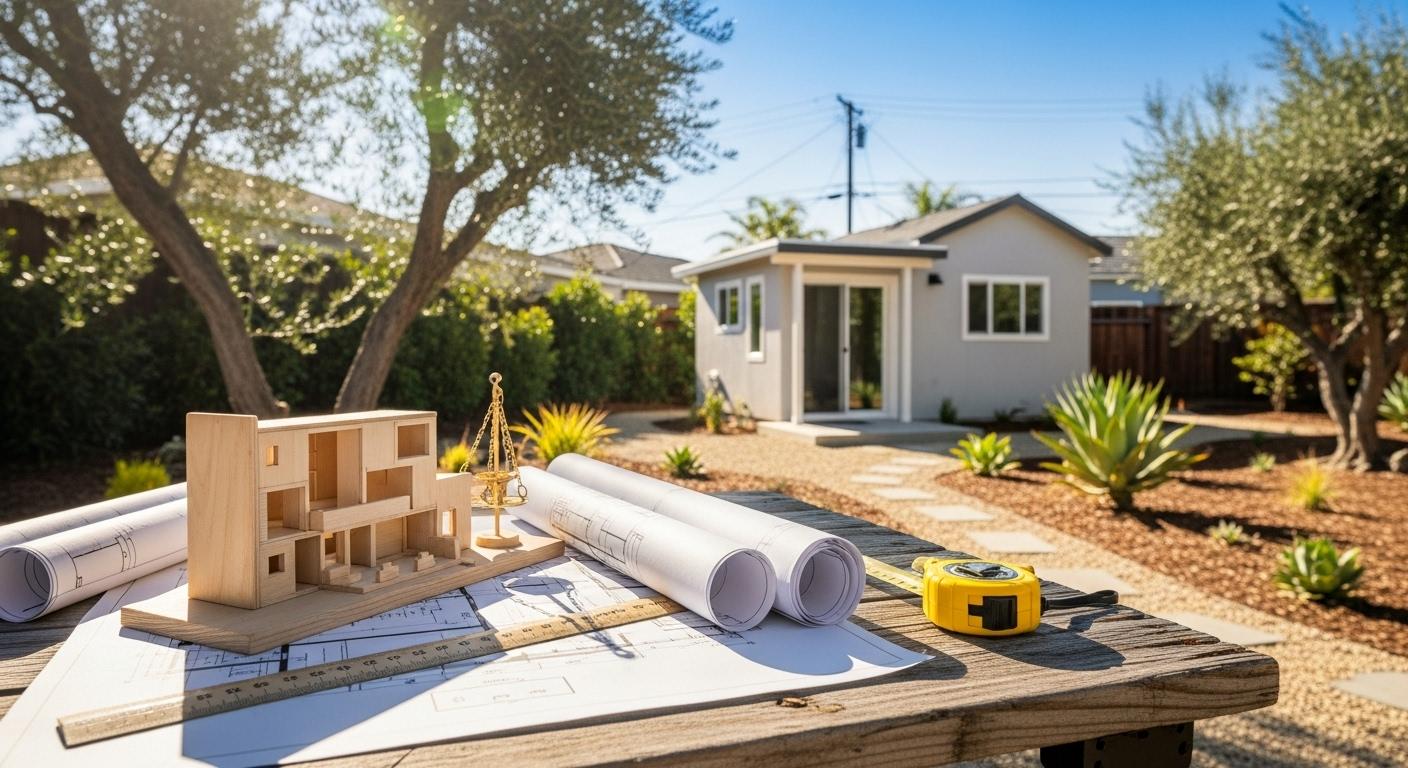
ADU Grants Available in 2025
The California Housing Finance Agency (CalHFA) is leading the charge by offering grants that can turn ADU dreams into reality. For starters, the state-sponsored ADU grant program provides substantial funds to eligible applicants. But who qualifies? Typically, homeowners with a solid plan and proof of property ownership are in good standing. The application process is straightforward, though deadlines are strict, often requiring submissions well ahead of the building season. Keeping an eye on these timelines can mean the difference between securing a grant or missing out.
Rebates for ADU Developers
Rebates in 2025 are another perk to sweeten the deal for ADU developers. These can cover everything from eco-friendly appliances to energy-efficient construction techniques. Think of them as the cherry on top when budgeting for your ADU project. To qualify, developers often need to demonstrate adherence to specific architectural designs or energy conservation measures. Claiming these rebates usually involves submitting the right permits and energy reports post-construction an extra step but well worth it when those rebate checks arrive.
Incentives Provided by Local Governments
Beyond state-level support, local governments are also stepping up with enticing incentives. Cities like Los Angeles offer reduced impact fees and expedited permitting processes as part of their plans. Some counties even offer property tax abatements for new ADUs. However, these incentives can vary significantly from one county to another. It’s worth diving into your local government’s website or contacting them directly to uncover the potential goldmine of local benefits available to you.
Financial Benefits of Building an ADU
Now, let’s talk about the dollars and cents. Building an ADU can be a smart investment, offering both immediate and long-term financial benefits. Imagine renting out your newly built ADU in a hot market like Los Angeles. Many homeowners report substantial returns on investment, especially when factoring in rising property values and the ability to provide affordable housing options. Recent case studies show ADUs not only pay for themselves over time but often add significant resale value to the primary property.
Challenges and Considerations in ADU Development
Of course, any worthwhile endeavor comes with its challenges. Developing an ADU involves navigating a maze of planning and zoning requirements. Issues like neighborhood opposition or unexpected soil tests can throw a wrench into well-laid plans. Yet, armed with the right strategies, these obstacles can be overcome. It’s about preparation, understanding the local regulatory landscape, and sometimes, a touch of persistence.
Resources and Support for ADU Developers
The good news is that you’re not alone on this journey. Numerous resources exist to guide you through the ADU development process. From state and local resources like planning departments to online platforms offering architectural designs and construction insights, help is at your fingertips. Community forums can also be invaluable, providing firsthand advice and support from those who’ve successfully navigated the path before you.
Key Points to Remember
- ADUs are a practical solution to California’s housing issues and now come with improved support in 2025.
- Grants and rebates are available but require careful attention to eligibility and deadlines.
- Local incentives can significantly offset costs but vary by county.
- Despite challenges, the financial and personal rewards of building an ADU can be substantial.
In essence, whether you’re a homeowner looking to make the most of your property or an investor eyeing California’s dynamic real estate market, 2025 presents a ripe opportunity to explore ADUs. With the right blend of curiosity, persistence, and resourcefulness, your backyard could soon host a slice of California’s future housing solution.
