
- Introduction to Prefab Tiny Homes
- Top Benefits of Prefab Tiny Homes in California
- Key Considerations When Choosing a Prefab Tiny Home
- Popular Styles and Designs of Prefab Tiny Homes
- Leading Manufacturers of Prefab Tiny Homes in California
- Budgeting and Pricing for Prefab Tiny Homes
- Setting Up a Prefab Tiny Home in Your Backyard
- Living Comfortably in a Prefab Tiny Home
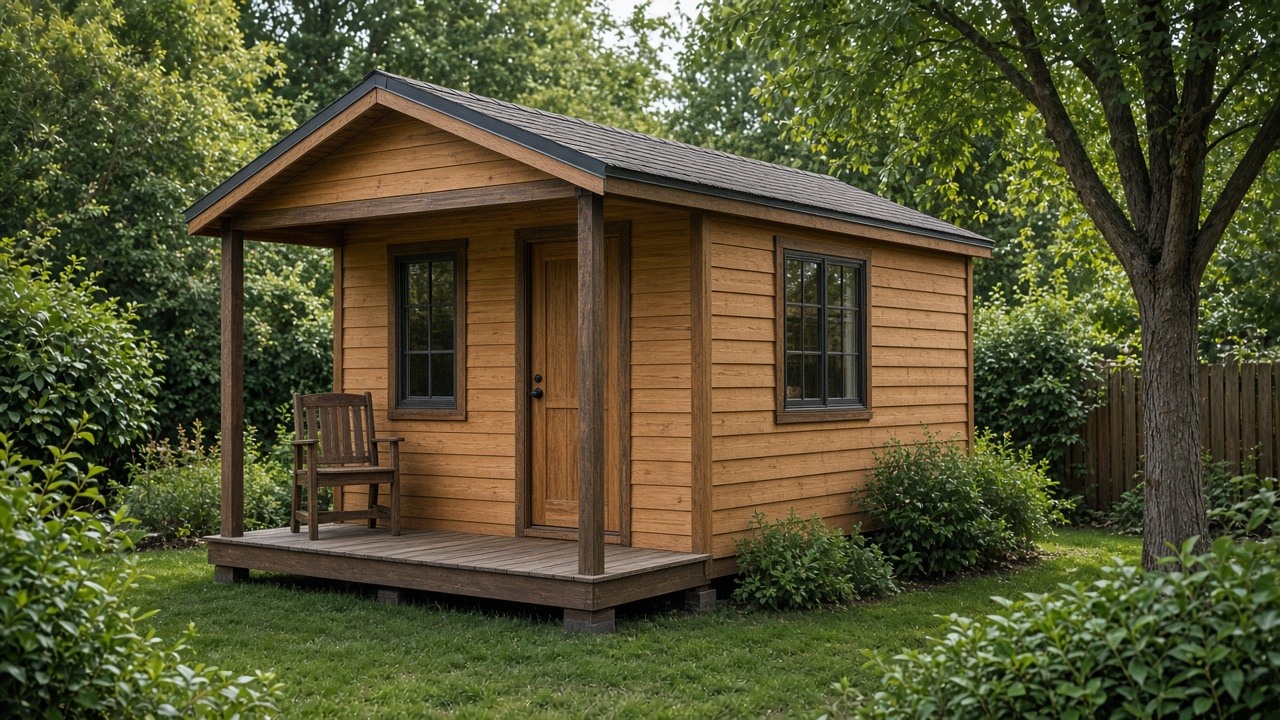
Introduction to Prefab Tiny Homes
For some, the notion of living in a tiny house conjures images of cozy nooks and simplified living. For others, it’s a mystery wrapped in curiosity: How can one live comfortably in a space smaller than a studio apartment? Prefab tiny homes, small yet elegantly designed and manufactured offsite, offer an intriguing solution. These structures have roots in the prefab (short for prefabricated) housing movement, a concept that has evolved over decades from rudimentary kits to sophisticated, modern dwellings.
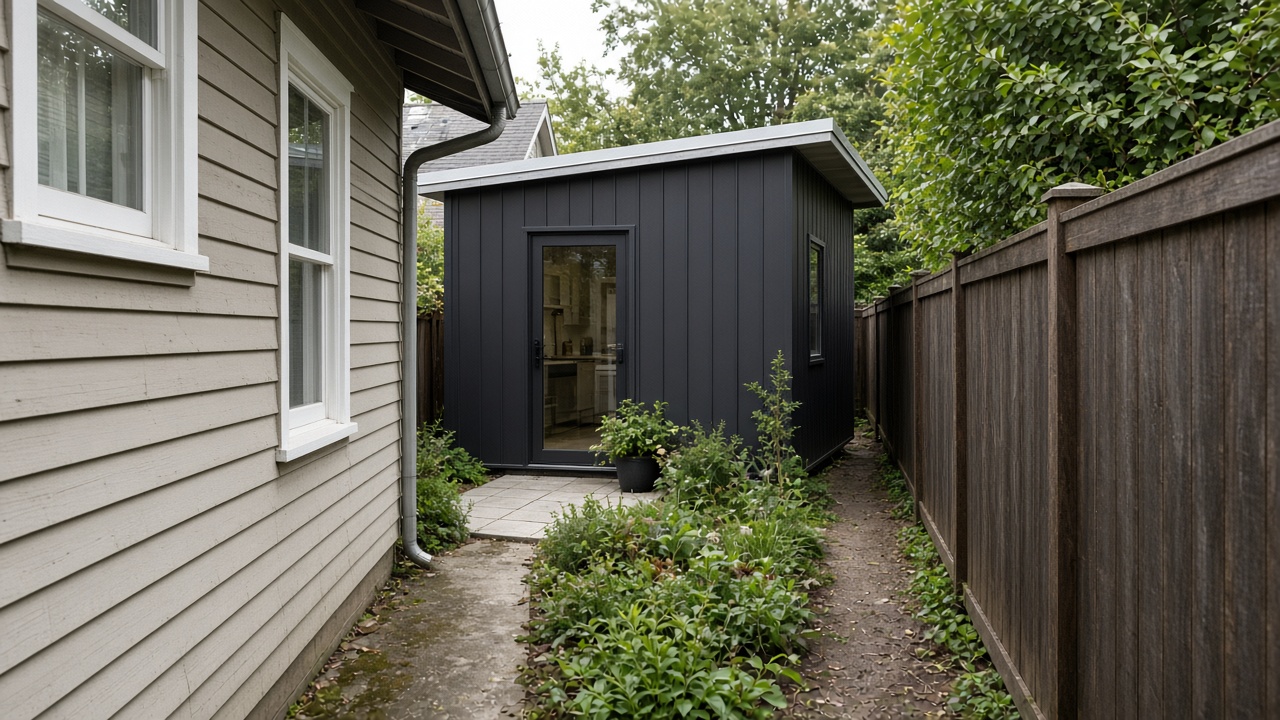
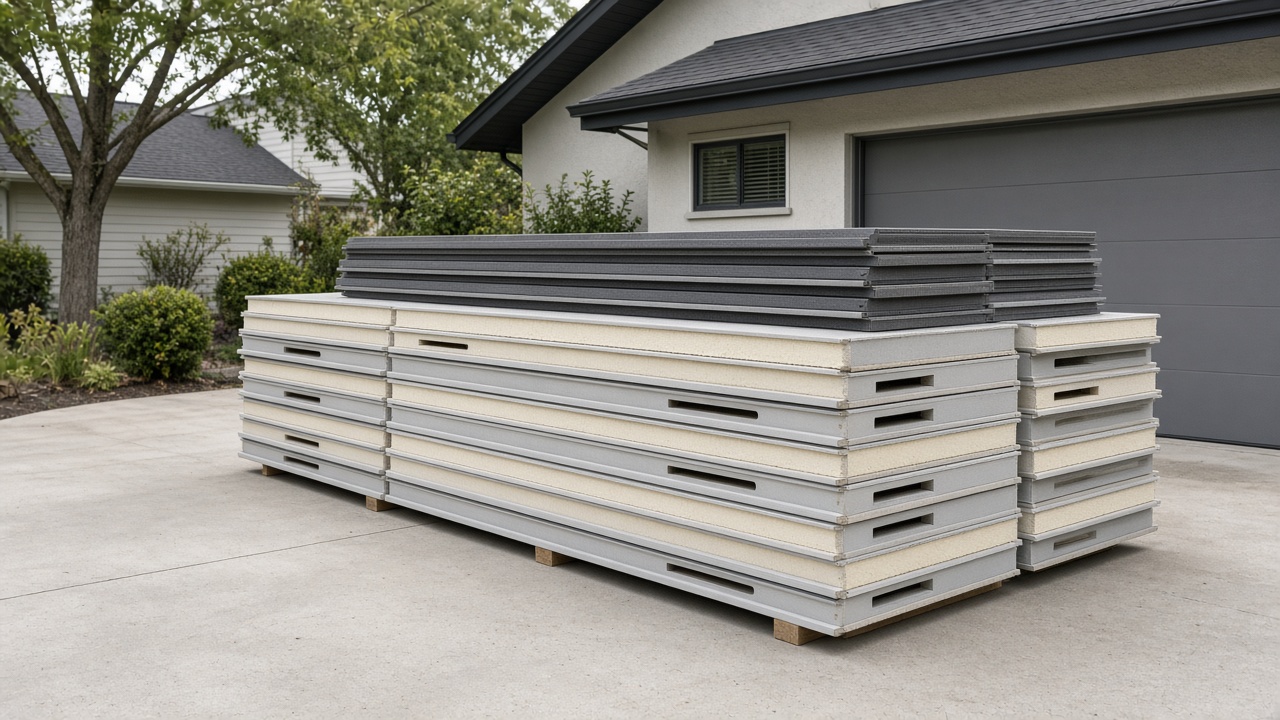
Choosing a tiny home for backyard living holds several advantages, from cost savings to environmental benefits. Prefab homes are built in sections at a factory and then transported to the site for assembly. This method not only reduces waste but also grants homeowners more control over design and quality, making tiny homes an appealing accessory dwelling unit (ADU) option.
Top Benefits of Prefab Tiny Homes in California
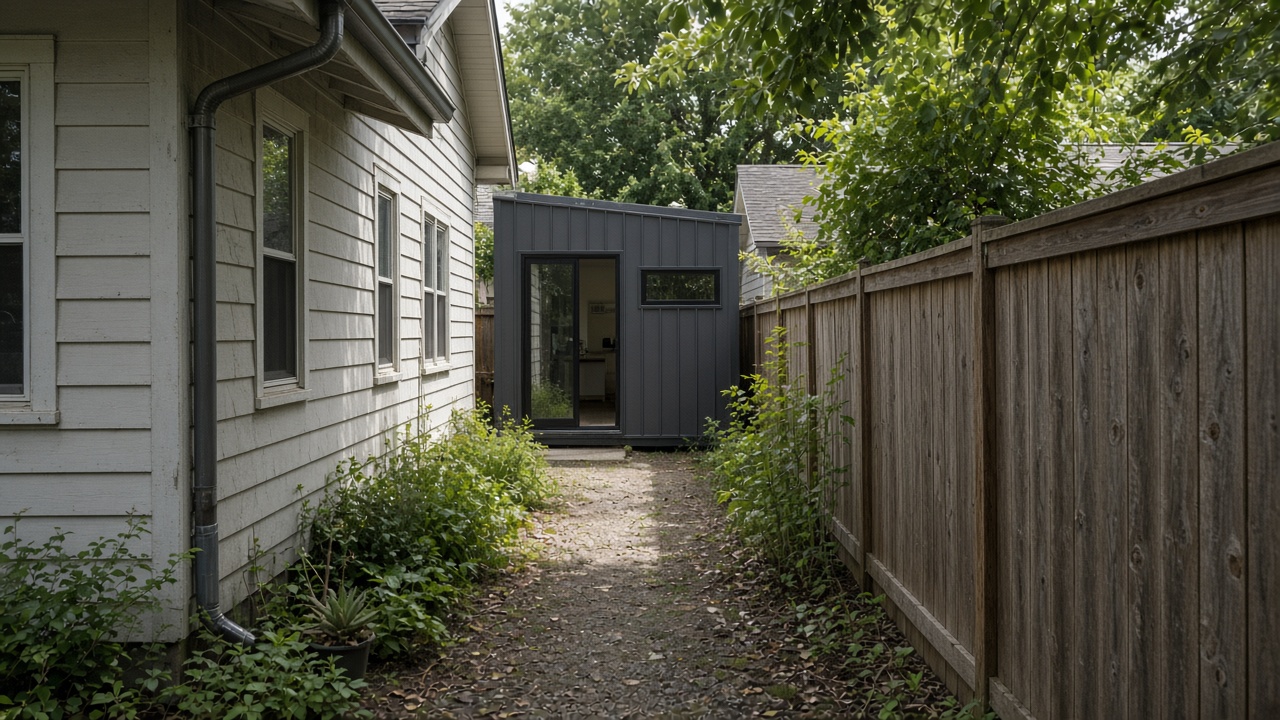
In California, where housing markets can be as unpredictable as the weather, prefab tiny homes offer a refreshing alternative. Imagine constructing your new home in a fraction of the time it would take for a traditional build. Prefab tiny houses are not only time-efficient but also kind to the wallet. Their streamlined construction reduces labor costs significantly.
Besides, the environmental footprint of these diminutive dwellings is impressively light. They utilize high-quality materials and advanced manufacturing processes that prioritize sustainability. Also, the flexibility in design allows for customizations to suit individual preferences, making each tiny home a unique retreat tailored to your lifestyle.
Key Considerations When Choosing a Prefab Tiny Home
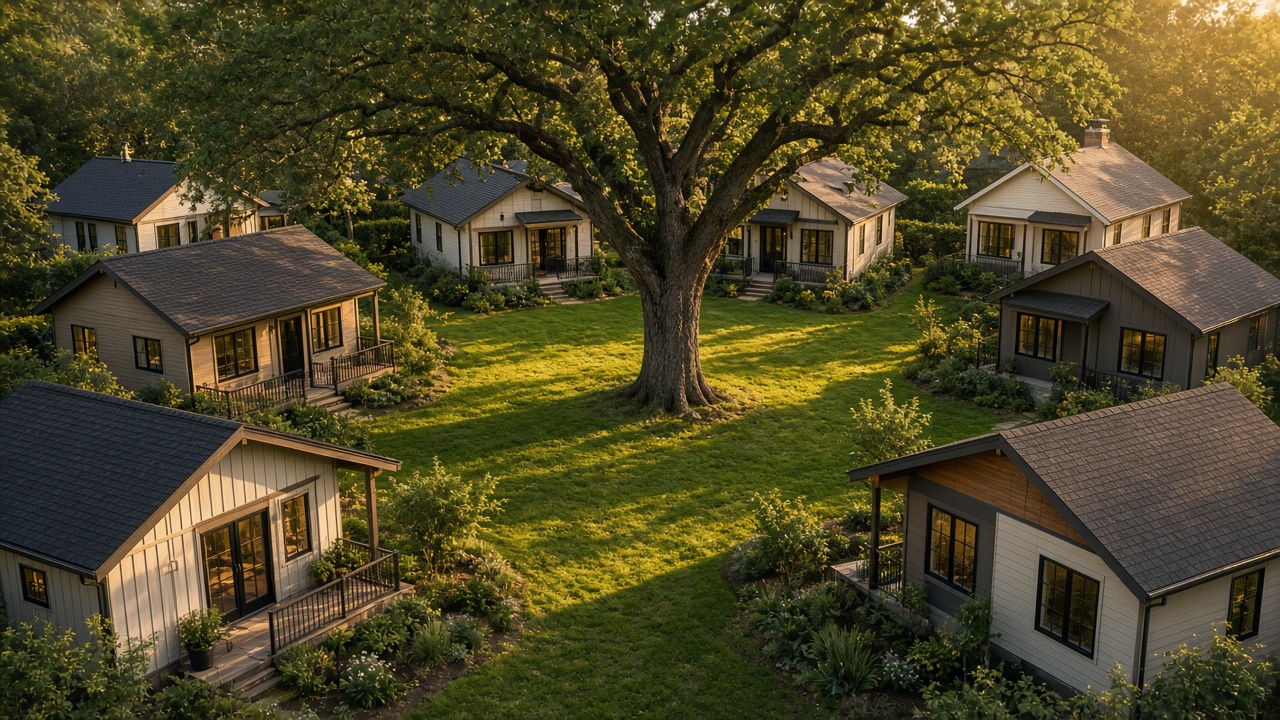
Before you enthusiastically dive into tiny home living, consider some practicalities. For instance, understanding local zoning laws and permits in California is crucial. These regulations can vary significantly from one area to another, affecting your project’s feasibility.
Moreover, the right size and layout can make or break your tiny home experience. It’s like piecing together a puzzle, where every inch counts. Consider also the quality of insulation, utility hook-ups, and energy efficiency features; these factors can significantly impact comfort and costs.
Popular Styles and Designs of Prefab Tiny Homes
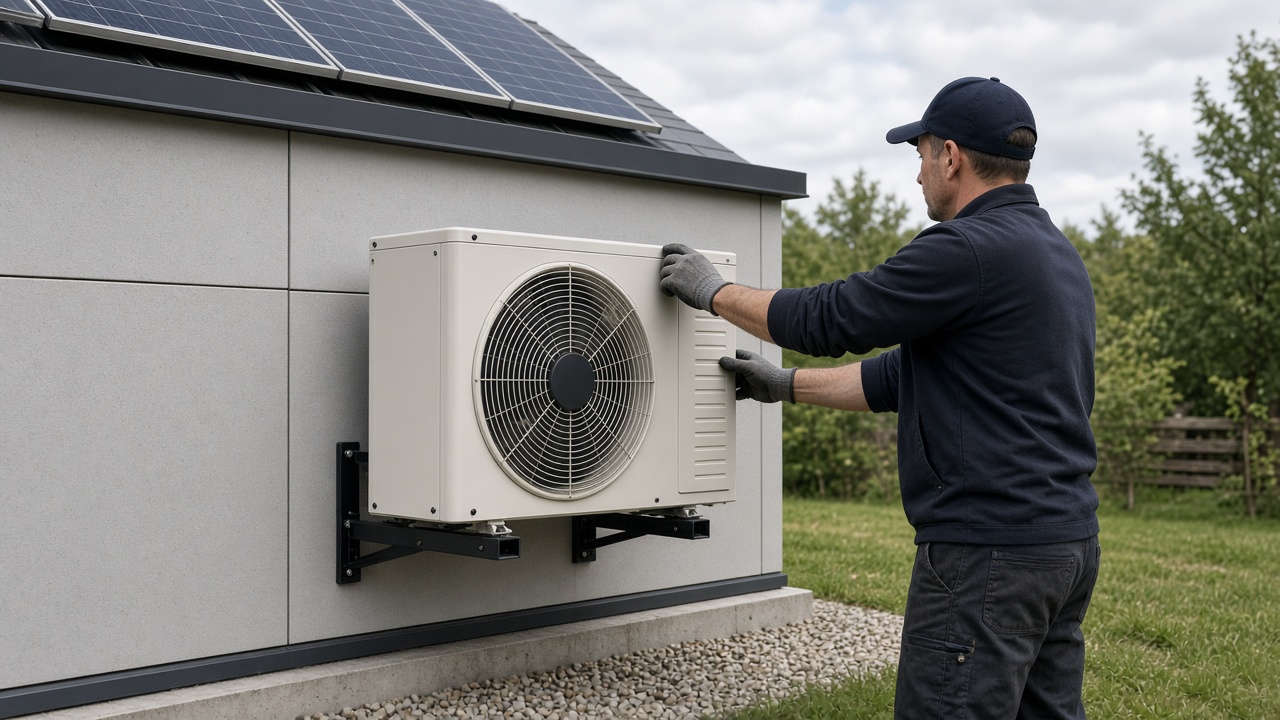
Prefab tiny homes come in a delightful array of styles, from modern minimalist cubes to charming cottage-style dwellings. There’s nearly endless potential for personalization. Interior designs often lean towards multifunctionality think fold-away beds and built-in storage. This efficient use of space helps maximize living areas and maintains a sense of order.
Customization options are plentiful, whether you’re prioritizing a breathtaking bathroom or a compact kitchen with all the bells and whistles. Your tiny home can reflect your personality as much as it does practical needs.
Leading Manufacturers of Prefab Tiny Homes in California
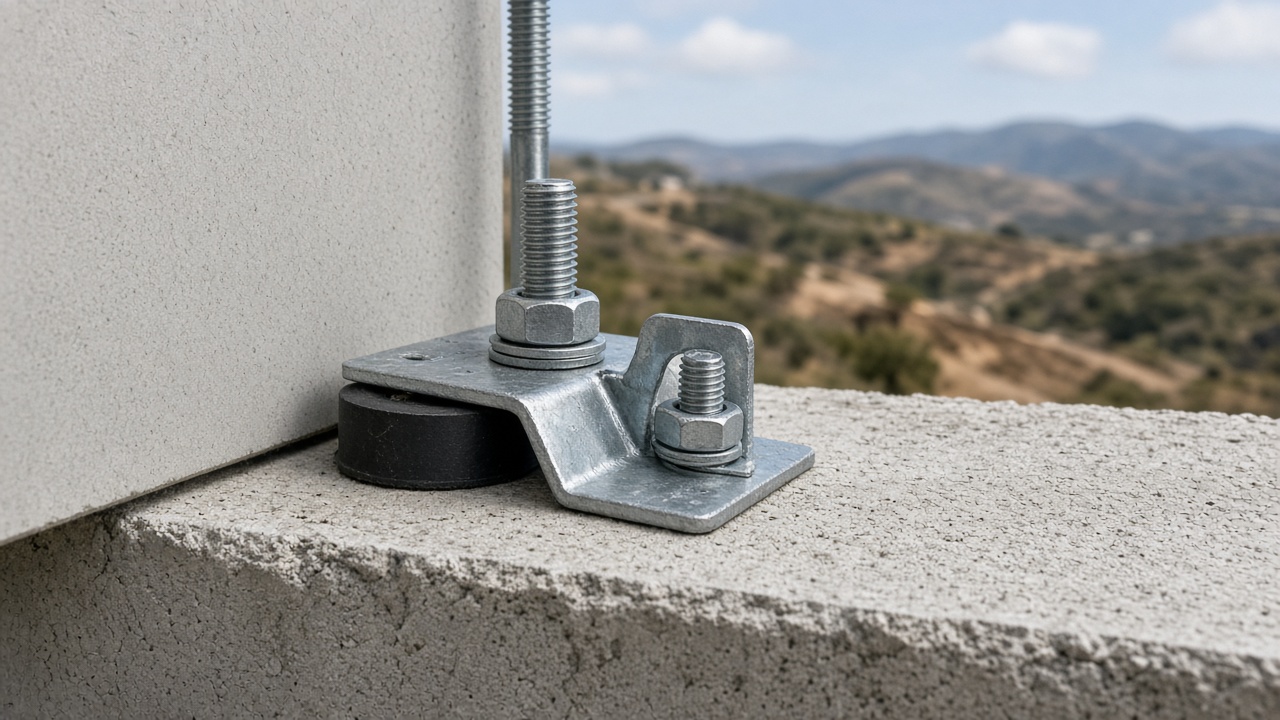
California is home to several leading prefab home manufacturers, each offering unique styles and features. Companies like Studio Shed and Escape Traveler are renowned for their innovative designs and commitment to high-quality materials.
When selecting a manufacturer, consider customer reviews and satisfaction ratings they often tell the real story. Most companies offer a range of options, from fully customized builds to readily available models, designed to meet diverse needs and budgets.
Budgeting and Pricing for Prefab Tiny Homes
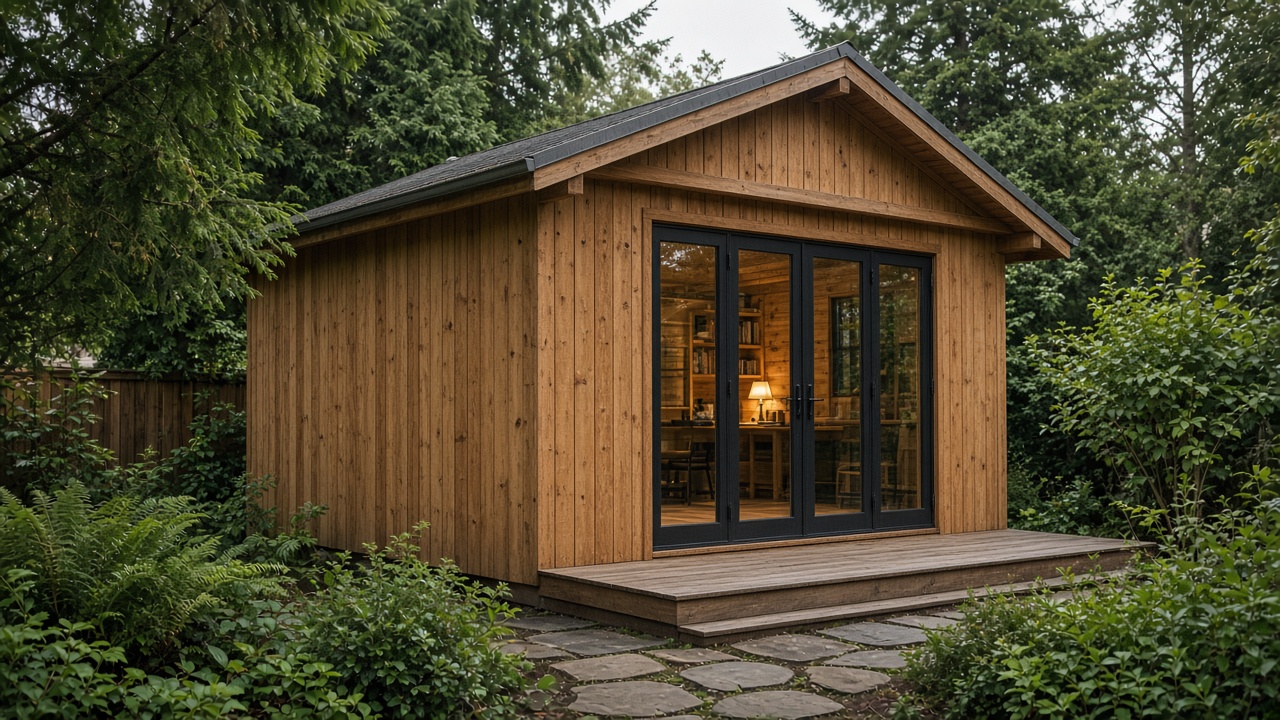
Now, let’s talk numbers. Understanding the costs associated with purchasing a prefab tiny home is essential. Breakdown each component: building, transportation, and installation. Typically, prices can range from modest to mid-range, depending on size, design, and selected features.
For financing, options are available specifically tailored to this market, offering manageable payment plans. To navigate budgeting effectively, consider prioritizing must-have features and exploring second-hand options from reputable sellers for cost-saving opportunities.
Setting Up a Prefab Tiny Home in Your Backyard
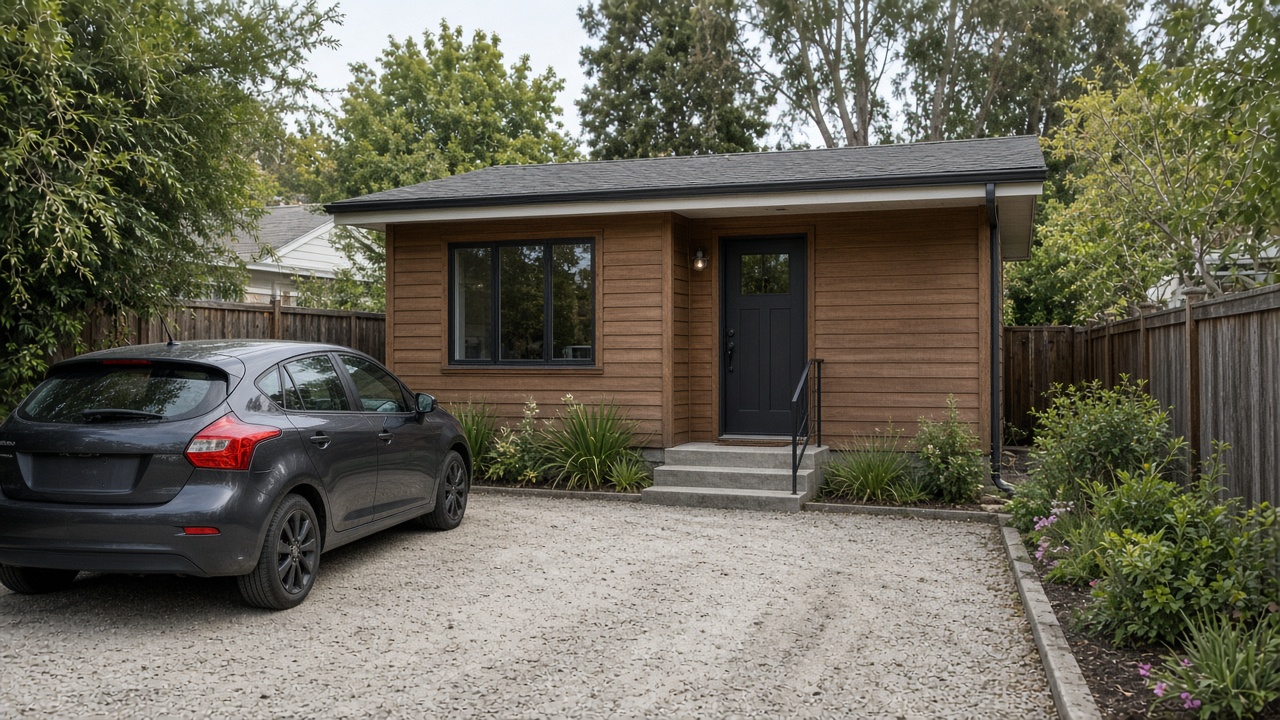
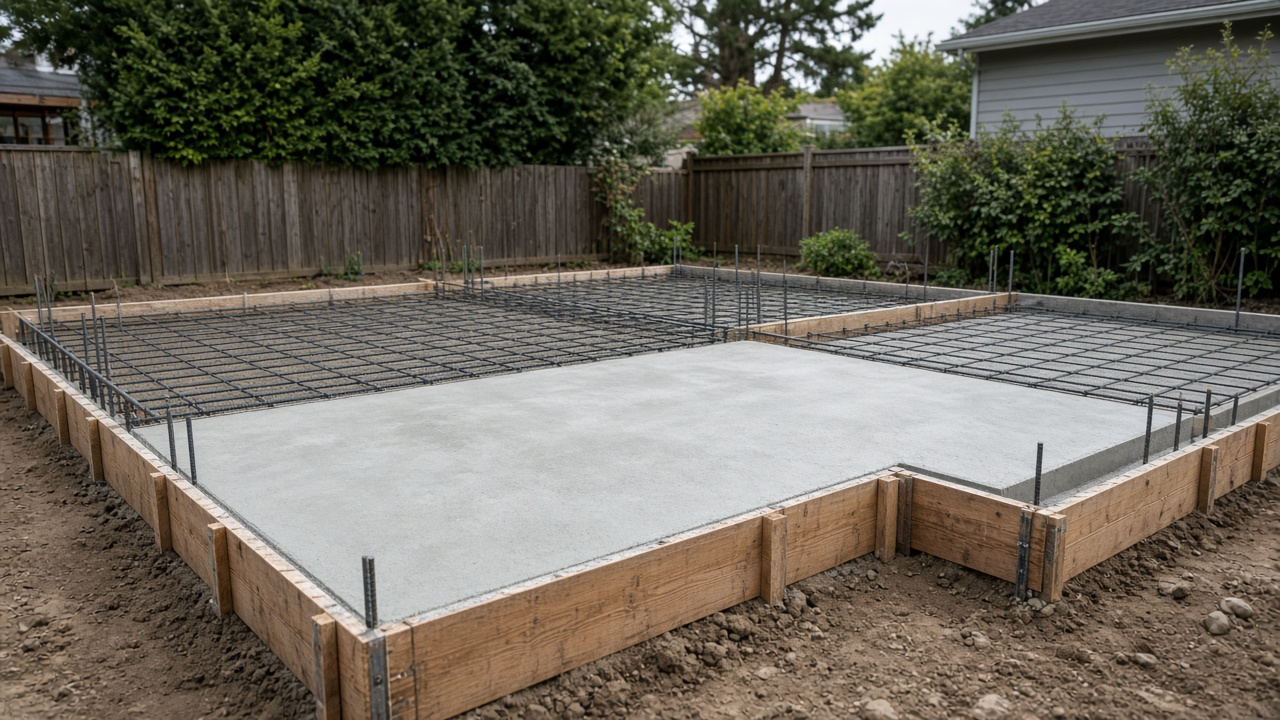
Once you’ve selected your dream tiny house, the next step is setting it up. Site preparation and installation are critical phases. Key steps include ensuring proper foundation, managing the hookup of essential utilities like water, electricity, and sewage, and then adding those personal landscaping touches that make the space feel inviting and complete.
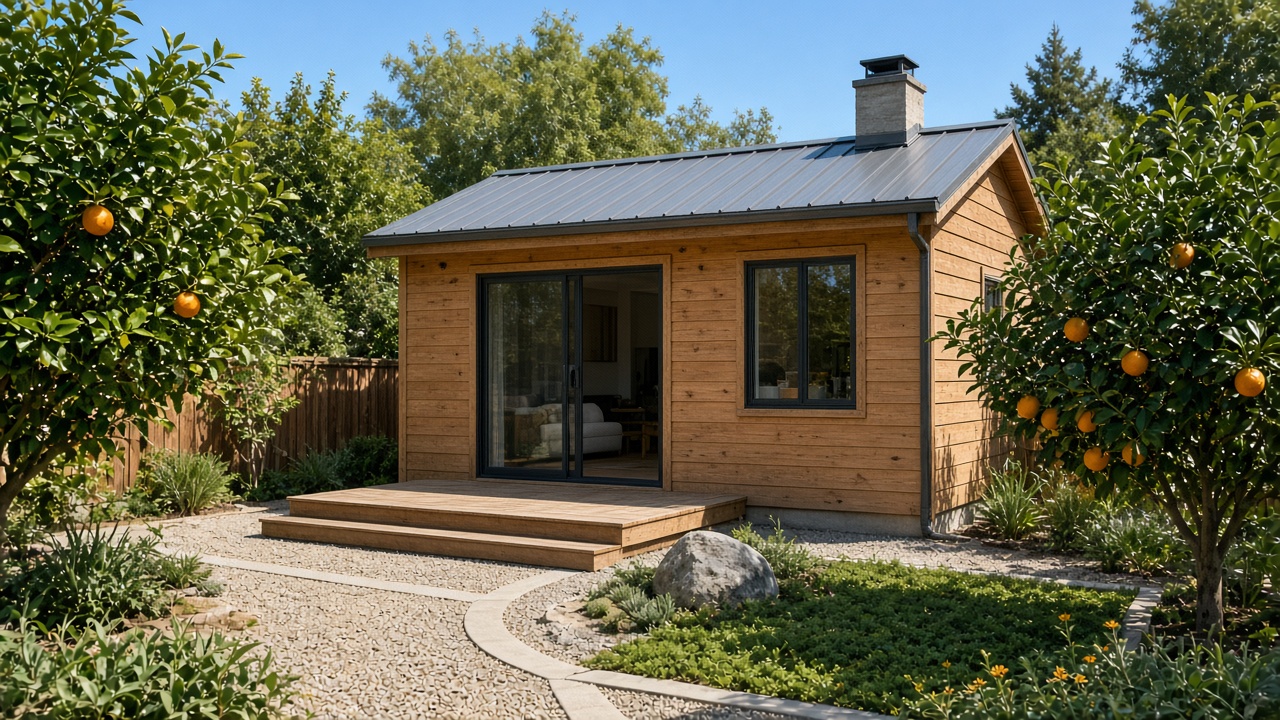
Think of your backyard as a canvas; landscaping can transform not just the look, but also your living experience by creating a seamless transition between indoor and outdoor spaces.
Living Comfortably in a Prefab Tiny Home
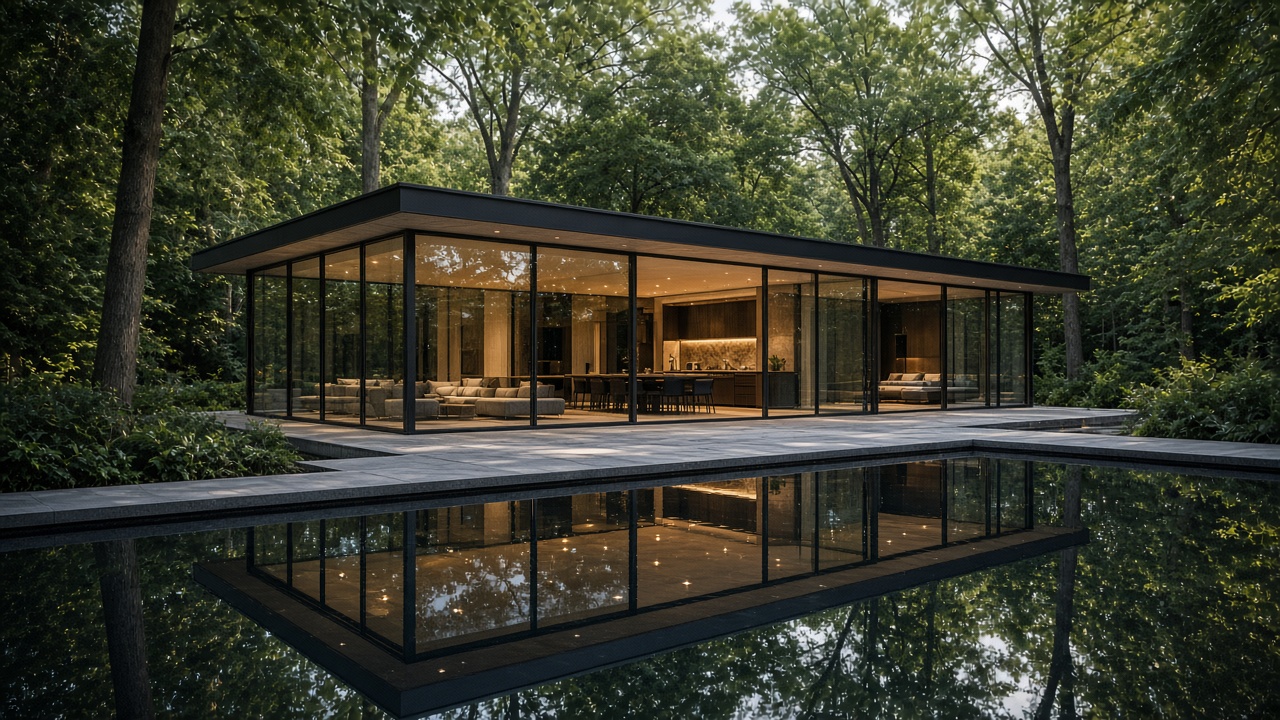
Living small doesn’t mean sacrificing comfort. With clever design, you can have a living space that feels surprisingly expansive. Incorporate space-saving tips such as using furniture that doubles as storage or installing lofts to make the most of vertical space.
Embrace innovative storage solutions to keep your space organized, and consider integrating smart home technology to enhance daily life. Ultimately, tiny living is about embracing simplicity and efficiency, all while maintaining a cozy and inviting atmosphere.
In the end, prefab tiny homes offer a world of opportunity for personal expression and practical living. They’re not just a passing trend but rather a thoughtful response to modern challenges a small but significant step towards sustainability, affordability, and individualized design.