
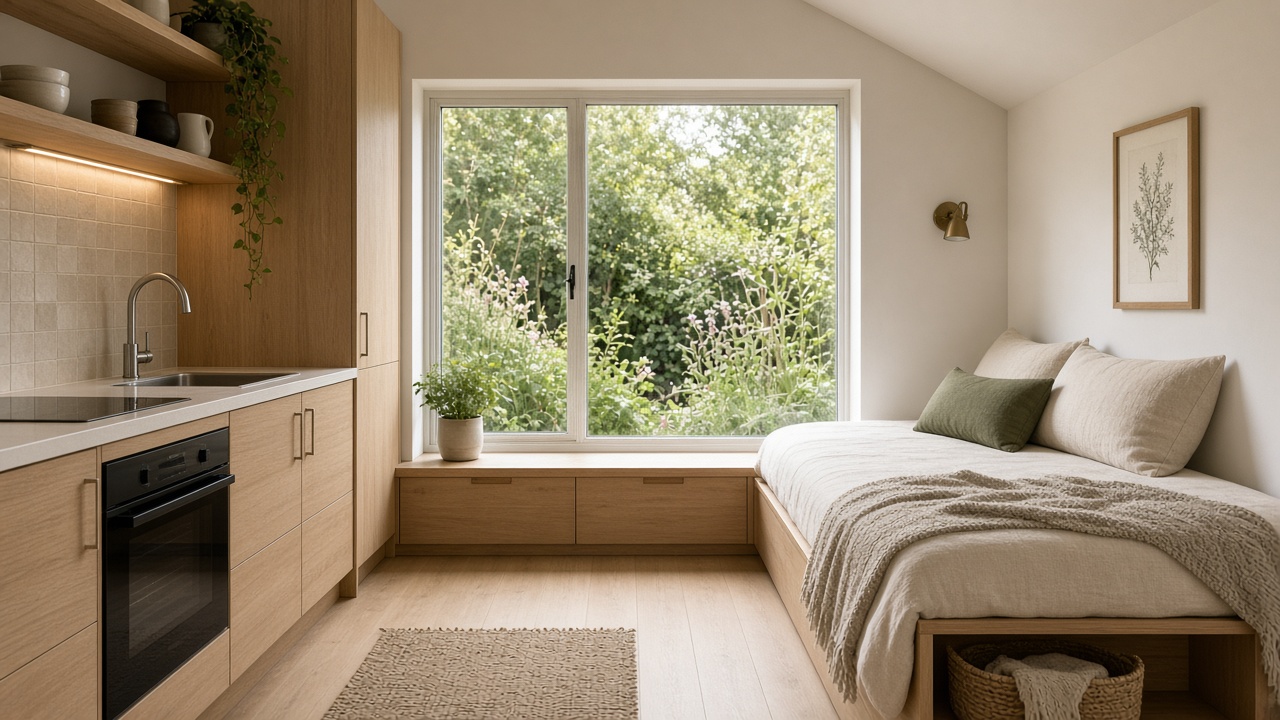
- Interior Design Ideas for Small ADUs and Tiny Prefabs
- Maximizing Space with Multi-functional Furniture
- Utilizing Vertical Space
- Choosing Light and Airy Color Schemes
- Creative Lighting Solutions
- Incorporating Nature and Outdoor Elements
- Clever Storage Solutions
- Personalizing Small Spaces for Comfort
- Sustainability and Efficiency in Design
Interior Design Ideas for Small ADUs and Tiny Prefabs
Small spaces often present an intriguing challenge one that can spur creativity and inspire unique solutions. In the world of tiny homes, ADUs (Accessory Dwelling Units), and prefabs, maximizing every square inch is not merely a suggestion; it’s a necessity. Let’s dive into some innovative interior design ideas that can make your small space feel not only livable but wonderfully comfortable.
Maximizing Space with Multi-functional Furniture
When dealing with limited square footage, every piece of furniture must pull double duty. A sofa bed, for instance, can transform a living room into a guest room with just a few simple adjustments. And who hasn’t marveled at the ingenuity of a foldable desk that disappears when not in use, freeing precious space for other activities? Extendable dining tables, too, are a godsend expanding to accommodate family gatherings and contracting to leave room for everyday life.
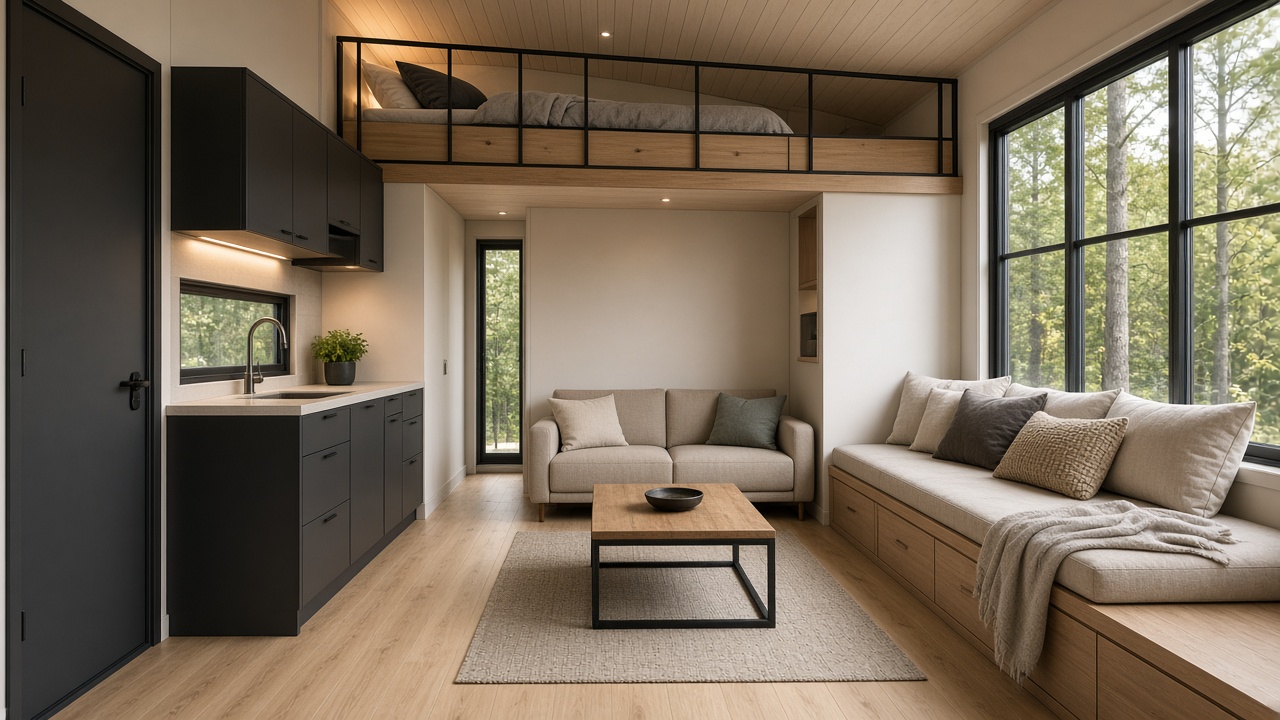
Furniture with built-in storage is another brilliant space-saver. Consider a coffee table that opens up to store magazines and remote controls or benches with hidden compartments for throws and pillows. Wall-mounted solutions, such as floating shelves and fold-down tables, further help in keeping the floor space uncluttered, ensuring a clean and airy feel.
Utilizing Vertical Space
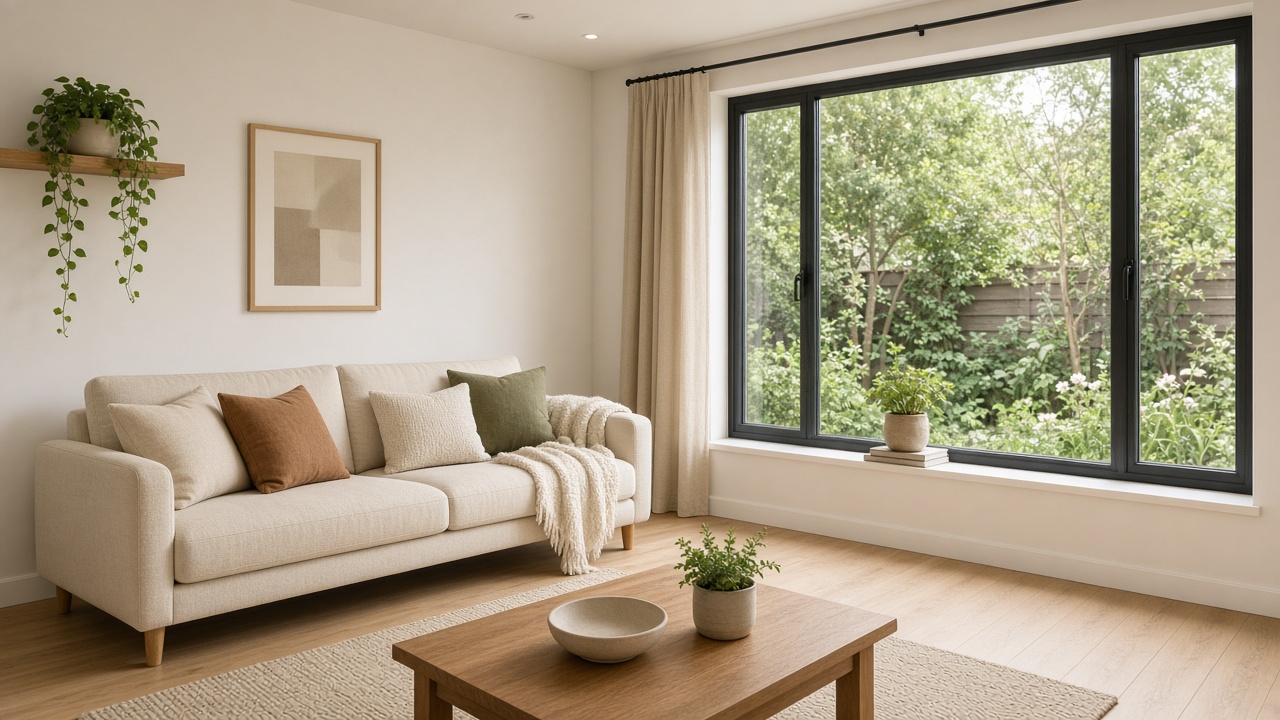
In a realm where horizontal space is scarce, looking up becomes a strategy. Tall shelves and wall units not only provide storage but also draw the eye upwards, creating an illusion of a larger space. Imagine the charm of a vertical garden lush greenery without sacrificing your living area, bringing nature indoors in a way that feels both intentional and refreshing.
Loft areas offer a clever way to gain extra storage or sleeping space, turning a tiny nook into a cozy retreat. Hooks and hanging racks, meanwhile, are perfect for maximizing wall use without crowding the space.
Choosing Light and Airy Color Schemes
The power of color should not be underestimated. Light colors, such as whites, pastels, and soft grays, can make a small room feel expansive and open. Paint and wallpaper selections play a crucial role in this transformation, brightening up the space and uplifting the mood.
Mirrors, too, are the unsung heroes of small space design. Strategically placed, they enhance natural light and create an illusion of depth. Transparent and reflective materials, like glass tables and metallic fixtures, complement this illusion, weaving a tapestry of light and space.
Creative Lighting Solutions
Speaking of light, both natural and artificial lighting are your allies. Skylights and strategically placed windows can flood your tiny abode with sunlight, reducing the need for artificial lighting during the day. In the evening, task, ambient, and accent lighting come into play. Adjustable lighting is crucial for multifunctional areas, allowing you to shift the mood and the purpose of a room with ease.
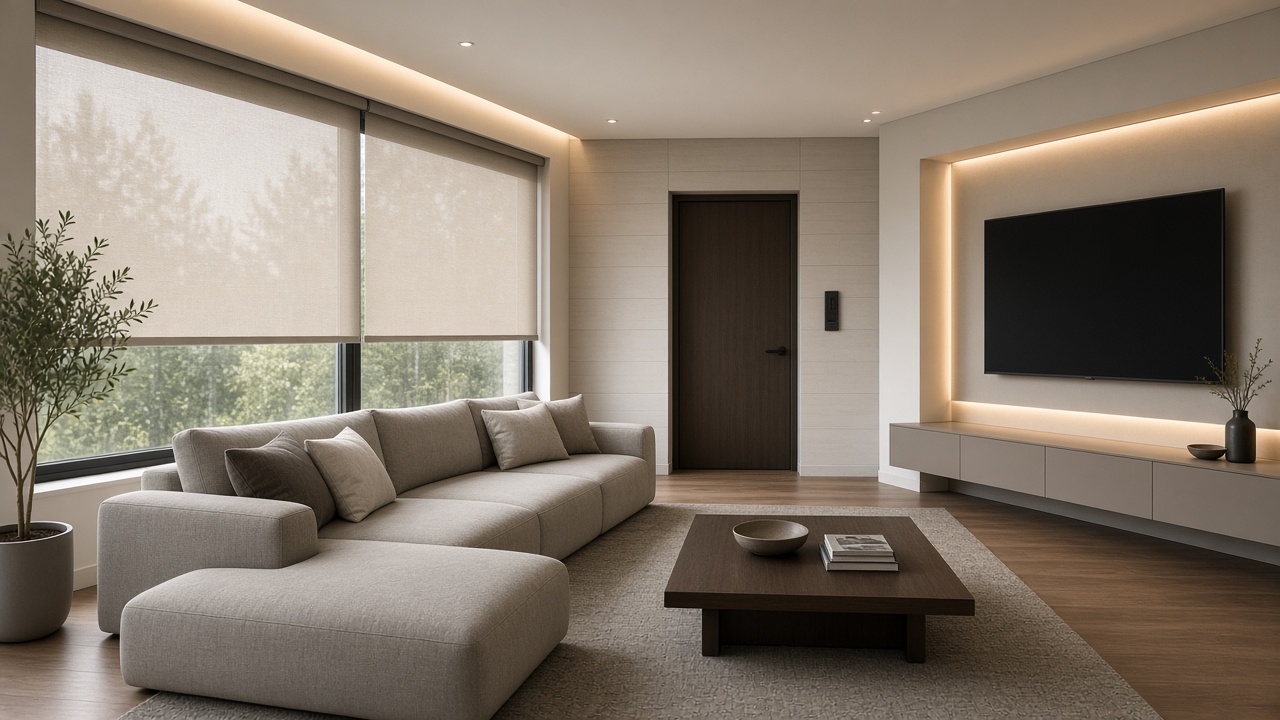
For a modern touch, consider incorporating LED strips and under-cabinet lights. Subtle yet effective, these can highlight features and add a futuristic feel to your home.
Incorporating Nature and Outdoor Elements
Nature has a way of making spaces feel nurturing and serene. Indoor plants, no matter how small, can breathe life into your tiny home, improving air quality and enhancing the overall aesthetic.
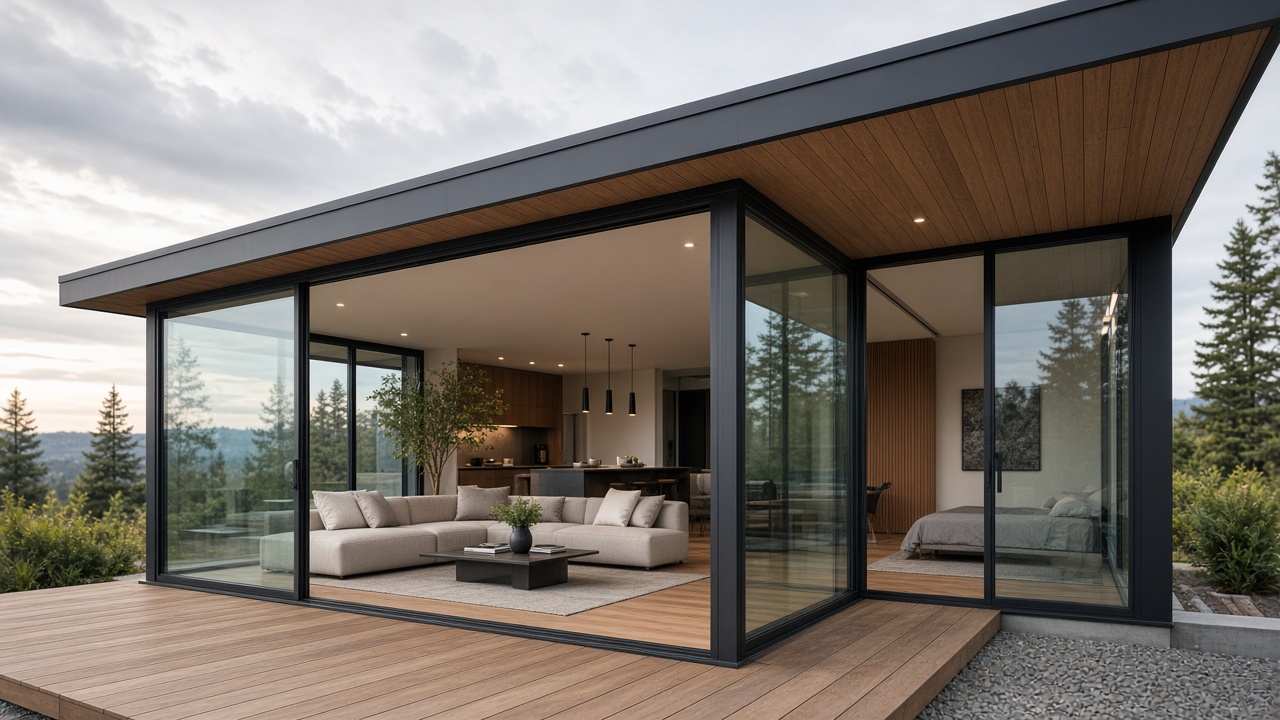
Seamless indoor-outdoor transitions, made possible with sliding doors and small decks, connect the interior with the natural world, expanding your living area beyond the walls of your home. Materials like wood and stone can also bring an outdoor vibe inside, adding warmth and texture.
Clever Storage Solutions
Storage is often the bane of small living, but with a bit of ingenuity, it doesn’t have to be. Built-in cabinets and discreet storage compartments can be lifesavers, providing ample space without disrupting the design flow. Under-bed storage boxes and organizers are fantastic for tucking away seasonal items or linens.
And let’s not forget about those nooks and crannies those often-overlooked spaces can be turned into effective storage areas. A declutter-first approach is essential, helping you to maximize available space while keeping your sanctuary tidy and organized.
Personalizing Small Spaces for Comfort
Your tiny space should reflect who you are, and personalization is key to achieving this. Throw pillows, artwork, and rugs can add personality and warmth, making the space feel uniquely yours. Customizing layouts to fit individual lifestyle needs is also crucial, as what works for one person might not for another.
While personalization is important, moderation is vital overcrowding a space with personal collections can quickly feel overwhelming. Instead, focus on optimizing layouts to enhance both functionality and comfort.
Sustainability and Efficiency in Design
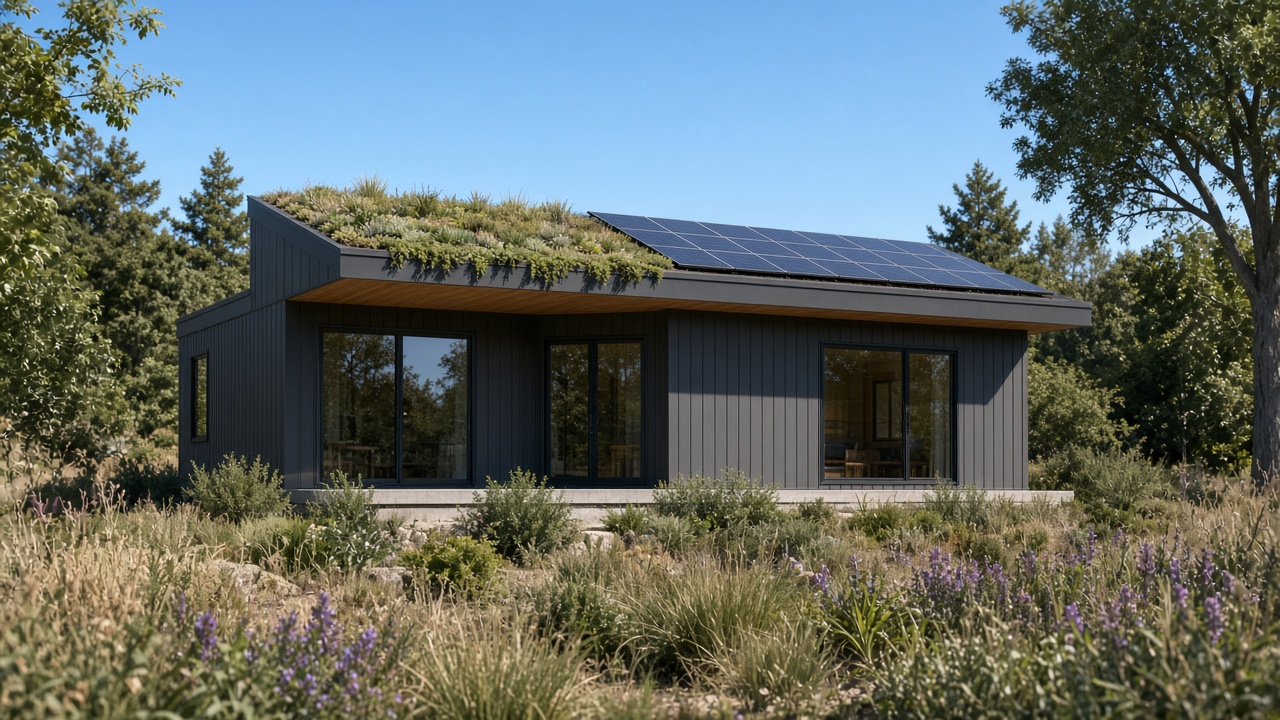
Incorporating eco-friendly materials and energy-efficient appliances into your small home isn’t just good for the environment; it’s good for your wallet too. Good insulation and ventilation can drastically reduce energy costs, while water-saving fixtures contribute to sustainability efforts.
Designing with recyclability and waste reduction in mind ensures that your tiny home remains efficient and environmentally conscious over the long term. Solar panels, when feasible, can further enhance this, providing a renewable energy source for your dwelling.
In the end, the magic of designing small spaces lies in the simplicity of the solutions. With thoughtful planning and a touch of creativity, your tiny ADU or prefab can become a haven of comfort and efficiency, a testament to the power of good design.